
Chuck roast is one of the most practical cuts of beef you can buy. It comes from the shoulder area of the cow and costs less than many other beef cuts.
The meat has good marbling throughout, which means it has small streaks of fat that add flavor. You can turn chuck roast into classic pot roast, hearty chili, creamy stroganoff, or tender shredded beef sandwiches.
Slow cooking methods like braising, slow cookers, and pressure cookers work best for this type of meat. You’ll find recipes here that use different cooking styles and flavors.
Some use classic American seasonings while others draw from French and Asian cooking traditions. Each recipe shows you how to make the most of this versatile cut of beef.
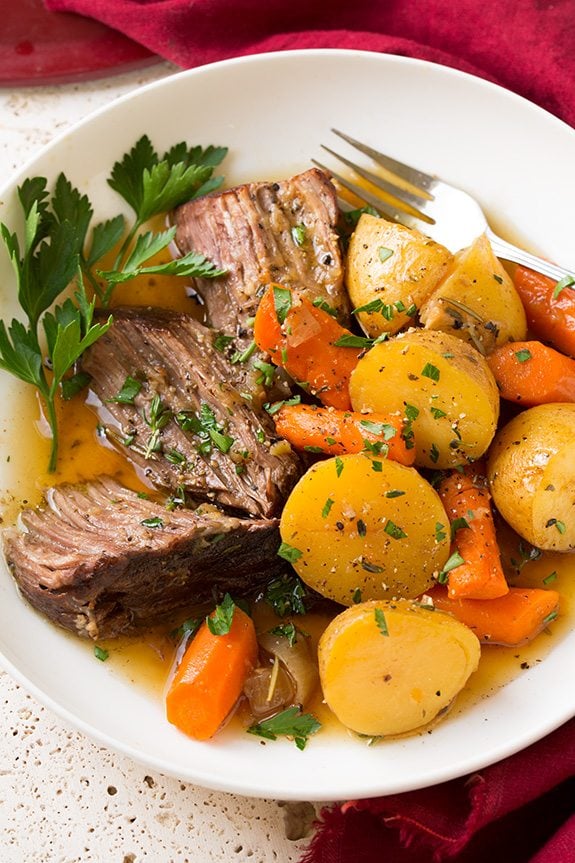
1. Classic Slow Cooker Pot Roast with Carrots and Potatoes
This recipe makes dinner simple. You place a chuck roast in your slow cooker with carrots and potatoes, then let it cook for several hours.
The meat becomes tender while the vegetables soften. You can season it with garlic, onion, and herbs.
Some recipes add Worcestershire sauce or tomato paste for extra flavor. The slow cooker does most of the work for you.
You only need about 15 minutes to prepare everything before cooking begins.

2. Texas-Style Chuck Roast Chili
Chuck roast transforms ordinary chili into something special. You cut the beef into chunks instead of using ground meat, which creates tender pieces that melt in your mouth.
This style skips the beans and focuses on beef and bold spices. You’ll brown the meat first, then simmer it with chili powder, cumin, and sometimes smoky chipotles.
The marbled fat in chuck roast adds rich flavor as it cooks low and slow. Your chili actually tastes better the next day after the flavors blend together.

3. French Beef Stroganoff with Chuck Roast
Chuck roast makes an excellent choice for beef stroganoff because it becomes tender when cooked slowly. You’ll braise the meat with red wine, onions, and mushrooms until it falls apart easily.
The sauce combines butter, garlic, flour, beef broth, and mustard. You finish it with crème fraîche or sour cream for a rich, creamy texture.
Serve your stroganoff over egg noodles or rice. The pasta soaks up the savory sauce perfectly.
This dish takes time to prepare but delivers impressive results for a special dinner.

4. Oven-Braised Chuck Roast with Red Wine Gravy
This recipe turns an affordable cut of beef into a tender meal. You cook the chuck roast slowly in the oven with red wine, which gives the meat a deep flavor and makes it fall-apart soft.
The wine creates a rich gravy as it mixes with the beef juices. You can add vegetables like carrots, onions, and mushrooms to the pot.
These soak up the flavors while they cook. The long cooking time breaks down the tough parts of the meat.
Your roast will be ready when you can pull it apart with a fork.

5. Shredded Beef Sandwiches from Chuck Roast
Chuck roast makes excellent shredded beef sandwiches because of its rich marbling. The fat breaks down during slow cooking and keeps the meat tender and juicy.
You can prepare this in a slow cooker or Instant Pot. Season your roast with your preferred spices and cook it low and slow for 6-8 hours.
The meat should fall apart easily when done. Shred the beef with two forks and mix it with the cooking juices.
Serve it on toasted buns with cheese, coleslaw, or barbecue sauce.

6. Herb-Crusted Chuck Roast with Garlic and Rosemary
This recipe turns an affordable chuck roast into a flavorful main dish. You’ll coat the beef with a mixture of fresh garlic and rosemary to create a tasty crust.
The herbs stick to the meat and add flavor while it cooks. Your roast stays moist inside while developing a nice outer layer.
You can serve this dish for Sunday dinner or a special occasion. The combination of garlic and rosemary works well with beef chuck’s rich taste.

7. Slow Braised Chuck Roast in Mushroom Sauce
This recipe turns an affordable cut of beef into something special. You’ll brown the chuck roast first, then let it cook slowly with mushrooms and onions until it falls apart.
The long cooking time breaks down the tough parts of the meat. This creates a tender roast with rich gravy.
You can use different types of mushrooms to add more flavor. The whole meal cooks in one pot.
Serve it with mashed potatoes or roasted vegetables for a filling dinner your family will enjoy.

8. Pressure Cooker Chuck Roast with Onions and Peppers
This recipe brings bold flavor to your dinner table in about an hour. You’ll sear your chuck roast first to lock in the juices, then add sliced onions and bell peppers to the pot.
The pressure cooker breaks down the tough meat fibers while the vegetables cook until soft and sweet. Use beef broth as your cooking liquid for the best results.
Your roast will come out tender and ready to slice. The onions and peppers make perfect sides that need no extra preparation.

9. Asian-Inspired Chuck Roast with Soy and Ginger
This recipe transforms your chuck roast with bold Asian flavors. You’ll use soy sauce, fresh ginger, and garlic to create a rich braising liquid that makes the meat tender and flavorful.
The slow cooking process breaks down the tough connective tissue in the chuck roast. This gives you meat that falls apart easily after several hours of cooking.
You can add a touch of honey or brown sugar for sweetness. Serve your roast over rice to soak up the tasty sauce.

10. Beef Chuck Roast in Creamy Mushroom Soup
This recipe turns a tough cut of beef into tender meat with minimal effort. You sear the chuck roast in a hot skillet until all sides are brown.
Then you add cream of mushroom soup, sliced onions, and beef broth. The roast cooks slowly in the oven or slow cooker for several hours.
The long cooking time breaks down the tough fibers in the meat. You can add vegetables like carrots and potatoes to make it a complete meal.
The mushroom soup creates a thick gravy that coats the beef perfectly.
Understanding Beef Chuck Roast
Chuck roast comes from the shoulder area of the cow and contains more fat and connective tissue than premium cuts. This makes it affordable and perfect for slow cooking methods that transform it into tender, flavorful meat.
What Makes Chuck Roast Unique
Chuck roast stands out because of its 20 percent fat content mixed with 80 percent meat. This ratio gives you juicy, flavorful results when you cook it properly.
The cut comes from the shoulder and neck area where the cow gets lots of exercise. This means the meat has more connective tissue and collagen than expensive cuts like ribeye or tenderloin.
When you apply low, slow heat to chuck roast, the connective tissue breaks down into gelatin. This process makes the meat fall-apart tender and adds rich flavor to your dish.
You’ll find chuck roast sold under different names at the grocery store. Look for labels like chuck pot roast, shoulder roast, or blade roast.
They all come from the same general area and work well with the same cooking methods.
Selecting the Best Cut
Choose a chuck roast that weighs between 3 to 5 pounds for most recipes. This size feeds a family and cooks evenly.
Look for meat with good marbling throughout. You want to see thin white lines of fat running through the red meat.
This marbling keeps your roast moist during cooking. The roast should feel firm to the touch and have a deep red color.
Avoid meat that looks brown or has a grey tint. Fresh chuck roast shouldn’t smell sour or unpleasant.
Bone-in vs. boneless: Both options work well. Bone-in roasts add extra flavor to your cooking liquid.
Boneless cuts are easier to slice and serve. Check the packaging date and use your roast within 3 to 5 days of purchase.
You can also freeze it for up to 12 months if you wrap it tightly.
Essential Preparation Tips
Take your chuck roast out of the refrigerator 30 to 60 minutes before cooking. Room temperature meat cooks more evenly than cold meat straight from the fridge.
Pat the roast dry with paper towels before seasoning. Moisture on the surface prevents proper browning.
A dry surface creates a better crust when you sear it. Season generously with salt and pepper on all sides.
You can add garlic powder, onion powder, or dried herbs for extra flavor. Heat oil in your pot until it shimmers, then brown each side of the roast for 3 to 4 minutes.
This step creates a flavorful crust and adds depth to your final dish. Plan for about one hour of cooking time per pound when braising or slow cooking.
A 4-pound roast needs roughly 4 hours at low temperature to become fork-tender.
Perfecting Cooking Techniques
Chuck roast transforms into tender, flavorful beef when you use the right cooking method and give it enough time. The key is low heat and patience, whether you slow roast in the oven or braise in liquid.
Slow Roasting Methods
Slow roasting works best at temperatures between 275°F and 325°F. You should plan for about one hour of cooking time per pound of meat.
Start by searing your chuck roast on all sides in a hot pan. This step creates a flavorful brown crust.
Place the seared roast in a roasting pan with a small amount of liquid at the bottom.
Basic Slow Roasting Steps:
- Preheat your oven to 300°F
- Sear the roast for 3-4 minutes per side
- Add 1 cup of beef broth to the pan
- Cover tightly with foil or a lid
- Roast until fork-tender
The low temperature breaks down the tough connective tissues without drying out the meat. You can add vegetables like carrots, potatoes, and onions during the last hour of cooking.
Check for doneness by inserting a fork into the thickest part. The meat should pull apart easily when it’s ready.
Braising for Tenderness
Braising combines both dry and wet heat to make chuck roast incredibly tender. You cook the meat partially submerged in liquid inside a covered pot.
Use a heavy pot like a Dutch oven that holds heat well. Brown the roast first, then add enough liquid to come about halfway up the sides of the meat.
Good braising liquids include beef broth, red wine, or a mixture of both.
Braising Temperature and Time:
- Stovetop: Low simmer for 3-4 hours
- Oven: 300°F for 3-4 hours
- Slow Cooker: Low setting for 8 hours or high for 4-5 hours
Keep the lid on during cooking to trap steam and moisture. The liquid should bubble gently, not boil hard.
Turn the roast once or twice during cooking for even results. Your chuck roast is done when you can shred it with a fork.
Frequently Asked Questions
Chuck roast cooking raises common questions about leftovers, tenderness techniques, seasoning choices, and cooking methods. Understanding these practical aspects helps you get better results from this affordable cut of beef.
What are some creative uses for leftover chuck roast?
Leftover chuck roast works well in tacos, quesadillas, and burrito bowls. You can shred the meat and add it to scrambled eggs for breakfast or pile it onto nachos with cheese and toppings.
Turn cold chuck roast into beef fried rice or stir-fry with vegetables. The meat also makes excellent filling for empanadas, pot pies, or shepherd’s pie.
You can chop it up for beef hash with potatoes and onions. Mix shredded chuck roast with barbecue sauce for quick sandwiches.
It works in pasta dishes like beef ragu or mixed into soups and stews for added protein.
How can I achieve the most tender result when cooking a chuck roast?
Low and slow cooking breaks down the tough connective tissue in chuck roast. Cook your roast at temperatures between 275°F and 325°F for several hours until the meat reaches an internal temperature of 190°F to 205°F.
Keep your roast covered with liquid during cooking. Use beef broth, wine, or water to create moisture and prevent the meat from drying out.
The liquid helps transfer heat evenly throughout the meat. Let your cooked roast rest for 15 to 20 minutes before slicing.
This allows the juices to redistribute through the meat. Always slice against the grain to shorten the muscle fibers and make each bite more tender.
Which herbs and spices pair well with beef chuck roast?
Rosemary and thyme complement beef’s rich flavor. Add fresh sprigs to your roast during cooking or sprinkle dried versions into your braising liquid.
Garlic, onion powder, and black pepper form a solid base for any chuck roast seasoning. Paprika adds color and mild sweetness while bay leaves contribute depth to the cooking liquid.
Oregano, sage, and parsley work well in Italian-style preparations. For bolder flavors, try cumin, chili powder, or smoked paprika.
Salt enhances all the other flavors, so season generously before and during cooking.
Can you recommend a beef chuck roast recipe that mimics a fine dining experience?
Oven-braised chuck roast with red wine gravy creates an elegant presentation suitable for special occasions. Sear the meat first to develop a brown crust, then braise it slowly with quality red wine, fresh herbs, and aromatic vegetables.
Serve your roast sliced against the grain on warmed plates. Strain and reduce the cooking liquid into a glossy sauce that coats the back of a spoon.
Plate with roasted root vegetables or creamy mashed potatoes. French beef stroganoff made with chuck roast offers another upscale option.
The slow-cooked beef becomes tender enough to cut with a fork. The rich sauce made with mushrooms and sour cream looks restaurant-quality.
What are the key differences in cooking time and temperature when using a slow cooker versus an oven for chuck roast?
Slow cookers operate at lower temperatures than ovens. The low setting runs around 190°F to 200°F while the high setting reaches 280°F to 300°F.
A 3 to 4 pound chuck roast takes 8 to 10 hours on low or 4 to 6 hours on high in a slow cooker. Oven cooking gives you more control over temperature.
Most chuck roasts cook at 300°F to 325°F for 3 to 4 hours in the oven. You can sear the meat first on the stovetop, which you cannot do in a slow cooker.
Both methods need liquid and a covered cooking vessel. Slow cookers trap moisture better and require less liquid than oven cooking.
The oven produces slightly better browning and crust development on the meat’s surface.
How can I modify a chuck roast recipe to be gluten-free without sacrificing flavor?
Replace regular flour with cornstarch or arrowroot powder when you need to thicken gravy or coat your meat. Use one tablespoon of cornstarch for every two tablespoons of wheat flour the recipe calls for.
Check your beef broth and Worcestershire sauce labels for hidden gluten. Many brands contain wheat or barley.
Buy certified gluten-free versions or make your own broth from scratch.
Replace soy sauce with tamari or coconut aminos in recipes. These alternatives provide similar salty, umami flavors.