
Eating healthy doesn’t mean you have to give up flavor or feel hungry all the time. Low-calorie meals can be both satisfying and delicious when you use the right ingredients and cooking methods.
Many people think that cutting calories means eating bland food, but that’s not true. The meals in this guide stay at or below 300 calories per serving.
You’ll find options with chicken, seafood, vegetables, and plant-based proteins. Each recipe focuses on simple preparation methods that keep the food tasty while controlling portion sizes.
These recipes work well for lunch or dinner. They include everything from grilled proteins and fresh salads to creative vegetable dishes and grain-free alternatives.
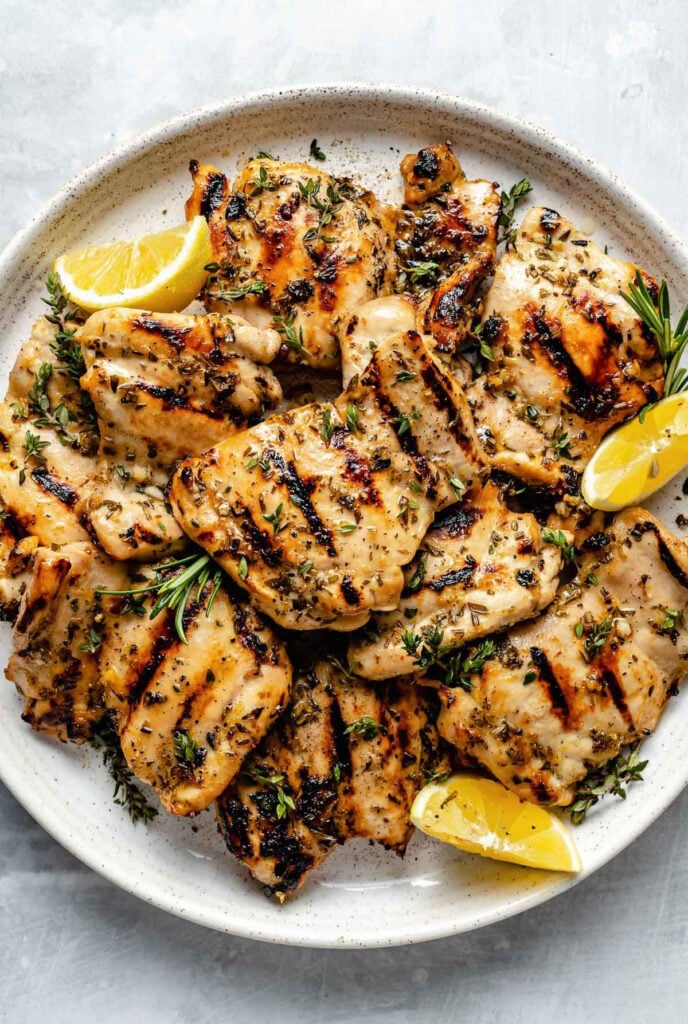
1. Grilled Lemon Herb Chicken Breast
A single grilled chicken breast with lemon and herbs comes in around 165 calories, leaving room for sides in your 300-calorie meal. You’ll marinate the chicken in lemon juice, garlic, and herbs like thyme or rosemary for at least 30 minutes.
Grill the chicken for 6-7 minutes per side until it reaches 165°F inside. The lemon juice helps keep the meat tender while adding bright flavor.
Pair your chicken with grilled vegetables or a small side salad to complete your meal under 300 calories.

2. Spicy Shrimp and Quinoa Salad
This protein-packed dish comes together in under 30 minutes and fits perfectly into your 300-calorie meal plan. You’ll marinate shrimp in a spicy blend of lime juice, chili powder, and garlic before grilling.
The quinoa serves as a filling base that pairs well with crisp vegetables. You can add tomatoes, cucumbers, and bell peppers for extra crunch and nutrients.
This meal works hot or cold, making it great for meal prep. The combination of shrimp and quinoa gives you plenty of protein to keep you full for hours.

3. Turkey and Veggie Lettuce Wraps
Turkey and veggie lettuce wraps offer a light meal that stays under 300 calories. You can make them in about 15 minutes with ground turkey and fresh vegetables.
Each wrap contains roughly 55 to 160 calories depending on your ingredients. You’ll need crisp lettuce leaves, lean ground turkey, and chopped vegetables like bell peppers or water chestnuts.
Two to three wraps make a complete meal when you add a side dish. The combination gives you protein from the turkey and crunch from the vegetables without heavy carbs.

4. Salmon with Steamed Asparagus
Salmon with steamed asparagus gives you a complete meal that fits within 300 calories. The fish provides protein and omega-3 fatty acids your body needs.
Steaming keeps the asparagus tender while holding onto its nutrients. You can season both with lemon juice, garlic, and a small amount of olive oil for flavor.
This meal takes about 20 minutes to make. The simple cooking method means less cleanup for you after dinner.

5. Zucchini Noodles with Pesto and Cherry Tomatoes
Zucchini noodles offer a low-carb alternative to traditional pasta while keeping your meal under 300 calories. You can prepare this dish in about 15 minutes using a spiralizer to create the noodles.
The basil pesto adds rich flavor without excessive calories. Fresh cherry tomatoes provide sweetness and important nutrients.
You can add grilled chicken or chickpeas if you want more protein. This makes the meal more filling while staying within your calorie goals.
The dish works well for lunch or dinner and requires minimal cooking skills.

6. Greek Yogurt and Berry Parfait
This parfait delivers around 300 calories while giving you a protein boost to start your day. You’ll layer plain Greek yogurt with fresh berries like strawberries, blueberries, or raspberries.
Add a handful of granola for crunch and texture. The Greek yogurt provides 18-23 grams of protein depending on the brand you choose.
You can prep this meal in just five minutes. It works well for breakfast or as a filling snack throughout the day.
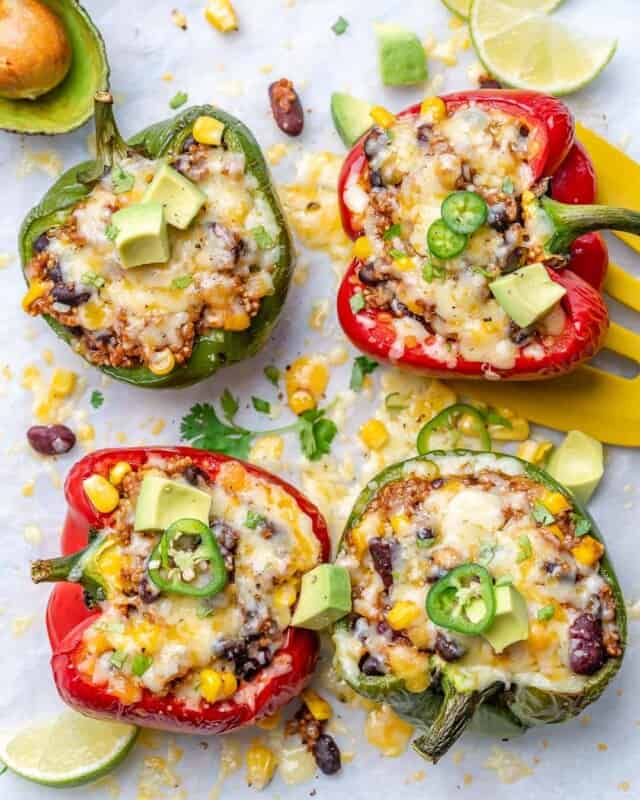
7. Veggie-Stuffed Bell Peppers
Bell peppers make excellent low-calorie vessels for a filling meal. You can stuff them with rice, beans, and vegetables to create a complete dinner under 300 calories.
The base typically includes cooked rice or quinoa mixed with black beans or pinto beans. Add diced tomatoes, onions, and corn for extra flavor and nutrition.
Top your peppers with a small amount of cheese before baking. The peppers need about 30 minutes in the oven at 375°F until tender.
You can prepare several at once and store them in your refrigerator for easy weeknight meals.

8. Cauliflower Fried Rice with Egg
Cauliflower fried rice with egg gives you all the flavors of takeout without the extra calories and carbs. You replace regular rice with riced cauliflower, which keeps the dish light while adding fiber and vitamins.
You cook scrambled eggs with garlic, then add the cauliflower rice, vegetables like peas and carrots, and season with soy sauce. It’s ready in about 20 minutes.
This one-pan meal works as a main dish or side. You get around 300 calories per serving while still feeling satisfied.

9. Black Bean and Corn Salad
Black bean and corn salad offers a light yet filling meal that keeps you satisfied. You get protein from the black beans and fiber from the corn, making this a balanced choice.
The basic recipe includes black beans, corn, bell peppers, red onion, and tomatoes. You can add cilantro and avocado for extra flavor and nutrients.
A simple lime dressing with cumin brings everything together. This salad works well as a main dish or side.
You can prepare it in about 10 minutes with no cooking required. This makes it perfect for busy weeknights or meal prep.

10. Baked Tofu with Broccoli
This simple sheet pan meal delivers a satisfying protein-packed dinner without excess calories. You’ll press and cube firm tofu, then toss it with broccoli florets in soy sauce, sesame oil, and your choice of seasonings like garlic or ginger.
Bake everything together at 400°F for about 25-30 minutes until the tofu turns golden and crispy. The broccoli becomes tender with slightly caramelized edges.
Serve your baked tofu and broccoli over a small portion of rice or enjoy it on its own. This dish typically contains around 300 calories per serving.
Nutrition Benefits of 300-Calorie Meals
Meals at 300 calories offer a practical way to control portions while still getting important nutrients your body needs. These meals help you balance proteins, carbs, and fats while providing vitamins and minerals that support your health.
Balanced Macronutrients
Your body needs three main macronutrients: protein, carbohydrates, and fat. A well-planned 300-calorie meal includes all three in the right amounts.
Protein should make up about 25-30% of your meal, which equals roughly 20-25 grams. This amount helps maintain muscle mass and keeps you full longer.
You can get this from lean chicken, fish, eggs, or beans. Carbohydrates provide energy and should be around 40-45% of the meal.
Focus on complex carbs like vegetables, whole grains, or legumes rather than simple sugars. These digest slowly and prevent blood sugar spikes.
Healthy fats fill the remaining 25-30% of your calories. You only need about 8-10 grams of fat per meal.
Add sources like olive oil, avocado, or nuts to help your body absorb vitamins and maintain hormone balance.
Micronutrient Density
You can pack a lot of vitamins and minerals into 300 calories when you choose nutrient-dense foods. Vegetables like spinach, broccoli, and peppers give you vitamin A, vitamin C, and folate without adding many calories.
Lean proteins provide B vitamins and minerals like iron and zinc. A 4-ounce serving of chicken breast has just 140 calories but delivers several essential nutrients your body uses daily.
Whole grains in smaller portions add fiber, magnesium, and selenium. Half a cup of brown rice costs you only 100 calories but contributes to your daily mineral needs.
Adding colorful vegetables increases antioxidants that protect your cells from damage.
Satiety and Portion Control
Feeling satisfied after eating depends on more than just calorie count. Protein and fiber are the two most important factors for staying full between meals.
Foods high in water content take up more space in your stomach. Soups, vegetables, and fruits help you feel full while keeping calories low.
A bowl of vegetable soup can be filling at under 150 calories. Eating slowly gives your brain time to register fullness signals, which takes about 20 minutes.
Your 300-calorie meal becomes more satisfying when you take time to enjoy it. Planning these meals teaches you what proper portions look like, which helps you make better choices when eating larger meals or dining out.
Tips for Creating Satisfying Low-Calorie Meals
Making meals feel filling at 300 calories requires smart ingredient choices, bold flavors, and good planning. You can create dishes that satisfy your hunger and taste buds by swapping high-calorie ingredients for lighter options, using herbs and spices to add depth, and preparing components ahead of time.
Ingredient Swaps for Lower Calories
Replacing calorie-dense ingredients with lighter alternatives keeps your meals at 300 calories without sacrificing volume or satisfaction. Use Greek yogurt instead of sour cream to save about 30 calories per serving while adding protein.
Swap regular pasta for zucchini noodles or shirataki noodles to cut 150-200 calories per cup. Choose lean proteins like chicken breast, white fish, or turkey instead of fattier cuts.
A 4-ounce serving of chicken breast contains about 165 calories compared to 250 calories in the same amount of chicken thigh with skin. Ground turkey or extra-lean ground beef work well in place of regular ground beef, saving 50-100 calories per serving.
Use cauliflower rice instead of white rice to reduce calories from 200 to 25 per cup. Replace oil-based salad dressings with vinegar-based options or lemon juice to save 50-100 calories per tablespoon.
Flavor-Boosting Techniques
Building strong flavors without adding calories makes low-calorie meals more enjoyable. Fresh herbs like basil, cilantro, and parsley add bright flavor with almost no calories.
Dried spices such as cumin, paprika, garlic powder, and chili powder create depth in your dishes. Use citrus zest and juice from lemons, limes, or oranges to brighten flavors naturally.
Roasting or grilling vegetables brings out their natural sweetness without adding fat. A small amount of strong-flavored cheese like parmesan or feta gives you more taste per calorie than mild cheeses.
Add umami through ingredients like mushrooms, tomato paste, soy sauce, or nutritional yeast. These create a savory richness that makes meals feel more substantial.
Hot sauce, mustard, and vinegars provide bold taste without calories.
Meal Prep Strategies
Preparing meal components in advance helps you stick to 300-calorie portions and reduces cooking time. Cook a batch of lean protein at the start of the week, such as grilled chicken breasts or baked fish fillets.
Pre-chop vegetables and store them in containers for quick assembly. Measure and portion your meals into individual containers right after cooking.
This prevents overeating and makes calorie tracking simple. Keep pre-portioned snacks like cut vegetables, hard-boiled eggs, or measured nuts ready to go.
Prep base ingredients like cauliflower rice, quinoa, or roasted vegetables that work in multiple meals. Make large batches of low-calorie sauces or dressings to add flavor quickly.
Store prepped ingredients in clear containers so you can see what you have available.
Frequently Asked Questions
Many people have questions about how to make 300-calorie meals work for their lifestyle, whether they need quick options for busy nights or want to meet specific dietary goals. These answers cover practical ways to build satisfying meals while staying within your calorie target.
What are some quick and easy 300-calorie meal options for busy weeknights?
Turkey and Veggie Lettuce Wraps take less than 15 minutes to prepare. You can cook lean ground turkey with your favorite vegetables, wrap them in crisp lettuce leaves, and add a small amount of low-calorie sauce.
Grilled Lemon Herb Chicken Breast is another fast option that takes about 20 minutes total. Season a 4-ounce chicken breast with lemon juice, herbs, and spices, then grill or pan-sear it.
Pair it with steamed vegetables to complete your meal. Spicy Shrimp and Quinoa Salad works well for meal prep.
You can cook shrimp in minutes and combine them with pre-cooked quinoa and fresh vegetables for a complete meal.
Can you suggest balanced 300-calorie meals that incorporate all food groups?
A balanced 300-calorie meal includes protein, vegetables, whole grains, and healthy fats in controlled portions. Combine 3-4 ounces of lean protein, 1-2 cups of non-starchy vegetables, and a small portion of whole grains.
Spicy Shrimp and Quinoa Salad provides shrimp for protein, quinoa for whole grains, and mixed vegetables for nutrients and fiber. Add a teaspoon of olive oil in your dressing to include healthy fats.
Salmon with Steamed Asparagus paired with a half-cup of brown rice gives you omega-3 fatty acids, protein, vegetables, and whole grains.
Are there any 300-calorie meal plans available that cater to specific dietary needs, such as vegetarian or low-carb?
Low-carb options focus on protein and vegetables while limiting grains. Grilled Lemon Herb Chicken Breast with a large serving of steamed broccoli and cauliflower fits this approach.
For vegetarian meals, Zucchini Noodles with Pesto and Cherry Tomatoes delivers nutrients without animal products. Add chickpeas or white beans to increase protein content while staying under 300 calories.
Turkey and Veggie Lettuce Wraps adapt easily to low-carb eating since lettuce replaces traditional bread or tortillas. The wraps provide protein and vegetables without grains or starches.
How can one ensure they’re getting enough protein in a 300-calorie meal?
Aim for 20-30 grams of protein per 300-calorie meal to stay satisfied and support muscle health. Get this amount from 3-4 ounces of lean meat, fish, or poultry.
Grilled Lemon Herb Chicken Breast provides about 26 grams of protein in a 4-ounce serving. Salmon with Steamed Asparagus offers similar protein content along with healthy omega-3 fats.
Spicy Shrimp and Quinoa Salad combines shrimp and quinoa for a complete protein profile. Each provides different amino acids that work together to meet your nutritional needs.
Could you provide examples of 300-calorie meals that are suitable for weight loss?
Turkey and Veggie Lettuce Wraps offer high volume and low calories, which helps you feel full.
Zucchini Noodles with Pesto and Cherry Tomatoes replaces high-calorie pasta with vegetable noodles. This swap reduces calories while increasing your vegetable intake and fiber.
Salmon with Steamed Asparagus provides protein and healthy fats that increase satiety. These nutrients help reduce hunger between meals and prevent overeating.
What are some common ingredients to avoid in order to keep a meal under 300 calories?
Heavy sauces and dressings add calories quickly without providing much nutrition. Cream-based sauces, mayonnaise, and oil-heavy dressings can contain 100-200 calories per serving.
Fried foods and breaded items absorb significant amounts of oil during cooking. Choose grilled, baked, or steamed cooking methods to save 50-150 calories per serving.
Large portions of high-calorie sides like pasta, rice, and bread push meals over 300 calories easily. Limit grains to half-cup portions or replace them with extra vegetables to stay within your target.