
France has a long tradition of making elegant drinks that mix fine spirits with simple ingredients. These cocktails come from French bars and cafes where skilled bartenders created drinks that became popular around the world.
You can make these same drinks at home with a few quality ingredients and basic mixing skills. French cocktails blend champagne, cognac, and herbal liqueurs with classic techniques to create refined drinks that suit any occasion.
From light and bubbly options to rich and spirit-forward choices, these recipes give you drinks for brunch, dinner parties, or evening gatherings. Learning about the history and key ingredients will help you understand what makes these cocktails special and why they remain favorites among drink lovers today.
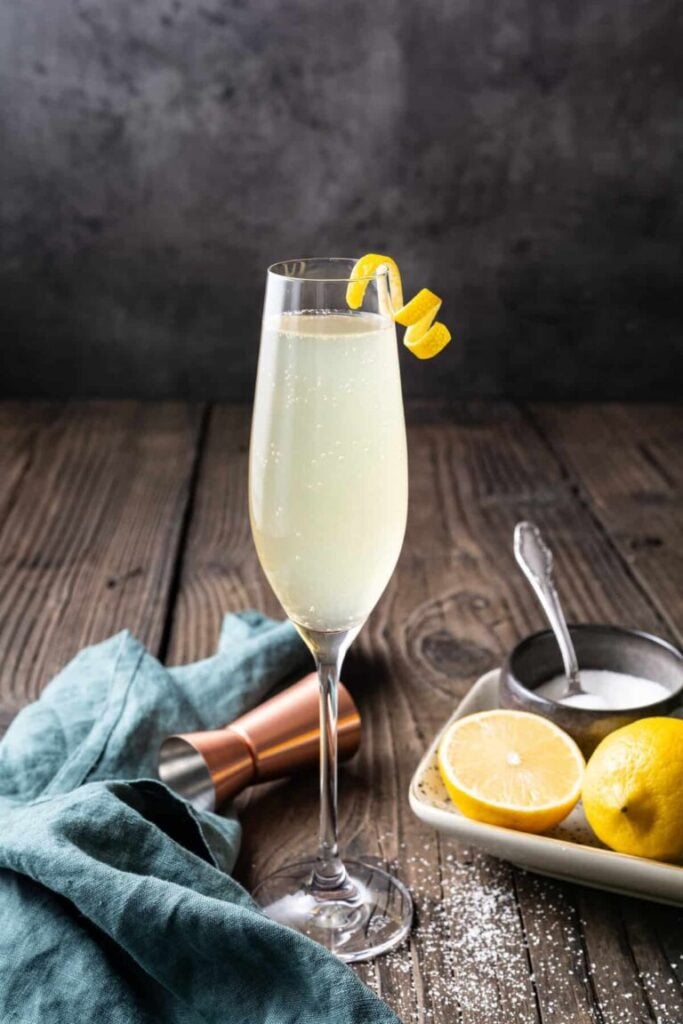
1. French 75
The French 75 is a sparkling cocktail that combines gin, fresh lemon juice, and simple syrup, topped with champagne. Bartender Harry MacElhone created this drink at the New York Bar in Paris in the early 1900s.
You’ll find this cocktail easy to make yet elegant enough for special occasions. The mix of citrus and bubbles creates a refreshing drink.
Some recipes use cognac instead of gin, giving you options based on your preference.
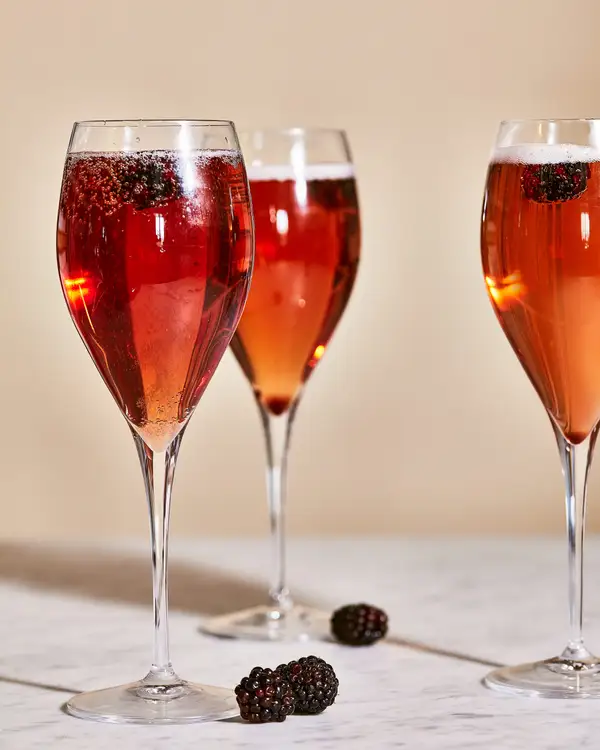
2. Kir Royale
The Kir Royale is one of France’s most elegant cocktails. You only need two ingredients to make it: Champagne and crème de cassis, a black currant liqueur.
This drink offers a balance of sweet and tart flavors. The crème de cassis adds a fruity richness while the Champagne provides crisp bubbles.
You can serve it as an aperitif before dinner or at celebrations. The cocktail works well with both expensive Champagne and affordable sparkling wine.

3. Sidecar
The Sidecar is one of France’s most famous cocktails, dating back to the end of World War I. You’ll need just three ingredients: cognac, orange liqueur, and fresh lemon juice.
This classic drink offers a balanced mix of sweet and tart flavors. The cognac provides a smooth base while the citrus adds brightness.
You can serve it in a sugar-rimmed glass for extra sweetness. Shake all ingredients with ice until cold, then strain into your glass.

4. French Martini
The French Martini combines vodka, raspberry liqueur, and pineapple juice into a sweet and tart cocktail. You can make this drink in about five minutes with just three ingredients.
This cocktail became popular in the 1980s and remains a favorite today. It’s less strong than traditional martinis, which makes it a good choice for parties and celebrations.
You’ll need Chambord or another raspberry liqueur for the best flavor. Simply shake all the ingredients with ice and strain into a martini glass.
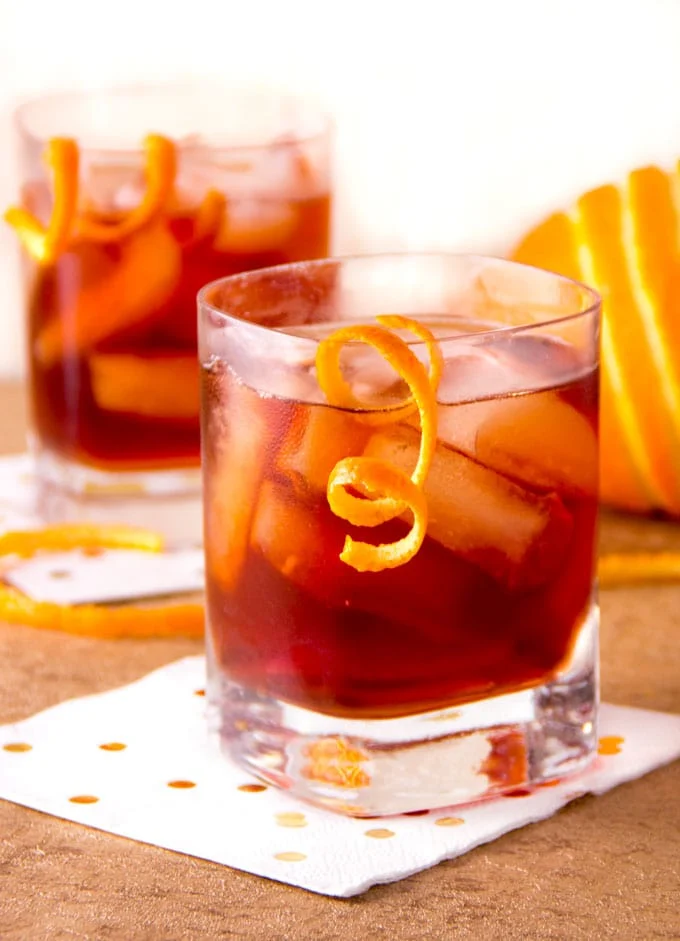
5. Boulevardier
The Boulevardier is a whiskey-based cocktail that dates back to the 1920s. Erskine Gwynne, an American writer in Paris, inspired this drink.
The Boulevardier uses whiskey, sweet vermouth, and Campari. The combination creates a bitter-sweet flavor that whiskey lovers appreciate.
It’s simple to make and delivers sophisticated taste with minimal effort.

6. Mimosa
The Mimosa is a classic French brunch cocktail that combines equal parts champagne and fresh orange juice. Serve it in a champagne flute to keep the bubbles lively.
Pour the champagne first, then add the orange juice on top. This method helps the drink mix naturally without creating a mess.
You can customize your Mimosa by using different sparkling wines like prosecco or cava. The simple two-ingredient recipe makes it perfect for serving groups at celebrations or weekend gatherings.
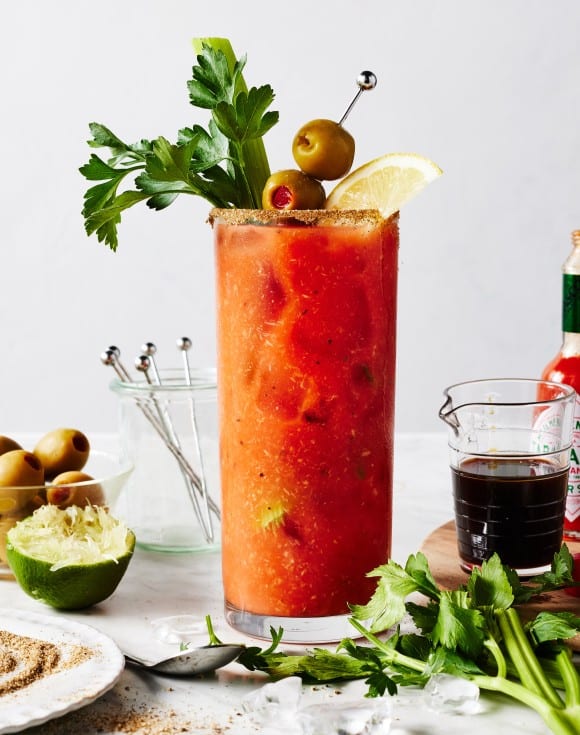
7. Bloody Mary
The Bloody Mary stands out as one of France’s most famous cocktail creations. French bartender Fernand Petitot invented this drink in 1921 while working at the New York Bar in Paris.
You’ll recognize this cocktail by its bright red color. The recipe combines vodka with tomato juice and various spices.
Americans brought canned tomato juice to Paris, which made this creation possible. The Bloody Mary remains a popular choice for brunch today.
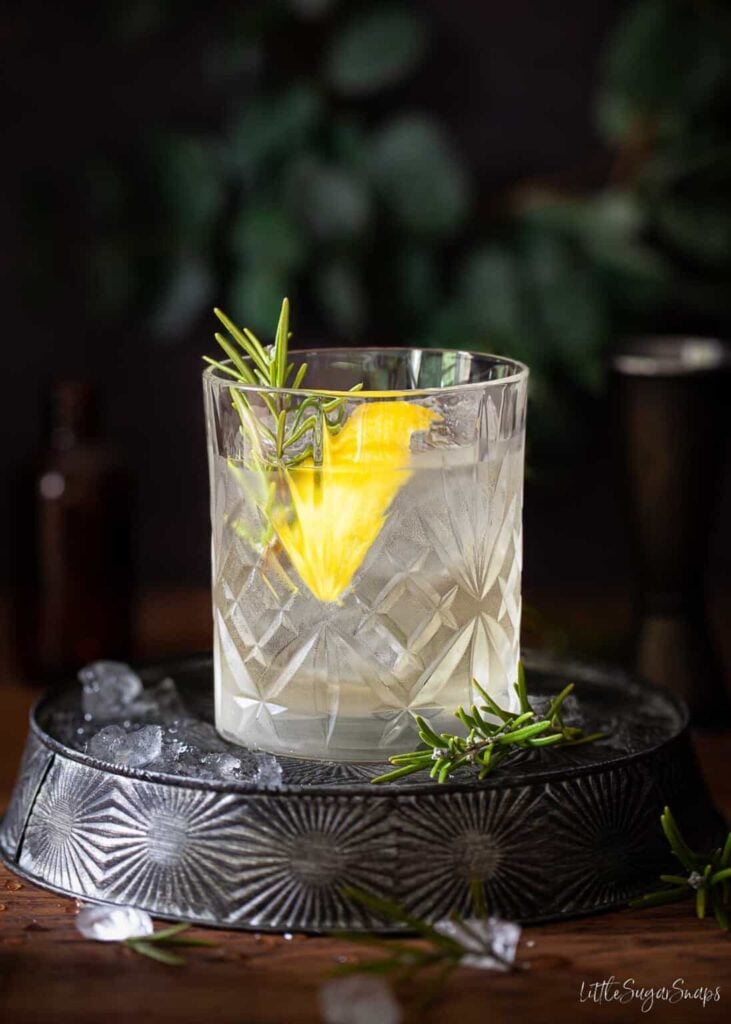
8. White Negroni
British bartender Wayne Collins created the White Negroni in Bordeaux, France, in 2001. He wanted to make a French version of the Italian classic, so he swapped the traditional ingredients for French alternatives.
This modern cocktail combines equal parts gin, Lillet Blanc, and Suze. Despite its name, the drink is actually yellow in color.
You’ll taste herbaceous and floral notes with a pleasantly bitter finish.
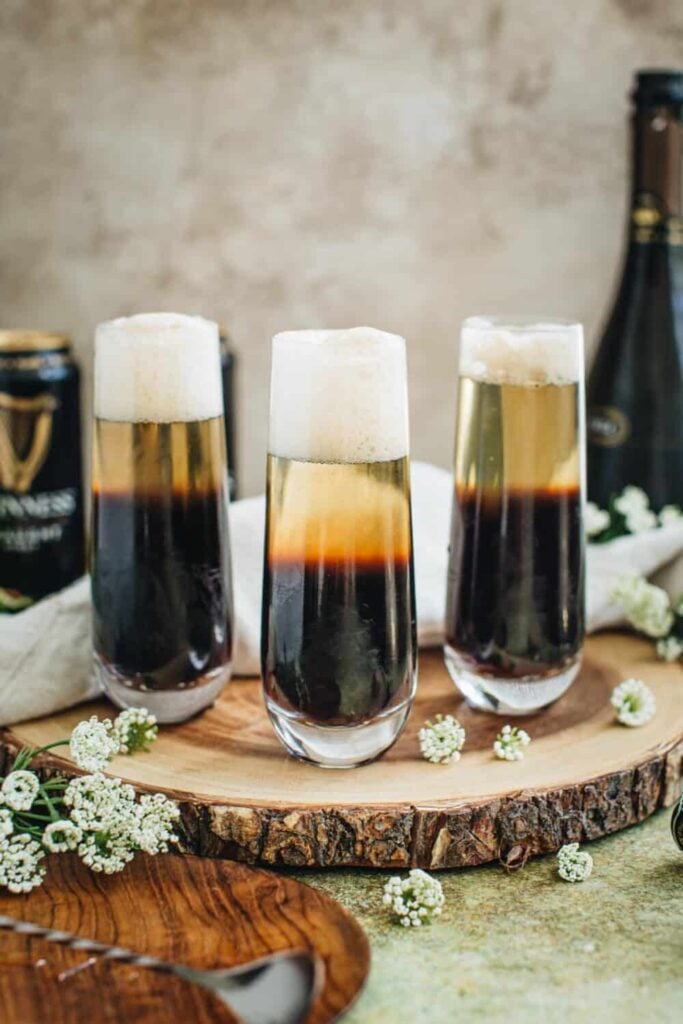
9. Black Velvet
The Black Velvet brings together Guinness stout and champagne. London bartenders created this cocktail in 1861 to mourn Prince Albert’s death.
Pour equal parts of each ingredient into a tall glass. The stout gives you rich, roasted flavors while the champagne adds bright bubbles and crispness.
The drink looks striking with its dark layers. Slowly pour the champagne over the stout to create a smooth blend.
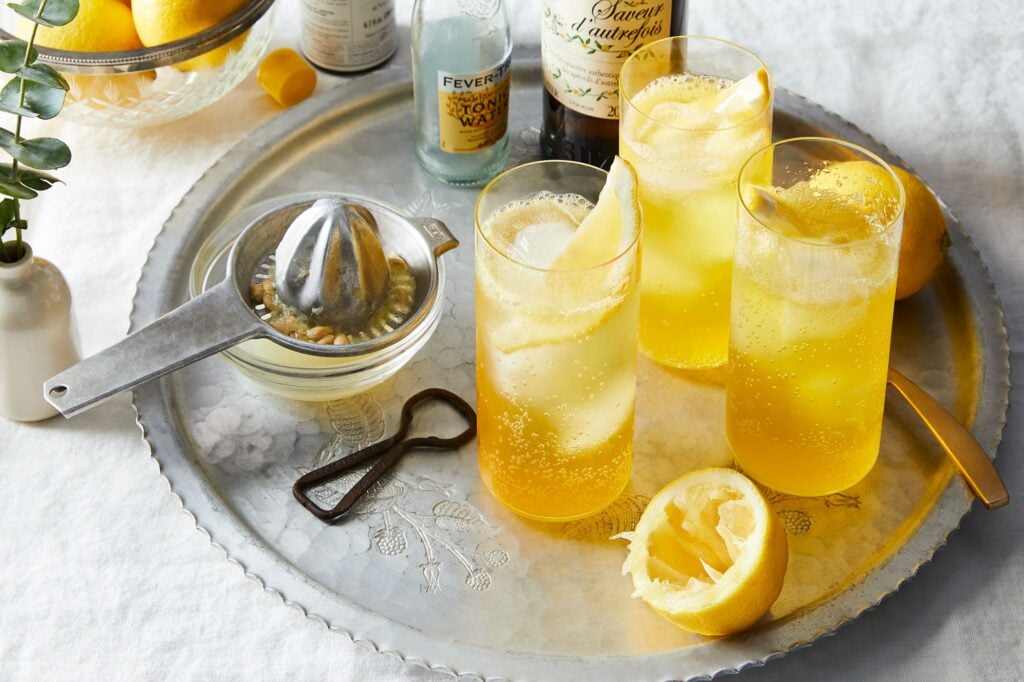
10. Suze Tonic
You only need two ingredients to make this bright French aperitif. Suze is a bitter liqueur made from gentian root that brings earthy, floral, and citrus flavors to your glass.
Mix Suze with tonic water for a simple drink that works well before dinner. The tonic’s quinine complements the liqueur’s bittersweet taste.
This cocktail has less alcohol than a gin and tonic since Suze contains 15-20% ABV depending on where it’s bottled. The yellow-colored drink offers a refreshing alternative when you want something different.
History of French Cocktails
French cocktails emerged in the 19th century when Parisian bartenders began experimenting with local spirits and creative ingredients. The country’s rich tradition of producing fine liqueurs and spirits shaped a unique approach to mixed drinks that emphasized quality and refinement.
Influence of French Culture on Mixology
French culture brought sophistication and artistry to the world of cocktails. The café society of Paris created spaces where bartenders could develop their craft and serve drinks to discerning customers who appreciated fine ingredients.
French bartenders treated cocktail making as an art form rather than just a trade. They focused on balance and presentation, drawing from France’s long culinary traditions.
The aperitif culture in France played a major role in cocktail development. Many French cocktails were designed to be served before meals to stimulate the appetite.
This practice led to drinks that were lighter and more botanical than the spirit-forward cocktails popular in other countries.
Evolution of Signature Ingredients
French cocktails developed around the country’s distinctive spirits and liqueurs. Cognac became a foundation for many classic drinks, offering depth and complexity.
Champagne added celebration and elegance to mixed drinks like the French 75 and Kir Royale. French liqueur makers created unique products that defined certain cocktails.
Chartreuse, made by monks since 1737, brought herbal complexity to drinks. Chambord and other fruit liqueurs offered concentrated flavors that bartenders could use in small amounts.
Regional specialties shaped the ingredients available to bartenders. The wine regions produced vermouths and fortified wines.
Normandy provided calvados, an apple brandy that appeared in French cocktails. These local products gave French mixology its distinct character and connected drinks to specific places in France.
Essential Ingredients in French Mixology
French cocktails rely on distinctive spirits and liqueurs that set them apart from other drink traditions. The right ingredients bring authentic flavors that define classics like the French 75 and Sidecar.
Overview of French Spirits
Cognac stands at the heart of French mixology. This brandy from the Cognac region comes in three main grades: VS (aged at least two years), VSOP (aged at least four years), and XO (aged at least ten years).
You’ll find Cognac in drinks like the Sidecar and the Stinger. Armagnac offers another brandy option from the Gascony region with a more rustic taste.
French vermouth plays a key role too, especially in martini variations. Champagne and other French sparkling wines appear in many recipes.
The bubbles add elegance and a light texture to drinks like the French 75 and Kir Royale.
Classic French Garnishes
French cocktails use simple, purposeful garnishes. A lemon twist brings citrus oils to the drink’s surface without adding juice.
You’ll see this on drinks like the Sidecar and French Gimlet. Sugar rims add sweetness to tart cocktails.
Fresh herbs like thyme and lavender appear in modern French drinks. These herbs grow throughout France and add aromatic notes.
Edible flowers sometimes garnish special cocktails. Violets and rose petals work well with floral liqueurs.
Orange peels provide both aroma and a touch of bitter oil.
Unique French Liqueurs
Chartreuse brings herbal complexity to cocktails. Monks make this liqueur using 130 different plants.
It comes in green (stronger) and yellow (sweeter) versions. Suze delivers bitter-sweet gentian root flavors.
This aperitif works well in spritzes and low-alcohol drinks. St-Germain elderflower liqueur adds floral sweetness to modern French cocktails like the French Gimlet.
Crème de cassis gives blackcurrant flavor to the classic Kir. Crème de violette adds floral purple color to the Aviation cocktail.
Absinthe, the anise-flavored spirit, appears in small amounts to add herbal depth to drinks like the Monkey Gland.
Frequently Asked Questions
French cocktails range from champagne-based drinks like the Kir Royale to spirit-forward options like the Boulevardier. These drinks often feature French ingredients like cognac, champagne, and crème de cassis, with recipes that vary from beginner-friendly to more complex preparations.
What are some classic French cocktails that everyone should try?
The French 75 stands out as a must-try cocktail that combines gin, lemon juice, sugar syrup, and champagne. You’ll find it on menus from New York to Paris because of its balanced flavor and elegant presentation.
The Kir Royale offers a simpler option with just two ingredients: crème de cassis and champagne. This drink appears everywhere from Parisian cafés to countryside celebrations.
The Sidecar is another essential classic made with cognac, orange liqueur, and lemon juice. The Boulevardier brings a richer profile with whiskey, sweet vermouth, and Campari.
Can you suggest simple French cocktail recipes for beginners?
The Kir Royale is your best starting point because you only need to pour crème de cassis into a champagne flute and top it with champagne. No shaking or special tools required.
A French Connection is even easier with just two ingredients: cognac and amaretto liqueur served over ice. You can make this drink in under a minute.
The Mimosa is another beginner-friendly option that combines equal parts champagne and orange juice. These simple recipes let you practice basic cocktail-making skills before moving to more complex drinks.
What are the signature cocktails originating from Paris?
The French 75 was created in Paris during World War I and named after a French artillery gun. You’ll find this drink at classic cocktail bars throughout the city.
The Sidecar also has Parisian roots, though its exact origin is debated between Harry’s New York Bar and the Ritz Hotel in Paris. Both establishments claim to have invented this cognac-based cocktail in the 1920s.
Which French cocktails traditionally include vodka as an ingredient?
The French Martini is the main vodka-based French cocktail you’ll encounter. It combines vodka, raspberry liqueur, and pineapple juice to create a fruity and smooth drink.
The Bloody Mary uses vodka as its base spirit along with tomato juice and spices. Bartenders in Paris created this brunch favorite before it gained worldwide popularity.
Most traditional French cocktails don’t include vodka. The French typically favor cognac, gin, and champagne in their classic recipes.
Could you provide a list of popular non-alcoholic French drinks?
French non-alcoholic drinks focus more on simple refreshments than complex cocktails. Citron pressé is a popular choice made with fresh lemon juice, water, and sugar that you mix to your taste.
Sirop drinks combine fruit-flavored syrups with sparkling or still water. Common flavors include grenadine, mint, and various fruit options available at French cafés.
Diabolo mixes lemonade with flavored syrup, typically mint or strawberry. These drinks are widely available and easy to order at any French café or restaurant.
What is considered the most iconic French cocktail?
The Kir Royale holds the title as the most iconic French cocktail. It perfectly represents French style with its elegance and simplicity.
This drink uses champagne and crème de cassis. You’ll find it served at celebrations throughout France, from formal events to casual gatherings.
Its two-ingredient recipe makes it accessible while still feeling sophisticated. The French 75 comes in as a close second for iconic status.
Both drinks showcase champagne, which is deeply connected to French culture and celebration.