
French cookies represent some of the finest examples of classic baking, combining simple ingredients with careful techniques. These treats range from delicate sandwich cookies to buttery small cakes that showcase France’s rich pastry traditions.
You don’t need special training to make them at home. You’ll learn about different types of cookies, from light and crispy to soft and cake-like.
Each recipe brings its own unique flavor and texture to your baking collection. The article covers everything from the actual recipes to proper baking techniques and storage tips.
You’ll find answers to common questions and helpful serving suggestions. These cookies work well for special occasions or everyday treats.
1. Macarons
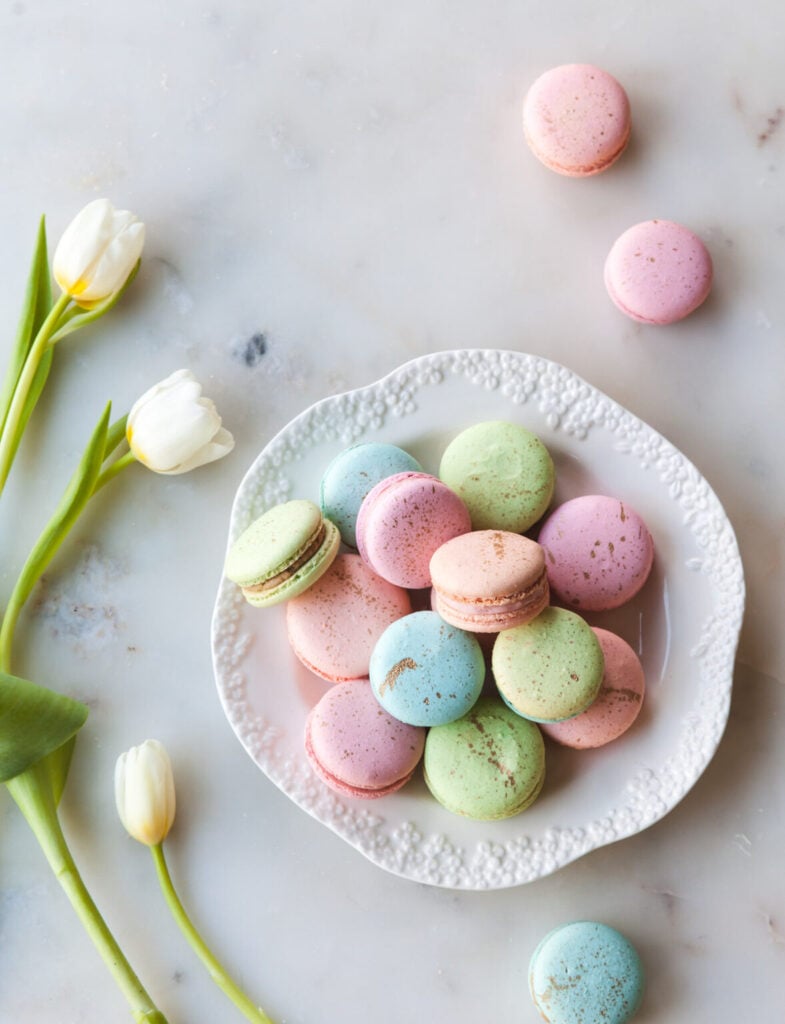
Macarons are delicate French sandwich cookies made from almond flour, powdered sugar, and whipped egg whites. These treats have a crisp outer shell and a soft, chewy center.
You’ll recognize them by their smooth, rounded tops and the distinctive “foot” that forms around the base during baking. You can fill macarons with buttercream, ganache, or jam to create countless flavor combinations.
They require precision in measurements and technique, but you can master them at home with practice and attention to detail.

2. Madeleines
Madeleines are delicate French treats baked in distinctive shell-shaped molds. These buttery cakes have a light, airy texture with slightly crisp golden edges and soft centers.
You’ll recognize them by their signature scalloped shape and small hump on top. The flavor is simple but refined, typically featuring butter, vanilla, and lemon.
They’re best enjoyed fresh the same day you bake them. You’ll need special madeleine pans to create their iconic shell pattern.

3. Palmiers
Palmiers are crisp French pastries made with just two ingredients: puff pastry and sugar. You roll the dough in sugar, fold it into a distinctive heart or palm shape, then slice and bake.
The result is a flaky, caramelized cookie that looks bakery-quality. You can customize them by adding cinnamon or cocoa powder to the sugar.
Store-bought puff pastry works perfectly, making these quick to prepare. They’re ready in about 20 minutes from start to finish.

4. Sablés Bretons
Sablés Bretons are traditional butter cookies from Brittany, France. They get their name from their sandy texture, which comes from mixing butter into flour.
You’ll need just four basic ingredients: salted butter, egg yolks, sugar, and flour. The salted butter gives these cookies their signature taste.
These cookies have a crumbly texture with crisp edges. You can serve them with tea or coffee for a simple treat.
The dough is easy to work with. You can shape it into rounds and add a cross-hatch pattern on top for a classic look.

5. Langues de Chat
Langues de Chat, meaning “cat’s tongue” in French, are thin and crispy butter cookies. You’ll recognize them by their long, narrow shape that looks like a cat’s tongue.
These cookies use just five simple ingredients: butter, sugar, flour, egg whites, and vanilla. The batter whips up quickly and pipes easily onto your baking sheet.
You can enjoy them plain or sandwich them with chocolate. They pair perfectly with coffee or tea for an afternoon snack.

6. Bredelé
Bredelé are traditional Christmas cookies from Alsace, a region in eastern France. These small butter cookies come in many different shapes and flavors.
You’ll find them at French Christmas markets throughout the holiday season. Every family in Alsace makes these cookies for Christmas and New Year’s Eve.
The basic recipe uses butter, flour, sugar, and eggs. Some versions include vanilla, almond, cinnamon, or orange flavoring.
You can cut these cookies into various shapes using cookie cutters. They’re simple enough for beginners but beloved by experienced bakers too.

7. Petit Beurres
Petit Beurres are classic French butter cookies known for their crisp texture and simple buttery taste. The name means “little butter” in French, which tells you exactly what makes them special.
These rectangular cookies are barely sweet but surprisingly addictive. You’ll find them easy to make with basic ingredients like butter, flour, and sugar.
The dough gets rolled out and cut into neat shapes, then pricked with a fork before baking. They bake at 350°F until golden at the edges.
Petit Beurres pair perfectly with your morning coffee or afternoon tea.

8. Tuiles
Tuiles are thin, crispy French cookies named after curved roof tiles. You make them with simple ingredients: egg whites, sugar, flour, and butter.
The batter spreads very thin while baking, creating a delicate wafer texture. You can shape these cookies while they’re still warm from the oven.
Drape them over a rolling pin to create curves, or form them into cups and cones. They pair well with ice cream, mousse, and other creamy desserts.

9. Cannelés
Cannelés are small French pastries from Bordeaux with a unique texture you’ll love. They have a crispy, caramelized exterior and a soft, custardy center.
The batter includes eggs, butter, milk, flour, vanilla, and rum. You need special fluted cylindrical molds to make them, which are typically about 2 inches tall.
These pastries bake at high heat longer than most treats to create their signature crunchy shell.

10. Financiers
These elegant French almond cakes make perfect tea time treats. You’ll love their crispy edges and moist centers.
The recipe calls for almond flour, egg whites, and browned butter, which gives them a distinctive nutty flavor. Financiers are simple to prepare at home.
You can bake them in under 30 minutes using basic ingredients you likely have in your pantry. They keep well for several days, making them practical for entertaining or snacking throughout the week.
French Cookie Baking Techniques
French cookie baking relies on precise methods and proper equipment to create delicate textures and refined flavors. Success comes from understanding butter temperature, mixing techniques, and having the right tools at hand.
Traditional Methods for Authentic Results
French baking demands attention to ingredient temperature and mixing order. Room temperature butter creates the proper texture for most French cookies.
Beat butter and sugar together until light and fluffy, which takes about 3-5 minutes with a mixer. The creaming method forms the foundation for cookies like sablés.
Incorporate eggs one at a time after creaming, then fold in dry ingredients gently to avoid overmixing. Overmixing develops gluten and makes cookies tough instead of tender.
Key temperature rules:
- Butter should be 65-68°F for proper creaming
- Eggs work best at room temperature
- Cold dough rolls more easily and holds its shape
Chill cookie dough before baking to help maintain shape and prevent spreading. Most French cookie recipes require 30 minutes to 2 hours of refrigeration.
You can also freeze shaped cookies for up to 3 months.
Essential Tools for French Baking
A stand mixer or hand mixer makes creaming butter efficient and consistent. You need measuring cups and a kitchen scale since French recipes often use weight measurements for accuracy.
Parchment paper or silicone baking mats prevent sticking without adding grease. A rolling pin helps achieve even thickness for cutout cookies.
Cookie cutters in various shapes let you create traditional French designs. A pastry brush applies egg wash for golden finishes.
Must-have baking tools:
- Digital kitchen scale
- Offset spatula for spreading
- Wire cooling racks
- Pastry bags and tips for piped cookies
An oven thermometer ensures accurate baking temperatures since most ovens run hot or cold by 25°F.
How to Serve and Store French Cookies
French cookies deserve thoughtful presentation and proper storage to maintain their delicate textures and flavors. The right serving approach enhances their appeal at gatherings, while correct storage methods keep them fresh for days or even weeks.
Serving Suggestions for Special Occasions
French cookies work well on tiered serving plates for afternoon tea or dessert tables. Arrange different varieties together to showcase colors and shapes.
For formal events, place cookies on doilies or parchment paper. Pair buttery sablés with coffee or espresso.
Serve macarons alongside champagne or sparkling wine. Madeleines taste best when slightly warm.
Classic pairings include:
- Palmiers – tea or coffee
- Macarons – champagne or dessert wine
- Financiers – espresso
- Tuiles – ice cream or mousse
Group cookies by texture on separate plates. Put crisp cookies like tuiles away from soft varieties.
This prevents moisture transfer. Room temperature serving brings out the best flavors in most French cookies.
Create a simple cookie board by adding fresh berries, chocolate squares, and nuts around your arranged cookies. This adds visual interest without overwhelming the main attraction.
Proper Storage to Preserve Freshness
Store French cookies in airtight containers at room temperature. Let cookies cool completely before storage to prevent condensation and sogginess.
Keep different cookie types in separate containers. Crisp cookies stay crunchy this way, and soft cookies maintain their texture.
Place parchment paper between layers to prevent sticking. Most French cookies stay fresh for 3-5 days at room temperature.
Delicate cookies like macarons need refrigeration and last up to one week. Store them in sealed containers to prevent them from absorbing odors.
You can freeze most French cookies for up to three months. Wrap them individually or layer them with parchment paper in freezer-safe containers.
Thaw cookies at room temperature for 15-20 minutes before serving. Don’t refreeze thawed cookies because ice crystals damage their texture and taste.
Avoid refrigerating butter-based cookies unless your recipe specifically requires it. Cold temperatures make them hard and dull their flavors.
Frequently Asked Questions
French cookies can seem tricky at first, but most recipes use basic ingredients like butter, sugar, flour, and eggs. The key is understanding simple techniques like proper mixing and temperature control.
Sablés Bretons are perfect for beginners. These butter cookies from Brittany use basic ingredients and don’t require special equipment.
Cream butter and sugar, mix in flour, and shape the dough into logs before slicing and baking. Madeleines are another good starting point.
Mix eggs and sugar, fold in flour and melted butter, then bake in a special shell-shaped pan. The process is straightforward and takes less than 30 minutes from start to finish.
Langues de Chat are simple cookies that only need four ingredients. The thin, crispy cookies require basic piping skills but are forgiving if you’re still learning.
Start with cold, high-quality butter cut into small cubes. Mix it with sugar and a pinch of salt until the mixture looks like sand.
This texture is where the cookie gets its name, which means “sandy” in French. Add egg yolks to bind the dough together.
Work the dough quickly to avoid warming the butter. Once combined, wrap it in plastic and chill for at least an hour.
Roll the dough to about 1/4 inch thick and cut into circles or rectangles. Bake at 350°F until the edges turn golden brown.
The cookies should be crisp outside and tender inside.
You need 1 cup of softened butter, 2/3 cup sugar, 2 cups all-purpose flour, 1 egg yolk, and 1/4 teaspoon salt. Beat the butter and sugar until light and fluffy, which takes about 3 minutes.
Add the egg yolk and mix well. Gradually fold in the flour and salt until just combined.
Don’t overmix or the cookies will be tough. Shape the dough into a log, wrap it, and refrigerate for 2 hours.
Slice into 1/4-inch rounds and place on a lined baking sheet. Bake at 325°F for 12-15 minutes until the bottoms are lightly golden.
What is the secret to making perfect palmiers?
Use store-bought puff pastry if you’re starting out. Let it thaw in the refrigerator, not at room temperature, to keep the layers intact.
Cold pastry creates the flaky texture palmiers are known for. Sprinkle granulated sugar generously on your work surface before rolling out the dough.
Roll from both short ends toward the center, creating two spirals that meet in the middle. The sugar caramelizes during baking and gives palmiers their signature crunch.
Slice the rolled dough into 1/2-inch pieces and place them on a parchment-lined baking sheet. Bake at 400°F for about 15 minutes, flipping once halfway through.
Watch carefully because the sugar can burn quickly.
Ladurée makes famous macarons that show you what authentic shells should look like. Their cookies have smooth tops, ruffled feet, and vibrant colors.
Study their flavor combinations to inspire your own creations. St. Michel produces traditional madeleines and galettes that demonstrate proper texture.
Their products show you the right level of golden color and the characteristic hump that madeleines should have. LU Petit Écolier butter cookies display the proper thickness and snap of good sablés.
Use them as a reference for texture and sweetness level when developing your recipes.
Palmiers are excellent for kids because they only need two ingredients and minimal steps. Children can help roll the dough and watch the spirals form.
The whole process takes about 30 minutes.
Sablé cookies work well because kids can use cookie cutters to make fun shapes. The dough is easy to handle and doesn’t require precise measurements.
Let children brush the tops with egg wash and sprinkle with sugar.
Langues de Chat let kids practice piping if they’re a bit older. The batter is simple to make and the cookies bake quickly.
Children enjoy watching the cookies spread and turn golden in the oven.