
Indian desserts bring together rich flavors and special textures that make them stand out from other sweet treats. These traditional sweets use simple ingredients like milk, sugar, nuts, and warm spices to create desserts that have been loved for generations.
You can make authentic Indian desserts at home using ingredients that are easy to find. Many recipes share the same basic items.
From creamy puddings to syrup-soaked treats, these desserts offer something for every skill level and occasion. You’ll learn about classic favorites and discover the ingredients and traditions that make these sweets an important part of Indian culture.

1. Gulab Jamun
Gulab jamun ranks among India’s most popular desserts. You’ll find these sweet treats at weddings, festivals, and celebrations throughout the country.
The dessert features soft, fried dumplings made from milk powder or khoya (reduced milk). After frying, you soak them in a fragrant sugar syrup flavored with rose water and cardamom.
When you prepare gulab jamun correctly, it has a spongy texture that melts in your mouth. The golden-brown spheres absorb the aromatic syrup while maintaining their shape and soft interior.

2. Rasgulla
Rasgulla is a classic Bengali dessert made from soft, spongy balls of chenna, a type of Indian cottage cheese. You cook the cheese balls in light sugar syrup until they become tender and absorb the sweet flavor.
This treat originated in eastern India and has become popular across the country. You can make rasgulla at home using fresh milk, lemon juice, sugar, and water.
The dessert often appears at festivals and celebrations, valued for its delicate texture and subtle sweetness.

3. Kheer
Kheer is a classic Indian rice pudding that you’ll find served at celebrations and festivals throughout the country. You make it by slowly cooking rice in milk with sugar and cardamom until it becomes thick and creamy.
The dessert is simple but comforting. You can enjoy it warm or chilled.
To add extra flavor, garnish your kheer with nuts like pistachios or almonds. Some recipes also include saffron or rose water for a special touch.

4. Motichoor Ladoo
Motichoor ladoo is a beloved North Indian sweet made from tiny gram flour pearls. You’ll find these golden treats at nearly every festive celebration and religious gathering.
The process involves frying small besan droplets in ghee until crispy. You then soak them in sugar syrup and shape them into round balls while still warm.
The tiny boondi pearls create a soft, delicate bite that’s hard to resist. You can make these at home or find them at any Indian sweet shop.

5. Kaju Katli
Kaju Katli is a smooth cashew fudge that melts in your mouth. You’ll find this diamond-shaped sweet at Indian celebrations year-round, especially during Diwali.
The recipe uses ground cashews, sugar, and ghee as the main ingredients. You can add cardamom, rose water, or saffron for extra flavor.
Many versions include edible silver leaf on top for a festive look. You can make this traditional Indian sweet at home in about 30 minutes.
It’s naturally gluten-free and works well as a gift or treat for special occasions.
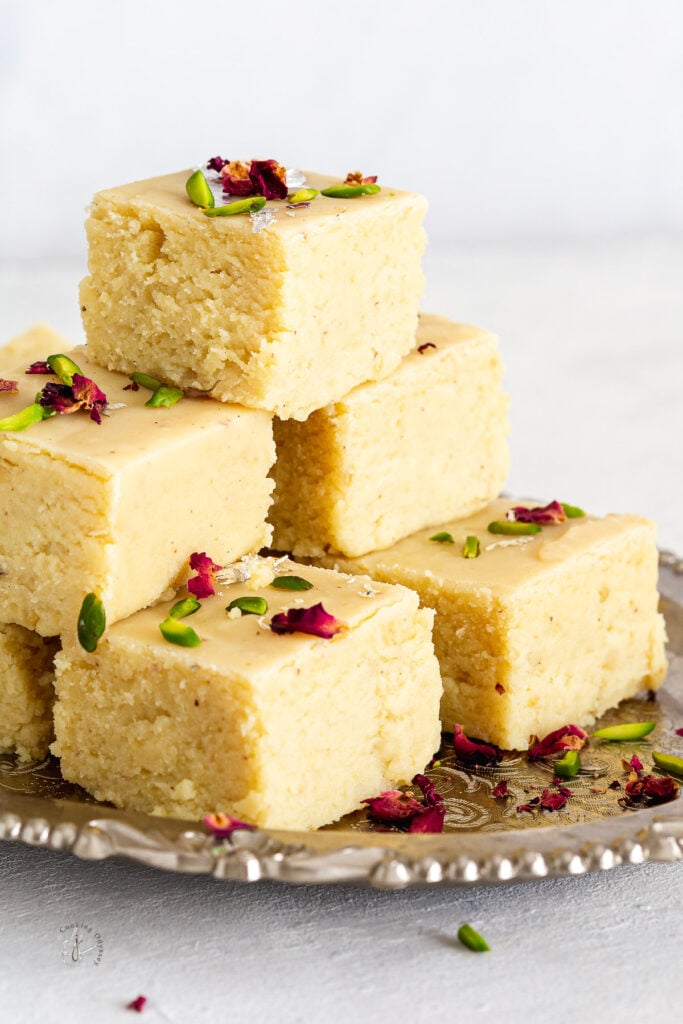
6. Barfi
Barfi is a beloved Indian fudge-like sweet that’s surprisingly simple to make at home. This dense, creamy treat comes in countless varieties, from classic milk barfi to versions with nuts, coconut, and spices.
The key to great barfi is using quality ingredients. You’ll want pure ghee, full-cream milk, and fresh cardamom powder for authentic flavor.
You can make barfi with different bases like milk powder, condensed milk, or ground nuts. Each variation offers its own unique taste and texture.

7. Gajar Halwa
Gajar Halwa is a beloved Indian dessert made from freshly grated carrots. You cook the carrots slowly in milk and sweeten them with sugar.
The dish gets its rich flavor from ghee and cardamom. This dessert is especially popular during winter months and festivals.
You can make it by simmering the ingredients until the carrots become soft and the mixture thickens. Most recipes include chopped nuts like almonds or cashews as a finishing touch.
The result is a warm, creamy pudding with a sweet taste and pleasant texture.

8. Rasmalai
Rasmalai is a classic Bengali dessert that features soft cheese discs soaked in creamy, sweetened milk. You make it by creating fresh paneer, shaping it into patties, and gently cooking them before adding them to milk flavored with cardamom and saffron.
The dessert offers a delicate balance of textures and flavors. You can prepare it from scratch or use store-bought rasgullas for a quicker version.
Rasmalai works well for festive celebrations or when you want something special. The cheese discs should be spongy and soft, while the milk base stays rich and aromatic.

9. Besan Ladoo
Besan ladoo are traditional Indian sweets made with gram flour, ghee, powdered sugar, and cardamom. You slow-roast the gram flour in ghee until it becomes golden and aromatic.
These sweet balls are popular across North India and appear at festivals and celebrations. The recipe needs just four basic ingredients.
You shape the mixture into round balls while it’s still warm. The result is a melt-in-your-mouth dessert with a rich, nutty flavor.
Many recipes add chopped nuts like pistachios or almonds for extra texture.

10. Sooji Halwa
Sooji Halwa is a quick Indian dessert you can make with just a few basic ingredients. You’ll need semolina, ghee, sugar, and milk to create this warm pudding.
The dish comes together in about 20 minutes, which makes it great for last-minute celebrations. You toast the semolina in ghee until it smells good, then add sugar and milk.
Many people add cardamom powder and nuts like cashews for extra flavor. You can serve it hot or cold.
Signature Ingredients in Indian Dessert Recipes
Indian desserts rely on a few core ingredients that give them their rich flavors and creamy textures. Milk products, aromatic spices, and traditional sweeteners work together to create these classic treats.
Milk and Dairy Products
Milk forms the foundation of most Indian desserts. You’ll find it used in two main ways: as a base liquid or reduced down to create thicker, richer textures.
Khoya (also called mawa) is milk that’s been cooked down until almost all the water evaporates. You can use it to make gulab jamun, barfi, and many other sweets.
It gives desserts a dense, fudge-like texture. Paneer and ricotta cheese work well in quick Indian dessert recipes.
These soft cheeses add creaminess without the long cooking time that traditional khoya requires. Condensed milk saves time when you’re making Indian sweets at home.
It’s already thick and sweet, so you can skip the step of reducing regular milk for hours. Many modern recipes use it as a shortcut ingredient.
Ghee (clarified butter) adds a nutty richness that regular butter can’t match. It’s essential for frying treats and adds flavor to milk-based desserts.
Spices and Flavorings
Cardamom is the most important spice in Indian desserts. You’ll use it in nearly every traditional sweet recipe.
It has a warm, slightly sweet flavor that pairs perfectly with milk and sugar. Saffron adds a golden color and delicate floral taste to premium desserts.
Just a few threads can transform kheer or barfi into something special. You need to soak it in warm milk before adding it to your recipe.
Rose water gives desserts a light, fragrant quality. It’s common in gulab jamun and certain types of barfi.
Use it carefully since too much can make desserts taste soapy. Other spices you might need include nutmeg, cinnamon, and sometimes a pinch of black pepper for depth.
Sweeteners Used
White sugar is the standard sweetener in most Indian dessert recipes. You’ll often cook it with water to make a syrup that soaks into fried treats like jalebi and gulab jamun.
Jaggery (gur) is unrefined cane sugar with a deep, caramel-like flavor. It’s traditional in many regional desserts and adds a more complex sweetness than white sugar.
You can find it in blocks or powder form. Honey appears less often but works well in certain recipes.
Some cooks use it in place of sugar syrup for a different flavor profile. The key is getting the right consistency when you make sugar syrup.
One-string consistency means the syrup forms a single thread when you touch it between your thumb and finger.
Cultural Importance of Indian Sweets
Indian sweets serve as symbols of joy and prosperity in daily life and special occasions. They connect generations through shared recipes and mark important moments with specific traditional treats.
Festivals and Celebrations
You’ll find that Indian sweets are central to religious and cultural celebrations throughout the year. During Diwali, families exchange boxes of ladoos and barfi as symbols of good fortune and love.
Modaks hold special significance during Ganesh Chaturthi as they’re considered Lord Ganesha’s favorite sweet. Wedding ceremonies feature kheer and gulab jamun as essential offerings to guests, representing the sweetness of new beginnings.
Holi celebrations include gujiya, a crescent-shaped pastry filled with sweetened khoya and nuts.
Common Festival Sweets:
- Diwali – Ladoos, barfi, jalebi
- Ganesh Chaturthi – Modak
- Holi – Gujiya
- Raksha Bandhan – Kaju katli
- Eid – Sheer khurma, seviyan
You offer sweets to guests as a sign of hospitality and respect. This practice extends beyond festivals into everyday life when welcoming visitors to your home.
Regional Traditions
Each region of India has developed its own signature sweets based on local ingredients and cultural influences. Bengali cuisine features rasgulla and sandesh made from chhena (cottage cheese).
Maharashtra is known for puran poli and shrikhand. South Indian states favor rice-based desserts like payasam and ada pradhaman made with coconut milk.
Gujarat specializes in mohanthal and basundi, often incorporating saffron and cardamom. North Indian regions create rich milk-based sweets like rasmalai and kulfi.
Your family recipes often reflect your ancestral region’s techniques and flavor preferences. These recipes pass down through generations, preserving cultural identity and cooking methods specific to your heritage.
Frequently Asked Questions
Indian desserts range from simple rice puddings that take minutes to prepare to elaborate sweets perfect for special occasions. Common ingredients like milk, cardamom, sugar, and nuts form the base of many traditional recipes.
What are some quick and easy Indian dessert recipes to prepare in 5 minutes?
You can make instant versions of classic sweets using shortcuts and modern ingredients. Condensed milk helps you create fast kheer by simply warming it with pre-cooked rice and cardamom.
Instant halwa comes together quickly when you use cream of wheat instead of traditional ingredients. Store-bought ricotta cheese mixed with sugar and cardamom makes a quick substitute for homemade paneer-based sweets.
You can also prepare no-cook desserts like shrikhand by mixing yogurt with sugar and saffron.
Which desserts are perfect for hosting a dinner party featuring Indian cuisine?
Gulab jamun works well for dinner parties because you can make it ahead and serve it warm or at room temperature. The soft, syrup-soaked balls look impressive and please most guests.
Rasgulla offers a lighter option that balances rich Indian meals. Kaju katli presents beautifully on a dessert table and doesn’t require reheating.
Motichoor ladoo provides individual portions that guests can easily pick up and enjoy. These sweets hold up well at room temperature throughout your event.
What is the best dessert to accompany a traditional Indian meal?
Kheer pairs naturally with Indian meals because its creamy, cooling texture balances spicy main dishes. The rice pudding sits lightly in your stomach after a full meal.
Its mild sweetness cleanses your palate without overwhelming it. You can serve kheer warm in winter or chilled during summer months.
The dessert uses simple ingredients like rice, milk, sugar, and cardamom that complement traditional Indian flavors.
Could you list some of the most popular Indian sweets?
The most popular Indian sweets include gulab jamun, rasgulla, kheer, motichoor ladoo, and kaju katli. Each sweet represents different regions and cooking techniques across India.
Gulab jamun features fried milk solids soaked in rose-scented syrup. Rasgulla consists of soft cheese balls in light sugar syrup.
Kheer is a creamy rice pudding flavored with cardamom and nuts. Motichoor ladoo contains tiny fried chickpea flour balls bound together with sugar syrup.
Kaju katli is a diamond-shaped fudge made from ground cashews and sugar.
Which Indian sweet is considered the ‘queen’ for its popularity and taste?
People often call gulab jamun the queen among Indian sweets for its widespread popularity. You’ll find this dessert at nearly every celebration, wedding, and festival across India.
The soft texture and sweet syrup create a rich taste that appeals to most people. Gulab jamun’s popularity extends beyond India to other South Asian countries and diaspora communities worldwide.
What are some of the top ranked desserts from India to try?
You should try gulab jamun for its classic syrup-soaked richness. Rasgulla offers a lighter, spongy texture in sweet syrup.
Kheer provides comfort through its creamy rice pudding base. Motichoor ladoo delivers a unique texture from tiny fried balls pressed into round shapes.
Kaju katli gives you a smooth, fudge-like experience with pure cashew flavor.