
Indian cooking brings together bold spices, rich flavors, and comforting dishes that you can make in your own kitchen. You don’t need complicated techniques or hard-to-find ingredients to create authentic Indian meals at home.
These recipes cover popular favorites that range from creamy curries to aromatic rice dishes. This collection includes both meat and vegetarian options that work well for weeknight dinners or special occasions.
You’ll learn the basics of Indian cooking along with specific recipes that have become favorites around the world. The guide also covers key ingredients and cooking methods to help you build confidence in preparing these dishes.
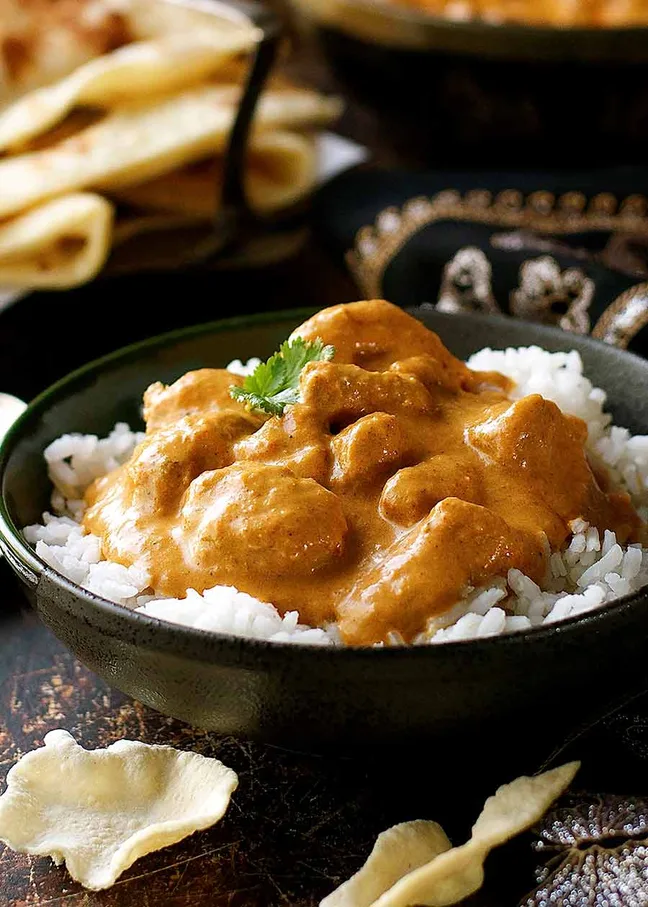
1. Butter Chicken
Butter chicken is one of India’s most beloved dishes. It features tender chicken pieces in a creamy tomato sauce flavored with warm spices like garam masala, cumin, and cinnamon.
A chef in Delhi created this dish by making a mild, buttery tomato curry using leftover tandoori chicken. The result became famous worldwide.
You can make butter chicken at home in about 30 minutes. The sauce combines tomatoes, cream, and butter with garlic and ginger for rich flavor.
It’s perfect served over rice or with naan bread.

2. Saag Paneer
Saag Paneer brings together soft paneer cheese and creamy spinach sauce for a classic vegetarian dish. You’ll enjoy the mild Indian cheese cubes mixed with cooked greens, spices, ginger, and garlic.
The dish works perfectly with naan or basmati rice. You can make it on your stovetop or in an Instant Pot in about 40 minutes.
Saag Paneer provides good protein and plenty of leafy greens in one meal. The spices include cumin and garam masala, which add flavor without overwhelming heat.

3. Chana Masala
Chana masala is a North Indian chickpea curry that’s simple to make at home. You cook chickpeas in a spiced tomato and onion sauce with ginger and green chiles.
The dish comes from Punjab and is popular across India. You can make it in about 30 minutes on your stovetop.
Serve your chana masala with naan, rice, or other Indian flatbreads. It’s naturally vegan and gluten-free.

4. Aloo Gobi
Aloo Gobi is a classic Indian dish that combines potatoes and cauliflower with aromatic spices. The name comes from the Hindi words for potato (aloo) and cauliflower (gobi).
You can make this vegetarian dish in about 20-30 minutes using simple ingredients. It works as either a main course or side dish.
The recipe is naturally vegan and gluten-free. You’ll cook the vegetables with spices like turmeric, cumin, and ginger until tender.
Serve your Aloo Gobi with rice, naan, or roti.

5. Tandoori Chicken
Tandoori chicken brings the bold flavors of Indian cuisine right to your kitchen. You marinate chicken pieces in yogurt mixed with spices like cumin, coriander, and garam masala.
The yogurt makes the meat tender and juicy. You can bake this dish in your regular oven or grill it outdoors.
The chicken gets a nice charred exterior while staying moist inside. Serve your tandoori chicken with naan bread, rice, and a cool yogurt sauce.
Fresh cilantro and lime wedges make good garnishes.

6. Lamb Rogan Josh
Lamb Rogan Josh is a classic curry from Kashmir that brings bold flavors to your table. The dish features tender lamb cooked slowly in a yogurt-based sauce with aromatic spices.
You’ll recognize this curry by its deep red color and rich taste. The lamb becomes incredibly tender as it simmers with caramelized onions, tomatoes, and spices.
You can serve it with basmati rice or naan bread.

7. Palak Paneer
Palak paneer combines soft cubes of Indian cottage cheese with smooth spinach gravy. This North Indian dish gets its bright green color from fresh spinach and tastes lighter than many curry recipes.
You can make it at home in about 40 minutes. The dish pairs well with naan, roti, or rice.
The spinach sauce includes spices like cumin and ginger for flavor. You can control the amount of cream and butter to keep it as light or rich as you prefer.

8. Masoor Dal
Masoor dal uses split red lentils, a pantry staple you can cook in under 30 minutes. Simmer lentils with onions, tomatoes, and spices like cumin and garam masala.
This dish is high in protein and folate. You can prepare it on the stovetop, in a pressure cooker, or using an Instant Pot.
Serve your masoor dal with rice or Indian flatbreads.
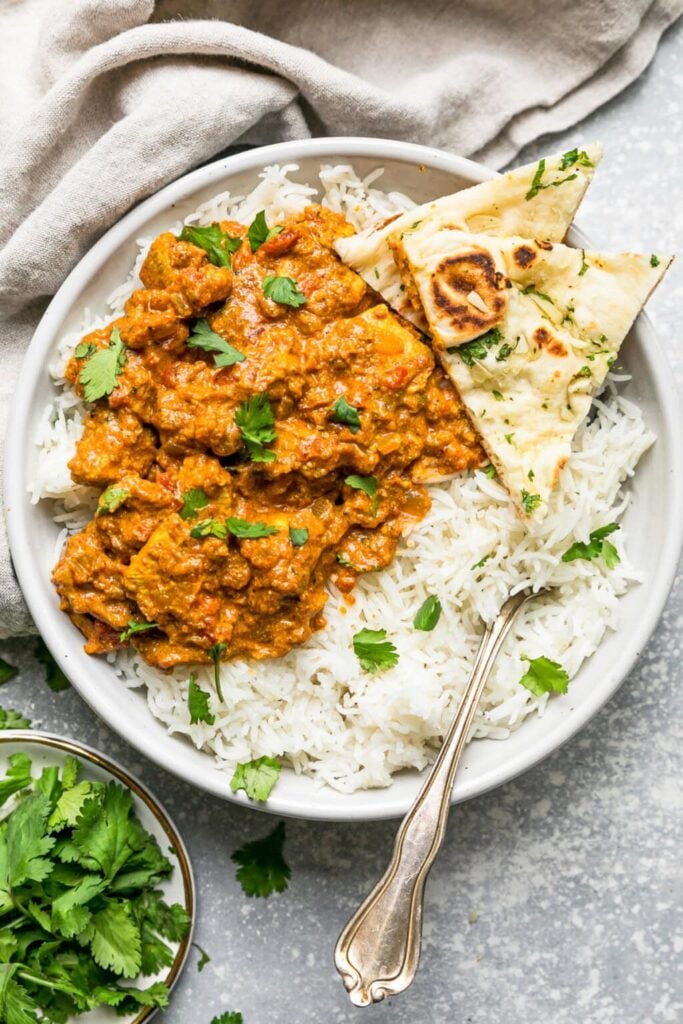
9. Chicken Tikka Masala
Chicken tikka masala brings together tender marinated chicken and a creamy tomato sauce. You’ll marinate the chicken in yogurt and spices before cooking it until lightly charred.
The sauce combines tomatoes, cream, and warm spices like garam masala. You can make this dish on your stovetop in about an hour.
Serve it with rice or naan bread for a complete meal.

10. Vegetable Biryani
Vegetable biryani is a layered rice dish that brings together basmati rice, mixed vegetables, and aromatic spices. You’ll find cauliflower, peas, carrots, and potatoes in most versions.
You can make it in one pot for simplicity, or use the traditional dum phukt method where ingredients are layered and slow-cooked together. The recipe calls for biryani masala, saffron, fried onions, and fresh mint.
These ingredients create the dish’s signature fragrance and flavor.
Essential Ingredients in Indian Cuisine
Building authentic Indian flavors starts with three key elements: the right spices to create depth, fresh aromatics that form your flavor base, and quality grains and lentils that anchor most dishes.
Common Spices and Their Uses
Turmeric gives Indian dishes their golden color and earthy flavor. You’ll use it in nearly every curry and rice dish.
Add just a half teaspoon to start, as too much makes food bitter. Cumin comes in two forms you need: seeds and ground powder.
Toast whole cumin seeds in oil at the start of cooking to release nutty, warm flavors. Use ground cumin when you want even distribution throughout a dish.
Coriander works as both seeds and powder. The seeds taste citrusy and slightly sweet when toasted.
Ground coriander balances heat in spice blends. Garam masala is a spice blend you add at the end of cooking.
It typically contains cinnamon, cardamom, cloves, and black pepper. Each brand tastes different, so find one you like.
Red chili powder controls heat levels in your food. Start with small amounts and add more as needed.
Kashmiri chili powder gives vibrant red color with mild heat.
Staple Herbs and Flavor Bases
Fresh ginger and garlic form the foundation of most Indian recipes. You’ll use them together as a paste or finely minced.
Buy firm, unwrinkled ginger root and plump garlic bulbs. Onions need slow cooking until golden brown for proper depth.
This step takes 10-15 minutes but builds essential sweetness and body in curries. Ghee is clarified butter that tolerates high heat without burning.
It adds rich, nutty taste that regular butter can’t match. You can substitute vegetable oil, but ghee creates more authentic flavor.
Fresh cilantro goes on top of finished dishes. Use both the leaves and tender stems.
The roots work well in curry pastes. Curry leaves release a distinct aroma when heated in oil.
You can’t substitute dried bay leaves, as the flavor differs completely.
Choosing Quality Lentils and Grains
Basmati rice is the standard choice for Indian meals. Look for aged basmati, which cooks up fluffy with separated grains.
Rinse it thoroughly before cooking to remove excess starch. Red lentils (masoor dal) cook quickly in 15-20 minutes and break down into creamy texture.
They need no soaking. Yellow split peas (chana dal) hold their shape better and take 30-40 minutes to cook.
Soak them for an hour to reduce cooking time. Black lentils (urad dal) create rich, creamy dishes when cooked slowly.
Whole black lentils need several hours of simmering. Check your lentils for small stones before cooking.
Store them in airtight containers away from moisture. Fresh lentils cook faster than old ones, so buy from stores with good turnover.
Cooking Techniques for Authentic Indian Dishes
Two fundamental techniques shape the flavor and aroma of Indian cooking: the art of tempering spices in hot oil and the use of traditional cookware perfected over centuries.
Mastering Tadka and Tempering
Tadka, also called tempering, involves heating whole spices in oil or ghee until they release their essential oils and aromas. You add spices like cumin seeds, mustard seeds, or curry leaves to hot fat and listen for the sizzle and pop that signals they’re ready.
The timing matters greatly. Heat your oil or ghee until it shimmers, then add hardy whole spices first.
They should crackle within seconds. If they burn, your oil is too hot.
You can add tadka at two different points in cooking. Some recipes call for it at the beginning to build a flavor base.
Others require it at the end, poured over the finished dish to add a final layer of aroma.
Common tempering spices include:
- Cumin seeds
- Mustard seeds
- Curry leaves
- Dried red chilies
- Asafoetida (hing)
- Fenugreek seeds
Each spice blooms at different temperatures, so you may need to add them in stages rather than all at once.
Traditional Cooking Tools and Utensils
Indian cooking relies on specific tools designed for particular techniques. A kadai (wok-like pan) features high sides and a rounded bottom that distributes heat evenly for stir-frying and deep-frying.
The tawa is a flat griddle perfect for making flatbreads like roti and paratha. Its smooth surface creates the slight char that gives these breads their authentic taste.
A heavy-bottomed pot or handi works best for slow-cooking curries and stews. The thick base prevents burning while the narrow top reduces evaporation.
Many cooks prefer clay pots because they add an earthy flavor and retain heat well. You don’t need every traditional tool to start.
A good heavy-bottomed pan, a flat griddle, and a mortar and pestle for grinding spices will handle most recipes. Cast iron skillets work as excellent substitutes for kadais.
Frequently Asked Questions
Indian cooking relies on key spices like cumin, turmeric, and garam masala to build complex flavors. Success comes from understanding how to balance these seasonings, prepare staple breads and rice, and work with vegetarian ingredients that form the backbone of many regional dishes.
What are some classic spices and ingredients commonly used in authentic Indian cuisine?
Turmeric, cumin, coriander, and garam masala form the foundation of most Indian dishes. You’ll also need red chili powder for heat and mustard seeds for tempering.
These six spices will let you cook many traditional recipes. Whole spices like cardamom, cinnamon sticks, and cloves add depth to curries and rice dishes.
You should also keep fresh ginger, garlic, and onions on hand. Tomatoes and yogurt create the base for sauces in dishes like butter chicken.
How can one properly balance flavors in a traditional Indian curry?
Start with your base spices and build layers gradually. You need to balance four main elements: salt, heat, acid, and sweetness.
Taste as you cook and adjust each element until they work together. If your curry tastes too spicy, add yogurt or cream to mellow the heat.
Lemon juice or tomatoes provide acidity when flavors feel flat. A pinch of sugar can round out sharp or bitter notes.
Let your curry simmer after adding spices so the flavors blend properly. This cooking time helps raw spice tastes disappear and creates a unified sauce.
Can you provide a step-by-step guide for preparing homemade naan bread?
Mix 2 cups of flour with 1 teaspoon of sugar, salt, and baking powder in a large bowl. Add 3/4 cup of warm milk and 2 tablespoons of yogurt.
Knead the dough for 8-10 minutes until it becomes smooth and elastic. Cover the dough with a damp cloth and let it rest for 2 hours at room temperature.
Divide it into 6-8 equal portions and roll each piece into an oval shape about 1/4 inch thick. Heat a cast iron skillet or griddle over high heat.
Place the naan on the hot surface and cook for 2 minutes until bubbles form. Flip and cook the other side for another 1-2 minutes until dark spots appear.
Brush the finished naan with melted butter or ghee. You can also add minced garlic to the butter for garlic naan.
What are the essential techniques to master for cooking perfect basmati rice?
Rinse your basmati rice in cold water 3-4 times until the water runs clear. This removes excess starch that makes rice sticky.
Soak the rice in water for 20-30 minutes before cooking. Use a 1:1.5 ratio of rice to water for fluffy results.
Bring the water to a boil, add the drained rice, and reduce heat to low. Cover the pot with a tight lid and cook for 15 minutes without lifting the lid.
Turn off the heat and let the rice rest covered for 5 minutes. Fluff with a fork before serving.
What vegetarian dishes are staples in Indian cooking and how can they be made at home?
Chana masala uses chickpeas cooked in a spiced tomato sauce with cumin, coriander, and garam masala. Simmer canned or dried chickpeas with onions, tomatoes, and spices until the sauce thickens.
Saag paneer combines leafy greens with fresh cheese cubes in a creamy curry. Blend cooked spinach with aromatics and spices, then add fried paneer cubes.
Aloo gobi features potatoes and cauliflower dry-roasted with turmeric, cumin, and other spices. Cook the vegetables without adding water or sauce.
How does regional diversity influence the variety of dishes in Indian food?
Northern India favors rich, creamy curries made with dairy products like butter chicken and paneer dishes. The cuisine uses tandoor ovens for bread and meats.
Wheat-based flatbreads like naan and roti are more common than rice.
Southern Indian cooking relies on rice, coconut, and tamarind for its signature flavors. The region produces lighter, soup-like curries called sambars.
You’ll find more vegetarian options and dishes with intense spice heat.
Coastal regions incorporate seafood and use kokum or tamarind for sour notes.
Western states like Gujarat prefer sweeter flavors in their curries.
Eastern India uses mustard oil and includes more fish-based recipes in their everyday cooking.