
Vietnamese desserts bring together sweet, savory, and sometimes salty flavors in ways that make them different from Western sweets. These treats use fresh tropical ingredients like coconut, banana, pandan, and mung beans.
You’ll find everything from steamed cakes to puddings to sweet soups in this category of Vietnamese cooking. The desserts range from colorful layered drinks to soft rice cakes wrapped in banana leaves.
Each recipe shows how Vietnamese cooking values fresh local ingredients and careful preparation methods that families have passed down through generations.
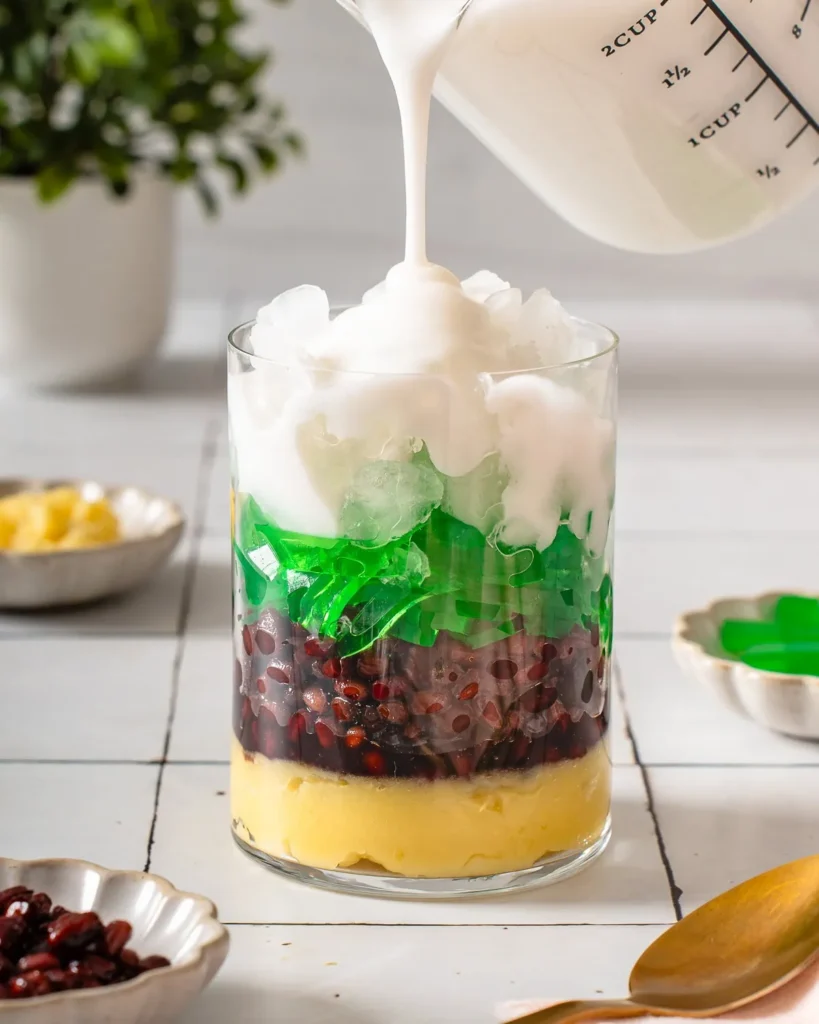
1. Chè Ba Màu (Three-Color Dessert)
Chè Ba Màu stands out as one of Vietnam’s most popular cold desserts. The name means “three colors,” which describes the colorful layers you’ll see in each bowl.
You’ll find sweet red beans, yellow mung beans, and green pandan jelly stacked together. Crushed ice fills the glass, and creamy coconut milk goes on top.
Each layer brings its own taste and texture. The beans are soft and sweet, while the pandan jelly adds a slightly chewy bite.
The coconut milk ties everything together with its rich, smooth flavor.
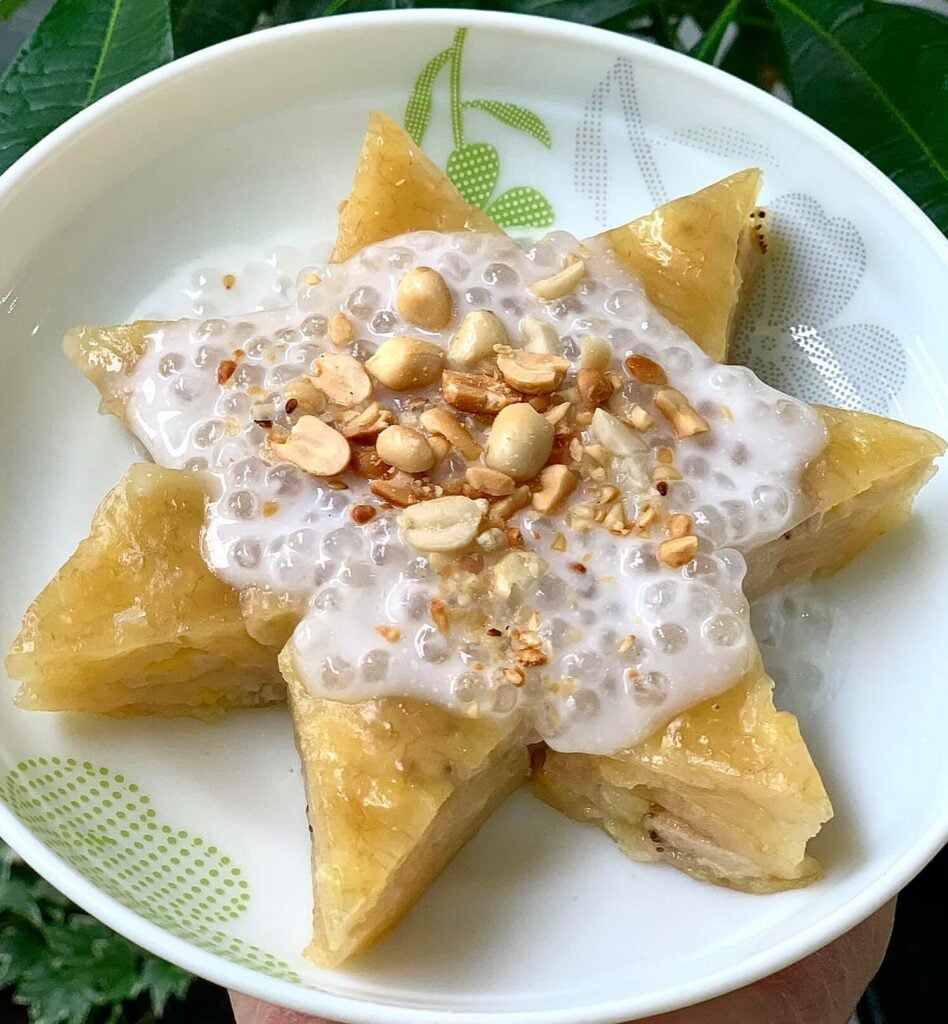
2. Bánh Chuối (Steamed Banana Cake)
Bánh Chuối Hấp is a traditional Vietnamese steamed banana cake that uses ripe bananas as its main ingredient. The cake has a soft, bouncy texture that sets it apart from Western banana bread.
You’ll find this dessert topped with a creamy coconut sauce and often sprinkled with toasted sesame seeds or crushed peanuts. It’s not too sweet, letting the natural banana flavor shine through.
This dessert is popular in Southern Vietnam, especially in the Mekong Delta region. You can find it as street food or make it at home with simple ingredients like bananas, tapioca flour, and coconut.
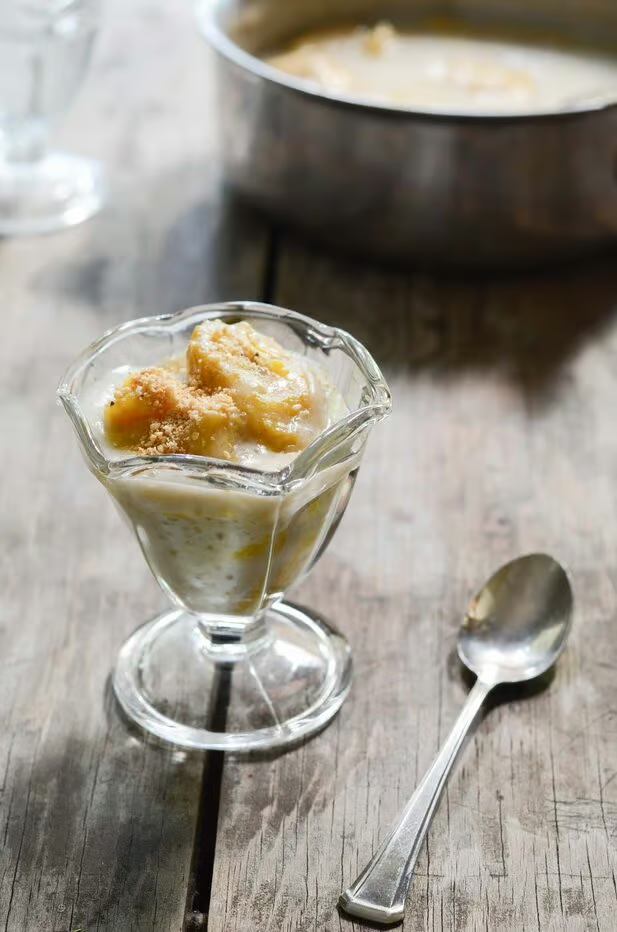
3. Chè Chuối (Banana Coconut Tapioca Dessert)
Chè chuối combines ripe bananas with chewy tapioca pearls in a sweet coconut milk broth. You can serve this dessert warm or cold depending on your preference.
Tapioca pearls add chewiness, while coconut milk makes the broth rich and creamy. Ripe bananas bring natural sweetness.
You’ll often find this dessert topped with roasted peanuts or sesame seeds for extra crunch. Some versions include pandan leaves for added fragrance.
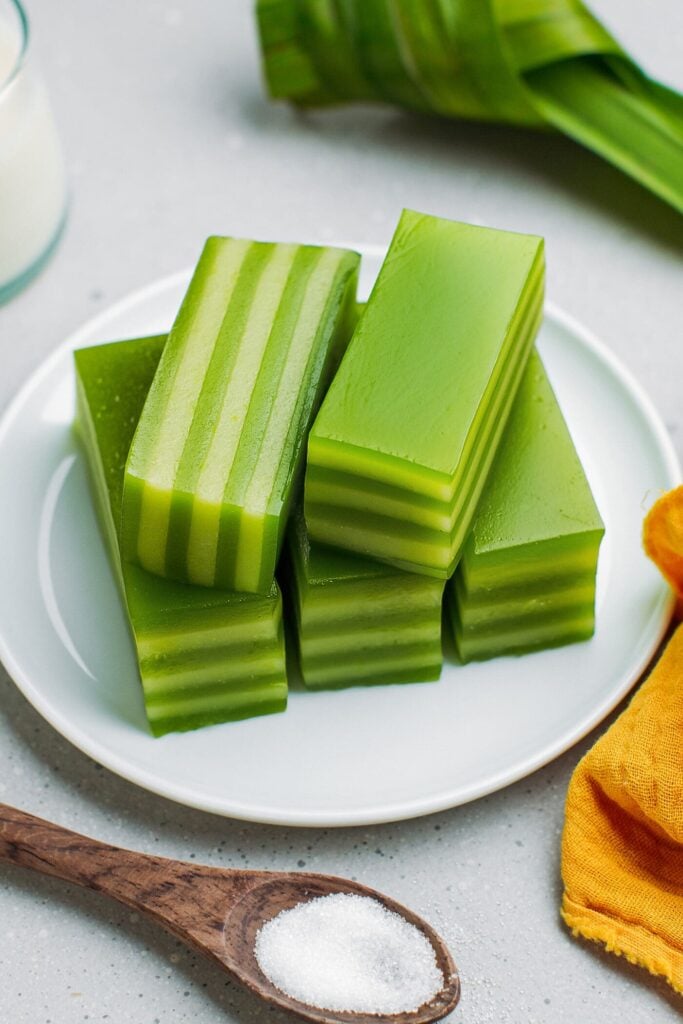
4. Bánh Da Lợn (Layered Steamed Cake)
Bánh da lợn is a steamed layer cake you’ll find in most Vietnamese bakeries. The name means “pig skin cake,” but it contains no pork.
The dessert features bright green and yellow layers that alternate throughout. The green layers get their color from pandan leaves, while the yellow layers contain mashed mung beans.
The base includes tapioca starch, rice flour, coconut milk, and sugar. This treat comes from Southern Vietnam and the Mekong Delta.
You’ll enjoy its mild sweetness and chewy texture.
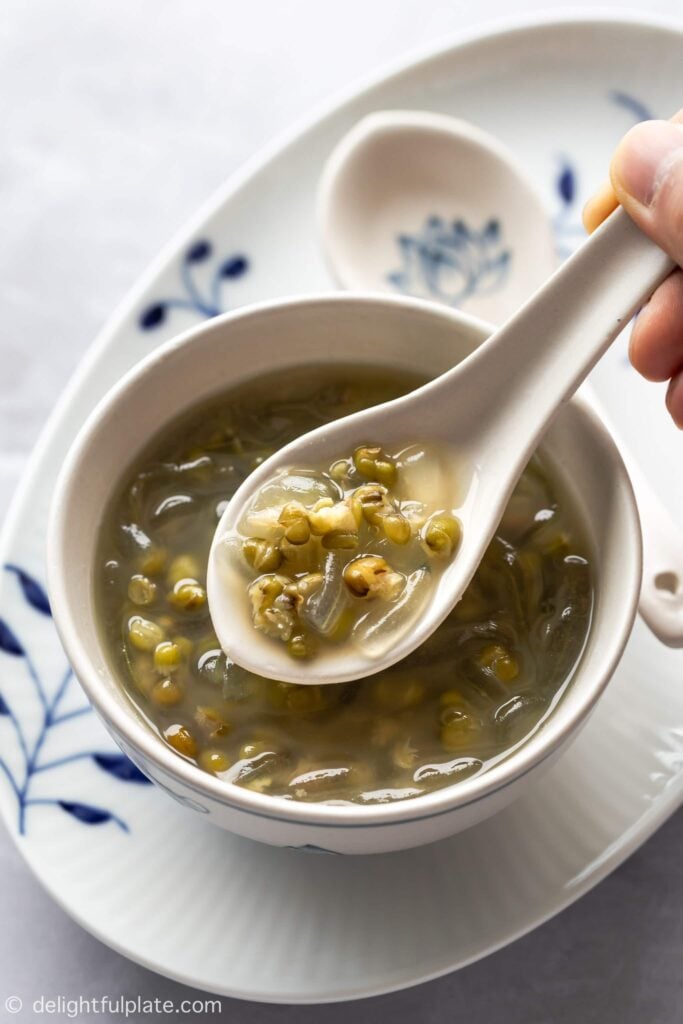
5. Chè Đậu Xanh (Mung Bean Pudding)
Chè đậu xanh is a creamy Vietnamese dessert made from mung beans and coconut milk. The name translates to “mung bean dessert” in English.
You’ll find this pudding served at family gatherings and special occasions throughout Vietnam. The texture is smooth and thick, with a gentle sweetness that doesn’t overwhelm your taste buds.
You can enjoy this dessert hot, cold, or over crushed ice depending on your preference. The mung beans are soaked, then cooked until soft and blended into a pudding-like consistency.
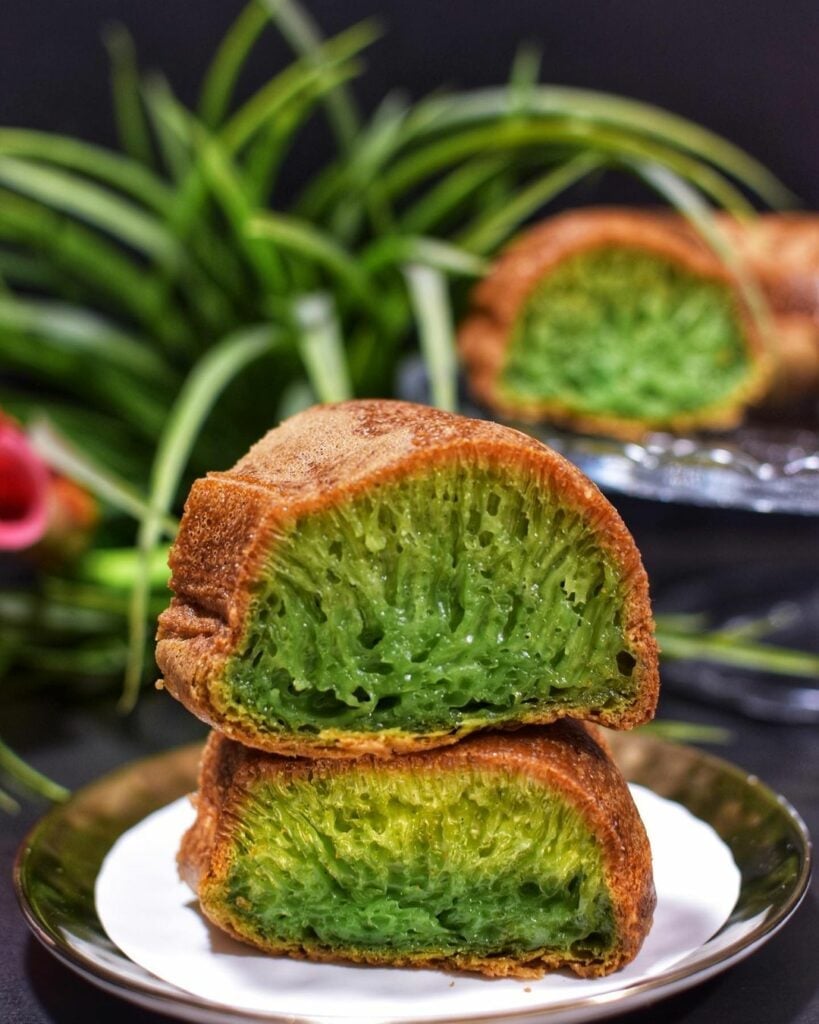
6. Bánh Bò (Vietnamese Honeycomb Cake)
Bánh Bò gets its name from the honeycomb-like holes that form inside when you slice it open. You’ll find this cake in two versions: steamed or baked.
The baked version, called Bánh Bò Nướng, has a bright green color from pandan leaves. It’s made with coconut milk, rice flour, and tapioca starch.
The texture is soft and slightly chewy. Pandan gives the cake a gentle flavor that’s hard to describe.
It tastes a bit like vanilla with hints of jasmine. You can find this popular dessert in most Vietnamese bakeries.

7. Chè Trôi Nước (Glutinous Rice Balls in Ginger Syrup)
Chè Trôi Nước is a warm Vietnamese dessert you’ll find served during Tết, the Lunar New Year celebration. The name means “dessert that floats on water” because the rice balls float when they’re done cooking.
You get chewy glutinous rice balls filled with sweet mung bean paste. They sit in a warm ginger syrup that’s topped with coconut milk and toasted sesame seeds.
The mix of textures and flavors makes this dessert stand out. You taste the soft rice, sweet filling, and spicy ginger all together.
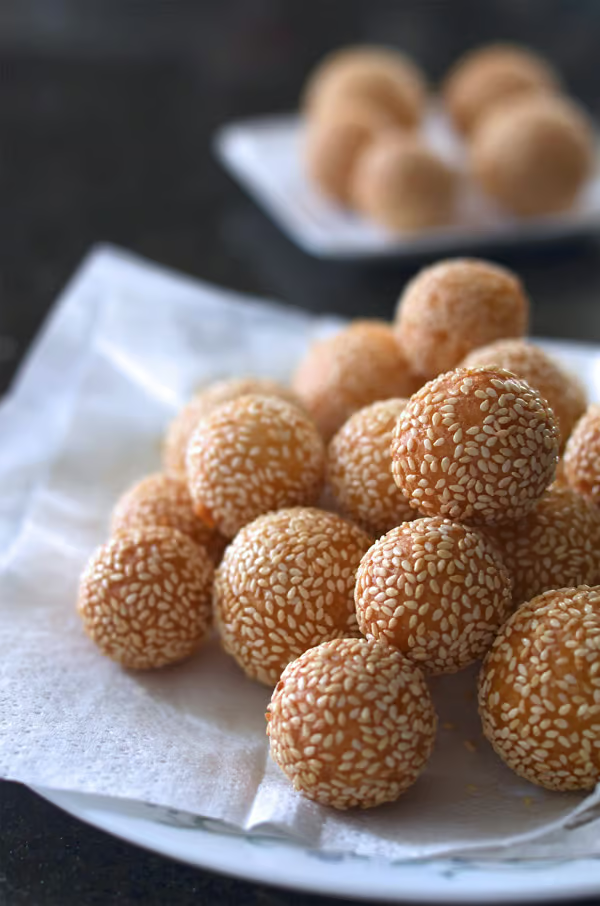
8. Bánh Cam (Sesame Balls)
Bánh Cam are crispy deep-fried balls made from glutinous rice flour and coated with sesame seeds. You’ll find them at Vietnamese bakeries and street food stalls, especially during Tết celebrations.
The outside has a golden, crunchy texture that gives way to a chewy rice flour shell. Inside, you’ll taste sweet mung bean paste mixed with coconut.
Some recipes add mashed potato to the dough for extra softness. These treats work well as a snack or breakfast item when served warm.

9. Sinh Tố Bơ (Avocado Smoothie Dessert)
Sinh Tố Bơ blurs the line between drink and dessert in the best way possible. This Vietnamese avocado smoothie tastes like a milkshake but uses simple ingredients you probably have at home.
You only need ripe avocados, sweetened condensed milk, regular milk, and ice. The result is a thick, creamy treat that takes less than five minutes to make.
Street vendors across Vietnam have sold this refreshing dessert for decades. Many top it with shredded coconut for extra texture and flavor.

10. Bánh Flan (Vietnamese Caramel Custard)
Bánh Flan is Vietnam’s take on French crème caramel. You’ll find it’s lighter than other versions because it uses whole eggs instead of just yolks.
The dessert combines eggs, milk, and sugar to create a smooth custard. A layer of golden caramel sits on top, adding sweetness to each bite.
You can make this dessert with just five basic ingredients. It’s typically steamed or baked, then chilled before serving.
The result is a creamy, delicate custard that works well after any meal.
Cultural Importance of Vietnamese Desserts
Vietnamese desserts connect families across generations and mark important moments in daily life and special occasions. These sweets tell stories about Vietnam’s history, regional diversity, and the values that communities hold dear.
Role in Family and Community Celebrations
Vietnamese desserts play a central part in bringing people together during holidays and family gatherings. You’ll find specific sweets made for particular festivals throughout the year.
During Tết (Lunar New Year), families prepare bánh chưng and sweet sticky rice cakes that represent good fortune and family unity. Weddings feature colorful dessert trays called mâm quả that symbolize prosperity and happiness for the new couple.
These trays often include candied fruits, sweet soups, and traditional cakes arranged in specific patterns. You’ll notice that making these desserts often involves multiple family members working together.
Grandmothers teach younger generations the techniques for wrapping banana leaves or mixing the right consistency of coconut milk. This hands-on sharing preserves cooking methods and strengthens family bonds.
Community celebrations also center around shared desserts. Neighbors exchange sweet treats during festivals, and temple offerings include carefully prepared desserts as signs of respect and gratitude.
Influence of Regional Ingredients
Each region of Vietnam creates desserts based on what grows locally. Southern Vietnam’s tropical climate provides abundant coconut, palm sugar, and fruits like mango and jackfruit.
You’ll find these ingredients in popular southern desserts like chè thái (mixed fruit sweet soup). The northern regions use more subtle sweeteners and incorporate ingredients like pandan leaves for natural color and fragrance.
Central Vietnam’s desserts often balance sweet and savory flavors, reflecting the area’s royal culinary history.
Key regional ingredients include:
- Coconut milk: Creates creamy bases in southern desserts
- Mung beans: Add texture and protein throughout Vietnam
- Tapioca pearls: Provide chewy elements in sweet soups
- Palm sugar: Offers deep caramel-like sweetness
These local ingredients shape not just the flavors but also the identity of each region’s dessert traditions.
Key Techniques and Ingredients
Vietnamese desserts depend on specific cooking methods and fresh ingredients that create their unique taste and texture. Steaming and simmering are the main techniques, while coconut and tropical fruits provide the base flavors.
Traditional Preparation Methods
Steaming is the most common technique in Vietnamese dessert making. You’ll use this method for sticky rice cakes, puddings, and layered desserts that need gentle, even heat.
The process preserves the natural flavors and creates soft, delicate textures. Simmering works well for dessert soups called chè.
You cook ingredients like beans, tapioca pearls, and fruits in sweetened liquid over low heat. This slow cooking method allows flavors to blend together while keeping ingredients intact.
Common cooking techniques include:
- Steaming – for cakes and puddings
- Simmering – for dessert soups
- Boiling – for tapioca and jellies
- Chilling – to set coconut-based desserts
You don’t need special equipment for most recipes. A steamer basket, regular pots, and mixing bowls will handle most preparations.
Essential Components Like Coconut and Tropical Fruits
Coconut appears in almost every Vietnamese dessert. You’ll use coconut milk for creamy textures, coconut cream for richness, and shredded coconut for garnish.
Fresh coconut water adds natural sweetness to drinks and jellies. Tropical fruits give Vietnamese desserts their bright flavors.
Bananas work in hot and cold desserts. Mango adds sweetness and color.
Jackfruit provides a unique texture and smell. Pandan leaves create green color and a vanilla-like taste.
Other key ingredients include mung beans for paste and filling, tapioca pearls for chewy texture, and sticky rice as a base. Palm sugar and cane sugar provide sweetness without overpowering other flavors.
These simple ingredients combine to create complex and satisfying desserts.
Frequently Asked Questions
Vietnamese desserts include sweet soups, steamed cakes, and puddings that use ingredients like coconut milk, mung beans, tapioca, and tropical fruits. Many of these treats can be made at home with the right recipes and ingredients.
What are the top 10 most popular Vietnamese desserts?
The most popular Vietnamese desserts include Chè Ba Màu, which features three colorful layers of sweet beans, jellies, and coconut milk. Bánh Chuối is a steamed banana cake that combines ripe bananas with coconut and tapioca flour.
Chè Chuối offers a warm coconut tapioca soup with bananas. Bánh Da Lợn is a striking layered steamed cake made with mung bean and tapioca starch.
Chè Đậu Xanh is a smooth mung bean pudding often served warm or cold. Other favorites include Bánh Flan, a Vietnamese caramel custard similar to crème caramel.
Chè Thái combines tropical fruits with coconut milk and colorful jellies. Bánh Bò is a honeycomb cake with a distinctive spongy texture.
Sương Sa Hột Lưu features pandan tapioca pearls in sweet coconut milk. Chè Bắp is a sweet corn pudding made with fresh corn kernels and coconut cream.
How can I find authentic Vietnamese desserts near me?
You can find authentic Vietnamese desserts at Vietnamese restaurants, bakeries, and specialty grocery stores in your area. Many Vietnamese restaurants serve traditional desserts like various types of chè and bánh alongside their main dishes.
Vietnamese bakeries often carry fresh steamed cakes and sweet treats made daily. Asian supermarkets typically have a dessert section with pre-made Vietnamese sweets or the ingredients you need to make them at home.
You can also search online for Vietnamese dessert shops or cafés in your city. Some areas with large Vietnamese communities have dedicated dessert shops that specialize in chè and other traditional sweets.
What are some traditional Vietnamese desserts that feature coconut milk?
Coconut milk appears in many Vietnamese desserts as a key ingredient. Chè Ba Màu uses coconut milk as the top layer that ties together the colorful beans and jellies below.
Chè Chuối combines coconut milk with tapioca pearls and bananas for a warm, comforting dessert. Chè Đậu Xanh often includes coconut milk mixed with mung bean paste for added richness.
Bánh Chuối incorporates coconut milk into the batter before steaming. Other coconut milk desserts include Chè Bắp, where coconut cream balances the sweet corn.
Sương Sa Hột Lưu serves pandan tapioca pearls floating in sweet coconut milk. Chè Thái mixes coconut milk with tropical fruits and jellies for a refreshing treat.
Can you provide some easy-to-follow Vietnamese dessert recipes?
Chè Đậu Xanh is one of the easiest Vietnamese desserts to make at home. You need split mung beans, sugar, water, and coconut milk.
Soak the beans for a few hours, then cook them until soft and blend with sugar and coconut milk. Bánh Chuối requires ripe bananas, tapioca starch, coconut milk, and sugar.
Mix all ingredients together, pour into a steaming pan, and steam for about 30 minutes until set. Chè Chuối needs bananas, tapioca pearls, coconut milk, sugar, and water.
Cook the tapioca pearls until translucent, add sliced bananas and coconut milk, then sweeten to taste. This dessert takes about 20 minutes from start to finish.
What ingredients are typically used in making bánh xu xê?
Bánh xu xê uses mung bean paste as its main filling ingredient. The outer shell consists of glutinous rice flour mixed with regular rice flour and water to create a soft dough.
You also need pandan leaves to create the green color and add a subtle fragrance. Coconut milk and sugar sweeten both the filling and the dough.
Some recipes include a small amount of salt to balance the sweetness. Soak, steam, and mash the mung beans before mixing with coconut and sugar.
Shape the dough around the filling and then steam until cooked through.
Where can I buy traditional Vietnamese sweets?
Vietnamese grocery stores and Asian supermarkets stock traditional Vietnamese sweets in their refrigerated and frozen sections. You can find pre-made chè in plastic containers, packaged steamed cakes, and frozen desserts.
Vietnamese bakeries make fresh desserts daily and offer the best quality for items like Bánh Da Lợn and Bánh Bò. Many bakeries also take special orders for larger quantities or specific desserts.
Online retailers sell Vietnamese dessert ingredients and some ready-made treats that ship nationwide. You can order specialty items like pandan extract, mung bean paste, and tapioca pearls through these sites.
Some Vietnamese restaurants sell their desserts for takeout if you want to try them before making your own.