
Persimmons are sweet, versatile fruits that shine during fall and winter months. These orange fruits work well in both sweet and savory dishes, from breakfast to dinner.
You’ll find options for both Fuyu and Hachiya varieties, along with tips for choosing and preparing persimmons. Whether you want to bake muffins, create appetizers, or try something new like persimmon risotto, these recipes offer simple ways to enjoy this underrated fruit.
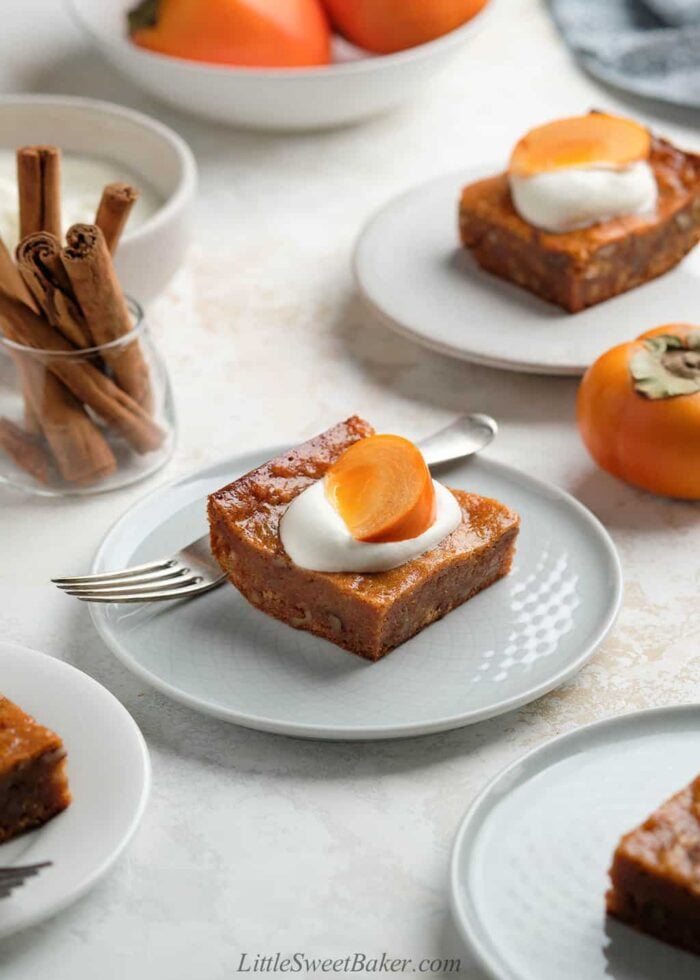
1. Hachiya Persimmon Pudding
Hachiya persimmon pudding is a classic fall dessert. You need very soft, almost translucent Hachiya persimmons for the best results.
The pudding has a cake-like texture. Blend persimmon pulp with eggs, sugar, flour, and warm spices like cinnamon and nutmeg.
Bake it in a buttered pan at 325 degrees. The finished pudding is sweet and moist with a rich persimmon flavor.
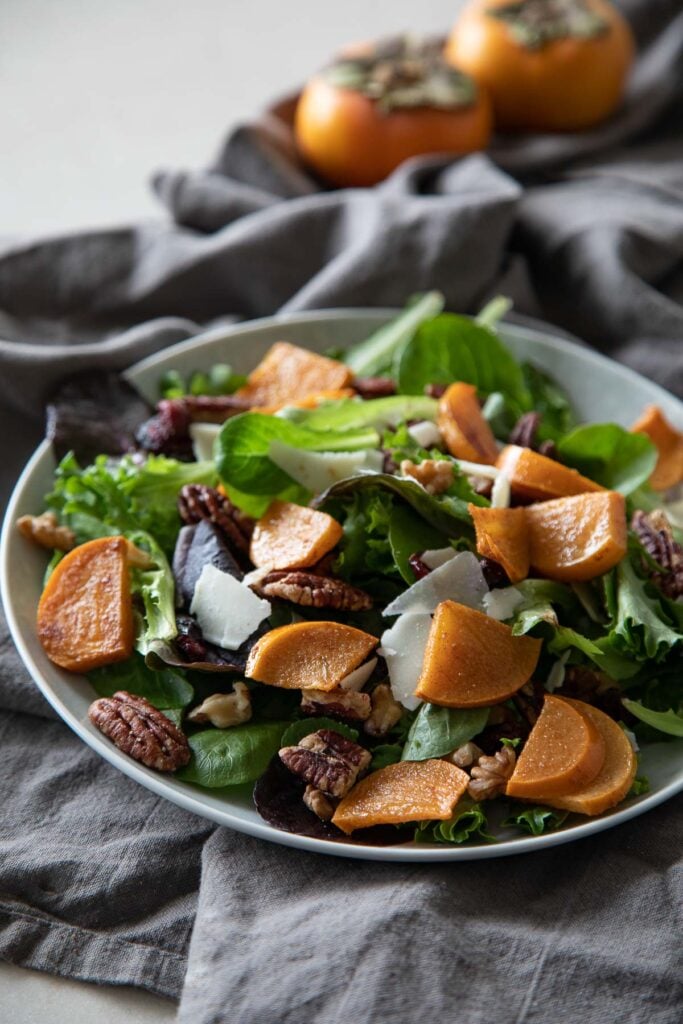
2. Fuyu Persimmon Salad with Walnuts
This colorful salad combines sweet Fuyu persimmons with crunchy walnuts. You need the small, crisp Fuyu variety that you can eat raw.
Cut your persimmons into wedges or cubes. Toast the walnuts to bring out their nutty flavor.
Mix the persimmons with leafy greens like arugula or spinach. Add the toasted walnuts on top.
You can make a simple dressing with walnut oil and vinegar. Some recipes add pomegranate seeds for extra color and sweetness.
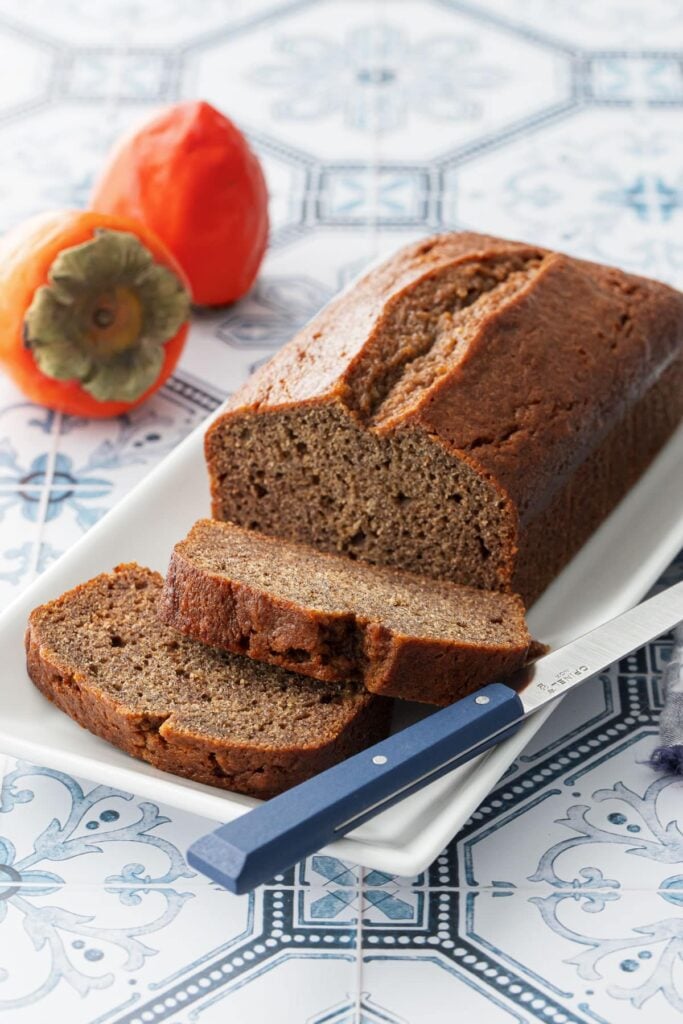
3. Persimmon Bread with Cinnamon
This classic persimmon bread combines sweet persimmons with warm cinnamon spice. The result is a moist, flavorful loaf perfect for fall baking.
You can use either Fuyu or Hachiya persimmons for this recipe. Make sure your persimmons are very ripe for the best flavor and texture.
The cinnamon adds a cozy warmth that pairs beautifully with the fruit’s natural sweetness. You’ll get a tender crumb that’s ideal for breakfast or afternoon snacks.
This bread keeps well and makes excellent gifts during persimmon season.
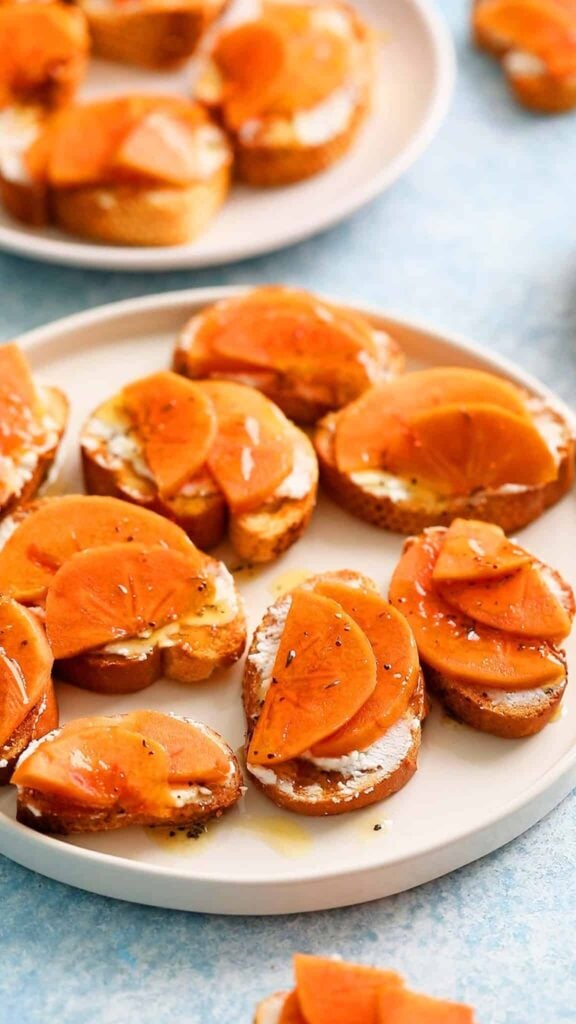
4. Persimmon and Goat Cheese Crostini
This appetizer combines sweet persimmons with tangy goat cheese on toasted bread. You can make it quickly for parties or gatherings.
Start with sliced baguette bread and toast until golden. Spread goat cheese on each piece while warm.
Top with thin persimmon slices. Drizzle honey over the crostini for extra sweetness.
Add fresh thyme leaves and a light sprinkle of black pepper. Some recipes include chopped walnuts or pomegranate seeds for crunch.
Serve immediately while the bread is still crispy.

5. Persimmon Muffins with Streusel Topping
These muffins combine sweet persimmons with a buttery streusel for perfect fall flavor. The persimmon pulp makes them incredibly moist and fluffy.
You need about three persimmons to make one batch. Ripe persimmons add natural sweetness and earthy spice notes.
The streusel topping adds wonderful texture. Mix flour, sugar, and butter until it forms coarse crumbs.
These muffins work great for breakfast or afternoon snacks. They’re ready in about 40 minutes and perfect for meal prep.

6. Persimmon and Arugula Salad
This salad combines sweet persimmons with peppery arugula greens. The mix creates a perfect balance of flavors.
You can add extras like feta cheese, pomegranate seeds, or toasted nuts. These ingredients give the salad more texture and taste.
A simple vinaigrette works best as dressing. Try lemon juice with olive oil or a maple mustard mix.
This salad works great for fall and winter meals. You can serve it as a side dish for holiday dinners.
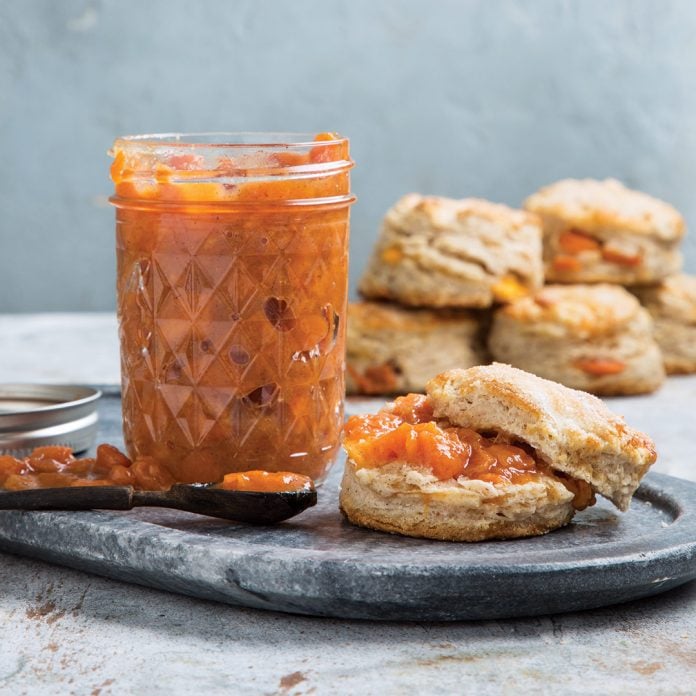
7. Spiced Persimmon Jam
This warm jam combines sweet persimmons with cozy spices like cinnamon and cloves. You need ripe persimmon pulp, sugar, and your favorite spices.The jam takes about 30 minutes to make. Cook the persimmons with sugar and spices until thick.
You can spread this jam on toast or biscuits. It also works well as a filling for cakes and pastries.
The natural sweetness of persimmons means you need less sugar than other jams.
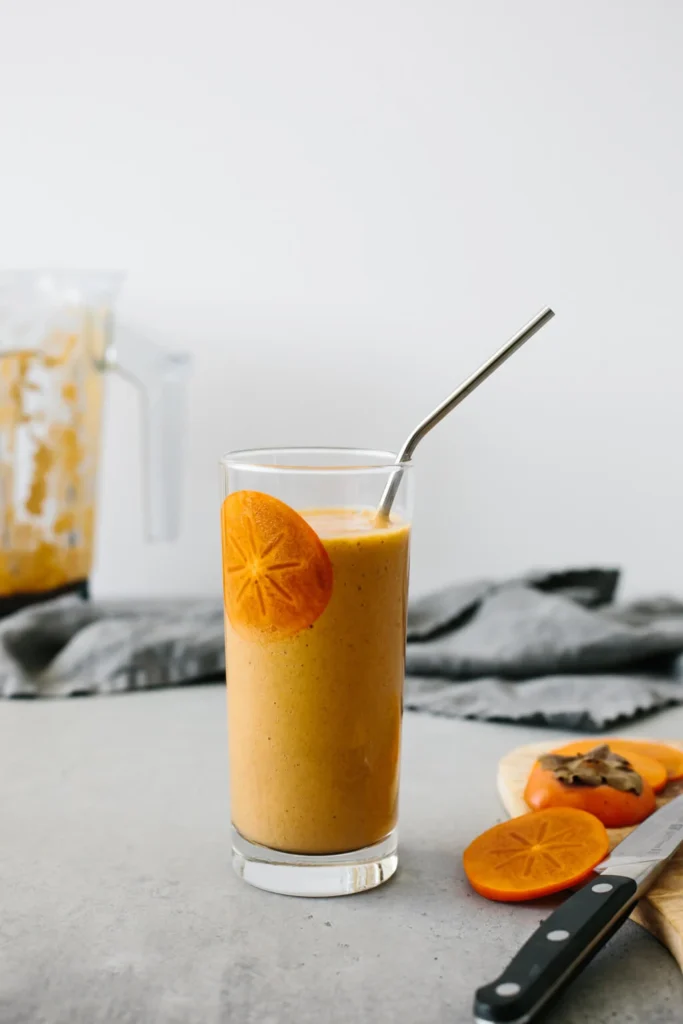
8. Persimmon and Ginger Smoothie
You can make this healthy smoothie with just two main ingredients. Fresh ginger and ripe persimmons create a perfect fall drink.
The ginger adds a warm spice that pairs well with sweet persimmons. Blend these ingredients in just five minutes.
Use soft, ripe persimmons for the best flavor. Add banana or coconut milk if you want extra creaminess.
This smoothie works great as a breakfast or healthy snack. The anti-inflammatory benefits from ginger make it even better for you.
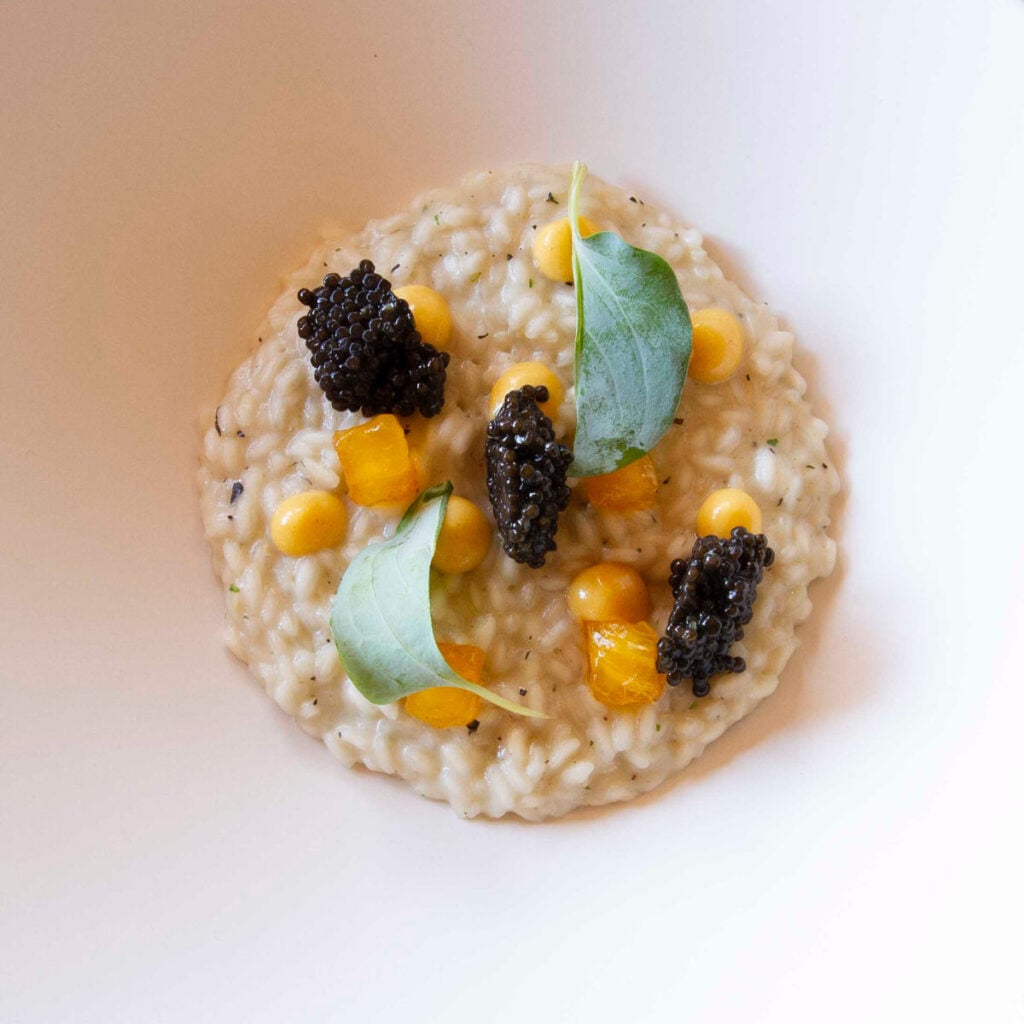
9. Persimmon Risotto
Persimmon risotto brings a sweet twist to the classic Italian dish. You can use Fuyu persimmons for their crisp texture and mild flavor.
Sauté diced persimmons with Arborio rice and chopped shallots. Add white wine to deglaze the pan.
Slowly stir in warm chicken stock over 25 minutes. The persimmons make the risotto slightly sweet.
Balance the sweetness with pancetta or bacon for richness. Goat cheese adds a creamy, tangy finish that complements the fruit.
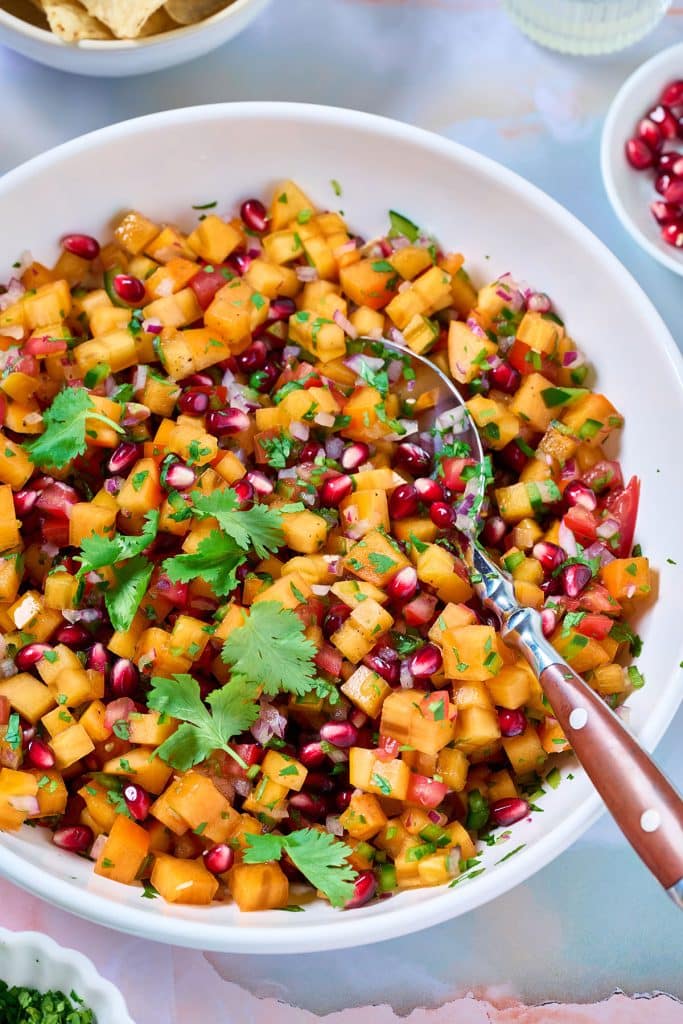
10. Persimmon and Pomegranate Salsa
This winter salsa uses persimmons instead of tomatoes. The fruit adds natural sweetness while pomegranate seeds bring tartness.
You can serve it over grilled chicken, fish, or steak. It also works as a dip with chips or crackers.
Fuyu persimmons work best for this recipe. They stay firm when diced and won’t make the salsa watery.
The salsa keeps for one day in the fridge. Let it come to room temperature before serving for the best flavor.
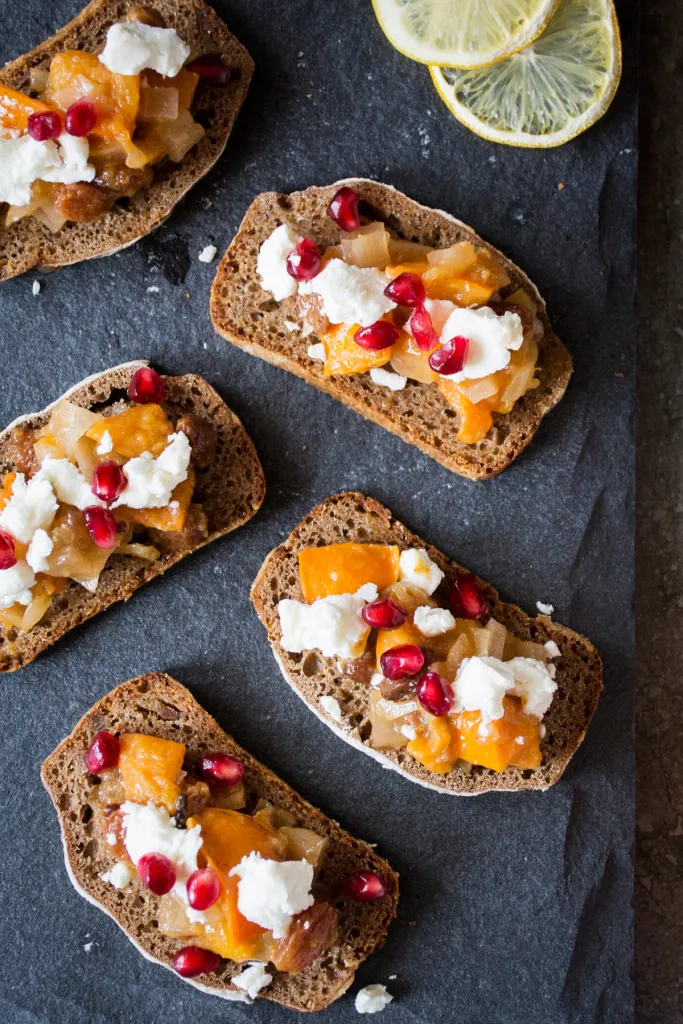
11. Persimmon Chutney
This sweet and tangy condiment makes a perfect alternative to cranberry sauce. You combine persimmons with spices to create a flavorful relish.
The chutney works great with holiday meals and cheese boards. Serve it alongside roasted meats or spread it on crackers.
Making persimmon chutney takes about 30 minutes of cooking time. Simmer the ingredients until they become thick and syrupy.
This recipe helps you use ripe persimmons in a new way. The chutney keeps well and makes nice homemade gifts.
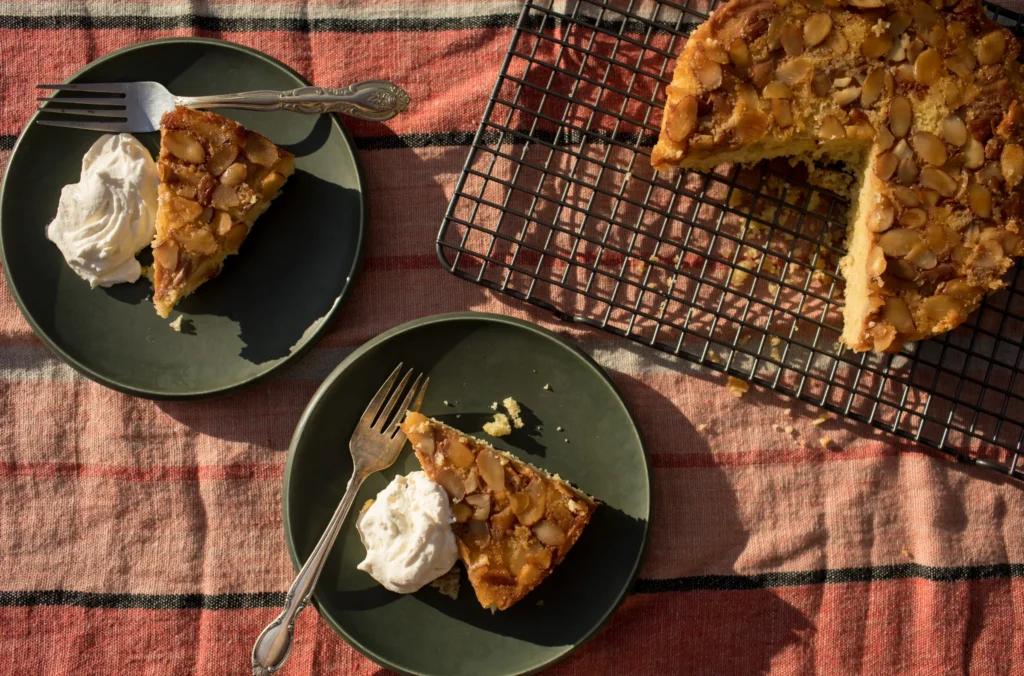
12. Persimmon and Almond Cake
This cake combines sweet persimmons with nutty almond flavors. You can use fresh persimmon puree or sliced persimmons in the batter.
The almond element comes from almond flour or extract. Some recipes use whole almonds for extra crunch and texture.
You’ll get a moist cake with warm spices like cinnamon. The persimmons keep the cake soft while almonds add richness.
This works well as a bundt cake or regular layer cake. Serve it for breakfast, dessert, or with afternoon tea.

13. Persimmon Cookies with White Chocolate
These soft cookies blend sweet persimmon with creamy white chocolate chips. You get a moist texture from ripe persimmon pulp.
The cookies work best with spices like cinnamon and nutmeg. White chocolate adds sweetness that pairs well with the fruit.
You can make these in one bowl quickly. The persimmon keeps them soft for days after baking.
They taste great with milk or coffee. Perfect for fall when persimmons are in season.

14. Persimmon and Prosciutto Appetizer
This sweet and salty combination creates an elegant appetizer. You need ripe Fuyu persimmons and thinly sliced prosciutto.
Cut each persimmon into 8 wedges after removing the stem. Wrap each wedge with a strip of prosciutto and secure with toothpicks.
You can add cheese like ricotta or provolone for extra flavor. Some recipes include fresh basil leaves between the persimmon and prosciutto.
This appetizer works well for holiday parties. The natural sweetness of persimmons balances the salty prosciutto.

15. Persimmon Frittata with Herbs
This egg dish combines sweet persimmons with fresh herbs for a unique breakfast. Use ripe persimmons to add natural sweetness to balance the savory eggs.
Fresh thyme, rosemary, or sage work well with persimmons. These herbs add earthy flavors that complement the fruit’s sweetness.
Slice persimmons thin and layer them into your beaten eggs. Cook the frittata in an oven-safe pan on the stovetop, then finish it in the oven until set.
This recipe works for breakfast, brunch, or a light dinner.

16. Persimmon and Brie Tart
This elegant tart combines sweet persimmons with creamy brie cheese. Use a buttery pastry crust as the base.
Slice ripe Fuyu persimmons thinly and arrange them over the brie. The cheese melts beautifully when baked.
Add a sprinkle of brown sugar and fresh thyme for extra flavor. The sugar caramelizes slightly during baking.
Bake until the cheese bubbles and turns golden. This takes about 15-20 minutes at 375 degrees.
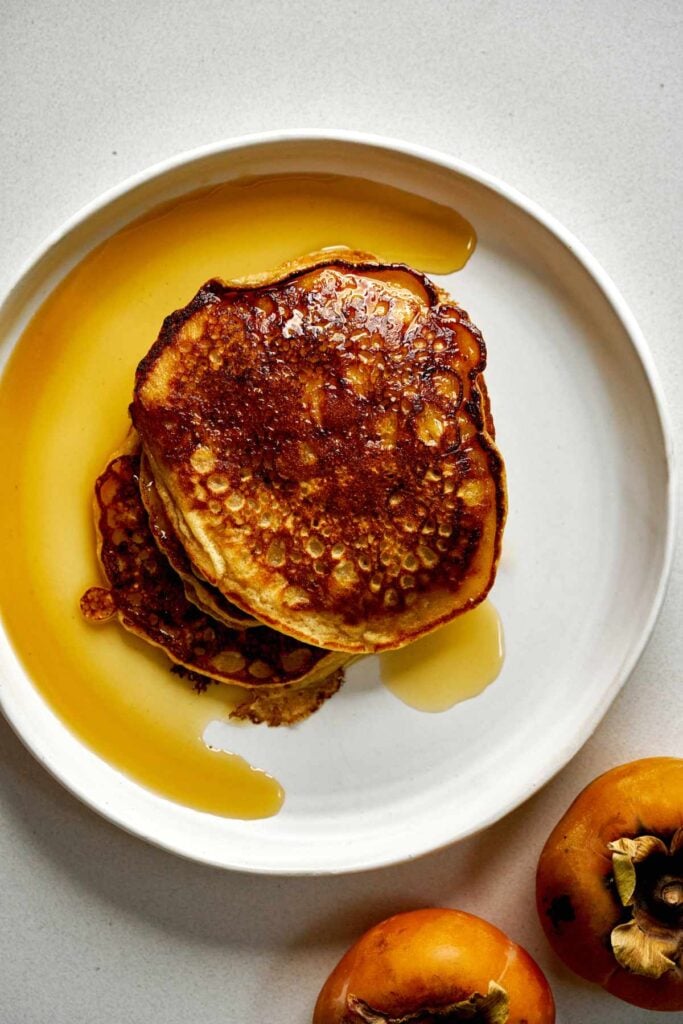
17. Persimmon Pancakes with Maple Syrup
You can make fluffy pancakes using persimmon pulp for a unique sweet flavor. The persimmons add natural sweetness and moisture to your batter.
Mix persimmon puree into your regular pancake recipe. Add spices like cinnamon, nutmeg, and cloves to complement the fruit’s taste.
Cook the pancakes until golden brown on both sides. Serve them hot with maple syrup drizzled on top.
These pancakes work best in fall when persimmons are ripe and sweet.
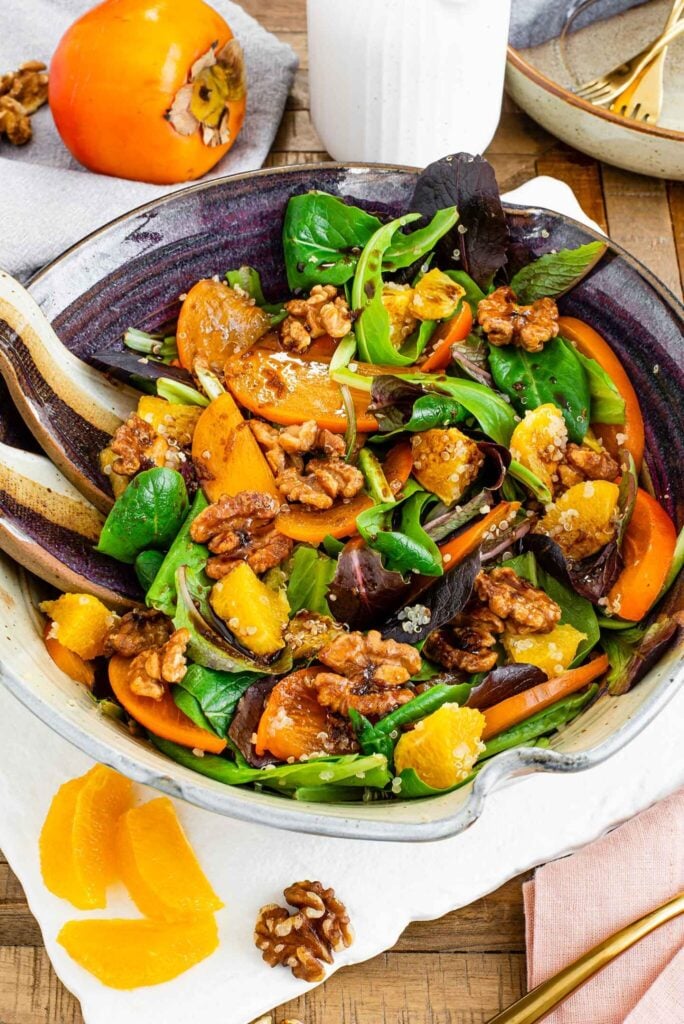
18. Persimmon and Quinoa Salad
This healthy salad combines sweet persimmons with nutty quinoa for a perfect fall meal. You get a great mix of textures and flavors.
Cook your quinoa first and let it cool. Add diced Fuyu persimmons and your choice of extras like pomegranate seeds or toasted nuts.
The sweet persimmons balance well with tangy dressings. Try a simple lemon vinaigrette or balsamic dressing to bring everything together.
This salad works great as a side dish or light lunch.
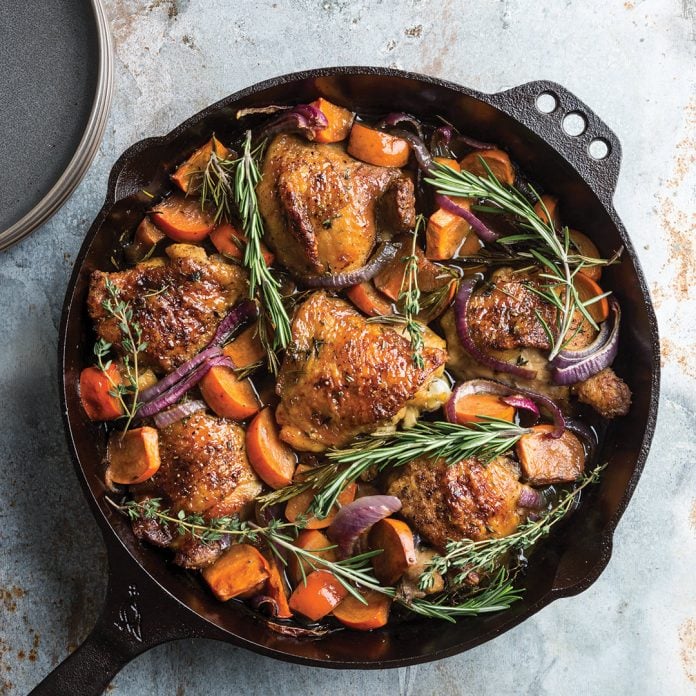
19. Persimmon Glazed Chicken
Persimmon glazed chicken brings together sweet and savory flavors in one dish. The natural sugars in ripe persimmons make a perfect glaze that turns golden brown on the chicken.
You can use this glaze on chicken thighs, breasts, or whole birds. The persimmon creates a sticky coating that caramelizes during cooking.
Mix pureed persimmon with ingredients like ginger, rice vinegar, or maple syrup. Brush the glaze on your chicken during the last part of cooking.
This recipe works well for weeknight dinners or special occasions.
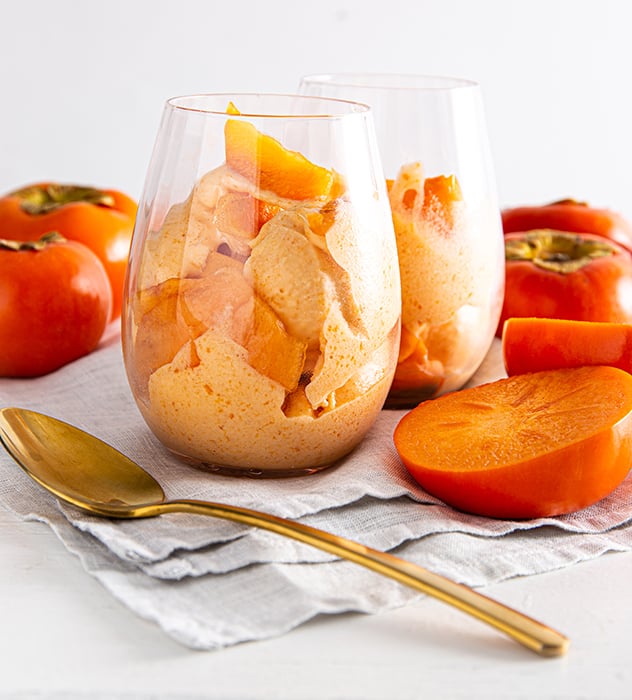
20. Persimmon Sorbet
This frozen treat showcases the natural sweetness of ripe persimmons. You can make it with just a few simple ingredients.
Use fully ripened persimmons for the best flavor. The soft flesh creates a creamy texture when frozen.
You can add coconut milk or cream for extra richness. Some recipes include lime juice for a citrus twist.
Freeze whole persimmons, then peel and blend them. This creates an instant sorbet with minimal effort.
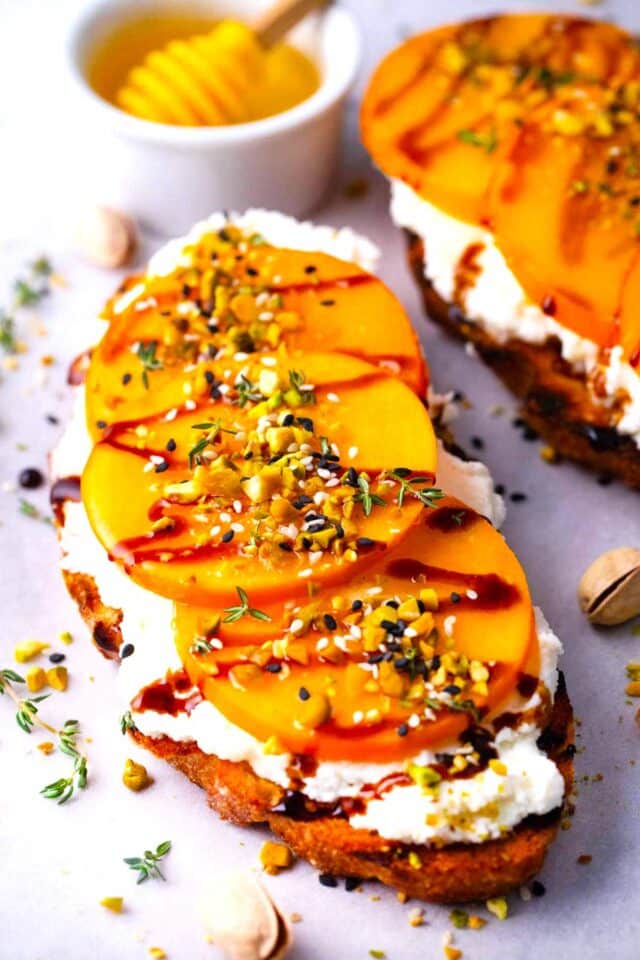
21. Persimmon and Ricotta Toast
Start with your favorite bread and toast it until golden. Spread a layer of butter on one side while still warm.
Use the back of a spoon to spread ricotta cheese over the butter. This creates a creamy base for your toppings.
Slice ripe Fuyu persimmons into thin rounds. Arrange them on top of the ricotta in an even layer.
Finish with a drizzle of honey and chopped nuts if desired. Fresh herbs like sage or thyme add extra flavor.
Choosing the Best Persimmons
The key to great persimmon recipes lies in picking the right variety and ripeness level for your dish. Fuyu and Hachiya persimmons have different textures and uses.
Proper ripeness affects both taste and cooking results.
Differences Between Fuyu and Hachiya Varieties
Fuyu persimmons are squat and round like tomatoes. You can eat them while they’re still firm and crunchy.
They taste sweet even when hard. These work great in salads, salsas, and dishes where you want chunks of fruit.
You can slice them thin or dice them up. They won’t turn mushy when you cook with them.
Hachiya persimmons are longer and shaped like acorns. You must wait until they’re completely soft before eating them.
When unripe, they taste very bitter and dry. Ripe Hachiyas have a jelly-like texture inside.
They work best for baking, puddings, and cookies. You scoop out the pulp and blend it into your recipes.
The pulp from Hachiyas gives baked goods moisture and sweetness. Many traditional persimmon cookie and cake recipes call for this variety.
How to Tell When Persimmons Are Ripe
Fuyu persimmons are ready when they feel firm but give slightly to pressure. The skin should be bright orange with no green spots.
You can eat them right away or let them soften more. Hachiya persimmons need to be completely soft and squishy.
They should feel like a water balloon when ripe. The skin becomes darker orange and may look wrinkled.
Press gently near the top of the fruit. If it dents easily, it’s ready.
Unripe Hachiyas will make your mouth feel dry and chalky. You can speed up ripening by putting persimmons in a paper bag with an apple.
The apple releases gas that helps the fruit ripen faster.
Safe Preparation and Handling Tips
Wash persimmons under cool water before cutting. Pat them dry with a clean towel.
For Fuyu persimmons, remove the green leaves and stem. You can eat the skin or peel it off.
Cut them like you would an apple or tomato. For Hachiya persimmons, cut off the top and scoop out the soft pulp with a spoon.
Throw away the skin and any seeds you find. Store ripe persimmons in the fridge for up to one week.
Keep unripe ones on the counter until they soften. You can freeze persimmon pulp for up to six months.
This works great for baking recipes later.
Common Cooking Techniques for Persimmons
Persimmons work well in both sweet and savory dishes using simple cooking methods. The fruit’s natural sweetness shines in baked goods.
Proper preservation techniques help you enjoy persimmons year-round.
Baking With Persimmons
Persimmons add natural sweetness and moisture to baked goods. You can substitute persimmon pulp for other fruits in most recipes.
Preparing Persimmons for Baking:
- Use fully ripe Hachiya persimmons for the best texture
- Remove seeds and skin before pureeing
- Strain the pulp to remove any lumps
Persimmon bread is one of the most popular baked treats. The fruit creates a dense, moist texture similar to banana bread.
You can also make muffins, cakes, and cookies with persimmon pulp.
Best Baking Applications:
- Quick breads and muffins
- Spice cakes and coffee cakes
- Cookies and bars
- Puddings and custards
Fuyu persimmons work well when diced and added to scones or coffee cakes. Their firmer texture holds up better during baking than the softer Hachiya variety.
Preserving Persimmons: Freezing and Drying
Preserve persimmons to enjoy their flavor beyond the harvest season. Both freezing and drying work well for different uses.
Freezing Methods:
- Freeze whole ripe Hachiya persimmons in freezer bags
- Puree the flesh and freeze in ice cube trays
- Slice Fuyu persimmons and freeze on baking sheets
Frozen persimmon pulp works perfectly for smoothies and baking. Thaw frozen whole persimmons completely before using.
Drying Techniques:
- Slice Fuyu persimmons into rings
- Use a dehydrator at 135°F for 8-12 hours
- Oven dry at lowest temperature with door cracked
Dried persimmons become chewy and concentrated in flavor. They make great snacks or additions to trail mix and granola.
Incorporating Persimmons Into Savory Dishes
Persimmons balance rich and salty flavors in savory cooking. Their sweetness pairs well with cheese, nuts, and roasted meats.
Salad Applications:
- Slice Fuyu persimmons into green salads
- Pair with goat cheese and walnuts
- Add to grain bowls and quinoa salads
Raw Fuyu persimmons work best in fresh applications. Their crisp texture adds interest to salads without becoming mushy.
Cooking Methods:
- Roast sliced persimmons with vegetables
- Add to meat marinades for natural sweetness
- Include in stuffing for poultry
Roasted persimmons become tender and caramelized. They complement root vegetables and winter squash perfectly.
You can also use persimmon puree in glazes for ham or pork.
Frequently Asked Questions
Here you’ll find answers to common questions about cooking with persimmons, making persimmon desserts, and using persimmon pulp in baking recipes.
What are some simple ways to incorporate persimmons into daily cooking?
Slice Fuyu persimmons and add them to salads for sweetness. They work well in morning oatmeal or yogurt bowls.
Try adding diced persimmons to pancake batter. Blend them into smoothies with other fall fruits.
For savory dishes, pair persimmons with cheese on crackers. Add them to grain bowls or roasted vegetable dishes.
Can you recommend any baked desserts that feature persimmons?
Persimmon bread makes an excellent fall dessert or breakfast treat. The fruit adds natural sweetness and moisture to the bread.
Persimmon cookies are another popular choice. Make them soft and chewy or crisp like sugar cookies.
Try persimmon cake with cream cheese frosting. The fruit’s honey-like flavor works well in spiced cakes with cinnamon and nutmeg.
How can I utilize persimmon pulp in my recipes?
Remove the skin and seeds from ripe Hachiya persimmons to make pulp. Blend the flesh until smooth.
Use persimmon pulp in place of pumpkin puree in many recipes. It works in pies, muffins, and quick breads.
Freeze persimmon pulp for up to six months. Thaw it completely before using in recipes.
What is a good recipe for persimmon and banana muffins?
Combine one cup persimmon pulp with one mashed ripe banana. Mix with flour, sugar, eggs, and oil as your base.
Add baking soda, salt, and cinnamon to the dry ingredients. Pour the wet ingredients into the dry and stir gently.
Bake at 375°F for 18-22 minutes until a toothpick comes out clean. These muffins stay moist for several days.
Are there unique ways to pair persimmons and cranberries in baked goods?
Persimmons and cranberries work well together in quick breads. The tart cranberries balance the sweet persimmons nicely.
Try making persimmon cranberry scones for breakfast. Add orange zest to brighten the flavors even more.
Make persimmon cranberry muffins with a streusel topping. Use dried cranberries to prevent extra moisture in the batter.
How can I make persimmon cupcakes that are moist and flavorful?
Use Hachiya persimmon pulp for the moistest cupcakes. This variety has more water content than Fuyu persimmons.
Add sour cream or yogurt to your batter along with the persimmon pulp. This creates extra moisture and a tender texture.
Check the cupcakes at 18 minutes to avoid overbaking. Remove them when a toothpick has just a few moist crumbs.