
Turkish desserts offer a rich world of sweet treats that have been perfected over centuries. These traditional sweets combine simple ingredients like honey, nuts, and milk to create complex flavors that define Turkish cuisine.
From crispy pastries to creamy puddings, Turkish desserts showcase the country’s culinary skills and cultural history. You’ll discover both well-known classics and hidden gems that represent different regions of Turkey.
Each dessert tells a story about Turkish traditions, special occasions, and the techniques that make these sweets so memorable.
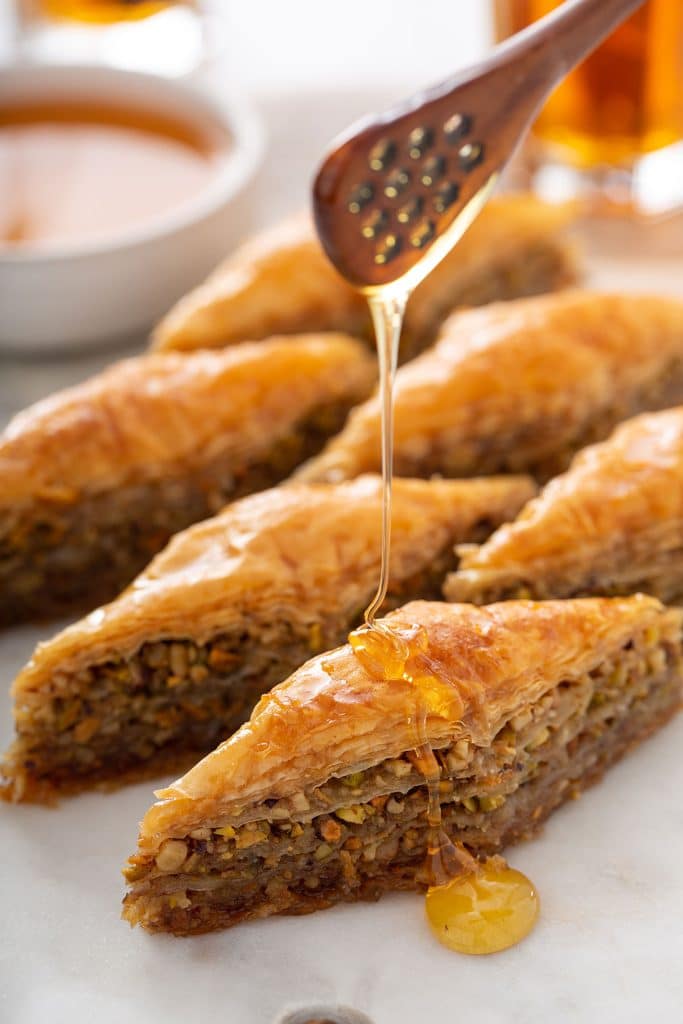
1. Baklava
Baklava is Turkey’s most famous dessert. You’ll find thin layers of phyllo dough filled with chopped nuts like pistachios or walnuts.
Cooks brush the pastry with butter and bake it until golden. Then they soak it in sweet syrup made from honey or sugar.
Each bite gives you crispy layers and rich flavors. You can taste this classic treat throughout Turkey, with the best versions found in Gaziantep and Istanbul.

2. Künefe
Künefe combines crispy shredded pastry with melted cheese. Cooks make this treat with kadayıf, which looks like thin noodles.
The cheese filling uses mild, unsalted varieties that stretch when heated. The pastry turns golden and buttery when cooked in a shallow pan.
After cooking, they soak the dessert in sweet syrup. You can taste flavors of rose water or orange blossom in the syrup.
This dessert comes from southeastern Turkey, especially the Hatay region.

3. Lokma
You’ll find lokma on Turkish streets as small fried dough balls soaked in sweet syrup. The name means “bite” in Turkish, which fits their chestnut-sized portions perfectly.
These golden treats have a crispy outside and soft inside. You can enjoy them drizzled with honey, sugar syrup, or cinnamon.
Lokma carries deep cultural meaning in Turkey. You’ll see them served at weddings, festivals, and religious events as symbols of sharing and community.
İzmir especially loves this dessert, keeping the tradition strong even as other cities moved on to different sweets.

4. Şekerpare
Şekerpare translates to “sugar piece” in Turkish. This traditional dessert features small, round cookies made with semolina and flour.
Cooks bake the cookies until golden brown. After baking, they soak them in sweet sugar syrup flavored with lemon.
You’ll find these treats have a tender, moist texture from the syrup. The combination of buttery cookie and fragrant syrup creates a balanced sweetness.
Turkish families often serve şekerpare during special occasions and holidays. You can also enjoy them as an everyday treat with tea or coffee.

5. Sütlaç (Turkish Rice Pudding)
Sütlaç is one of Turkey’s most loved desserts. This creamy rice pudding wins hearts across the country.
Cooks make it with simple ingredients like rice, milk, and sugar. The texture is smooth and rich.
Two main types exist: regular sütlaç and baked fırın sütlaç. The baked version has a golden brown top that adds extra flavor.
You can enjoy this dessert warm or cold. It tastes like comfort food and works perfect for any time of day.

6. Kazandibi
Kazandibi is a traditional Turkish milk pudding with a unique caramelized bottom. The name means “bottom of the pan” in Turkish.
You’ll love its creamy texture and golden-brown crust. Cooks combine milk, cream, sugar, and starches like rice flour or cornstarch.
They cook the pudding until it forms a burnt layer at the bottom. This creates a sweet, caramelized taste that makes kazandibi special.
You can serve it chilled for the best experience. It’s a popular dessert in Turkish homes and cafes.

7. Revani
Revani is a traditional Turkish semolina cake that offers a moist, tender texture. This popular dessert combines semolina flour with yogurt to create a light sponge cake.
Cooks soak the cake in a citrus syrup, typically made with lemon. This gives revani its signature sweet and tangy flavor that Turkish families love.
You’ll often find revani topped with chopped pistachios for added crunch. The cake pairs perfectly with Turkish tea or coffee.

8. Aşure (Noah’s Pudding)
Aşure is one of Turkey’s most famous desserts with deep cultural meaning. You’ll find this traditional pudding made with grains, legumes, dried fruits, and nuts.
The dessert gets its name from the Arabic word “Ashura,” meaning “tenth.” Turkish families prepare it on the Day of Aşure, which falls on the tenth day of Muharrem.
You’ll taste ingredients like wheat berries, chickpeas, dried figs, apricots, and various nuts. Each family uses different combinations of ingredients.
This naturally vegan dessert represents sharing and unity in Turkish culture. Families make large batches to give to neighbors and friends.

9. Tulumba
Tulumba is a crispy Turkish dessert that looks like churros. You’ll find these golden fried treats on street corners across Turkey.
The dessert has a crunchy outside and soft inside. After frying, cooks soak each piece in sweet lemon syrup.
You make tulumba from simple dough using flour and eggs. The dough gets piped into hot oil and fried until golden brown.
The syrup makes tulumba extra sweet and sticky. Each bite gives you both crunch and softness together.

10. İrmik Helvası (Semolina Halva)
You’ll find this traditional Turkish dessert made with simple ingredients like semolina, butter, sugar, and milk. The toasted semolina creates a nutty flavor and grainy texture.
This comfort food holds special meaning in Turkish culture. Families often serve it during memorial services, but you can enjoy it anytime.
You only need five basic ingredients to make this dessert. It works well served warm in winter or chilled during summer months.

11. Güllaç
Güllaç is a light Turkish dessert that becomes very popular during Ramadan. You will find thin starch sheets soaked in sweetened milk flavored with rose water.
The dessert uses delicate layers made from cornstarch and water. You layer these with crushed walnuts, hazelnuts, or almonds between each sheet.
The top gets decorated with ground pistachios and pomegranate seeds. This creates a beautiful and colorful presentation.
You can enjoy this dessert as a healthier option compared to other rich Turkish sweets. No baking is required to make it.

12. Fıstıklı Sarma (Pistachio Rolls)
Fıstıklı Sarma is a rich Turkish dessert similar to baklava. The name means “pistachio wrap” or “pistachio roll” in Turkish.
This sweet pastry features pistachio paste wrapped in a single sheet of phyllo dough. The filling contains an abundance of ground pistachios, giving it a bright green color.
You’ll find these cylindrical pastries have a crispy exterior and dense pistachio filling. Cooks soak them in sweet syrup after baking, creating a glossy finish.
The dessert is also called fıstıklı dürüm in some regions of Turkey.

13. Cezerye
Cezerye is a unique Turkish dessert made from carrots. This sweet treat has a chewy texture similar to Turkish delight.
The dessert gets its light pink color from fresh carrots. Cooks boil and puree the carrots to bring out their natural sweetness.
Most recipes include walnuts and spices. The final product is often dusted with coconut flakes.
You can store cezerye in an airtight container for up to a week. It makes a healthy alternative to regular candy.

14. Helva with Tahini
Tahini helva is a traditional Turkish confection made from sesame paste and sugar. This sweet treat has a unique crumbly texture that melts in your mouth.
You’ll find this dessert served in Turkish restaurants and kebab houses. It’s often flavored with vanilla or cocoa powder for extra taste.
The dessert requires just a few simple ingredients: tahini, sugar, and water. You can enjoy it on its own or use it as a topping for ice cream.

15. Kadayif
Kadayif is a crispy Turkish dessert made with thin shredded pastry dough. The golden pastry gets filled with crushed walnuts or other nuts.
Cooks soak this sweet treat in sugar syrup after baking. The combination creates a perfect balance of crunchy texture and sweet flavor.
This dessert is popular during Ramadan and special occasions. You might see it called kadaif or tel kadayif in different regions.
The preparation involves layering the shredded dough with nuts, then adding syrup once baked.

16. Tavuk Göğsü (Chicken Breast Pudding)
You might be surprised to learn that one of Turkey’s most famous desserts contains chicken. Tavuk Göğsü is a creamy pudding made with finely shredded chicken breast.
This unusual dessert dates back to Ottoman times. It was once served only to royalty in palace kitchens.
Cooks combine chicken breast with milk, sugar, and cornstarch. When prepared correctly, you cannot taste the chicken at all.
The texture is smooth and silky. This unique dessert remains popular in Turkey today and offers adventurous eaters something truly different.

17. Zerde
Zerde is a traditional Turkish rice pudding that dates back to the Ottoman Empire. You’ll recognize it by its bright golden color, which comes from saffron and turmeric.
This dessert combines rice, sugar, and water cooked until thick and creamy. The saffron gives it a unique flavor and beautiful appearance.
You can find zerde served at Turkish weddings and holiday celebrations. It’s especially popular in regions like Istanbul, Gaziantep, and Konya.
The dessert is served chilled and offers a sweet, aromatic taste that’s different from milk-based puddings.

18. Kabakulak
Kabakulak is a traditional Turkish dessert that looks like small, puffy ears. The name means “big ear” in Turkish, which describes its unique shape.
To make this dessert, cooks fry thin dough pieces in hot oil until they puff up. The dough becomes golden and crispy on the outside.
After frying, they soak the pastries in sweet syrup made with sugar and water. Some recipes add lemon juice or rose water for extra flavor.
You can find kabakulak at local bakeries and sweet shops throughout Turkey. It’s best eaten fresh and warm.

19. Pişmaniye
Pişmaniye is Turkey’s version of cotton candy with a unique twist. This delicate sweet comes from the Kocaeli province in northwestern Turkey.
Cooks make thin, silky strands from roasted flour cooked in butter and pulled sugar threads. The texture feels light and airy in your mouth.
The name connects to the Turkish word “pişman” meaning regret. A popular saying goes “eat pişmaniye and regret it once, don’t eat it and regret it a thousand times.”
You won’t find this treat in regular pastry shops. It’s usually sold in tourist gift stores and specialty sweet shops throughout Turkey.

20. Dondurma (Turkish Ice Cream)
Dondurma offers a completely different ice cream experience than what you’re used to. This Turkish treat has a thick, stretchy texture that won’t melt quickly in your hands.
The unique consistency comes from two special ingredients: salep and mastic. These create the chewy, elastic texture that makes dondurma famous.
You’ll find this ice cream served throughout Turkey, especially in the city of Maraş. Sometimes you’ll need a knife and fork to eat it because of its dense, stretchy nature.
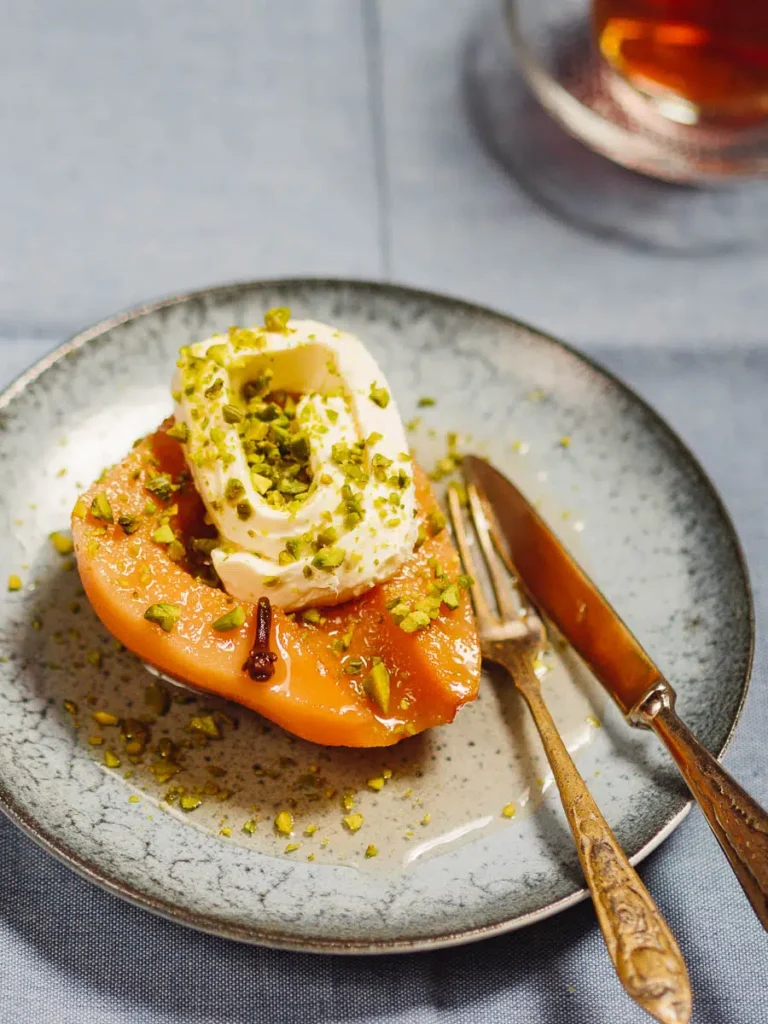
21. Ayva Tatlısı (Quince Dessert)
You’ll find this traditional Turkish dessert in restaurants during winter months. Ayva Tatlısı uses quince, a seasonal fruit available from October to January.
The preparation is simple. You peel and core the quinces, then poach them in sugar syrup with spices like cinnamon and cloves.
The fruit becomes tender and absorbs the sweet syrup flavors. You can serve it warm or cold as a perfect autumn dessert.
Key Ingredients and Techniques in Turkish Dessert Making
Turkish desserts rely on specific sweeteners, pastry methods, and flavor pairings that create their unique taste. These elements work together to make desserts that are both rich and balanced. Traditional Sweeteners
Turkish desserts use sugar syrup as the main sweetener instead of adding sugar directly to batters. Lemon juice in the syrup prevents crystallization.
Honey appears in many traditional recipes. Turkish cooks prefer lighter honeys that won’t overpower other flavors.
You’ll find honey in baklava and other layered pastries.
Sherbet is a flavored sugar syrup that soaks into cakes and pastries. It makes desserts moist and adds sweetness gradually.
The syrup temperature matters. Hot syrup goes on cold desserts, and cold syrup goes on hot ones.
Some desserts use grape molasses or date syrup for deeper flavors. These create darker, more complex sweetness than regular sugar.
Essential Pastry Methods
Phyllo dough requires careful handling and patience. You must keep unused sheets covered with damp towels to prevent drying.
Brush each layer with melted butter or oil.
Milk-based desserts need constant stirring over low heat. Turkish cooks use a wooden spoon and never let the mixture boil rapidly.
This prevents lumps and burning.
Semolina appears in many cake recipes like revani. You mix it with yogurt and let it rest before baking.
This creates the right texture and helps absorption of syrup.
Double cooking happens in many recipes. First you bake or cook the dessert, then add hot syrup.
Let the dessert cool completely before serving so flavors can blend.
Classic Flavor Combinations
Pistachios pair with rose water in Turkish delight and ice cream. The nuts add richness while rose water provides floral notes.
You’ll find this combination in many traditional sweets.
Lemon and yogurt work together in cakes like revani. The acid in both ingredients creates tender textures and bright flavors that balance heavy syrups.
Cinnamon and walnuts appear in layered pastries and helva. This combination adds warmth and crunch.
Turkish cooks use Ceylon cinnamon for its mild, sweet taste.
Orange blossom water combines with almonds in many desserts. This pairing creates light, fragrant sweets that aren’t too heavy after meals.
Cultural Significance and Traditions
Turkish desserts hold deep meaning in celebrations and daily life. Each region develops unique sweet treats.
These desserts connect families and mark important moments throughout Turkish culture.
Role in Turkish Celebrations
Turkish desserts play essential roles in weddings, religious holidays, and family gatherings. During Ramadan, families break their fast with sweet treats like baklava and Turkish delight.
Wedding celebrations feature elaborate dessert tables. Guests expect to see multiple varieties of sweets, including lokum and künefe.
The bride’s family often prepares these desserts weeks in advance.
Religious holidays like Eid bring special dessert traditions. Families visit neighbors and relatives, carrying boxes of homemade sweets as gifts.
Turkish delight becomes especially popular during these visits.
Birth celebrations include sweet offerings to announce good news. New parents share desserts with their community to celebrate their baby’s arrival.
You’ll find desserts at business meetings and social visits too. Offering sweets shows hospitality and respect to guests in Turkish culture.
Regional Dessert Variations
Different regions of Turkey create unique dessert specialties based on local ingredients and traditions. Southeastern Turkey is famous for künefe, made with cheese and shredded pastry.
Istanbul and western regions excel at Ottoman palace desserts. You’ll find sophisticated treats like aşure and muhallebi in these areas.
Black Sea region specializes in honey-based desserts using local wildflower honey. Their rice pudding often includes hazelnuts from the region’s abundant trees.
Central Anatolia creates desserts with dried fruits and nuts. These ingredients grow well in the region’s climate and appear in local sweet specialties.
Mediterranean coastal areas use citrus flavors in their desserts. Orange and lemon peels add fresh tastes to traditional recipes in these regions.
Frequently Asked Questions
People often ask about classic Turkish desserts, making authentic treats at home, and regional differences in recipes. These questions cover the most popular sweets and practical cooking tips.
What are some classic Turkish desserts that every foodie should try?
Baklava stands as Turkey’s most famous dessert with its flaky pastry layers and nuts. You should also try künefe, a cheese-filled dessert with crispy shredded wheat.
Lokma offers bite-sized fried dough balls soaked in syrup. Şekerpare provides a soft, cookie-like texture with sweet syrup.
Sütlaç brings creamy rice pudding comfort. Turkish delight gives you chewy, flavored cubes dusted with powdered sugar.
How can one make authentic Turkish delight at home?
You need sugar, water, cornstarch, and cream of tartar as base ingredients. Add rose water, lemon juice, or pistachios for flavor.
Heat sugar and water to make syrup. Mix cornstarch with cold water separately.
Combine the mixtures and cook while stirring constantly. The mixture thickens after 45 minutes of cooking.
Pour into a greased pan and let it set overnight. Cut into squares and dust with powdered sugar and cornstarch.
Can you provide a step-by-step guide to preparing Künefe?
Start with kadayıf (shredded wheat pastry) and unsalted cheese like mozzarella. You also need simple syrup made from sugar, water, and lemon juice.
Butter the kadayıf and press half into a round baking dish. Spread the cheese evenly over the pastry.
Cover with remaining kadayıf and press down firmly. Bake at 400°F until golden brown on both sides.
Pour cold syrup over the hot künefe immediately after baking. Serve warm with chopped pistachios on top.
What are the key ingredients in traditional Turkish Baklava?
Phyllo dough forms the base with its paper-thin layers. You need melted butter to brush between each sheet.
The filling uses chopped walnuts, pistachios, or almonds mixed with cinnamon. Some recipes add a small amount of sugar to the nuts.
Simple syrup contains sugar, water, honey, and lemon juice. Pour the syrup over the baked baklava while still warm.
How do different regions of Turkey influence the country’s dessert recipes?
Southeastern Turkey specializes in künefe, especially in Antep and Hatay provinces. These areas use local cheese and perfect the crispy kadayıf technique.
The Aegean region focuses on desserts with local nuts and fruits. Black Sea areas incorporate hazelnuts into many sweets.
Istanbul blends influences from the Ottoman palace kitchens. Each region adapts recipes based on available local ingredients like different types of milk, nuts, and honey.
Where can I find the best Turkish desserts in my area?
Look for Turkish restaurants that make desserts fresh daily. Avoid places that use frozen versions.
Middle Eastern grocery stores often sell ingredients and ready-made options. Turkish bakeries provide the most authentic experience with traditional preparation methods.
Some Greek restaurants also serve similar desserts due to shared culinary history. Check online reviews for specific mentions of dessert quality.
Visit during busy times when turnover ensures fresher products.