
Asian desserts offer a world of unique flavors and textures that stand apart from Western sweets. These treats use ingredients like coconut, red beans, and matcha to create something totally different from what you might expect.
Learning to make these desserts at home lets you explore new tastes while discovering the stories and traditions behind each sweet treat. From chewy rice-based sweets to creamy custards, Asian desserts bring together simple ingredients in ways that create amazing results.
You’ll find options that range from easy recipes you can make in minutes to special treats perfect for celebrations.
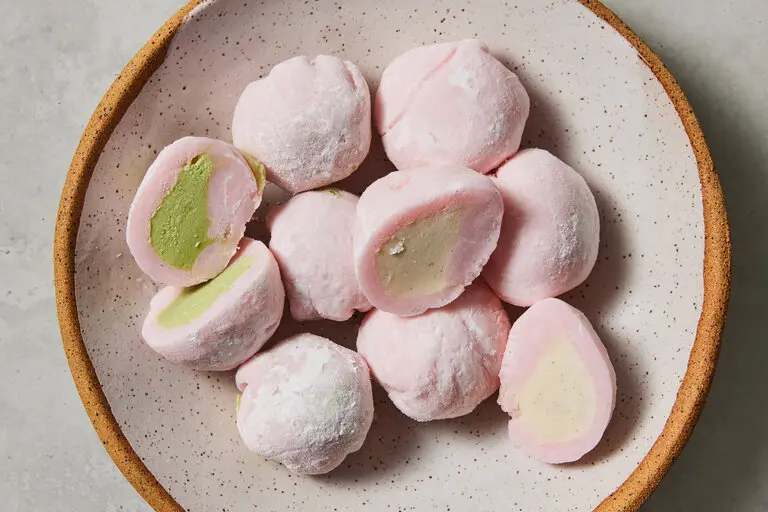
1. Mochi
Mochi is a chewy Japanese dessert made from sweet rice flour. You can find it in many flavors like strawberry, matcha green tea, and chocolate.
The soft texture comes from pounding rice into a smooth paste. Many mochi desserts have sweet fillings inside like red bean paste or ice cream.
You can make mochi at home with simple ingredients. It works well for parties since guests love the unique chewy bite and sweet taste.

2. Matcha Ice Cream
Matcha ice cream combines the earthy taste of green tea powder with creamy sweetness. This popular Asian dessert offers a unique flavor that’s both rich and refreshing.
You can make matcha ice cream at home without special equipment. Simply mix matcha powder with whipped cream, condensed milk, and vanilla extract.
Pour the mixture into a container and freeze for six hours. The result is a smooth, creamy dessert with matcha’s distinctive green color and bold taste.

3. Mooncakes
Mooncakes are traditional Chinese pastries eaten during the Mid-Autumn Festival. These round treats have thick pastry shells with sweet fillings inside.
You can find mooncakes with lotus paste, red bean, or black sesame fillings. Some versions have caramel almond or fruit jelly centers.
The pastries come in two main styles. Cantonese mooncakes are baked and have golden crusts.
Other types might be steamed or have different textures. You’ll see mooncakes sold at Asian bakeries during festival season.
They’re often given as gifts to family and friends.

4. Japanese Cheesecake
Japanese cheesecake is a light and fluffy dessert that’s completely different from regular cheesecake. It has a soft, jiggly texture that wobbles when you touch it.
This dessert uses cream cheese, eggs, milk, and sugar. Whisked egg whites get folded in to make it airy.
The mixture bakes in a water bath. You’ll notice it tastes less sweet than American cheesecake.
The texture feels like a cross between cheesecake and soufflé. It gives you a cloud-like eating experience.

5. Vietnamese Snowballs
Vietnamese snowballs, called Banh Bao Chi, are soft and chewy treats that look like small white balls. You’ll love their unique texture with a soft center and chewy outer layer.
These desserts use rice flour and coconut. The filling usually contains mung beans and roasted peanuts.
The outside gets rolled in shredded coconut. You can enjoy these gluten-free treats year-round.
They’re not too sweet, which makes them perfect if you want something light after a meal.

6. Sticky Rice with Mango
You’ll find this Thai dessert on menus across Southeast Asia. Sweet glutinous rice gets cooked in rich coconut milk.
Fresh mango slices sit on top of the warm rice. The combination creates perfect balance between creamy and fruity flavors.
Coconut sauce drizzles over everything. Some versions add toasted sesame seeds or crushed nuts for extra texture.
This naturally gluten-free dessert takes about 30 minutes to make. You need glutinous rice, coconut milk, and ripe mangoes.

7. Fried Bananas
Fried bananas are a popular sweet treat across many Asian countries. You’ll find them served hot and crispy on street corners and in restaurants.
The recipe is simple. You dip ripe banana pieces in a light batter made with rice flour or regular flour.
Then you deep fry them until golden brown. The result is crispy on the outside and soft on the inside.
Many people enjoy them with ice cream or syrup for extra sweetness.

8. Daifuku
Daifuku is one of Japan’s most loved sweets. You’ll find this soft treat made with chewy mochi wrapped around sweet red bean paste.
The name means “great luck” in Japanese. This makes it popular at weddings and New Year parties.
You can try many flavors beyond the classic red bean. Strawberry and chocolate versions are common now.
The round shape feels soft and pillowy when you bite into it. You can find daifuku at Japanese bakeries, convenience stores, and specialty sweet shops worldwide.

9. Taiyaki
Taiyaki is a popular Japanese street food shaped like a fish. This warm, crispy pastry has a waffle-like texture and golden brown exterior.
The traditional filling is sweet red bean paste called anko. You can also find modern versions with custard, chocolate, sweet potato, or other fillings.
Street vendors sell taiyaki at festivals, train stations, and dessert cafes across Japan. You can make this charming treat at home using special taiyaki molds.

10. Black Sesame Soup
Black sesame soup is a traditional Chinese dessert that brings comfort and warmth to any meal. This sweet soup combines toasted black sesame seeds with rice, water, and sugar.
You’ll love its creamy texture and nutty flavor. The soup is naturally vegan and gluten-free.
You can find this dessert at dim sum restaurants or make it at home. Some stores sell powder versions for easy preparation.

11. Korean Patbingsu
Patbingsu is Korea’s most popular summer dessert. The name means “red bean ice water” in Korean.
This treat starts with fluffy shaved ice. You’ll find it topped with sweet red bean paste and condensed milk.
Common toppings include fresh fruit, rice cakes called tteok, and cereals. Many shops let you choose your own toppings.
The dessert is perfect for hot days. You can find patbingsu at Korean restaurants and dessert shops worldwide.

12. Thai Coconut Sticky Rice
You’ll love this classic Thai dessert that combines sweet sticky rice with rich coconut milk. The rice gets cooked until it’s perfectly chewy and tender.
The coconut sauce adds creamy sweetness with a hint of salt. This balance makes each bite taste amazing.
You can make this dessert at home with just a few simple ingredients. Most Thai restaurants serve it warm as a popular ending to your meal.
Many people enjoy it with fresh mango slices on top. The juicy fruit pairs perfectly with the sweet coconut rice.

13. Dorayaki
Dorayaki is a classic Japanese dessert that looks like two small pancakes stuck together. You get a sweet filling sandwiched between two fluffy, round cakes.
The traditional filling is sweet red bean paste called anko. You can also find versions with custard, whipped cream, or fruit jams inside.
These treats have a light, airy texture that balances perfectly with the rich sweetness of the filling. You can enjoy dorayaki as a dessert or even grab one for breakfast.

14. Red Bean Soup
Red bean soup is a popular dessert across China, Taiwan, and Hong Kong. You’ll find this sweet treat made with adzuki beans in many Asian restaurants.
The soup has a smooth, creamy texture with subtle sweetness. Some versions include small tapioca pearls that add a chewy bite.
You can enjoy red bean soup hot or cold after meals. It’s often served at the end of Chinese banquet dinners.

15. Jian Dui (Sesame Balls)
These golden fried treats are made from glutinous rice flour dough. The outside gets covered in sesame seeds before frying.
You’ll find sweet filling inside, usually red bean paste. Some versions use peanut or lotus paste instead.
The dough becomes chewy and stretchy when cooked. The sesame seeds turn crispy and add a nutty flavor.
Chinese families often serve jian dui during Lunar New Year celebrations. You can also order them at dim sum restaurants year-round.

16. Egg Tarts
Egg tarts are one of the most beloved Chinese desserts you’ll find at dim sum restaurants and Chinese bakeries. These small treats feature smooth egg custard baked inside crispy pastry shells.
You can choose between two main styles. Hong Kong egg tarts use flaky puff pastry that creates buttery layers.
Traditional Chinese versions often use shortcrust pastry instead. The custard filling is simple but delicious.
It’s made with eggs, milk, and sugar that bakes into a silky texture with golden color on top.

17. Pandan Thai Custard
You’ll discover a creamy delight in this traditional Thai dessert called Sangkaya. The custard gets its signature green color and sweet aroma from pandan leaves.
This dessert combines coconut milk with pandan juice for a rich texture. You can enjoy it on its own or pair it with sticky rice.
The custard offers a unique nutty flavor that’s popular throughout Southeast Asia. You’ll find it served warm or cold.

18. Taro Balls
Taro balls are chewy, bouncy desserts made from taro root. You’ll find them in many Asian dessert shops and bubble tea stores.
These purple treats have a mild, nutty flavor. They’re often served in sweet soups or over shaved ice with other toppings.
You can enjoy taro balls hot or cold. Many places serve them with coconut milk, grass jelly, or fresh fruit for added sweetness and texture.

19. Chinese Almond Jelly
Chinese almond jelly is a light dessert popular across Asia. You’ll find it served in dim sum restaurants and Chinese households.
This soft jelly gets its flavor from almond extract and milk. You can make it with gelatin or agar-agar for the texture.
The dessert comes cut into small cubes. You’ll often see it served with canned fruit cocktail or fresh lychees in sweet syrup.
Making almond jelly requires just a few ingredients. You need milk, sugar, almond extract, and gelatin to create this refreshing treat.

20. Mango Sago
Mango sago is a popular Asian dessert that comes from Hong Kong. You’ll find it served in cafes across Southeast Asia.
This dessert combines fresh mango chunks with chewy tapioca pearls. The base is made with creamy coconut milk that makes it rich and smooth.
You can make this dessert with just four basic ingredients. It’s perfect for hot summer days when you want something cool and refreshing.
The tapioca pearls add a fun chewy texture. The coconut milk brings out the mango’s natural sweetness.

21. Japanese Butter Cookies
Japanese butter cookies are crisp, delicate treats that melt in your mouth. These cookies have a light texture and rich buttery flavor.
You can make them with simple ingredients like butter, flour, and sugar. The cookies bake until they become golden and crispy on the outside.
Many recipes use both vanilla and chocolate dough. You can create checkerboard patterns by combining the two flavors together.
These cookies pair perfectly with tea or coffee for an afternoon snack.
Essential Ingredients in Asian Desserts
Asian desserts rely on unique ingredients that create their signature textures and flavors. Rice flour forms the base for chewy treats, while coconut milk adds richness to many sweets.
Rice and Rice Flour Varieties
Glutinous rice flour creates the chewy texture you find in mochi and tang yuan. This flour comes from sweet rice, not regular rice.
It gives desserts their stretchy, bouncy feel. Regular rice flour makes lighter desserts like rice cakes and some puddings.
You can find both types at Asian grocery stores or online. Whole glutinous rice gets steamed for desserts like mango sticky rice.
The grains become soft and sticky when cooked properly. Tapioca starch comes from cassava root.
It makes desserts clear and gives them a jelly-like bounce. You’ll see it in bubble tea pearls and many Asian puddings.
Tropical Fruits and Their Uses
Coconut milk appears in countless Asian desserts. The thick, creamy liquid adds richness to rice puddings and ice creams.
Light coconut milk works for lighter desserts.
Mango pairs perfectly with sticky rice. It appears in puddings across Southeast Asia.
Use ripe mangoes for the best sweet flavor.
Lychee adds floral sweetness to desserts. You can buy it fresh, canned, or dried.
The fruit works well in jellies and fruit salads.
Red beans might surprise you as a dessert ingredient. These sweet beans fill pastries and create smooth pastes for ice cream flavors.
Beans, Nuts, and Seeds
Adzuki beans create sweet red bean paste. This filling goes inside mooncakes, dorayaki, and ice cream.
You can buy the paste ready-made or cook your own beans.
Black sesame seeds give desserts a nutty, rich flavor. Grind them into paste for ice cream or sprinkle whole seeds on top of sweets.
Peanuts appear in many Filipino and Thai desserts. They add crunch and protein to sweet soups and sticky rice dishes.
Mung beans make yellow bean paste and clear jellies. These small green beans cook faster than other varieties and have a mild, sweet taste.
Cultural Significance and Festive Traditions
Asian desserts carry deep cultural meaning. They play key roles in religious ceremonies, seasonal festivals, and family celebrations.
Each region has developed unique sweet traditions tied to specific holidays and cultural practices.
Celebratory Occasions and Rituals
Many Asian desserts connect directly to important celebrations and religious events. Mooncakes during China’s Mid-Autumn Festival represent family unity and completeness.
Their round shape symbolizes the full moon and togetherness.
During Chinese New Year, families share sweet treats like tangyuan (glutinous rice balls) for good luck. The round shape brings prosperity for the coming year.
Japanese desserts mark seasonal changes through traditional ceremonies. Mochi plays a central role in New Year celebrations.
You pound rice into smooth paste as families gather together.
Indian festivals feature specific sweets for each occasion:
- Diwali: Gulab jamun and laddu
- Holi: Gujiya and kheer
- Eid: Sheer khurma and baklava
Filipino bibingka appears during Christmas season. You eat this coconut cake after midnight mass on Christmas Eve.
Regional Differences Across Asia
Your dessert experience changes dramatically across Asian regions. East Asian countries like China, Japan, and Korea favor less sweet desserts.
They use ingredients like red bean paste, green tea, and rice flour.
Southeast Asian desserts include tropical fruits and coconut milk. You’ll taste mango sticky rice in Thailand and halo-halo in the Philippines.
South Asian sweets tend toward intense sweetness and rich flavors. India uses cardamom, rose water, and ghee in desserts like kulfi and rasgulla.
Middle Eastern regions blend honey, nuts, and phyllo dough. You find baklava and ma’amoul cookies across these areas.
Each region adapts desserts to local ingredients and climate conditions. Mountain areas use different fruits than coastal regions.
Frequently Asked Questions
These common questions cover classic dessert choices, local dining options, beginner-friendly recipes, trending sweets, traditional treats with cultural backgrounds, and options for special dietary needs.
What are some classic Asian desserts that every foodie should try?
Mochi tops the list with its chewy rice flour texture and sweet fillings. This Japanese treat comes in flavors like red bean, strawberry, and green tea.
Matcha ice cream offers a perfect balance of sweet and earthy flavors. The green tea powder creates a unique taste that sets it apart from regular ice cream.
Mooncakes are essential Chinese pastries traditionally eaten during Mid-Autumn Festival. These dense cakes contain lotus seed paste, egg yolks, or nuts.
Japanese cheesecake provides a lighter alternative to Western versions. Its fluffy, cotton-like texture melts in your mouth.
Where can I find the top-rated Asian desserts in the Bay Area?
San Francisco’s Chinatown offers authentic mooncakes and egg tarts at local bakeries. Many shops have been family-owned for decades.
Japanese towns in San Mateo and Cupertino feature mochi shops and matcha dessert cafes. These areas have strong Japanese communities with authentic options.
Vietnamese neighborhoods in San Jose serve che and other traditional sweets. Look for family-run restaurants that make desserts fresh daily.
Korean desserts like bingsu can be found in Oakland and Fremont. These areas have growing Korean populations with specialty dessert shops.
Could you provide a list of simple Asian dessert recipes for beginners?
Mango sticky rice requires just four ingredients: glutinous rice, coconut milk, sugar, and ripe mango. Steam the rice and mix with sweetened coconut milk.
Japanese pancakes use regular pancake ingredients with extra eggs for fluffiness. Cook them slowly on low heat for the best results.
Coconut jelly needs only coconut milk, sugar, and gelatin powder. Mix everything together and refrigerate until set.
Green tea cookies combine matcha powder with basic cookie dough. Roll into balls and bake at 350 degrees for 12 minutes.
Which Asian desserts have recently gained popularity among food enthusiasts?
Vietnamese snowballs have become trendy on social media platforms. These coconut-covered treats filled with sweet mung bean paste photograph beautifully.
Korean corn dogs with sweet coatings blend savory and sweet flavors. Food trucks across America now serve these Instagram-worthy snacks.
Thai rolled ice cream continues to draw crowds at festivals and malls. The theatrical preparation process attracts customers who enjoy watching the process.
Japanese soufflé pancakes gained fame through viral videos. Their extreme fluffiness makes them popular at brunch spots nationwide.
What are the must-try traditional Asian desserts and their origins?
Mooncakes originated in China over 1,000 years ago during the Tang Dynasty. These pastries symbolize unity and are shared during family gatherings.
Mochi dates back to Japan’s Heian period around 794-1185 AD. Originally used in religious ceremonies, it became a popular everyday treat.
Indian gulab jamun has roots in medieval times. These milk-based balls soaked in sugar syrup remain popular at celebrations and festivals.
Filipino halo-halo means “mix-mix” and combines Spanish, American, and local influences. This shaved ice dessert reflects the country’s colonial history.
Can you suggest a variety of Asian desserts appropriate for different dietary restrictions?
Coconut-based desserts work well for dairy-free diets. Thai sticky rice with coconut milk and Vietnamese che avoid all dairy products.
Rice flour desserts like mochi are naturally gluten-free. Many Asian sweets use rice, tapioca, or other alternative flours instead of wheat.
Fresh fruit desserts suit low-sugar diets when made with natural sweeteners. Mango with sticky rice uses fruit’s natural sugars as the main sweetener.
Tofu-based desserts provide protein for those avoiding eggs and dairy. Silken tofu creates creamy textures in puddings and mousses without animal products.