Best Of Guides

Preservation Methods Involving Brown Sugar
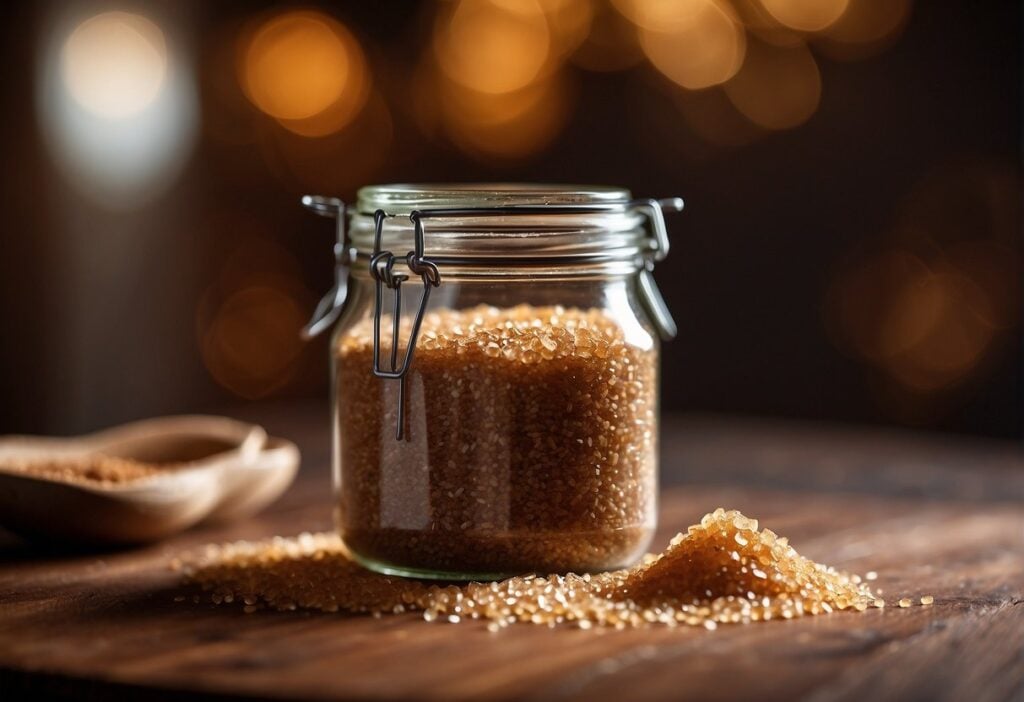
Food preservation is an age-old challenge that has been addressed through a variety of inventive methods. Brown sugar has been an integral ingredient in this endeavor for centuries. It has proven efficacy in extending the shelf life of perishable items. The crucial factor in food preservation is the control of microorganisms such as bacteria, yeast, […]

Preservation Methods Involving Brown Sugar Read More »

Coconut Milk’s Role in Thai Cooking Techniques

Coconut milk is a cornerstone of Thai cuisine, a culinary tradition known for its aromatic dishes and harmonious blend of salty, sweet, sour, and spicy flavors. When you explore the world of Thai cooking, you’ll discover that coconut milk is one of the most versatile ingredients at your disposal. It’s revered for its ability to

Coconut Milk’s Role in Thai Cooking Techniques Read More »

Almond in Saudi Arabian Cuisine

Almonds are deeply embedded in the culinary framework of Saudi Arabia. They’re a versatile and nutritious ingredient that has held its ground through the region’s rich history and cultural evolution. You’ll find almonds playing a crucial role not just in Saudi Arabia’s daily diet but also during festive celebrations. They signify hospitality and a touch

Almond in Saudi Arabian Cuisine Read More »

The Role of Great Northern Beans in Shaping North American Cuisine

Great Northern beans have a cherished place in North American cuisine. They find their way into your soups, stews, and even salads with a subtlety that belies their importance. You may recognize them as the white, medium-sized beans that are slightly larger than navy beans but smaller than cannellini beans. Their mild flavor and firm

The Role of Great Northern Beans in Shaping North American Cuisine Read More »

The Cultural Significance of Lavender in Cooking

You may associate lavender primarily with its soothing scent and use in aromatherapy, but this versatile herb holds a historic role in the culinary sphere. Its subtle floral notes and hints of mint and citrus make it a distinctive addition to both sweet and savory dishes. In cooking, lavender embodies the connection between flavor and

The Cultural Significance of Lavender in Cooking Read More »

The Texture and Consistency of Rye in Porridge and Other Cooked Foods

Rye, a grain with a rich history in culinary applications, is prized for both its nutritious profile and its ability to transform the texture and flavor of foods, particularly in porridge. When you introduce rye into your porridge or other cooked dishes, it imparts a unique, earthy flavor that is both nutty and slightly malty,

The Texture and Consistency of Rye in Porridge and Other Cooked Foods Read More »

The Chemical Composition of Vanilla Extract

Vanilla extract, your quintessential aroma enhancer, boasts a distinct and complex flavor that is irreplaceable in a myriad of your favorite desserts. The rich tapestry of its composition begins with the primary compound, vanillin, which provides the extract with its signature warm and inviting scent. This organic compound, a phenolic aldehyde, is responsible for the

The Chemical Composition of Vanilla Extract Read More »

Buckwheat as a Thickening Agent in Cooking

Buckwheat, a versatile and nutritious pseudocereal, is increasingly recognized for its role in culinary applications, especially as a thickening agent in cooking. Its ground form, buckwheat flour, brings a unique texture and flavor to various dishes, making it a favorite among chefs and home cooks seeking gluten-free alternatives to traditional thickeners like wheat flour or

Buckwheat as a Thickening Agent in Cooking Read More »