
Apricots bring a sweet-tart flavor to both desserts and savory meals throughout the summer months. These golden fruits work well in traditional bakes like cobblers and cakes.
They also add depth to meat dishes and salads. You can use fresh, dried, or canned apricots depending on what you have available and what the recipe needs.
The fruit pairs well with almonds, pistachios, and warm spices like cinnamon and nutmeg. You’ll also find practical tips for working with apricots and information about their nutritional value.

1. Fresh Apricot Cobbler
Fresh apricot cobbler makes the most of summer’s ripe fruit. You’ll layer sweet-tart apricots with a simple biscuit topping that bakes into a golden crust.
The recipe comes together quickly with basic ingredients. Toss apricots with sugar and spices, then top with drop biscuit dough before baking.
Serve your cobbler warm with vanilla ice cream or whipped cream. The contrast between the juicy fruit filling and tender topping creates a satisfying dessert.

2. Apricot Almond Cake
This cake brings together sweet apricots and nutty almonds in a simple dessert. Use fresh or dried apricots, depending on what you have available.
The cake stays moist thanks to almond flour, Greek yogurt, or almond paste in the batter. Sliced almonds on top add extra crunch and flavor.
You don’t need special baking skills to make this cake. Use ripe, good-quality apricots for the best results.

3. Apricot-Glazed Pork Tenderloin
This dish combines sweet and savory flavors in a simple weeknight meal. The glaze uses apricot preserves mixed with honey, garlic, and vinegar.
Sear the pork first, then roast it in the oven. The whole recipe takes about 30 minutes from start to finish.
Cook your tenderloin until it reaches 145 degrees in the thickest part. The glaze caramelizes during cooking, creating a golden, sticky coating on the meat.

4. Apricot and Pistachio Moroccan Meatloaf
This Moroccan-inspired meatloaf gives you a fresh take on the traditional recipe. Combine ground meat with chopped dried apricots, olives, and pistachios for a mix of sweet and savory flavors.
The apricots add natural sweetness while the pistachios provide a nutty crunch. You can make this dish ahead and freeze it for later meals.
Many versions include a chili apricot glaze brushed on during the final minutes of baking. This creates a sticky, flavorful coating.

5. Apricot Tarte Tatin
This French upside-down tart puts fresh apricots front and center. Cook the fruit in caramel before topping it with pastry and baking until golden.
The Tatin sisters created this dessert style in France. While apple is the traditional version, apricots work beautifully with the caramelized sugar.
Use store-bought puff pastry to save time. The apricots turn soft and jammy as they bake, creating sweet and tangy flavors.
Serve your tarte tatin warm with vanilla ice cream or crème fraîche. The cool, creamy topping balances the buttery pastry.

6. Apricot-Stuffed Cookies
Apricot-stuffed cookies offer a satisfying combination of buttery dough and sweet-tart filling. Make these treats using apricot jam, preserves, or fresh apricots.
Thumbprint cookies are the most popular style for this recipe. Press your thumb into each cookie before baking and fill the indent with apricot preserves.
Another option is pillow cookies, where you seal the filling between two layers of dough. Both styles deliver classic apricot flavor.

7. Caramel-Poached Apricots
Caramel-poached apricots transform fresh fruit into an elegant dessert. Simmer halved apricots in a simple caramel syrup until they’re tender and glazed.
The cooking process takes about 15 minutes. The caramel adds rich sweetness that balances the apricots’ natural tartness.
Serve them warm or cold over ice cream, yogurt, or oatmeal. They also work well as a topping for breakfast breads.
Store leftovers in the refrigerator for up to five days.

8. Apricot Jam
Homemade apricot jam is surprisingly simple to make. You only need three basic ingredients: fresh apricots, sugar, and lemon juice.
Cook pitted and chopped apricots with sugar until they break down and thicken. Apricots naturally contain enough pectin to create a good set.
Your finished jam will have a sweet and tangy flavor. Store it in sterilized jars for months.

9. Apricot and Soy Sauce Glaze for Meat
This glaze combines sweet apricot preserves with savory soy sauce for a balanced flavor. Use it on pork chops, chicken, or meatballs.
Mix apricot jam with soy sauce, rice vinegar, and minced garlic in a small pan. Heat it on medium-low until the mixture thickens slightly.
Brush it on meat while cooking or toss your protein in the sauce after it’s done. The glaze adds a sticky, sweet-and-salty coating.
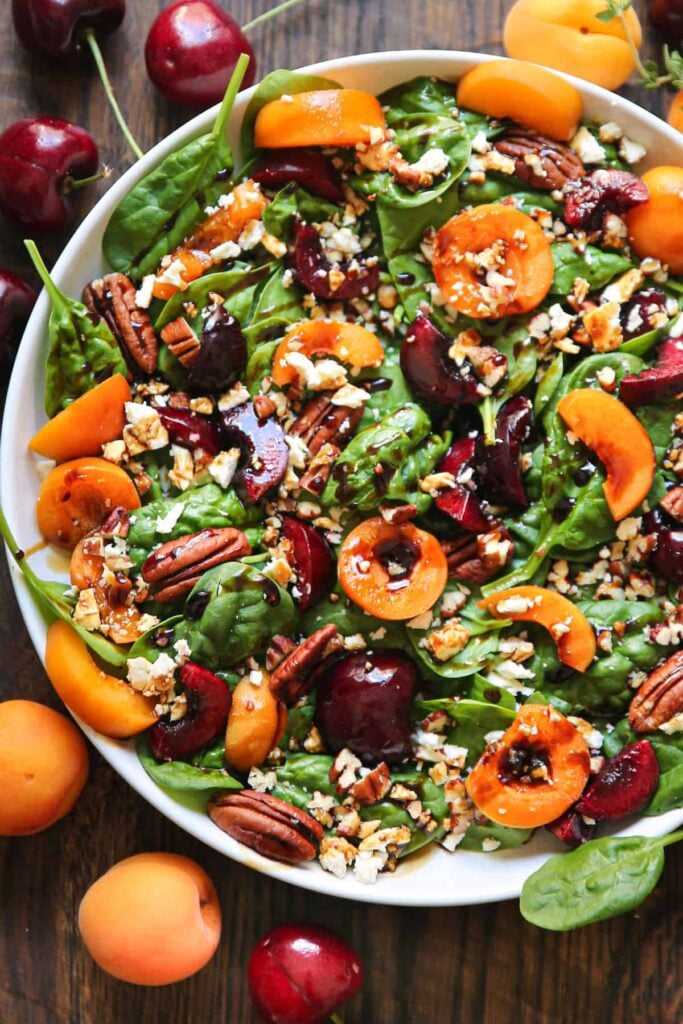
10. Apricot Salad with Mixed Greens
This salad combines fresh apricots with mixed greens for a simple summer dish. Slice ripe apricots into wedges and place them over greens like spinach or spring mix.
Add toasted nuts such as almonds, pecans, or walnuts for crunch. Crumbled feta cheese adds a creamy element.
For the dressing, whisk together olive oil and lemon juice. Some versions use an apricot vinaigrette made with dried apricots, shallots, and Dijon mustard.
The salad takes about 15 minutes to prepare.
Essential Tips for Cooking and Baking with Apricots
Getting the most from apricots means knowing how to pick ripe fruit, store it properly, and substitute between fresh, dried, and canned varieties in your recipes.
Selecting the Best Apricots
Look for apricots with a deep orange or golden color. The fruit should feel firm but give slightly when you press it gently.
Avoid apricots that are too hard, as they were picked too early and won’t ripen well. Skip any fruit with green patches near the stem.
Check the skin for blemishes or bruises. Small marks are fine, but large soft spots mean the fruit is overripe.
Fresh apricots should smell sweet and fruity at the stem end. Ripe apricots are ready to eat right away.
Firm apricots need 2-3 days at room temperature to soften. Speed up ripening by placing them in a paper bag.
How to Prepare and Store Fresh Apricots
Rinse apricots under cool water just before using them. Pat them dry with a clean towel.
Cut apricots in half by slicing around the center seam. Twist the halves in opposite directions to separate them.
Pop out the pit with your fingers or a spoon. Leave the skin on for most recipes, as the fuzzy texture softens during cooking.
Peel the skin only if your recipe specifically calls for it. Store ripe apricots in the refrigerator for up to 5 days.
Keep them in a plastic bag or container to prevent moisture loss. Unripe apricots should stay at room temperature until they soften.
To freeze fresh apricots, wash and pit them first. Cut them into halves or slices.
Toss with lemon juice to prevent browning. Spread on a baking sheet and freeze until solid, then transfer to freezer bags.
Frozen apricots keep for 8-10 months.
Swapping Fresh, Dried, and Canned Apricots
Fresh apricots work best in recipes where you want bright, tart flavor and soft texture. Use them in salads, tarts, cobblers, and fresh desserts.
They pair well with almonds, pistachios, and herbs like basil. Dried apricots add concentrated sweetness and chewiness to baked goods.
They work well in breads, muffins, granola, and winter stews. Chop them smaller if the recipe calls for fresh fruit.
Soak dried apricots in warm water for 10 minutes to soften them before adding to batters. Canned apricots are pre-cooked and very soft.
They’re convenient for quick cobblers, cakes, and sauces. Drain the syrup unless your recipe needs extra liquid and sweetness.
General substitution ratios:
- 1 pound fresh apricots = 1/2 cup dried apricots (rehydrated) = one 15-ounce can
Dried apricots are sweeter than fresh, so reduce added sugar by 2-3 tablespoons per cup when substituting. Canned apricots in syrup also mean less sugar is needed in your recipe.
Nutrition and Health Benefits of Apricots
Apricots pack important vitamins, minerals, and antioxidants into a low-calorie fruit. They support your body through fiber content, essential nutrients, and compounds that protect your cells from damage.
Vitamins and Antioxidants in Apricots
Apricots contain high levels of vitamin A, which supports your eye health and immune system function. A serving of fresh apricots provides about 8% of your daily vitamin A needs.
You’ll also get vitamin C from apricots, which helps your body heal wounds and absorb iron. The fruit contains beta-carotene, an antioxidant that gives apricots their orange color and converts to vitamin A in your body.
Key antioxidants in apricots include:
- Beta-carotene
- Lutein
- Zeaxanthin
- Vitamin C
- Vitamin E
These antioxidants protect your cells from free radical damage. Free radicals are unstable molecules that can lead to premature aging and various health conditions over time.
Ways Apricots Support a Balanced Diet
Fresh apricots are low in calories, with about 17 calories per fruit. They score low on the glycemic index, which means they won’t cause rapid spikes in your blood sugar levels.
The fiber in apricots helps regulate your digestive system and keeps you feeling full longer. Each apricot provides about 1 gram of fiber.
Apricots contain minimal fat and provide small amounts of many different nutrients your body needs. This makes them a practical choice when you want a naturally sweet snack.
You can eat them fresh during their peak season or choose dried apricots year-round for similar benefits in a more concentrated form.
Frequently Asked Questions
Apricot baking works best with fresh fruit in cobblers and tarts. Choosing firm but slightly soft apricots ensures the best cooking results.
These stone fruits adapt well to both sweet breakfast dishes and savory dinners like glazed pork or Moroccan meatloaf.
What are the top-rated apricot recipes for baking?
Fresh Apricot Cobbler stands out as a classic baking choice that highlights the fruit’s natural sweetness. The warm, bubbling fruit beneath a golden topping makes it a go-to dessert.
Apricot Almond Cake combines the tart sweetness of apricots with nutty almonds for a moist, flavorful cake. This pairing works particularly well because the nuts balance the fruit’s acidity.
Apricot Tarte Tatin offers an elegant French-style dessert where caramelized apricots sit atop buttery pastry. The upside-down presentation creates a beautiful dish that tastes as good as it looks.
Can you provide tips for choosing the ripest apricots for cooking?
Look for apricots that are ripe but still firm. The flesh should yield slightly when you press it gently.
Choose fruit with a deep orange color and a sweet fragrance. Avoid apricots that feel hard or show green tinges, as these are underripe.
Skip any fruit with soft spots, bruises, or wrinkled skin, which indicate overripeness.
What savory dishes can be made with apricots?
Apricot-Glazed Pork Tenderloin uses apricot preserves mixed with soy sauce and garlic to create a sweet and savory marinade. Bake the pork until it’s cooked through, then brush on extra glaze for added flavor.
Apricot and Pistachio Moroccan Meatloaf brings Middle Eastern flavors to your dinner table. The dried apricots add sweetness while pistachios provide crunch and texture.
Add apricots to winter stews to bring brightness to hearty dishes. Fresh apricots work well in summer salads paired with arugula and goat cheese.
How can I incorporate apricots into breakfast meals?
Start your morning with an apricot smoothie that blends fresh fruit with yogurt or milk. The natural sweetness means you need less added sugar.
Spread homemade apricot preserves on toast, scones, or English muffins. You can make a batch and store it for weeks.
Bake apricots into morning pastries, muffins, or coffee cakes. The fruit stays moist during baking and adds natural flavor.
Are there any special techniques for preserving the flavor of apricots in recipes?
Use fresh apricots when they’re in season during summer months for maximum taste. Dried apricots work better in winter dishes and baked goods where you need concentrated sweetness.
They rehydrate during cooking and add depth to stews and cakes. Wash the fruit well before using it since apricot skin is edible and contains fiber and nutrients.
Keep the skin on for extra nutrition and texture in your dishes.
What’s the best way to prepare apricots for a dessert recipe?
Wash your apricots thoroughly under cool water. Pat them dry.
Cut the fruit in half along the natural seam. Twist gently to separate the halves.
Remove the pit from the center by lifting it out with your fingers or a small spoon. You can leave the halves as they are or slice them further depending on your recipe.
For rustic desserts like cobblers, you don’t need to peel the apricots. The skin softens during baking and adds color to your finished dish.