
Apricots bring a sweet-tart flavor to both sweet and savory dishes throughout the summer months. These golden fruits work well in everything from breakfast items to main courses and desserts.
Whether you prefer fresh, dried, or preserved apricots, you can use them in many different ways.
This collection of apricot recipes shows you how to cook with apricots in glazed meats, baked goods, jams, smoothies, and elegant desserts. You will learn how to pick the best apricots and prepare them properly.
You will also discover which flavors and ingredients pair well with apricots to bring out their natural taste.
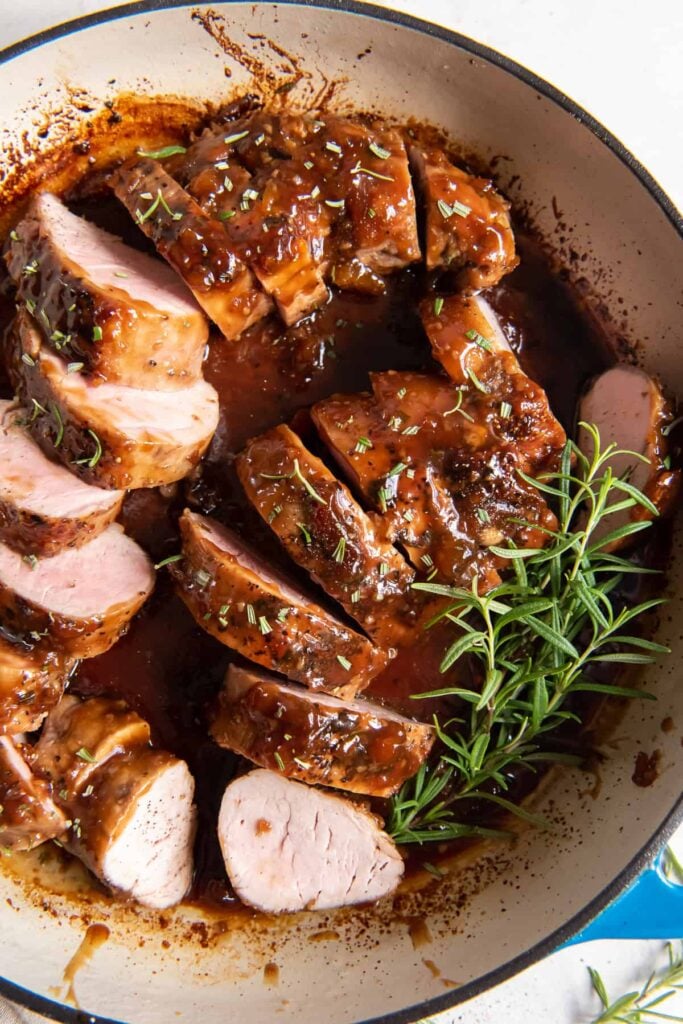
1. Apricot Glazed Pork Tenderloin
Apricot glazed pork tenderloin combines sweet and savory flavors in one simple dish. You can make this meal in about 30 minutes, which makes it perfect for busy weeknights.
The glaze uses apricot preserves mixed with ingredients like honey, garlic, and vinegar. This creates a sticky coating that caramelizes on the meat as it cooks.
Sear the pork first, then finish it in the oven. Cook it until the internal temperature reaches 145 degrees for juicy, tender results.

2. Apricot and Almond Scones
These scones bring together dried apricots and almonds in a classic pairing. The dried fruit adds a sweet and tangy flavor while the almonds provide a satisfying crunch.
Soak your dried apricots before baking to make them plump and juicy. This step improves the texture of your finished scones.
The dough comes together quickly with butter, flour, and cream. Once baked, the scones have a tender, flaky texture on the inside with golden, crisp edges.
Serve them plain or add butter and jam.

3. Fresh Apricot Jam
You only need three basic ingredients to make apricot jam at home: fresh apricots, sugar, and lemon juice. Apricots naturally contain pectin, so you don’t need to add any thickening agents.
Choose ripe but firm apricots for the best texture and flavor. The lemon juice brightens the sweetness and helps bring out the natural apricot taste.
Spread your homemade jam on toast, use it in pastries, or give it as a gift. Making small batches ensures you get the freshest flavor.

4. Apricot Chicken with Moroccan Spices
This dish combines tender chicken with sweet apricots and warm Moroccan spices. You can make it with chicken thighs or breasts, depending on your preference.
The spices typically include cumin, coriander, cinnamon, and turmeric. These blend with dried or fresh apricots to create a balanced sweet and savory flavor.
Prepare this recipe in a slow cooker or on the stovetop. Both methods result in juicy, flavorful chicken that pairs well with rice or couscous.
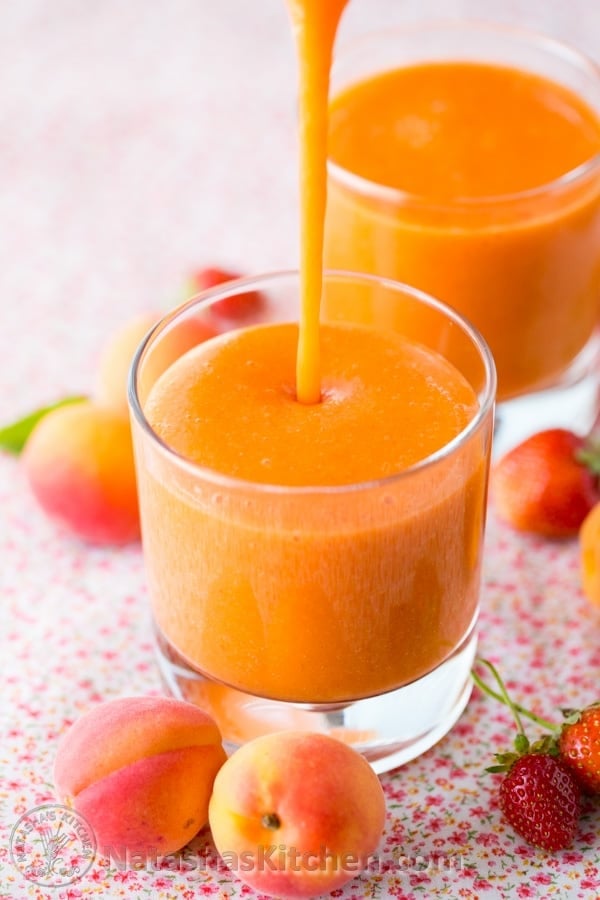
5. Apricot Smoothie with Yogurt
This smoothie combines fresh or canned apricots with creamy yogurt for a simple breakfast or snack. Greek yogurt adds protein while keeping the texture smooth and thick.
Use vanilla or plain yogurt depending on your preference. Add a splash of milk or orange juice to help everything blend easily.
The natural sweetness of apricots means you only need a small amount of honey or sugar. Throw in some ice cubes for a cold, refreshing drink that takes just minutes to make.

6. Apricot Tarte Tatin
This French upside-down tart puts fresh apricots center stage. You cook the fruit in caramel, then top it with puff pastry and bake until golden.
When you flip it over, the caramelized apricots create a beautiful glossy top. The pastry becomes flaky and buttery underneath.
Make this dessert in about 45 minutes. Serve it warm with vanilla ice cream or a dollop of crème fraîche.

7. Dried Apricot and Walnut Muffins
These muffins combine sweet apricots with crunchy walnuts for a simple breakfast or snack. You can make them in about 30 minutes using basic ingredients.
The dried apricots add natural sweetness and a chewy texture. Walnuts give each bite a satisfying crunch.
You’ll need flour, sugar, butter, and eggs along with the fruit and nuts. Most recipes use buttermilk or yogurt to keep the muffins moist.
Some versions include oats for extra nutrition. Test if they’re done by sticking a toothpick in the center.

8. Apricot and Pistachio Meatloaf
This Moroccan-inspired meatloaf brings new life to a classic comfort food. Combine ground meat with chopped dried apricots, olives, and pistachios for a dish that balances sweet and savory flavors.
The apricots add natural sweetness and keep the meat moist during cooking. Pistachios provide a pleasant crunch and nutty taste.
Freeze this meatloaf whole or cut it into individual portions for easy weeknight meals. Serve it with a simple salad or roasted vegetables for a complete dinner.

9. Apricot-Studded Cookies
You can make simple drop cookies with fresh apricot pieces mixed right into the dough. These cookies work well during summer when apricots are in season.
The fruit pieces add moisture and natural sweetness to each bite. Mix your basic cookie dough, fold in chopped fresh apricots, and drop spoonfuls onto a baking sheet.
The cookies bake quickly and stay soft in the center.

10. Caramel-Poached Apricots
Caramel-poached apricots offer a simple way to create an elegant dessert. Start by making a light caramel sauce, then gently simmer fresh apricots until they become tender.
The caramel adds a rich, sweet flavor that balances the fruit’s natural tartness. Serve these apricots warm or cold over ice cream, yogurt, or pound cake.
This recipe works well with slightly firm apricots since they hold their shape during cooking. The whole dish takes about 30 minutes to prepare.
Tips for Selecting and Prepping Apricots
Getting great results with apricots starts with choosing ripe fruit and handling it the right way. The ripeness level, storage method, and cutting technique all affect how your dishes turn out.
How to Choose the Best Apricots
Look for apricots with a deep golden-orange color and a slight give when you press them gently. The fruit should feel plump and have a sweet smell near the stem end.
Avoid apricots that are too hard, greenish, or have bruises and soft spots. A ripe apricot should have fuzzy skin without wrinkles or blemishes.
If you can only find firm apricots, ripen them at home over a few days. The variety matters too, but most grocery stores carry common types that work well for both cooking and eating fresh.
Proper Storage for Freshness
Keep unripe apricots at room temperature in a paper bag or on your counter. They will ripen in 2-3 days.
Check them daily by pressing gently near the stem. Once your apricots are ripe, move them to the refrigerator.
Store them in the crisper drawer where they will stay fresh for up to one week. Don’t wash them until you’re ready to use them.
For longer storage, freeze apricots. Wash, pit, and slice them first.
Place the pieces on a baking sheet to freeze individually, then transfer them to freezer bags. Frozen apricots last up to six months and work great for smoothies, baking, and cooked dishes.
Techniques for Pitting and Slicing
Wash your apricots under cool water and pat them dry. Cut around the middle of the fruit following the natural seam line that runs from top to bottom.
Twist the two halves in opposite directions to separate them. Use your fingers or a small spoon to pop out the pit from whichever half it stayed in.
Leave the apricots in halves or slice them further depending on your recipe. For even slices, place the halved apricot cut-side down and make cuts from top to bottom.
The skin is edible and adds color to your dishes, but peel it if your recipe calls for that.
Pairing Flavors and Ingredients
Apricots work beautifully with both sweet and savory ingredients, from nuts and spices to dairy products and meats. Understanding which flavors enhance apricots helps you create more balanced and memorable dishes.
Delicious Complements to Apricot
Almonds rank as one of the best pairings with apricots. The nutty flavor creates a natural harmony with the fruit’s sweetness.
Add sliced almonds to apricot cakes or mix almond extract into apricot desserts.
Spices and aromatics that work well include:
- Cardamom
- Ginger
- Vanilla
- Cinnamon
Dairy products like cream cheese, mascarpone, and yogurt provide creamy textures that balance apricot’s bright flavor. These ingredients work especially well in cheesecakes, tarts, and parfaits.
For savory dishes, apricots pair wonderfully with lamb and pork. The fruit’s tartness cuts through rich meat while adding a subtle sweetness.
Yellow onions also complement apricots in savory preparations like chutneys and glazes.
White wines such as Sauvignon Blanc or Pinot Grigio offer refreshing acidity that matches apricot-based dishes. Their crispness enhances the fruit without overpowering it.
Balancing Sweet and Tart
Fresh apricots naturally contain both sweet and tart notes. Adjust these flavors based on your recipe needs.
Add honey or powdered sugar to boost sweetness when working with tart apricots. This works well in desserts where you want a softer, more mellow flavor.
Start with small amounts and taste as you go. Lemon juice or zest enhances the tart side of apricots.
This brightens the overall flavor profile and prevents dishes from tasting too heavy or one-dimensional. A squeeze of lemon works particularly well in jams and preserves.
Chili peppers create an unexpected but delicious contrast with apricots. The heat balances the fruit’s sweetness while adding complexity to both sweet and savory dishes.
Frequently Asked Questions
Apricots work well in both sweet and savory recipes, from glazed meats to breakfast smoothies. Knowing how to select, prepare, and cook with fresh or dried apricots helps you get the best results.
What are some popular ways to use apricots in baking?
Use apricots in cakes, bars, scones, and pastries. Apricot almond cake combines the fruit’s tartness with nutty flavors for a balanced dessert.
Fresh apricots work well in rustic crumbles and galettes. Fold chopped apricots into scone dough for a fruity breakfast treat.
Apricot jam makes an excellent filling for thumbprint cookies and layered cakes. Dried apricots add chewy sweetness to granola bars and energy bites.
How can I incorporate fresh apricots into savory dishes?
Fresh apricots pair well with pork, chicken, and lamb. Create glazes by combining apricot preserves with soy sauce, garlic, and spices for tenderloin or roasted chicken.
Slice fresh apricots into salads with arugula and goat cheese for a sweet-tart contrast. The fruit also works in grain bowls with quinoa or couscous.
Add diced apricots to salsas or chutneys to serve alongside grilled meats. Roast apricots with olive oil and herbs to bring out their natural sweetness.
What are the best practices for preserving the flavor of apricots in recipes?
Choose ripe but firm apricots for cooking, as they hold their shape better and offer the best flavor. Wash the fruit thoroughly since the skin is edible and contains nutrients.
Cook apricots gently to prevent them from turning mushy. Lower heat and shorter cooking times help maintain their texture and taste.
When making jam or preserves, use minimal sugar to let the fruit’s natural flavor shine. Store homemade apricot preserves in sterilized jars to extend their shelf life.
Can you suggest any gluten-free apricot desserts?
Apricot smoothies made with yogurt, honey, and fresh fruit are naturally gluten-free. Blend them for a quick breakfast or snack.
Almond flour works well in gluten-free apricot cakes and tarts. The nutty flavor complements the fruit without requiring wheat flour.
Fresh apricot crumbles made with gluten-free oats and almond meal provide a simple dessert option. Make apricot compote to serve over ice cream or Greek yogurt.
What tips do you have for selecting and preparing apricots for cooking?
Look for apricots with a golden-orange color and slight give when you press them gently. Avoid fruit that feels too hard or has green patches.
Ripe apricots give off a sweet fragrance near the stem. Skip any fruit with bruises, soft spots, or wrinkled skin.
Wash apricots under cool water before use. Eat the skin or remove it by blanching the fruit in boiling water for 30 seconds, then peeling it off.
Cut apricots in half and twist to remove the pit. Slice or dice the fruit according to your recipe needs.
How do I adjust cooking times when using dried versus fresh apricots?
Dried apricots need rehydration before you use them in most recipes. Soak them in warm water, juice, or liquor for 15 to 30 minutes until they soften.
Fresh apricots cook faster than dried ones because they contain more moisture. When you substitute fresh for dried, reduce cooking time by about one-third.
Use three fresh apricots to replace one cup of dried apricots in recipes. Because dried fruit has concentrated sweetness, adjust sugar levels when you use fresh apricots instead.