
Asian desserts offer a wide range of flavors and textures that differ from Western sweets. These treats use ingredients like rice, beans, and unique fruits to create something special.
Many Asian cultures have developed their own dessert traditions over hundreds of years. You can make many popular Asian desserts at home with basic ingredients and simple techniques.
This collection brings together recipes from different Asian countries, from chewy rice-based sweets to creamy custards. You will learn about traditional favorites and discover how different regions approach making desserts.
The recipes include both well-known options and lesser-known treats that deserve attention. You will also find information about the ingredients used in these desserts and what makes them different from other types of sweets.
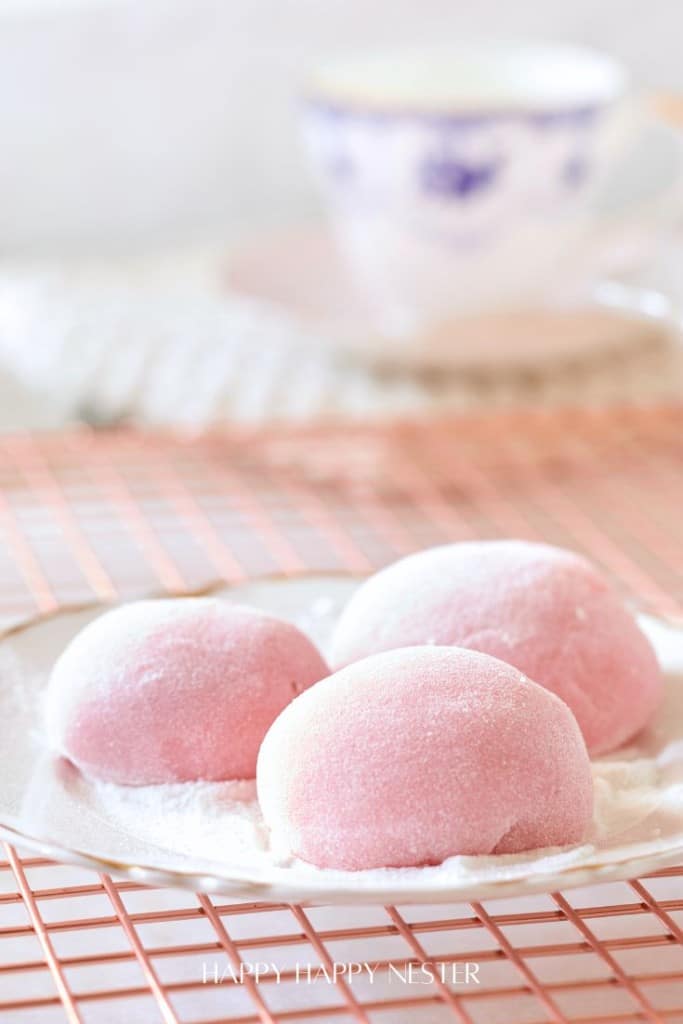
1. Mochi
Mochi is a Japanese dessert made from sweet rice flour. People love its soft, chewy texture.
You can make it at home with just a few basic ingredients like mochiko flour, sugar, and water. This treat comes in many forms.
You might find it plain, filled with sweet red bean paste, or as ice cream mochi. The dessert has become popular worldwide because of its unique chewiness.
Enjoy mochi on its own or use it in other desserts like mochi donuts.

2. Matcha Green Tea Ice Cream
Matcha ice cream combines Japanese green tea powder with cream to create a dessert that tastes earthy and slightly sweet. You’ll get a bright green color from the matcha powder.
This frozen treat offers a balance between bitter and sweet flavors. You can make it at home using matcha powder, cream, milk, sugar, and egg yolks.
Japanese restaurants and ice cream shops worldwide serve this dessert. It gives you antioxidants along with its creamy texture and unique taste.
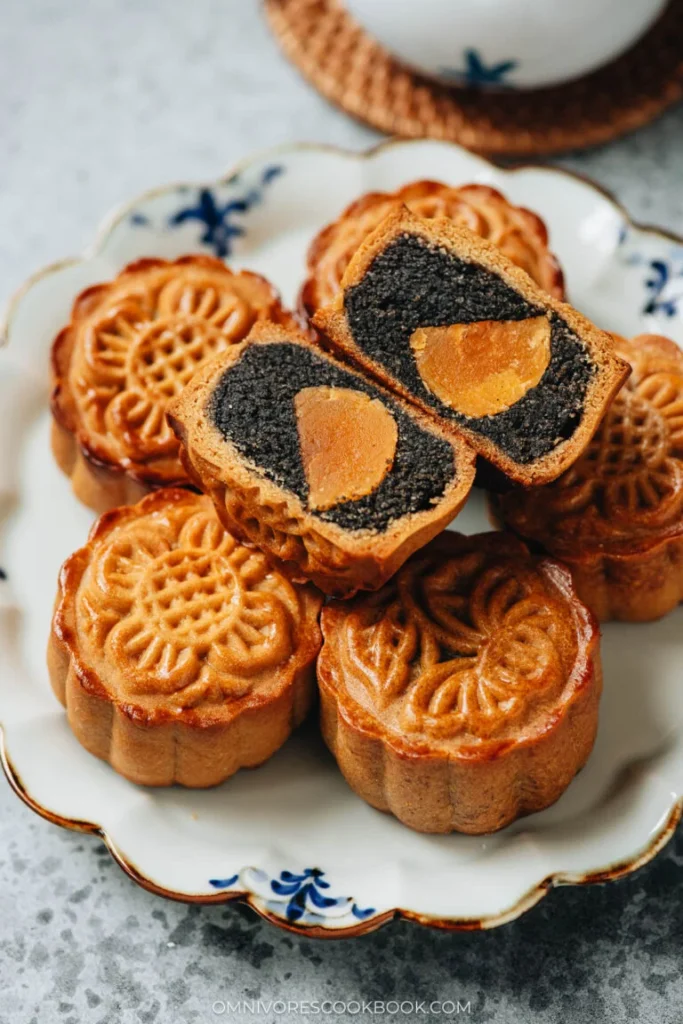
3. Mooncakes
Mooncakes are traditional Chinese pastries typically enjoyed during the Mid-Autumn Festival. These round treats come with various crusts and fillings to suit different tastes.
You’ll find classic baked mooncakes with golden crusts filled with lotus paste, red bean, or date paste. Snowskin mooncakes offer a softer, chewy texture without baking.
Modern versions include flavors like green tea, mango matcha, and durian. You can order mooncakes online from specialty bakeries or visit Asian bakeries in your area during festival season.

4. Black Sesame Soup
Black sesame soup is a traditional Chinese dessert that brings together nutty flavors with gentle sweetness. You can make this velvety treat with just a few basic ingredients like black sesame seeds, water, and sugar.
The soup has a smooth, creamy texture that feels comforting in every spoonful. Many versions are naturally vegan and gluten-free, making them suitable for different dietary needs.
You can prepare this dessert in less than 30 minutes. Toasted sesame seeds give it a rich, nutty taste that sets it apart from other sweet soups.

5. Mango Sticky Rice
This Thai dessert combines sweet sticky rice with fresh mango slices and coconut sauce. You’ll need glutinous rice, which has a chewy texture that’s different from regular rice.
The rice soaks in sweetened coconut milk after cooking. You serve it with ripe mango pieces and drizzle more coconut sauce on top.
It’s naturally gluten-free and works well as a warm-weather treat. The combination of creamy coconut, sweet rice, and juicy mango creates a balanced flavor.

6. Red Bean Paste Buns
Red bean paste buns are soft, fluffy steamed buns filled with sweet red bean paste made from adzuki beans. In Chinese, they’re called Dou Sha Bao.
You can find these buns in many Chinese bakeries and restaurants. They work well as a snack or dessert any time of day.
The sweet red bean filling has a creamy texture and mild, nutty flavor. You can make these buns at home by steaming them, or you can bake them if you prefer a different texture.

7. Durian Whipped Cream
Durian whipped cream transforms the bold tropical fruit into a light, fluffy topping. You’ll need just a few ingredients: durian flesh, heavy cream, powdered sugar, and vanilla extract.
Blend the durian and cream together, then add sugar and vanilla. Whip the mixture until stiff peaks form, which takes about five minutes.
You can spread this cream on cakes, dollop it on pancakes, or use it to fill cream puffs. The sweet durian flavor works well as a topping or enjoyed on its own.
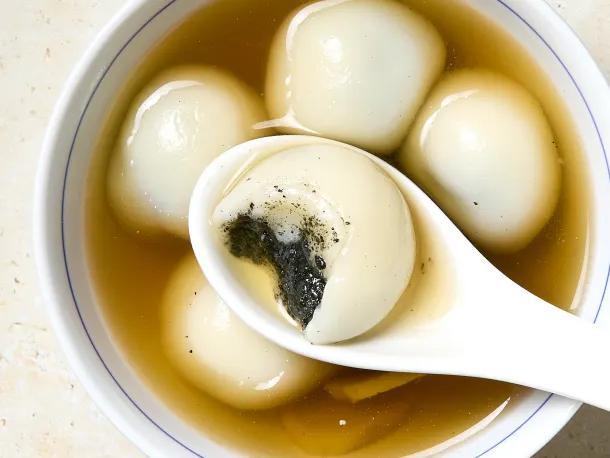
8. Tangyuan (Glutinous Rice Balls)
Tangyuan are chewy, round dumplings made from glutinous rice flour. You’ll find them filled with sweet ingredients like black sesame paste, red bean, or peanut.
These rice balls are traditionally served warm in a light ginger syrup or sweetened broth. They’re especially popular during the Lantern Festival and Winter Solstice.
The texture is soft and mochi-like on the outside. When you bite into them, the filling oozes out.
You can make them at home with just glutinous rice flour, water, and your choice of filling.

9. Jian Dui (Sesame Balls)
Jian dui are golden fried balls made from glutinous rice flour and coated in sesame seeds. You’ll find them in dim sum restaurants and Chinese bakeries.
The outside is crispy and chewy while the inside holds a sweet filling. Traditional versions use red bean paste, lotus seed paste, or peanut paste.
Modern options include cheese or chocolate. These treats are popular during Lunar New Year celebrations.
Their round golden shape represents good fortune and prosperity. You can make them at home by forming dough balls around your chosen filling, then deep-frying until they puff up.

10. Egg Tarts
Egg tarts are a beloved Chinese pastry that you’ll find at dim sum restaurants and bakeries. They feature a smooth custard filling baked inside a crispy shell.
You can choose between two main styles: Hong Kong egg tarts with flaky puff pastry or Portuguese-style with a cookie-like crust. The custard is lightly sweet and silky.
These tarts work perfectly as a dessert or snack with your coffee or tea. You’ll love the contrast between the buttery crust and creamy filling in every bite.
Regional Influences on Asian Desserts
Asian desserts vary greatly across regions due to different climates, available ingredients, and cooking traditions that have developed over hundreds of years. Each area uses specific ingredients and methods that give their sweets distinct characteristics.
Ingredients Unique to East, Southeast, and South Asia
East Asian desserts rely heavily on ingredients like matcha, red beans, and sticky rice. You’ll find these in treats like mochi and Japanese wagashi.
The region also uses less sugar compared to Western desserts, letting natural flavors stand out. Southeast Asian sweets feature coconut milk, pandan leaves, and tropical fruits as their foundation.
Countries like Thailand and Indonesia use these ingredients to create desserts with creamy textures and aromatic qualities. Palm sugar adds a deep, caramel-like sweetness that white sugar can’t match.
South Asian desserts center around milk, cardamom, and rose water. You’ll taste these in gulab jamun and other milk-based sweets.
The region also uses nuts like pistachios and almonds for both flavor and decoration. Ghee serves as a key fat in many recipes, adding richness and helping with texture.
Traditional Preparation Methods
Many Asian desserts require labor-intensive techniques passed down through generations. Mochi demands repeated pounding of rice to achieve its signature chewiness.
Some desserts take hours or even days to prepare properly. Steaming is a common cooking method across all Asian regions.
It keeps desserts moist and creates soft, delicate textures that baking cannot achieve. You’ll see this technique used for buns, cakes, and custards.
South Asian sweets often involve reducing milk slowly over heat until it thickens and concentrates. This method creates the dense, rich texture found in many traditional treats.
Southeast Asian desserts frequently use special pans with rounded indentations for uniform shaping.
Health and Nutrition in Asian Sweets
Asian desserts often feature naturally nutritious ingredients like coconut, red beans, and rice flour that provide fiber, vitamins, and minerals. Many traditional recipes balance sweetness with wholesome components that support digestion and overall health.
Common Allergens and Dietary Considerations
Dairy-free options are abundant in Asian sweets since many cultures traditionally avoid milk and butter. Coconut milk serves as the primary creamy base in Southeast Asian desserts, making them naturally lactose-free.
Gluten concerns vary by dessert type. Rice flour and glutinous rice flour create the chewy texture in mochi and rice cakes, offering safe alternatives for gluten-sensitive individuals.
However, some recipes incorporate wheat flour, so you need to check ingredients carefully. Nut allergies require attention with certain desserts.
Peanuts appear in Thai sticky rice preparations and Chinese sesame balls. Tree nuts like almonds feature in almond tofu and various Chinese sweet soups.
Common allergens to watch for:
- Sesame seeds in mochi coatings and fillings
- Soy in tofu-based desserts
- Eggs in custard tarts and some cake varieties
- Coconut in tropical desserts
Balancing Sweetness and Flavor
Asian desserts typically use less sugar than Western sweets. The sweetness level allows other flavors like coconut, matcha, or red bean to shine through naturally.
Natural sweeteners play important roles in traditional recipes. Palm sugar adds caramel notes to Thai desserts while maintaining lower glycemic levels than white sugar.
Red bean paste provides natural sweetness along with protein and fiber. Portion sizes tend to be smaller, encouraging mindful eating.
A single piece of mochi or a small bowl of sweet soup satisfies your craving without excess calories. Fresh fruit often balances richer elements.
Mango with sticky rice combines fruit vitamins with energy-rich rice. Grass jelly desserts pair mild sweetness with refreshing, cooling properties that aid digestion.
Frequently Asked Questions
Asian desserts use unique ingredients like rice flour and coconut milk. Many can be adapted for different dietary needs.
You can find authentic recipes through various sources and prepare several traditional treats quickly at home.
What are some popular ingredients used in traditional Asian desserts?
Rice flour serves as a base for many Asian sweets, including mochi and other chewy treats. Coconut milk adds richness and creaminess to desserts across Southeast Asia.
Red bean paste appears frequently in Chinese and Japanese desserts as a sweet filling. Black sesame seeds create smooth, nutty soups and paste fillings.
Matcha powder brings its distinctive green tea flavor to ice creams and cakes. Sticky rice works as the foundation for dishes like mango sticky rice.
Palm sugar and pandan leaves add unique sweetness and aroma to many Southeast Asian treats.
How can I make a vegan version of classic Asian sweet treats?
Most traditional Asian desserts already use plant-based ingredients naturally. Mango sticky rice, black sesame soup, and many mochi varieties contain no animal products.
You can replace dairy milk with coconut milk or soy milk in recipes that call for it. For matcha ice cream, use coconut cream as your base instead of regular cream.
Mooncakes sometimes contain egg yolks, but you can substitute them with mashed sweet potato or pumpkin. Agar-agar, a seaweed-based gelatin, replaces regular gelatin in jelly desserts.
Can you list the top Asian desserts that are suitable for people with gluten intolerance?
Mochi uses rice flour instead of wheat, making it safe for gluten-free diets. The chewy texture comes entirely from glutinous rice, which contains no gluten despite its name.
Matcha green tea ice cream typically contains only cream, sugar, and matcha powder. Black sesame soup uses ground sesame seeds and sugar as its main components.
Mango sticky rice combines glutinous rice with coconut milk and fresh mango, all naturally gluten-free ingredients. Most traditional mooncakes contain wheat flour, but you can find versions made with rice flour.
Always check labels on store-bought items to verify ingredients.
What is the historical significance behind certain famous Asian desserts?
Mooncakes date back to the Yuan Dynasty in China, where people used them to hide secret messages during a rebellion. Families now share them during the Mid-Autumn Festival to celebrate the harvest moon.
Mochi has roots in Japanese New Year celebrations, where it symbolizes good fortune. The labor-intensive process of pounding rice into paste traditionally brought communities together.
Mango sticky rice reflects Thailand’s agricultural heritage, combining two of the country’s main crops. The dessert showcases the importance of rice farming in Southeast Asian culture.
Could you recommend some Asian desserts that are quick and easy to prepare at home?
Black sesame soup takes only 15 minutes to make with ground black sesame paste, water, and sugar. Heat and stir the ingredients until smooth.
Matcha green tea ice cream requires just a few ingredients mixed together and frozen. Stir it every hour while freezing to achieve a creamy texture.
To make mango sticky rice, cook sticky rice and heat coconut milk with sugar. Slice fresh mango to serve alongside the rice.
Where can I find authentic recipes for Asian desserts?
Asian food blogs run by home cooks from various Asian countries provide detailed instructions and personal tips. These sites often include step-by-step photos and common troubleshooting advice.
YouTube channels dedicated to Asian cooking show you the techniques visually. You can watch the texture and consistency you should aim for at each step.
Cookbooks written by Asian pastry chefs offer traditional recipes with cultural context. Asian grocery stores sometimes provide recipe cards near specialty ingredients.