
Asian cooking brings together bold flavors and fresh ingredients. The mix of sweet, salty, sour, and spicy tastes creates dishes that are both comforting and exciting.
You don’t need to order takeout to enjoy these flavors at home. Making authentic Asian dishes in your own kitchen is easier than you might think when you have the right recipes and techniques.
From quick stir-fries on busy weeknights to more detailed dishes for special occasions, you can create restaurant-quality meals with simple ingredients. Whether you want to try Thai curries, Japanese ramen, or Korean rice bowls, these recipes will help you explore different flavors and cooking methods.
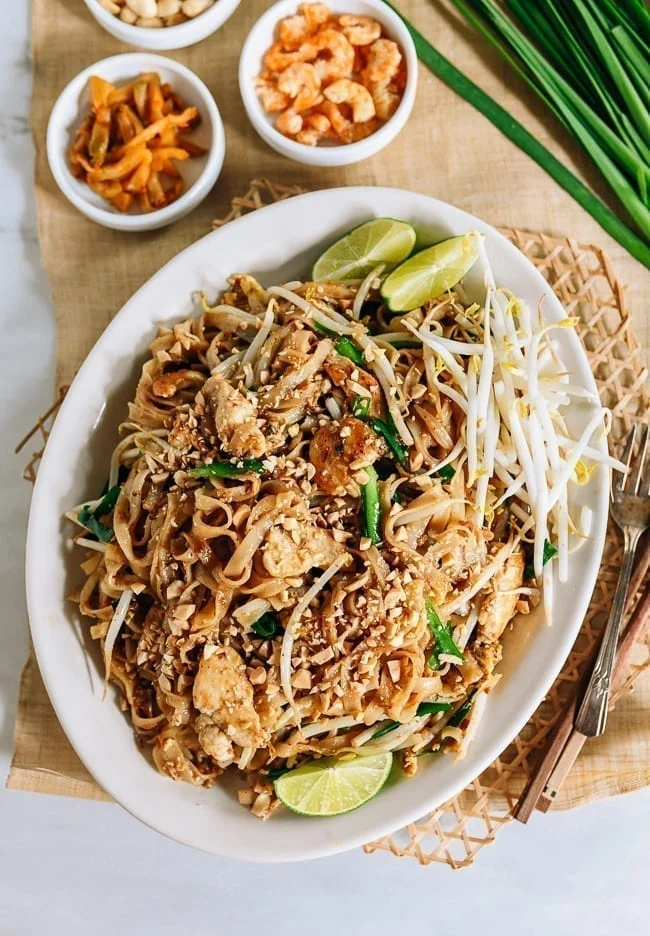
1. Classic Chicken Pad Thai with Tamarind Sauce
Pad Thai brings together rice noodles, tender chicken, eggs, and crunchy peanuts in one pan. The sauce makes this dish special with its balance of sweet, salty, and sour flavors.
You need tamarind paste, fish sauce, and palm sugar for an authentic taste. Tamarind gives you that tangy flavor you can’t get from lime juice alone.
Fresh bean sprouts and lime wedges go on top when you serve it. You can make this popular Thai street food at home in under 30 minutes.

2. Vietnamese Pho with Beef and Fresh Herbs
Pho is Vietnam’s most famous noodle soup. You’ll find flat rice noodles in a rich, aromatic broth topped with tender beef and fresh herbs.
Simmer beef bones with toasted spices like star anise, cinnamon, and cloves to get the broth’s deep flavor. This process takes time but creates an unforgettable taste.
You can make pho with chicken, but the classic version uses beef. Top your bowl with bean sprouts, fresh basil, lime wedges, and jalapeños for the authentic experience.

3. Mongolian Beef Stir-Fry
Mongolian beef combines tender strips of beef with a sweet and savory sauce. You can make this popular restaurant dish at home in about 30 minutes.
Use a simple marinade with baking soda to make the beef tender, even when you use budget-friendly cuts. The sauce uses basic ingredients like soy sauce, brown sugar, and garlic.
Stir-fry the beef quickly over high heat to keep it juicy. Serve it over rice or noodles for a complete meal your family will enjoy.
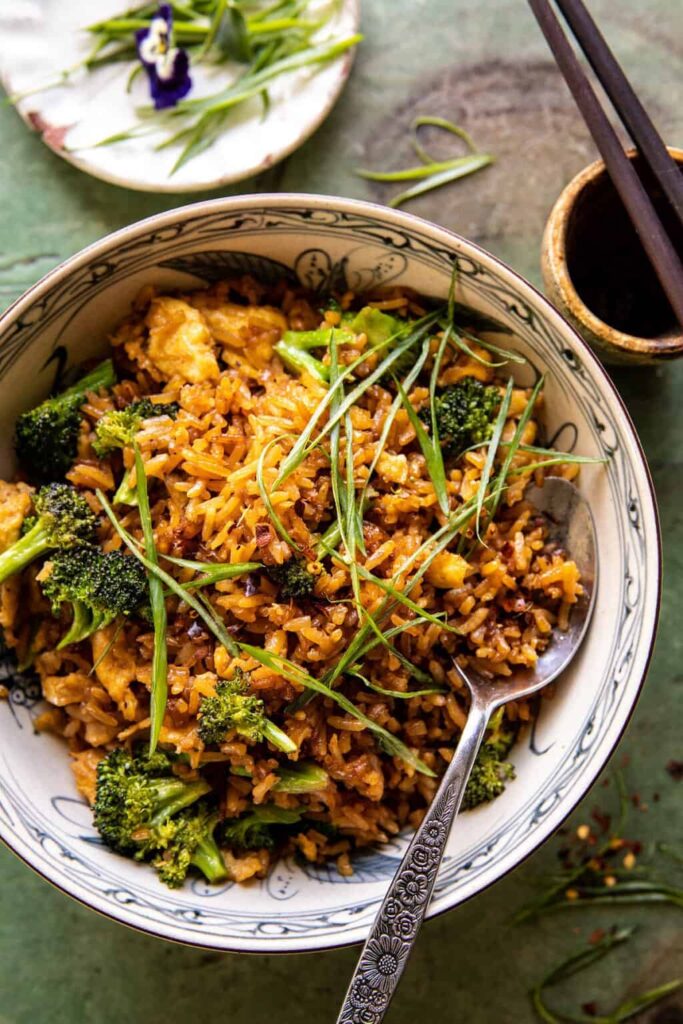
4. Vegetable Fried Rice with Soy Sauce
Vegetable fried rice makes a quick weeknight meal that uses leftover rice and whatever vegetables you have on hand. You can prepare this dish in under 30 minutes with simple ingredients.
The recipe combines rice, soy sauce, and mixed vegetables like peas, carrots, and green onions. Cook everything in a hot pan or wok to get the right texture.
Day-old rice works better than fresh rice because it’s drier and won’t get mushy when you stir-fry it.
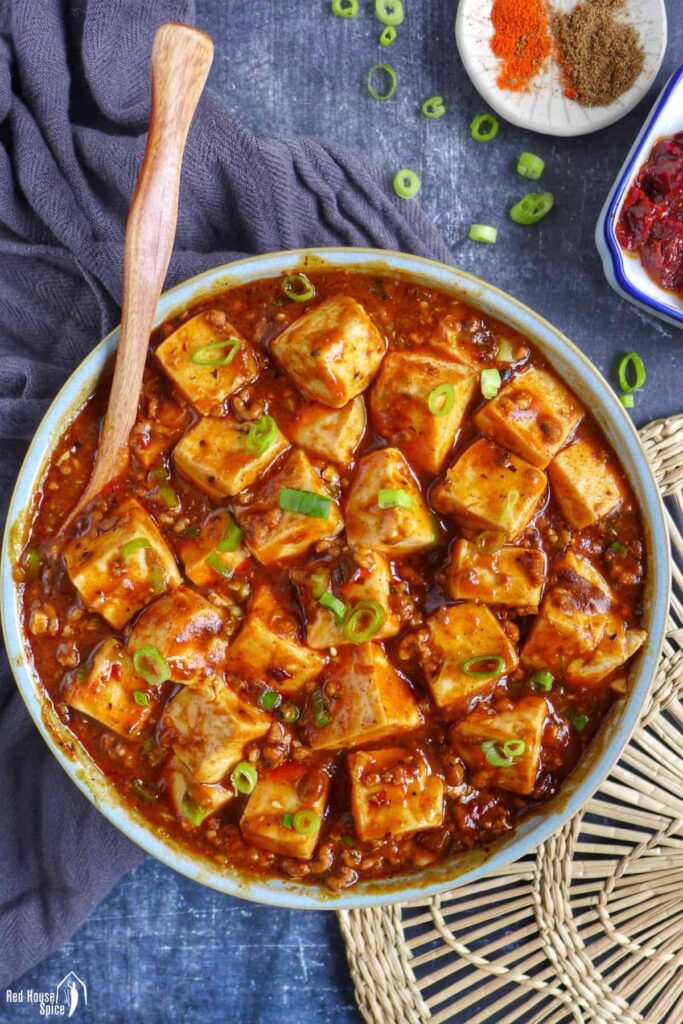
5. Spicy Szechuan Mapo Tofu
Mapo tofu brings the bold flavors of Sichuan cooking right to your table. You’ll need soft tofu, ground meat, and doubanjiang, which is a spicy fermented bean paste.
Sichuan peppercorns create a tingling feeling on your tongue and give the dish its special taste. You can make it with pork, beef, or skip the meat entirely for a vegetarian version.
The sauce combines chili bean paste, garlic, ginger, and soy sauce. You can have this meal ready in about 20 minutes, making it perfect for busy weeknights.
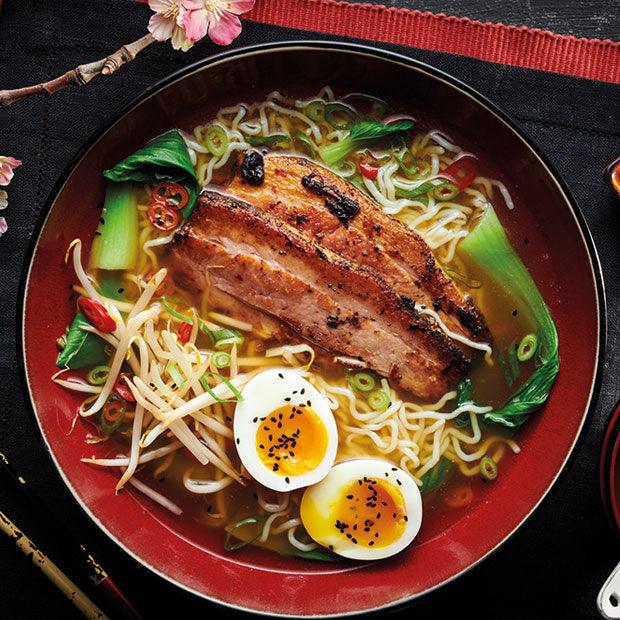
6. Japanese Ramen with Pork Belly
Japanese ramen with pork belly combines tender meat, chewy noodles, and savory broth in one bowl. You can make this dish at home with fresh ramen noodles and pork belly from your local butcher or Asian market.
Select pork belly with a good balance of meat and fat layers. Roast it with a simple marinade until it’s tender and flavorful.
The broth brings everything together with its rich taste. Top your ramen with soft-boiled eggs and fresh vegetables for a complete meal.
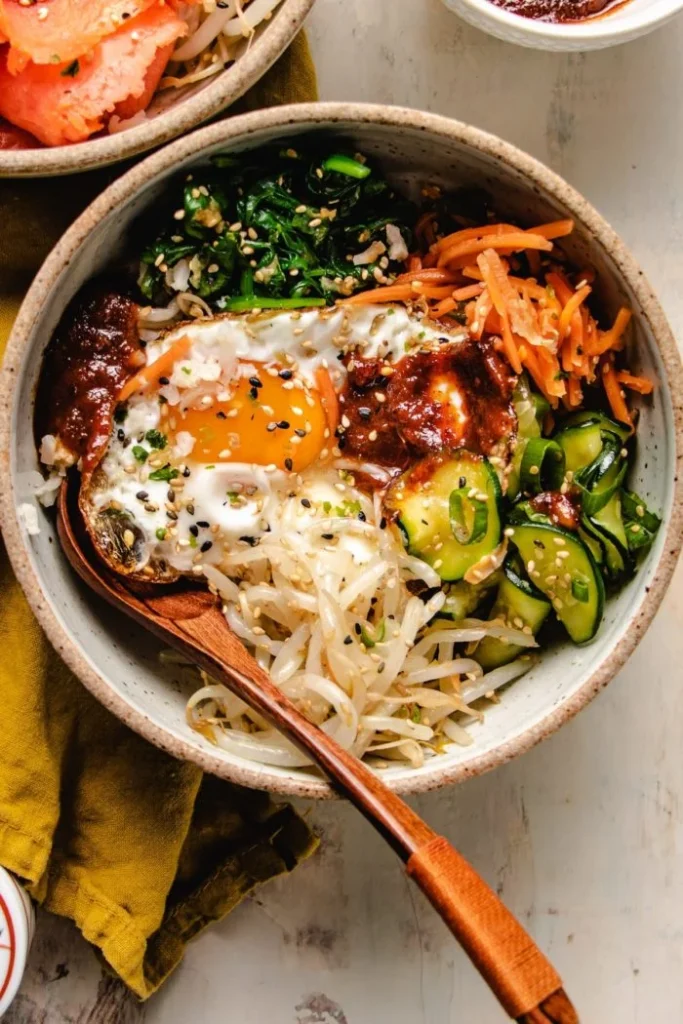
7. Korean Bibimbap with Mixed Vegetables
Bibimbap translates to “mixed rice with meat and assorted vegetables.” This Korean rice bowl combines warm white rice with sautéed and seasoned vegetables, protein, and a fried egg on top.
Gochujang, a Korean chili paste, adds spice and depth. You can customize bibimbap with your preferred vegetables and proteins.
Mix everything together before eating. This blends the flavors and creates a satisfying one-bowl meal that’s both nutritious and filling.
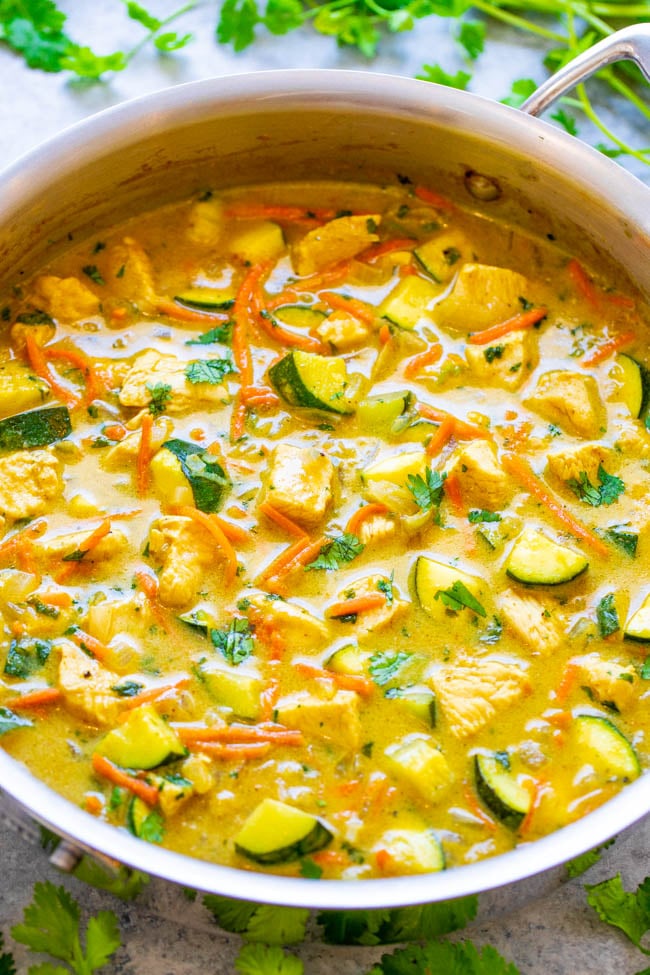
8. Thai Green Curry with Coconut Milk
Thai green curry stands out for its bright color and bold flavors. You make it with green curry paste, coconut milk, and your choice of protein like chicken, shrimp, or tofu.
The curry paste contains fresh green chilies, which give the dish its signature color and heat. Balance the spice with fish sauce for saltiness and a bit of sugar for sweetness.
The creamy coconut milk base brings everything together. Add vegetables like bell peppers, bamboo shoots, or eggplant for extra texture and nutrition.

9. Chinese Dumplings with Pork and Cabbage
Chinese pork and cabbage dumplings are a classic dish you can make at home. The filling combines ground pork with chopped cabbage, ginger, and garlic.
Soy sauce and sesame oil add flavor. Wrap the mixture in dumpling wrappers and cook them by steaming, boiling, or pan-frying.
Dumplings work well for meal prep since you can freeze them before cooking. Prepare the filling up to three days ahead and store it in your refrigerator.

10. Teriyaki Salmon with Sesame Seeds
This dish combines tender salmon with a sweet and savory glaze. The teriyaki sauce balances soy sauce, sugar, and other simple ingredients to create deep flavor.
Coat the salmon in sesame seeds for a nutty crunch. The seeds toast as the fish cooks, adding texture to each bite.
You can serve it over rice with steamed vegetables for a complete meal.
Essential Pantry Staples for Asian Cooking
A well-stocked pantry makes Asian cooking simple and accessible. The right sauces, spices, and base ingredients let you create authentic flavors without hunting for special items before each meal.
Must-Have Sauces and Condiments
Soy sauce forms the backbone of most Asian cooking. You need both light soy sauce for seasoning and dark soy sauce for color and depth.
Rice vinegar adds the bright, mild acidity that balances rich dishes. It works in dressings, marinades, and dipping sauces without overpowering other flavors.
Sesame oil delivers a nutty aroma that transforms simple dishes. Use it as a finishing oil rather than for cooking, since high heat destroys its delicate flavor.
Oyster sauce brings savory sweetness to stir-fries and vegetables. Fish sauce does similar work in Southeast Asian recipes, adding salty depth that you can’t get from other ingredients.
Hoisin sauce and chili paste round out your collection. Hoisin works in marinades and as a table condiment, while chili paste lets you control heat levels in any dish.
Spices and Aromatics
Fresh ginger and garlic are non-negotiable. Buy them fresh and store ginger in the freezer for easy grating.
Garlic keeps for weeks at room temperature in a dry spot. Five-spice powder combines star anise, cloves, cinnamon, Sichuan pepper, and fennel seeds into one versatile blend.
It works in both sweet and savory recipes. White pepper provides heat without the dark specks of black pepper.
Chinese cooking uses it heavily in soups and light-colored dishes. Ground white pepper loses potency quickly, so replace it every few months.
Green onions and dried red chilies add finishing touches. Keep green onions in your fridge and dried chilies in your pantry for months of use.
Selecting the Right Rice and Noodles
Jasmine rice works for most everyday meals. It cooks up fluffy and slightly sticky, perfect for serving alongside stir-fries and curries.
Short-grain rice becomes sticky when cooked, which you need for Japanese and Korean dishes. Rice noodles come in various widths.
Thin vermicelli work in soups and spring rolls. Wide flat noodles suit pad thai and stir-fries.
They store indefinitely in your pantry. Dried wheat noodles like ramen, udon, and lo mein each have distinct textures.
Ramen cooks quickly for soups. Udon offers thick, chewy texture.
Lo mein holds up well in stir-fries with heavy sauces. Buy a variety pack of each noodle type to discover which ones you prefer.
They all have long shelf lives and take just minutes to prepare.
Tips for Mastering Asian Cooking Techniques
Success in Asian cooking depends on controlling high heat quickly and understanding how sweet, salty, sour, and umami work together. These two skills form the foundation of most Asian dishes.
Proper Stir-Frying Methods
Your wok needs to reach temperatures between 400-500°F before you add any ingredients. Heat the empty wok for 2-3 minutes over high heat until a drop of water evaporates immediately on contact.
Add oil and swirl it around the sides of the wok. The oil should shimmer and move easily but not smoke heavily.
If it smokes, your heat is too high. Key stir-frying steps:
- Cut all ingredients into uniform sizes for even cooking
- Add ingredients in order of cooking time (longest to shortest)
- Keep food moving constantly with a spatula or by tossing
- Work in small batches to maintain high heat
Your ingredients should sear and cook within 3-5 minutes total. Overcrowding the wok drops the temperature and makes food steam instead of stir-fry.
Cook proteins first, remove them, then cook vegetables and add the protein back at the end.
Balancing Flavors in Asian Dishes
Asian cooking relies on four main taste elements: salty, sweet, sour, and umami. Taste and adjust throughout cooking, not just at the end.
Start with salty elements like soy sauce or fish sauce as your base. Add a smaller amount of sweet (sugar, mirin, or honey) to balance the saltiness.
Include sour notes from rice vinegar, lime juice, or tamarind. Common flavor ratios:
| Flavor Profile | Salty | Sweet | Sour | Umami |
|---|---|---|---|---|
| Chinese Stir-Fry | 3 parts | 1 part | 1 part | 2 parts |
| Thai Sauce | 2 parts | 2 parts | 2 parts | 1 part |
| Japanese Teriyaki | 2 parts | 2 parts | 0.5 parts | 1 part |
Umami comes from ingredients like mushrooms, miso, or oyster sauce. Add small amounts at a time and taste between additions.
Frequently Asked Questions
Asian cooking involves specific ingredients, techniques, and flavor principles that can seem challenging at first. These questions address common concerns about ingredients, dietary adaptations, and cooking methods to help you succeed in your kitchen.
What are some classic Asian dishes that every home cook should try?
Start with stir-fries like Mongolian beef, which teach you high-heat cooking and sauce building. Fried rice dishes help you master the balance of ingredients and seasoning while using simple techniques.
Noodle dishes like Pad Thai and Vietnamese pho introduce you to different Asian flavor profiles. Pad Thai combines sweet, sour, and savory elements with tamarind sauce.
Pho teaches you about building complex broths with spices like star anise and cinnamon. Mapo tofu is a great entry point for Szechuan cuisine.
It shows you how to work with bold spices and create numbing heat with Szechuan peppercorns.
How can I adapt traditional Asian recipes for vegetarian or vegan diets?
Replace meat with firm tofu, tempeh, or mushrooms in most stir-fries and curries. These ingredients absorb sauces well and provide good texture.
Use vegetable broth instead of chicken or beef broth in soups and noodle dishes. Add dried mushrooms to vegetable broth to create a deeper, more complex flavor.
Swap fish sauce with soy sauce or tamari for a vegetarian option. Add a small amount of seaweed or miso paste to recreate the umami depth that fish sauce provides.
What essential spices and pantry items do I need to start cooking Asian cuisine at home?
Stock soy sauce, sesame oil, and rice vinegar as your base liquids. These ingredients appear in recipes across multiple Asian cuisines.
Keep ginger, garlic, and scallions fresh in your kitchen. This trio forms the aromatic base for countless stir-fries, soups, and marinades.
Add chili paste, fish sauce, and oyster sauce to your pantry for deeper flavors. Buy rice noodles, dried mushrooms, and cornstarch for texture and thickening.
Are there any quick and easy Asian recipes suitable for weeknight dinners?
Vegetable fried rice takes less than 20 minutes from start to finish. Use leftover rice and whatever vegetables you have available.
Stir-fries work well for busy nights because they cook in under 15 minutes. Mongolian beef and similar dishes require only basic prep work and one pan.
Simple noodle dishes with pre-made sauces offer quick solutions. Mix cooked noodles with soy sauce, sesame oil, and fresh vegetables for a complete meal in minutes.
How can I ensure authentic flavors when cooking Asian dishes at home?
Buy ingredients from Asian grocery stores when possible. These stores stock authentic brands and fresh produce like Thai basil, lemongrass, and specialty mushrooms.
Follow traditional cooking methods like high-heat stir-frying and proper wok technique. The cooking method affects flavor development as much as the ingredients.
Taste your food as you cook and adjust seasonings gradually. Many Asian dishes rely on layered flavors that build throughout the cooking process.
Can you suggest methods for achieving the perfect balance of flavors in Asian cooking?
Asian cuisine typically balances five key flavors: sweet, salty, sour, bitter, and umami. Start with small amounts of each element and taste frequently as you adjust.
Add sugar or honey for sweetness. Use soy sauce or fish sauce for saltiness, and add lime juice or vinegar for sourness.
Balance these three first before adjusting spice levels. Taste your dish multiple times during cooking.
Make small adjustments until the flavors work together without one element overpowering the others.