
Asian soups offer a wide range of flavors, from light and aromatic to rich and spicy. These dishes come from different countries across Asia, each with its own cooking methods and ingredient choices.
You can find everything from quick weeknight meals to slow-simmered broths that take hours to prepare. This collection brings together some of the most popular Asian soup recipes, including options from Japan, Vietnam, Thailand, Korea, China, the Philippines, and Indonesia.
You’ll learn how to make classic soups like pho, ramen, and miso soup in your own kitchen. The recipes cover different flavor profiles, whether you prefer sour, spicy, savory, or creamy soups.

1. Japanese Miso Soup with Tofu and Seaweed
This classic Japanese soup combines savory miso paste with soft tofu cubes and wakame seaweed in a light dashi broth. You can make it in about 15 minutes, which makes it ideal for busy weeknights.
The miso paste provides a rich, salty flavor while the tofu adds protein. Wakame seaweed brings minerals and a subtle ocean taste to each bowl.
You’ll find this soup works well as a starter or light meal. The ingredients are simple and available at most grocery stores.

2. Vietnamese Pho with Beef and Rice Noodles
Pho is Vietnam’s most popular noodle soup. You’ll find it served in a clear, aromatic broth made from slow-simmered beef bones and roasted spices.
The dish comes with flat rice noodles and thin slices of beef. Fresh herbs like basil and cilantro are added on top.
You can squeeze lime juice over your bowl for extra flavor. There are two main types: pho bo uses beef and pho ga uses chicken.
The beef version is more common in restaurants outside Vietnam.

3. Thai Tom Yum Goong (Spicy Shrimp Soup)
Tom Yum Goong ranks among Thailand’s most popular soups. You’ll taste a mix of spicy, sour, and savory flavors in each bowl.
The soup features shrimp in a clear broth made with lemongrass, galangal, and kaffir lime leaves. Fresh chilies add heat while lime juice brings the sour notes.
You can make this soup at home once you gather the ingredients. Many recipes use shrimp heads to build extra flavor in the broth.
Mushrooms are a common addition that cooks quickly in the hot liquid.

4. Korean Kimchi Jjigae (Kimchi Stew)
Kimchi jjigae is one of Korea’s most popular comfort foods. This spicy stew combines fermented kimchi with pork, tofu, and a flavorful broth.
The key to good kimchi jjigae is using well-aged kimchi. The fermented cabbage gives the stew its tangy, deep flavor.
You’ll simmer it with ingredients like pork belly, soft tofu, and an anchovy-based broth. The stew takes about 40 minutes to make.
It’s warm, hearty, and works well on cold days. Serve it with a bowl of steamed rice for a complete meal.
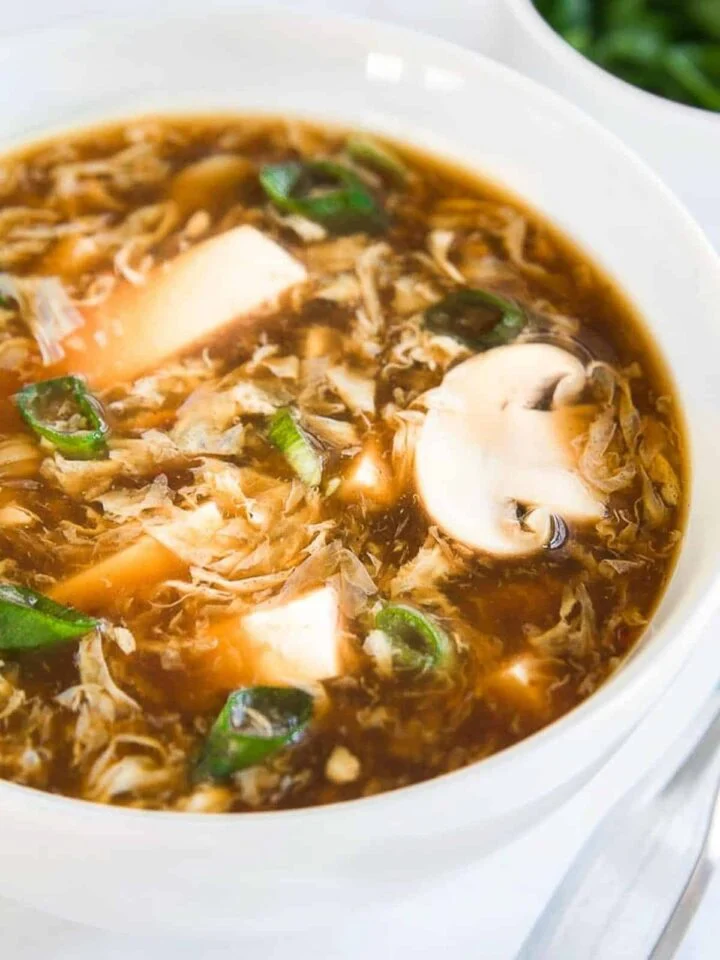
5. Chinese Hot and Sour Soup
This classic Chinese soup brings together spicy and tangy flavors in one bowl. You’ll find tender tofu, earthy mushrooms, and bamboo shoots in a rich broth.
The signature taste comes from white pepper and vinegar. Silky egg ribbons add texture to each spoonful.
You can make this soup at home in about 30 minutes. It works well as a starter or light meal on cold days.

6. Filipino Sinigang (Sour Tamarind Soup)
Sinigang is a Filipino soup known for its signature sour flavor that comes from tamarind. The broth balances tangy and savory notes using fish sauce and tamarind concentrate or soup mix packets.
You’ll simmer meat like pork or shrimp with vegetables including daikon radish, eggplant, green beans, and taro. Fresh tomatoes and onions build the base, while leafy greens like spinach get added at the end.
The key is cooking vegetables in order based on how long they need. This keeps everything tender without becoming mushy.

7. Indonesian Soto Ayam (Chicken Soup)
Soto Ayam brings the aromatic flavors of Indonesia to your kitchen. This chicken noodle soup features a clear, golden broth infused with turmeric, ginger, and lemongrass.
The soup comes together with simple ingredients and doesn’t require special cooking skills. You’ll find rice noodles in the bowl, along with shredded chicken and fresh herbs.
Top your bowl with a boiled egg, fried shallots, and a squeeze of lime. The combination creates a light yet filling meal that works well for weeknight dinners or meal prep.

8. Japanese Ramen with Pork and Egg
This classic Japanese soup combines tender sliced pork with chewy noodles in a rich, savory broth. You can use pork tenderloin or pork belly for the best results.
The traditional toppings include a soft-boiled egg with a slightly runny yolk, green onions, and mushrooms. The broth gets its deep flavor from simmering pork bones or using miso paste as a shortcut.
You’ll need ramen noodles, which have a springy texture from alkaline ingredients. Cook the noodles separately and add them to your hot broth just before serving to prevent them from getting mushy.

9. Thai Coconut Chicken Soup (Tom Kha Gai)
Tom Kha Gai is a creamy Thai soup that balances tangy, salty, and sweet flavors in one bowl. You’ll find tender chicken in a coconut milk broth infused with lemongrass, galangal, and makrut lime leaves.
This soup is milder than tom yum but just as flavorful. The coconut milk gives it a rich, comforting texture.
You can make this dish in about 30 minutes, which makes it great for weeknight dinners. Serve it with rice or noodles for a complete meal.

10. Chinese Wonton Soup
Chinese wonton soup brings restaurant-quality flavor to your kitchen with minimal effort. The dish features tender dumplings filled with seasoned pork or shrimp floating in a clear, aromatic broth.
You can make wontons from scratch or use frozen ones for a faster meal. The broth typically includes ginger, garlic, and scallions for depth of flavor.
Making wontons ahead and freezing them saves time on busy nights. Your soup will be ready in under 10 minutes when you need a quick, satisfying meal.
The Cultural Significance of Asian Soups
Soups hold deep meaning across Asian cultures, serving as daily nourishment and symbols of tradition passed through generations. These dishes connect families, mark important occasions, and reflect the unique ingredients and cooking methods of each region.
Soups in Asian Culinary Traditions
When you explore Asian culinary traditions, you’ll find that soup plays a central role in how people eat and share meals. In many Asian households, soup appears at nearly every meal, not just when someone feels sick or cold.
Japanese families often start their day with miso soup alongside rice and pickles. This simple broth contains fermented soybean paste, seaweed, and tofu.
The ingredients represent balance and health in traditional Japanese eating habits. Chinese cooking treats soup as medicine and nourishment combined.
You’ll notice that Chinese soups often simmer for hours with herbs, bones, and vegetables. These long-cooking soups aim to restore energy and support your body’s wellness.
In Southeast Asian countries like Thailand and Vietnam, soups bring together the five taste elements: sweet, sour, salty, bitter, and umami. Thai tom yum uses lemongrass, galangal, and lime leaves to create bold flavors.
Vietnamese pho combines aromatic spices with fresh herbs that you add at the table.
Celebratory and Everyday Roles
You’ll see soup at both special celebrations and ordinary weeknight dinners across Asia. Korean families prepare tteokguk, a rice cake soup, every New Year because eating it symbolizes getting a year older and gaining good luck.
During Chinese New Year, many families serve long noodle soups because the uncut noodles represent longevity. Wedding celebrations often include sweet soups in Chinese culture to wish the couple a sweet life together.
For everyday meals, soup serves practical purposes in your Asian cooking. It stretches ingredients to feed more people, uses leftover vegetables and bones, and provides hydration in hot climates.
Filipino families make sinigang, a sour tamarind soup, as regular comfort food rather than special occasion fare. When someone in your family feels unwell, Asian cultures turn to specific healing soups.
Korean samgyetang stuffs a whole chicken with ginseng and rice. Chinese cooks make congee, a rice porridge soup, gentle enough for sensitive stomachs.
Essential Ingredients for Flavorful Asian Soups
Building authentic Asian soups requires specific base ingredients that create depth and balance. The right combination of umami-rich staples and fresh aromatics transforms simple broths into memorable dishes.
Umami-Boosting Staples
Your soup needs a strong foundation of umami flavors to taste authentic. Japanese soups rely on miso paste, which comes in white, yellow, and red varieties with different intensity levels.
Dashi stock, made from kombu seaweed and bonito flakes, provides the base for many Japanese recipes. Soy sauce appears across multiple Asian cuisines and adds saltiness with complex depth.
You can use light soy sauce for subtle flavor or dark soy sauce for richer color and taste. Fish sauce is essential for Southeast Asian soups like Vietnamese pho and Thai tom yum.
It delivers a salty, savory punch that you can’t replicate with other ingredients. Other key staples include:
- Dried mushrooms – shiitake adds earthy depth to broths
- Seaweed – wakame and nori contribute minerals and ocean flavor
- Tofu – absorbs surrounding flavors while adding protein
- Sesame oil – provides nutty aroma when added at the end
Selecting Fresh Herbs and Spices
Fresh aromatics define the character of each regional soup style. Thai soups need lemongrass stalks, galangal root, and kaffir lime leaves for their signature bright taste.
You should bruise lemongrass before adding it to release oils. Ginger and garlic form the aromatic base for Chinese and many other Asian soups.
Fresh ginger works better than dried powder for clear, clean flavor. Scallions serve multiple purposes as both cooking ingredient and garnish.
You add white parts during cooking and save green tops for finishing.
Key fresh ingredients by region:
| Region | Essential Herbs & Spices |
|---|---|
| Thai | Lemongrass, galangal, lime leaves, Thai basil |
| Vietnamese | Cilantro, Thai basil, mint, star anise |
| Japanese | Shiso, yuzu, sansho pepper |
| Korean | Garlic, ginger, Korean chili flakes (gochugaru) |
Chili paste and fresh chilies control heat levels. You can adjust spiciness by removing seeds or using milder varieties.
Frequently Asked Questions
Making authentic Asian soups at home often raises questions about ingredients, substitutions, and cooking techniques. These answers will help you navigate common challenges and adapt recipes to your preferences.
What are the essential ingredients for a traditional Asian soup?
The ingredients you need depend on which type of Asian soup you’re making. Japanese soups require miso paste, dashi stock, or soy sauce as their base.
You’ll also want to keep seaweed, tofu, and scallions on hand. Thai soups call for lemongrass, galangal, and kaffir lime leaves.
Fish sauce and chili paste give these soups their signature taste. Vietnamese pho needs star anise, cinnamon, and fish sauce for the broth.
Korean soups often use gochugaru (Korean red pepper flakes) and doenjang (fermented soybean paste). Chinese soups typically require white pepper, rice vinegar, and sesame oil.
How can I make a vegetarian version of Pho?
Replace the beef broth with vegetable stock and add extra aromatics like star anise, cinnamon sticks, and cloves. Char your onions and ginger directly over a flame or under the broiler to add depth.
Use mushrooms like shiitake or oyster mushrooms to create a meaty texture. Add tofu or tempeh for protein.
You can also include extra vegetables like bok choy, carrots, and broccoli. Replace fish sauce with soy sauce or tamari.
Some cooks add a bit of miso paste to boost the umami flavor that fish sauce normally provides.
What is the secret to a rich and flavorful Ramen broth?
Long, slow cooking of bones and aromatics is key. Pork bones need to simmer for at least 12 hours to release their collagen and flavor.
Keep the broth at a rolling boil rather than a gentle simmer. Add roasted garlic, ginger, and scallions to build layers of flavor.
Include kombu (dried kelp) and dried shiitake mushrooms for umami depth. Toast your aromatics before adding them to the pot.
Tare (the seasoning base) gives each bowl its final flavor. This concentrated mixture usually contains soy sauce, mirin, and sake.
Add tare to each bowl right before serving.
Can Tom Yum soup be made without shrimp paste for a vegan diet?
You can make Tom Yum vegan by using vegetable stock and omitting the shrimp paste entirely. The soup will still have bold flavors from lemongrass, galangal, kaffir lime leaves, and chilies.
Replace fish sauce with soy sauce or a vegan fish sauce alternative. Add extra lime juice and a pinch of salt to balance the flavors.
Mushrooms, especially oyster or straw mushrooms, work well as the main ingredient. Miso paste or fermented bean paste can add depth that replaces some of the savory notes from shrimp paste.
Start with a small amount of miso or bean paste and adjust to taste.
What are some common techniques for achieving a clear broth in Japanese soups?
Start with cold water and bring it to a gentle simmer slowly. Never let the broth boil hard, as this creates cloudiness.
Skim off any foam or impurities that rise to the surface during the first 30 minutes. Use a fine-mesh strainer or cheesecloth to strain your broth.
Some cooks strain it multiple times for the clearest result. Avoid stirring the pot too much while it cooks.
For dashi, remove the kombu just before the water boils. If you use bonito flakes, turn off the heat before adding them and let them steep gently.
Strain out the bonito flakes after just a few minutes.
How do I adjust the spiciness of a Korean Kimchi Jjigae to suit my taste?
Reduce the amount of gochugaru (red pepper flakes) in the recipe if you want less heat. You can cut it in half or leave it out completely.
The stew will still have flavor from the fermented kimchi. Use mild or less fermented kimchi instead of aged, spicy varieties.
Rinse the kimchi under cold water before adding it to remove some of the spice from the surface. This also tones down the saltiness.
Add more broth or water to dilute the spiciness. You can also add a spoonful of sugar or honey to balance the heat.
Serve with extra rice, which helps absorb the spicy flavors.