
Egg noodles are a staple ingredient that works in many different types of dishes. You can use them in simple butter-based sides, hearty casseroles, warming soups, and flavorful stir-fries.
These noodles come from various cooking traditions around the world. They adapt well to both classic comfort foods and authentic international recipes.
Making egg noodles from scratch requires just a few basic ingredients like flour, eggs, and salt. The process is simpler than you might expect.
You don’t need special equipment or advanced cooking skills to create fresh noodles at home. The recipes in this guide cover everything from traditional homemade noodles to complete dishes that feature egg noodles as the main ingredient.
You’ll also find tips for preparing them correctly.
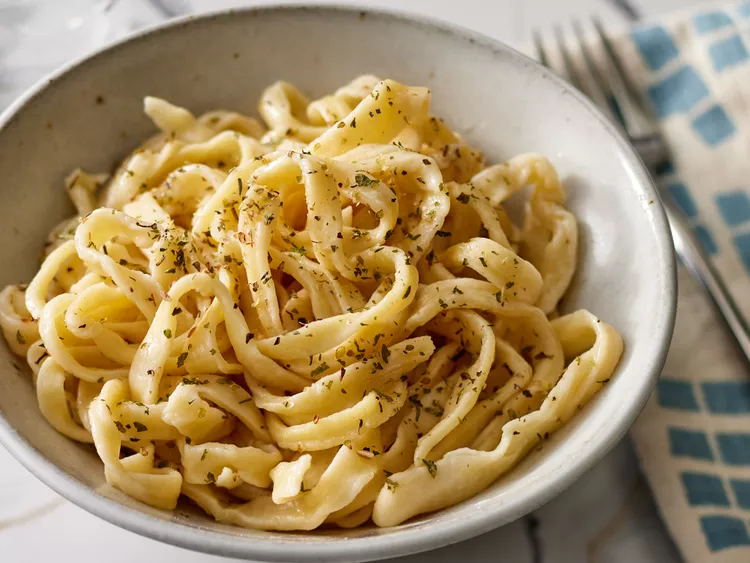
1. Classic Homemade Egg Noodles with Flour, Eggs, and Salt
You can make authentic egg noodles with just three ingredients. Mix flour, eggs, and salt to create a simple dough that rolls out easily.
These noodles work well in soups, stroganoff, or served with butter. You don’t need to roll the dough as thin as Italian pasta, which makes the process simpler.
The basic ratio is about one-half to one cup of flour per egg. Knead the dough until smooth, then let it rest before cutting into strips.

2. Grandma’s Soft Buttered Egg Noodles
You can make this simple comfort food with just a few basic ingredients. Cook your egg noodles in boiling water until they’re tender but still firm when you bite them.
Drain the noodles and return them to the pot. Add butter while the noodles are still hot so it melts evenly.
Toss in some grated Parmesan cheese and fresh parsley for extra flavor. The butter coats each noodle and creates a rich taste that works as a side dish or main meal.

3. Authentic Asian Stir-Fried Egg Noodles
Stir-fried egg noodles are a staple dish across Asia. You can make them at home in about 15 minutes with basic ingredients.
Cook your noodles until they’re tender but not mushy. Drain them well before adding to your hot pan.
You’ll need soy sauce, sesame oil, and fresh vegetables. Stir everything together over high heat for the best texture.
The noodles should have a slight chew and absorb the sauce flavors. Customize this dish with chicken, shrimp, or keep it vegetarian.
Add garlic and ginger for extra flavor.

4. Creamy Chicken and Egg Noodle Casserole
This casserole brings together tender egg noodles, cooked chicken, and vegetables in a rich, creamy sauce. You can make it with basic ingredients you likely have in your kitchen.
The dish usually includes a crunchy topping made from breadcrumbs or crackers. Bake everything together until the top turns golden brown and the sauce bubbles around the edges.
You can use leftover chicken to save time or cook fresh chicken breast for the dish.

5. Beef Stroganoff with Fresh Egg Noodles
Beef stroganoff pairs perfectly with fresh egg noodles. The wide, tender noodles catch the creamy sauce in every bite.
Brown strips of beef until they’re golden, then cook sliced mushrooms in the same pan. The sauce combines sour cream, beef broth, and sometimes a touch of Dijon mustard for tang.
Fresh egg noodles cook quickly and have a softer texture than dried pasta. They soak up the rich, savory sauce while staying pleasantly chewy.

6. Quick Buttered Egg Noodles with Parmesan
You can make this classic dish in just 15 minutes with four basic ingredients. Cook your egg noodles in salted water until tender, then drain them while saving a bit of the pasta water.
Toss the hot noodles with butter until it melts completely. Add grated Parmesan cheese and a splash of pasta water to create a light, creamy coating.
You can add fresh parsley or garlic for extra flavor if you want.

7. Traditional Egg Noodle Soup with Vegetables
Traditional egg noodle soup with vegetables brings together simple ingredients for a satisfying meal. You’ll need fresh vegetables like carrots, celery, and onions paired with tender egg noodles in a flavorful broth.
Start by cooking your vegetables until tender, then add broth and egg noodles. The soup comes together in about 30 minutes.
You can customize this recipe with whatever vegetables you have on hand. Fresh herbs add extra flavor to the finished dish.

8. Egg Noodles with Mushroom and Thyme Sauce
This dish combines tender egg noodles with earthy mushrooms and fresh thyme. You can make it in about 30 minutes on any weeknight.
Start by cooking your egg noodles in salted boiling water for 6 minutes. While they cook, sauté sliced mushrooms in butter until they turn golden brown.
Add minced garlic and fresh thyme to the pan. Pour in some cream or broth to create a simple sauce.
Toss the drained noodles with your mushroom mixture until everything is coated. The thyme adds an herby note that pairs well with the mushrooms.

9. Old-Fashioned Egg Noodles with Milk and Baking Powder
This recipe adds milk and baking powder to your basic egg noodle ingredients. The milk makes the dough easier to work with and adds richness.
The baking powder gives your noodles a slightly lighter texture. You’ll need eggs, salt, milk, flour, and baking powder.
Mix these ingredients together until you form a smooth dough. Roll it out thin and cut into strips.
These noodles work well in soups and broths. Fresh noodles cook faster than dried ones, usually in 2-3 minutes.

10. Vegetarian Egg Noodle Stir-Fry with Tofu
This dish combines egg noodles with crispy pan-fried tofu and fresh vegetables. You cook the tofu until golden, then toss it with cooked noodles and your choice of vegetables like broccoli, bell peppers, or snap peas.
The sauce brings everything together with soy sauce, garlic, and ginger. You can have this meal ready in about 20 minutes.
The tofu adds protein while the vegetables provide vitamins and fiber. You can adjust the vegetables based on what you have available.
Traditional Ingredients in Authentic Egg Noodles
Authentic egg noodles rely on just a few basic ingredients that work together to create their signature taste and texture. The quality and type of each ingredient you choose will directly affect how your noodles turn out.
Types of Flour Used
All-purpose flour works well for most egg noodle recipes. It has enough protein to create structure while keeping the noodles tender.
Some recipes call for bread flour when you want a firmer, chewier texture. Bread flour contains more protein than all-purpose flour, which builds stronger gluten networks.
This makes the noodles hold up better in soups and stews. You can also use a mix of all-purpose and semolina flour.
Semolina adds a slight yellow color and helps the noodles maintain their shape during cooking. Traditional Amish recipes often stick to plain all-purpose flour for a softer, more delicate noodle.
The flour-to-egg ratio matters more than the exact type of flour. Most authentic recipes use about 2 cups of flour for every 3 to 4 eggs.
Role of Eggs in Texture and Flavor
Eggs are what make egg noodles different from regular pasta. They add richness, color, and protein to the dough.
The egg yolks give noodles their golden color and buttery taste. Fresh eggs with bright orange yolks will create more colorful noodles than pale store-bought eggs.
The yolks also add fat, which makes the noodles tender. Egg whites provide structure and help bind the dough together.
They contain proteins that form networks when mixed with flour, giving noodles their chewy texture. Most recipes use whole eggs, but you can add an extra yolk for richer noodles.
The standard ratio is 1 egg per cup of flour, though some traditional recipes use slightly more eggs for a softer result.
Tips for Sourcing Fresh Ingredients
Fresh eggs make a real difference in homemade noodles. Look for eggs from local farms or farmers markets when possible.
The fresher the eggs, the better your noodles will taste and the brighter yellow they’ll be. Check the date on egg cartons at the store.
Eggs stay fresh for 3 to 5 weeks when refrigerated, but newer eggs work best for pasta making. Store your flour in an airtight container in a cool, dry place.
All-purpose flour stays fresh for 6 to 8 months. Smell it before using to make sure it hasn’t gone stale or rancid.
Buy flour in smaller amounts if you don’t bake often. This ensures you always work with fresh ingredients that give you the best results.
Expert Techniques for Making Homemade Egg Noodles
Making egg noodles from scratch requires the right tools, proper dough handling, and precise cutting methods. These three skills will help you create noodles with the ideal texture and shape every time.
Essential Kitchen Tools
You need just a few basic items to make egg noodles at home. A large mixing bowl and fork work well for combining ingredients.
A clean work surface like a wooden cutting board gives you space to knead the dough. A rolling pin is your most important tool for flattening the dough to the right thickness.
You can use a pasta machine if you have one, but it’s not required. A sharp knife or pizza cutter helps you cut straight, even noodles.
Keep a ruler nearby to measure thickness and width. Measuring cups and spoons help you get accurate amounts of ingredients.
A kitchen towel prevents the dough from drying out while you work.
Mixing and Kneading the Dough
Start by creating a well in your flour on a clean surface or in a large bowl. Crack eggs into the center and add salt.
Use a fork to beat the eggs, then slowly pull flour from the sides into the egg mixture. Once the dough becomes too thick to stir, use your hands to bring it together.
The dough should feel slightly sticky but not wet. Knead the dough for 8-10 minutes until it becomes smooth and elastic.
Push the dough away from you with the heels of your hands, fold it over, turn it, and repeat. The dough is ready when it bounces back slightly when you press it with your finger.
Wrap the kneaded dough in plastic wrap and let it rest for 30 minutes at room temperature. This resting time relaxes the gluten and makes rolling easier.
Rolling, Shaping, and Cutting Noodles
Divide your rested dough into two or three smaller pieces. Keep the pieces you’re not working with covered to prevent drying.
Lightly flour your work surface and rolling pin. Roll the dough from the center outward, turning it often to maintain an even thickness.
Aim for about 1/8 inch thick, or slightly thinner if you prefer delicate noodles. Thicker noodles work better for soups and stews.
Let the rolled dough sit for 10 minutes to dry slightly. This prevents the noodles from sticking together when cut.
Lightly dust the surface with flour, then roll or fold the dough loosely. Cut the dough into strips using a sharp knife.
Make them 1/4 inch wide for thin noodles or up to 1 inch for wide noodles. Unroll the cut noodles and separate them gently.
Dust with more flour if they stick together.
Frequently Asked Questions
Making egg noodles from scratch involves basic ingredients and simple techniques. You may have questions about health considerations, beginner methods, and ingredient choices.
How can I make a healthy egg noodle dish?
You can make healthier egg noodles by using whole wheat flour instead of all-purpose flour. This adds more fiber and nutrients to your noodles.
Consider portion control when serving egg noodles. A standard serving size is about 2 ounces of dry noodles per person.
Add vegetables like spinach, carrots, or zucchini to your noodle dishes. These boost the nutritional value without adding many calories.
You can also reduce the number of egg yolks in your recipe and use more egg whites to lower cholesterol content.
What are some easy egg noodle recipes for beginners?
Buttered egg noodles are the simplest recipe for beginners. You just cook the noodles according to package directions and toss them with butter and salt.
Chicken noodle soup is another beginner-friendly option. You combine cooked noodles with chicken broth, shredded chicken, and vegetables.
A basic three-ingredient egg noodle recipe uses only flour, eggs, and salt. Mix these together, roll out the dough, cut it into strips, and cook the noodles in boiling water for a few minutes.
What ingredients are essential for a traditional egg noodle recipe?
Traditional egg noodles require three basic ingredients: all-purpose flour, eggs, and salt. These create the foundation for authentic homemade noodles.
The standard ratio is about 2 cups of flour to 3 eggs. Use approximately 1/2 teaspoon of salt to enhance the flavor.
Some recipes add a small amount of water if the dough feels too dry. This helps bind the ingredients together and makes the dough easier to work with.
How can I incorporate chicken into an egg noodle recipe?
Chicken pairs well with egg noodles in soups, casseroles, and stroganoff dishes. Use cooked, shredded chicken breast or thighs depending on your preference.
For chicken noodle soup, add diced chicken to broth along with cooked egg noodles and vegetables. Chicken stroganoff combines sautéed chicken pieces with a creamy sauce served over egg noodles.
Chicken alfredo with egg noodles uses grilled or pan-seared chicken topped with a rich cream and parmesan sauce. For casseroles, layer cooked egg noodles with chicken, vegetables, and cheese before baking.
What are the steps for creating homemade egg noodles like the Pioneer Woman?
Mix flour and salt in a large bowl. Create a well in the center and crack your eggs into it.
Beat the eggs with a fork and gradually incorporate the flour from the sides. Knead the dough on a floured surface for about 5 minutes until smooth.
Let the dough rest for 30 minutes covered with a towel. Roll it out thin on a floured surface and cut it into your desired noodle width.
Dust the cut noodles with flour to prevent sticking. Cook them in boiling salted water for 2-3 minutes.
What flour yields the best results when making egg pasta?
All-purpose flour works best for most egg noodle recipes. It provides the right protein content and creates tender noodles with good texture.
Some cooks prefer bread flour for a chewier texture. Bread flour has higher protein content and creates firmer noodles that hold up well in soups and stews.
You can use “00” flour for a more refined Italian-style pasta texture. This finely ground flour makes silky smooth noodles, though it costs more than regular all-purpose flour.