
Japanese desserts offer a different approach to sweets compared to Western treats. These desserts focus on subtle flavors, careful presentation, and traditional ingredients that have been used for centuries.
Many of these sweets connect to Japanese tea ceremonies and seasonal celebrations. From chewy rice cakes to delicate bean-based confections, these desserts highlight the skill and attention to detail that make Japanese sweets special.
Each type of dessert brings its own texture, taste, and history to your table. This guide covers classic Japanese sweets and explains what makes them unique.
You will learn about the key ingredients used in these desserts and understand why they hold an important place in Japanese culture.
1. Mochi
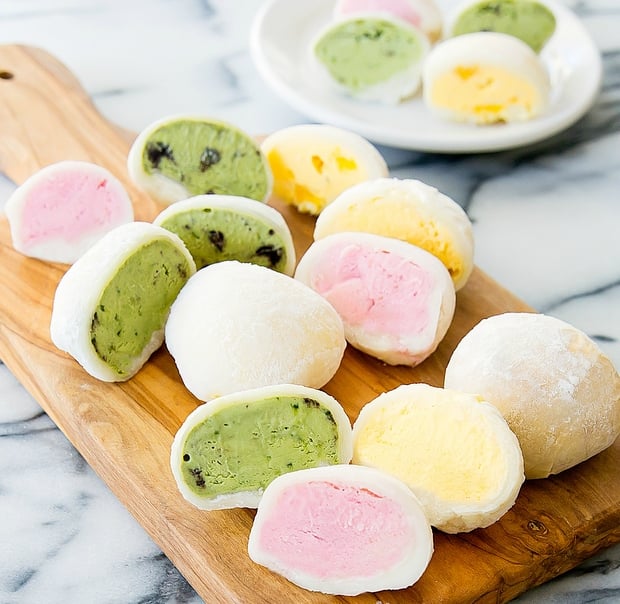
Mochi is a traditional Japanese rice cake made from glutinous rice that’s been pounded into a thick, smooth paste. The rice is steamed or boiled, then shaped into small circular forms with a distinctive chewy texture.
You’ll find mochi in countless varieties and flavors. Classic options include plain mochi, matcha-flavored versions, and daifuku filled with sweet red bean paste.
Some varieties feature fresh strawberries or seasonal ingredients. Mochi holds special importance in Japanese culture, particularly during New Year celebrations and seasonal festivals.
You can enjoy it year-round as a convenient snack that requires no preparation.
2. Daifuku
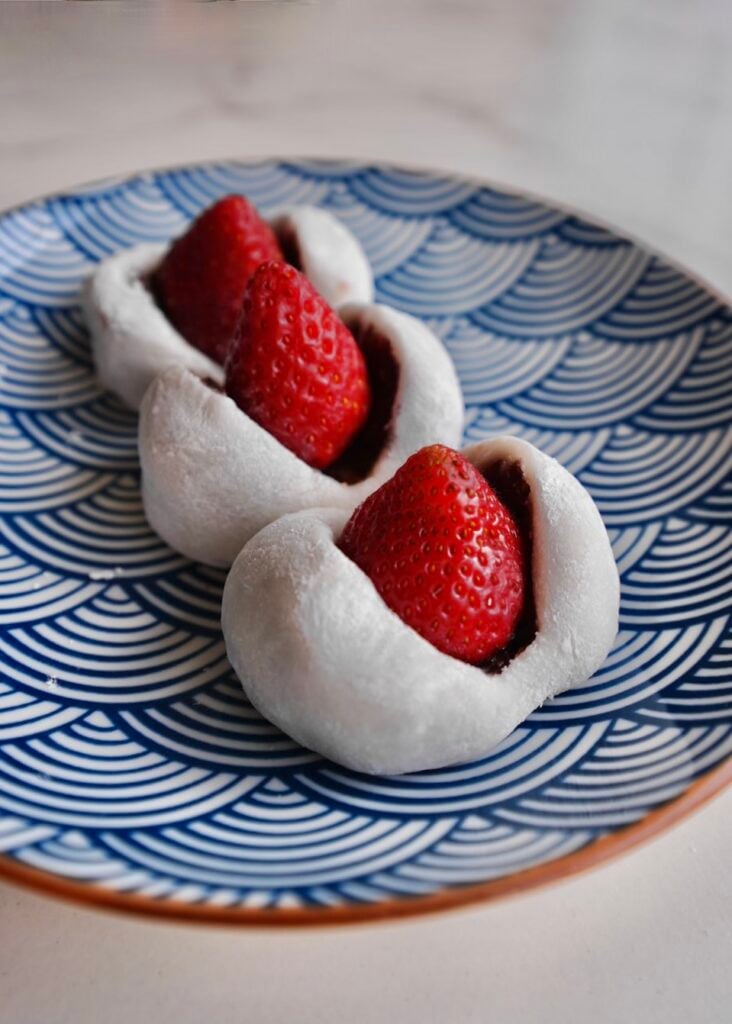
Daifuku is a classic Japanese sweet made from soft, chewy mochi wrapped around a sweet filling. The outer shell uses pounded glutinous rice, while the center typically contains anko, a sweet red bean paste.
You’ll find many variations of this treat throughout Japan. Popular versions include ichigo daifuku with whole strawberries inside, plus flavors like chocolate and cream cheese.
The mochi is usually dusted with potato starch or powdered sugar to prevent sticking. You can buy daifuku at convenience stores, supermarkets, dessert shops, and traditional wagashi shops across Japan.
3. Dorayaki
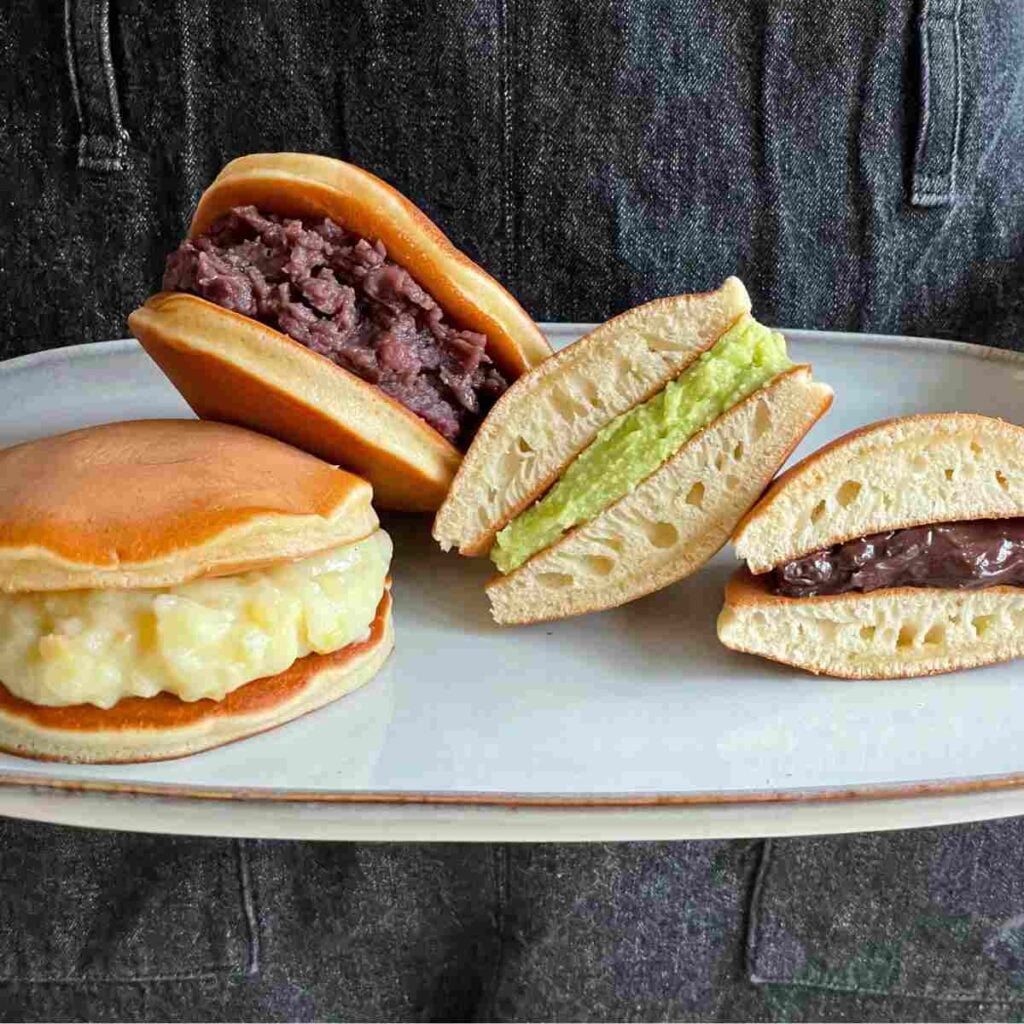
Dorayaki is a beloved Japanese dessert that features two soft, fluffy pancakes sandwiched together with sweet red bean paste in the center. The pancakes have a subtle honey flavor and a light, cake-like texture.
You can find dorayaki throughout Japan, where people of all ages enjoy it. In the Kansai region, locals sometimes call it Mikasa, named after a mountain in Nara Prefecture.
The traditional filling is anko, a sweet red bean paste. Modern versions may include chocolate, custard, or other sweet fillings.
4. Taiyaki
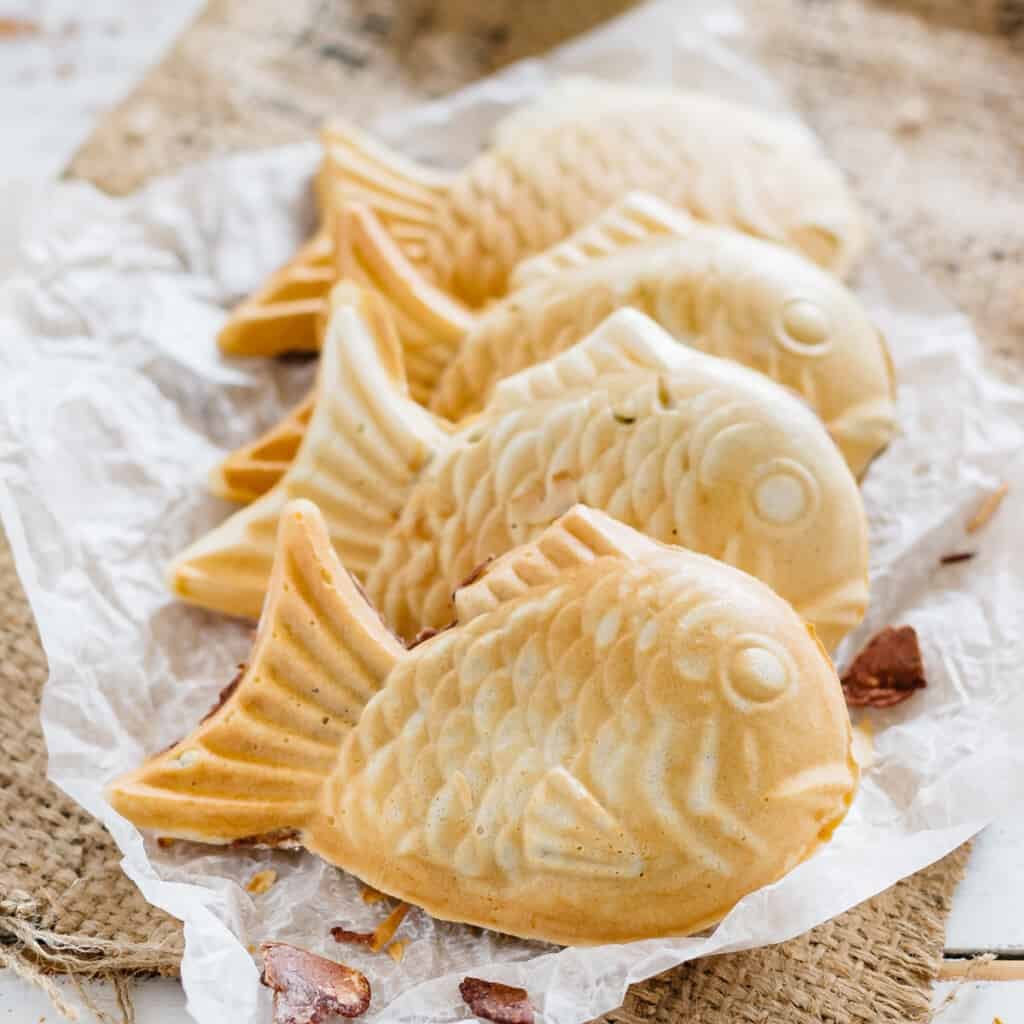
Taiyaki is a fish-shaped Japanese cake that became popular in the early 1900s. The name means “baked sea bream,” and the fish shape represents good luck in Japanese culture.
You’ll find a crispy, golden exterior that gives way to a soft, fluffy inside. Traditional taiyaki uses sweet red bean paste as filling.
Modern versions include custard, chocolate, or Nutella. The dessert looks like a pancake and waffle combined.
You can enjoy it warm from street vendors or make it at home with a special fish-shaped mold.
5. Matcha Wagashi
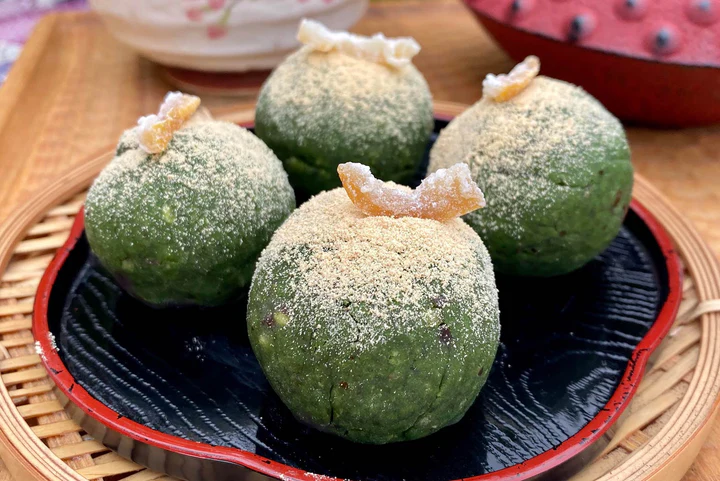
Wagashi are traditional Japanese sweets that pair perfectly with matcha green tea. These confections are less sweet than Western desserts and feature natural ingredients like rice flour and red bean paste.
The bitter taste of matcha balances the sweetness of wagashi, creating a harmonious flavor experience. You’ll find popular varieties like daifuku and yokan served alongside the green tea.
These sweets are works of edible art that reflect Japanese nature and seasons. Each piece is carefully crafted to express beauty through simple, natural ingredients.
6. Nerikiri
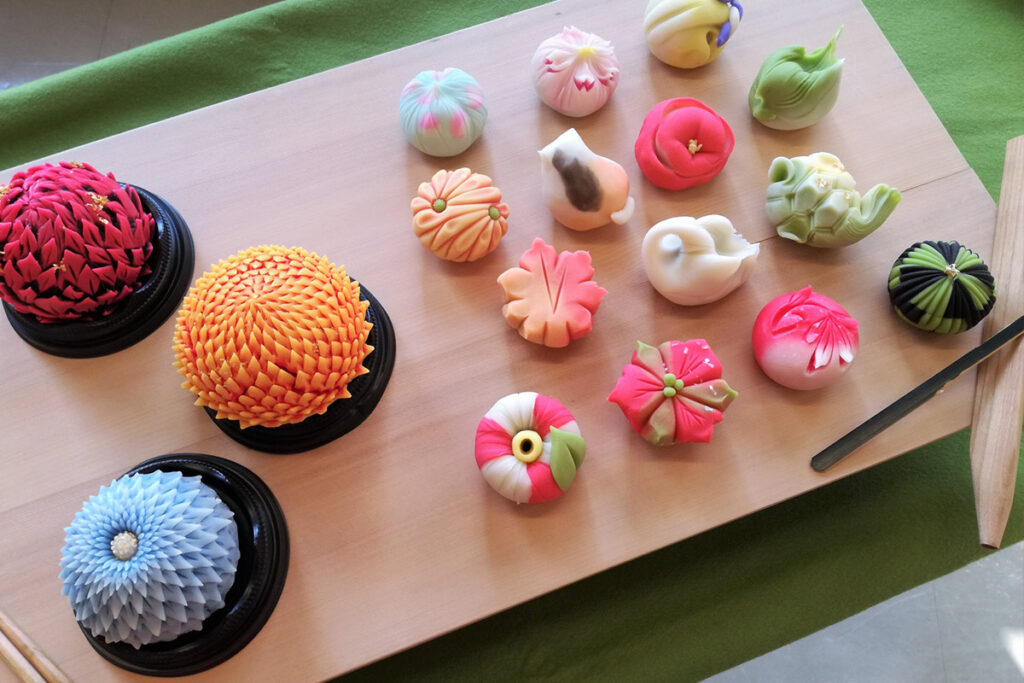
Nerikiri represents the most artistic form of Japanese confectionery. These delicate sweets combine white bean paste with mochi or sweet rice flour to create a pliable dough that artisans hand-shape into seasonal designs.
You’ll find nerikiri crafted into cherry blossoms, autumn leaves, and other natural motifs. Each piece reflects the current season and Japanese aesthetic principles.
The sweet pairs perfectly with green tea during traditional tea ceremonies. While nerikiri requires skill to make, its subtle sweetness and beautiful appearance make it both a visual and culinary experience.
7. Yokan
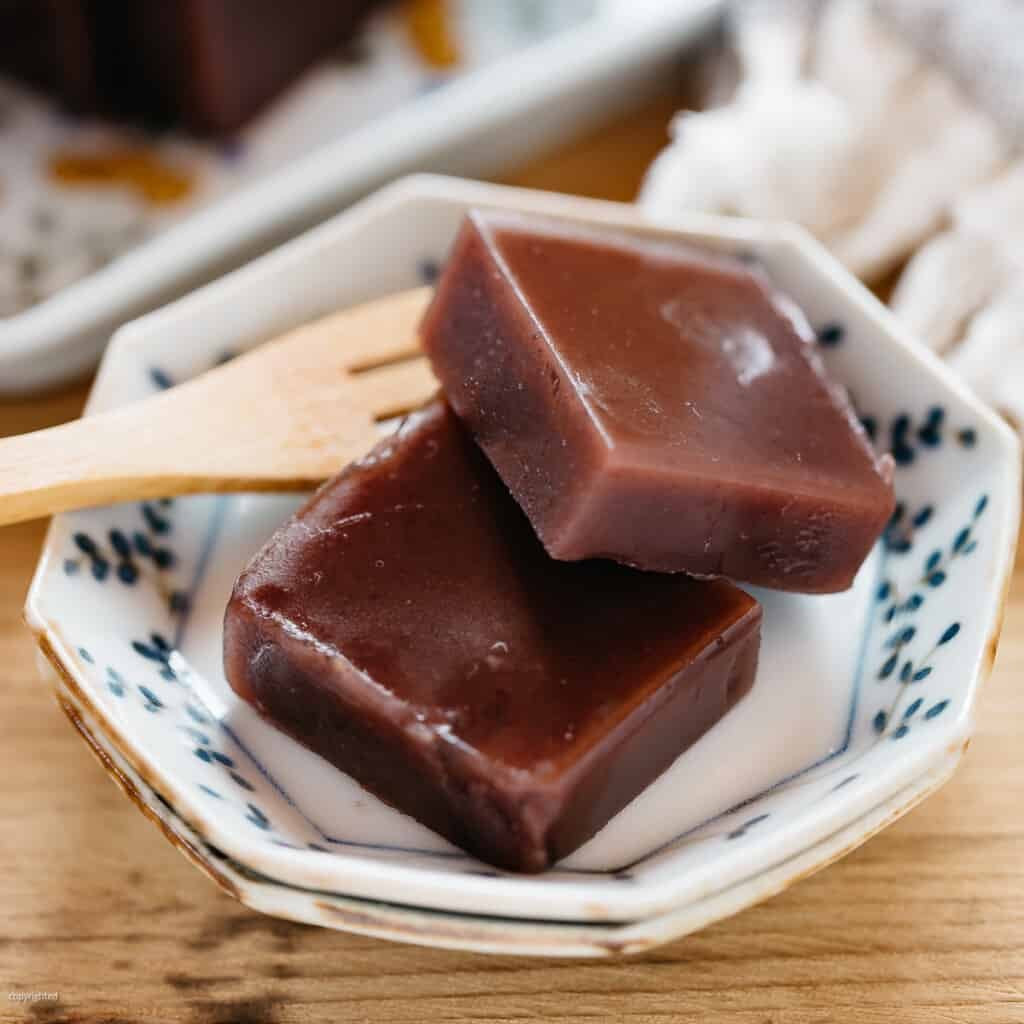
Yokan is a traditional Japanese jelly candy with a smooth texture. You’ll find it made from red bean paste, sugar, and agar (a plant-based thickener).
It comes in a simple block shape with a slightly translucent appearance. This sweet dates back centuries and was originally influenced by Buddhist monks.
You can try different types, including matcha green tea, chestnut, and the classic red bean version. The texture is firm yet sliceable, making it easy to cut into small pieces.
Pair yokan with green tea for a traditional Japanese treat.
8. Japanese Soufflé Cheesecake
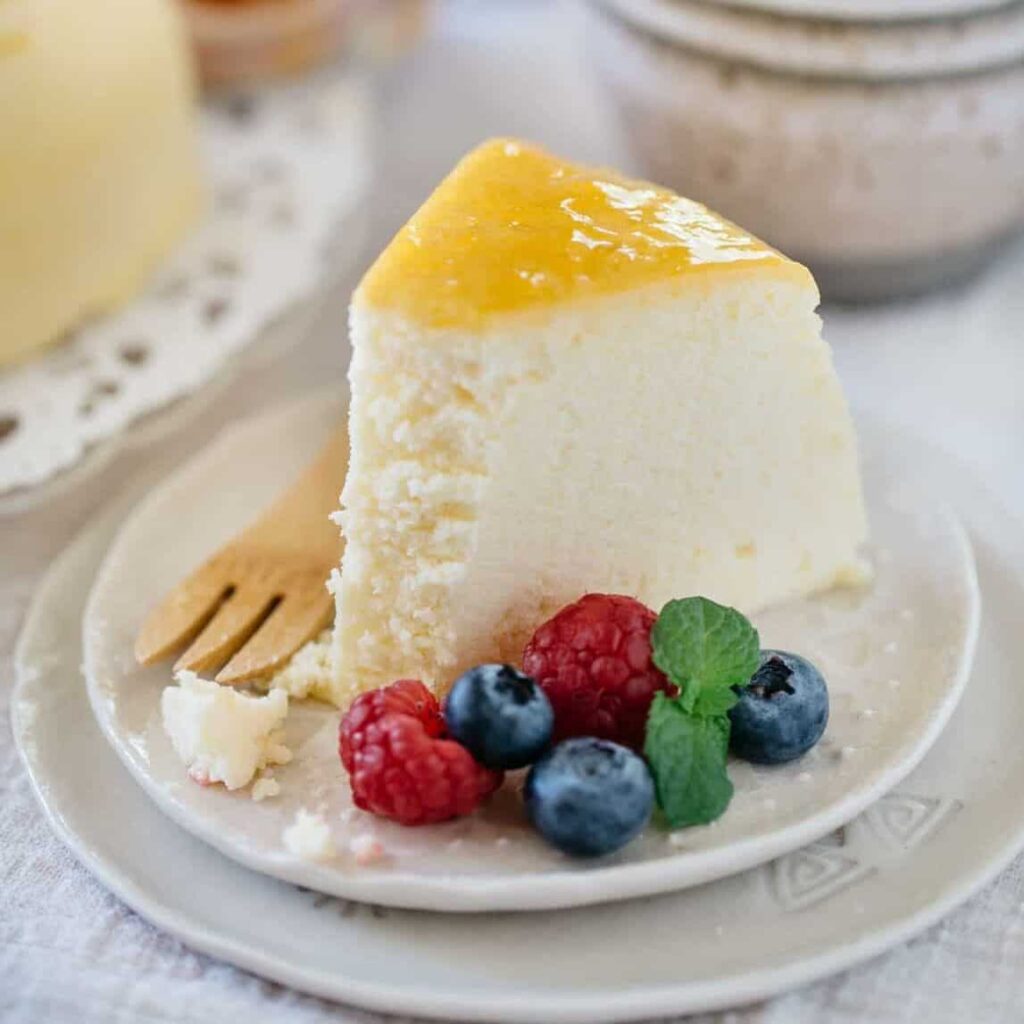
Japanese soufflé cheesecake offers a lighter take on traditional cheesecake. You’ll notice its signature jiggly texture and cloud-like appearance right away.
This dessert combines cream cheese with whipped egg whites to create an airy structure. The result is a cake that wobbles when you move it and melts in your mouth.
You might see it called cotton cheesecake or jiggly cheesecake. The texture sits somewhere between a classic cheesecake and a fluffy sponge cake.
It tastes creamy without feeling heavy.
9. Anmitsu
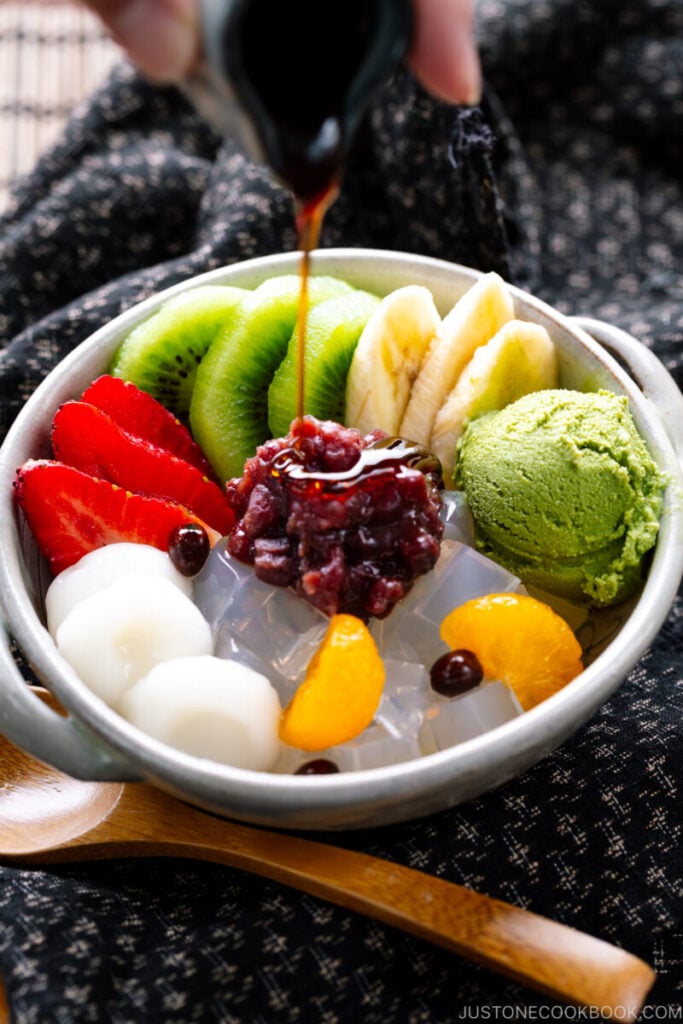
Anmitsu is a classic Japanese dessert that’s perfect for warm weather. You’ll find it features cubes of kanten jelly made from agar, a seaweed-based ingredient that gives it a unique firm texture.
The dessert comes topped with anko (sweet red bean paste), chewy mochi dumplings, and fresh fruit pieces. You drizzle everything with kuromitsu, a dark sugar syrup that ties all the flavors together.
10. Kuzumochi
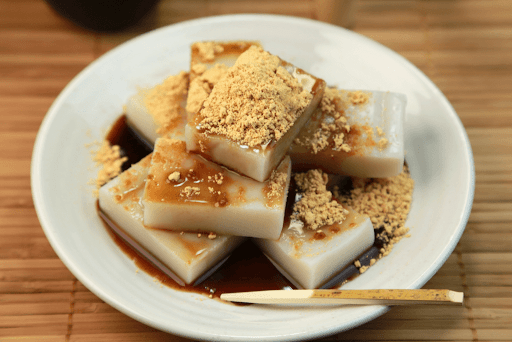
Kuzumochi is a traditional Japanese dessert with roots in the Edo period. You’ll find two varieties: one made from kudzu starch and another from fermented wheat starch.
This jelly-like treat has a translucent, chewy texture. It’s served chilled, making it perfect for warm weather.
You typically eat it topped with kinako (roasted soybean flour) and kuromitsu (black sugar syrup). The dessert is simple to make at home with just a few ingredients.
Its subtle sweetness and refreshing quality make it a popular choice during summer months.
Cultural Significance of Japanese Desserts
Japanese desserts connect deeply to the country’s customs, serving as edible expressions of seasonal changes and carrying symbolic meanings through their ingredients and visual design.
Seasonal Traditions and Celebrations
Japanese desserts change throughout the year to honor specific seasons and festivals. During spring, you’ll find sakura mochi wrapped in cherry blossom leaves to celebrate hanami.
Summer brings refreshing treats like water yokan, a jellied dessert that helps beat the heat. Fall desserts often feature chestnuts and sweet potatoes.
These ingredients appear in wagashi to mark the harvest season. Winter celebrations include mochi for New Year’s, which families pound together in a traditional ceremony called mochitsuki.
Tea ceremonies also rely on seasonal desserts. The wagashi served during these gatherings matches the time of year.
This practice shows respect for nature’s rhythms and creates harmony between the sweet and bitter tea.
Symbolism in Ingredients and Presentation
Each ingredient in Japanese desserts carries meaning beyond taste. Red bean paste, or anko, represents good fortune and appears in celebratory sweets.
Mochi symbolizes longevity and family bonds because of its sticky, connecting nature. The appearance of these desserts matters as much as flavor.
Nerikiri, hand-shaped sweets, often look like flowers, leaves, or seasonal scenes. These designs communicate specific messages about the occasion or season.
Colors hold significance too. White represents purity, pink suggests spring and renewal, and green connects to new growth.
You’ll notice these thoughtful details in traditional confections, where every element serves a purpose in telling a cultural story.
Unique Ingredients Found in Authentic Japanese Sweets
Japanese desserts rely on specific ingredients that create their distinct taste and texture. These core components include different types of rice flour, sweet bean pastes, and traditional flavors like matcha that you won’t find as commonly in Western sweets.
Mochi and Rice Flour Varieties
Mochi comes from a special type of short-grain rice called mochigome. When you steam and pound this glutinous rice, it creates a sticky, chewy texture that forms the base of many Japanese desserts.
Several rice flour types serve different purposes in Japanese sweets. Mochiko is sweet rice flour that creates smooth, elastic doughs.
Shiratamako is a finer, more premium version made from mochigome that produces extra soft textures. Joshinko comes from regular short-grain rice and gives desserts a firmer, less chewy texture.
You can find mochi in many forms. Fresh mochi needs refrigeration and stays soft for only a few days.
Dried mochi lasts longer and needs cooking before eating. Some desserts use mochi as a wrapper around sweet fillings, while others feature it as the main ingredient.
Sweet Red Bean Paste
Anko is a sweet paste made from azuki beans that appears in most traditional Japanese desserts. You’ll find two main types based on texture and preparation.
Tsubuan contains whole or partially mashed beans, giving it a chunky texture. Koshian is smooth and completely strained, with no bean skins remaining.
Both types mix cooked azuki beans with sugar, but koshian requires extra work to achieve its fine consistency. Azuki beans provide a subtle, earthy sweetness that’s less intense than chocolate or caramel.
The paste contains protein and fiber along with its natural sweetness. You’ll taste anko in dorayaki pancakes, taiyaki fish-shaped cakes, and daifuku mochi.
White bean paste, or shiro-an, offers an alternative made from white kidney beans. It has a milder flavor that lets other ingredients stand out.
Matcha and Other Traditional Flavors
Matcha is finely ground green tea powder that adds a bright green color and earthy, slightly bitter taste to desserts. This powdered tea contains natural compounds that balance the sweetness in Japanese sweets.
The quality of matcha affects both color and flavor. Ceremonial grade offers the smoothest taste for drinking, while culinary grade works well in baking and desserts at a lower cost.
Other traditional flavors include:
- Kinako: Roasted soybean flour with a nutty, toasted taste
- Kuromitsu: Dark sugar syrup similar to molasses
- Sakura: Cherry blossom leaves and flowers (pickled in salt)
- Yuzu: A tart Japanese citrus fruit
- Black sesame: Ground seeds that add nutty depth
These ingredients often reflect the current season. Sakura flavors appear in spring desserts, while yuzu shows up in winter treats.
Frequently Asked Questions
Japanese desserts blend traditional ingredients like sweet bean paste and rice flour with modern flavors, creating treats that range from chewy mochi to delicate wagashi crafted for tea ceremonies.
What are the top traditional Japanese desserts everyone should try?
Mochi stands as one of Japan’s most beloved desserts. This chewy rice cake comes in countless varieties and flavors.
You can find it served plain, grilled, or filled with sweet ingredients. Daifuku takes mochi to the next level by wrapping it around sweet fillings.
The most common version contains smooth red bean paste. Strawberry daifuku, which includes a whole fresh strawberry, has become increasingly popular.
Dorayaki consists of two fluffy pancakes sandwiched together with sweet red bean paste. This dessert gained worldwide recognition through Japanese pop culture.
The pancakes have a honey-like sweetness that balances the earthy bean filling. Taiyaki presents sweet fillings inside a fish-shaped waffle cake.
Traditional versions use red bean paste, but modern shops now offer custard, chocolate, and seasonal flavors. The crispy outside and soft inside create an appealing texture contrast.
How can one make mochi at home and what variations exist?
You need just three basic ingredients to make mochi: sweet rice flour, water, and sugar. Mix these together and steam or microwave the mixture until it becomes sticky and translucent.
The dough requires kneading with cornstarch-dusted hands to prevent sticking. Traditional mochi uses whole glutinous rice pounded with wooden mallets.
This method takes considerable time and effort. The modern approach with sweet rice flour delivers similar results with much less work.
Popular variations include kinako mochi rolled in roasted soybean powder, strawberry mochi with fresh fruit inside, and ice cream mochi that wraps frozen treats.
You can also make yomogi mochi by adding Japanese mugwort for a green color and herbal flavor.
What is the significance of matcha in Japanese dessert culture?
Matcha connects Japanese desserts to the country’s tea ceremony traditions. This finely ground green tea powder delivers an earthy, slightly bitter flavor that balances sweet ingredients.
The vibrant green color also adds visual appeal to desserts. Tea ceremony culture elevated matcha to an art form centuries ago.
Wagashi, or traditional Japanese confections, were specifically designed to complement matcha’s flavor profile. The sweets’ gentle sweetness prevents the tea from tasting too bitter.
Modern Japanese desserts incorporate matcha into ice cream, cakes, chocolates, and cookies. The powder contains antioxidants and provides a distinct flavor that sets Japanese sweets apart from Western desserts.
High-quality ceremonial grade matcha offers the best flavor for desserts. Culinary grade works well for baking.
Are there any gluten-free options among classic Japanese desserts?
Many traditional Japanese desserts naturally contain no gluten. Mochi uses sweet rice flour instead of wheat flour, making it safe for gluten-free diets.
Daifuku follows the same rice-based formula with sweet fillings inside. Wagashi traditionally relies on ingredients like sweet bean paste, rice flour, and sugar.
These plant-based confections avoid wheat products entirely. You should still verify ingredients since some modern versions may include wheat starch.
Taiyaki and dorayaki both contain wheat flour in their batter, so they are not gluten-free. Some specialty shops now offer gluten-free versions using alternative flours.
Always check with the maker or restaurant if you have gluten sensitivities. Cross-contamination can occur in kitchens that handle both types of flour.
What is the history behind Japan’s most iconic sweet, wagashi?
Wagashi originated over a thousand years ago during Japan’s Heian period. These traditional confections started as simple offerings for religious ceremonies and tea gatherings.
The sweets evolved alongside the Japanese tea ceremony. Skilled artisans called wagashi-ka craft these desserts by hand.
They use techniques passed down through generations. Each piece reflects seasonal themes through its shape, color, and ingredients.
The main ingredients include anko (sweet bean paste), rice flour, and agar. These plant-based components create subtle flavors that complement rather than overpower tea.
Wagashi demonstrates the Japanese aesthetic principles of simplicity and natural beauty. Different regions of Japan developed their own wagashi specialties.
Kyoto became particularly famous for its refined confections due to its history as the imperial capital. Today, wagashi remains popular for special occasions, tea ceremonies, and as elegant gifts.
How does Japanese dessert presentation enhance the overall dining experience?
Japanese desserts treat visual appeal as equally important to taste. Each sweet showcases its colors, shapes, and textures.
Traditional wagashi often depicts seasonal flowers, leaves, or natural scenes in miniature form. The plating follows minimalist principles with careful attention to empty space.
A single perfect dessert on a beautiful dish creates more impact than a crowded plate. The choice of serving vessel matters too, with specific ceramics or lacquerware selected to complement each sweet.
Seasonal awareness guides presentation choices throughout the year. Spring desserts feature pink cherry blossom themes, while autumn sweets showcase red maple leaves or chestnuts.
The size and portions of Japanese desserts reflect restraint and balance. Smaller servings allow you to appreciate quality over quantity.
This approach encourages mindful eating and makes each bite more memorable.