
Japanese desserts offer a different approach to sweets than what you might find in Western bakeries. These treats focus on subtle flavors, careful preparation, and beautiful presentation.
The ingredients often include items like matcha, red bean paste, and rice flour. Japanese desserts balance flavor, texture, and visual appeal to create treats that taste delicious while looking like small works of art.
You’ll find options ranging from chewy mochi to fluffy castella cake. Some desserts follow recipes that are hundreds of years old, while others bring modern twists to traditional ideas.
This guide walks you through popular Japanese desserts you can make or look for when you want to try something new. You’ll learn about the key ingredients that give these sweets their unique taste and the cultural meanings behind different treats.

1. Mochi
Mochi is a traditional Japanese rice cake made from glutinous rice flour, water, and sugar. It has a distinctively chewy texture that sets it apart from other desserts.
The most common filling is sweet red bean paste, though you can now find versions with matcha, strawberry, and even chocolate. Mochi holds special significance during Japanese celebrations, particularly New Year’s festivities.
You can enjoy mochi fresh from specialty shops or make it at home with simple ingredients. Each piece is typically small and portable, making it an easy treat to share.
2. Daifuku
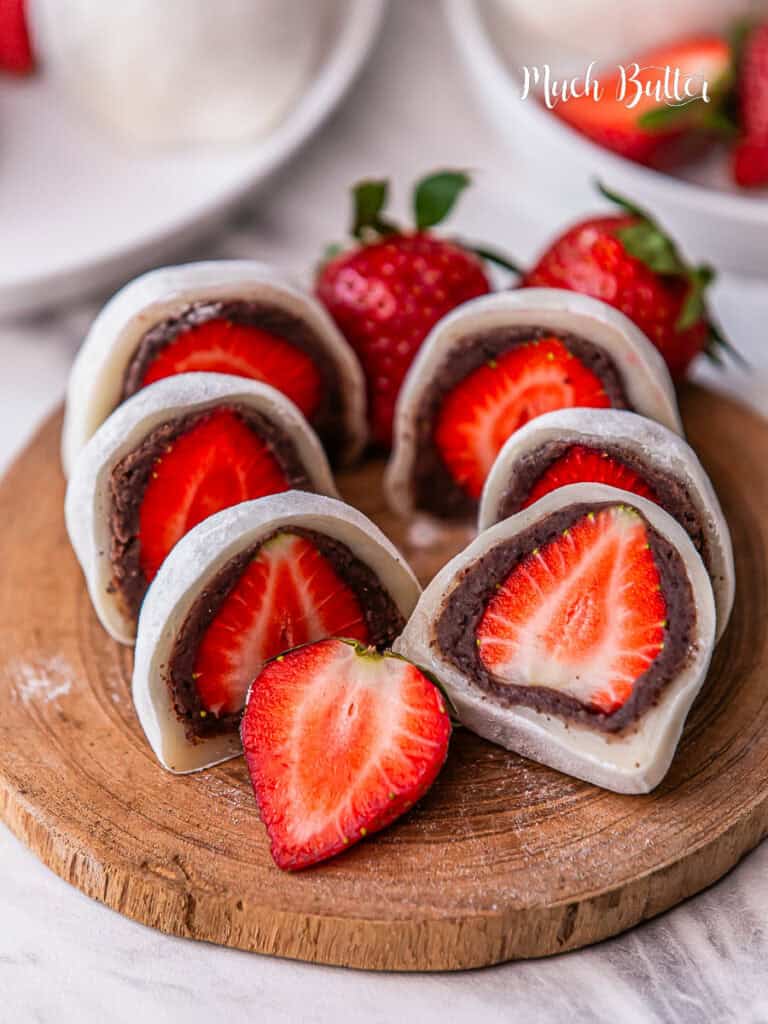
Daifuku is a beloved Japanese sweet made from soft mochi filled with sweet red bean paste. The name means “great luck” in Japanese.
This treat has a chewy texture from the pounded glutinous rice that forms its outer shell. Traditional versions use anko filling, but modern daifuku comes in many varieties.
Strawberry daifuku is especially popular, featuring a whole strawberry wrapped inside. You can also find versions with black beans mixed into the mochi or filled with cream.
You can buy daifuku at traditional Japanese sweet shops and department store food halls throughout Japan.

3. Dorayaki
Dorayaki is a classic Japanese dessert made of two soft, fluffy pancakes sandwiched together with sweet red bean paste in the center. The pancakes have a light honey flavor and golden-brown color that makes them stand out from regular pancakes.
You’ll find this treat throughout Japan, where it’s been a favorite for generations. In the Kansai region, people also call it Mikasa, named after a mountain in Nara Prefecture.
The sweet red bean filling, called anko, provides a smooth texture that pairs perfectly with the cake-like pancakes.

4. Taiyaki
Taiyaki is a fish-shaped cake that’s been a popular Japanese street food since the early 1900s. The dessert gets its name from “tai,” meaning sea bream, and “yaki,” meaning baked.
These golden-brown treats have a waffle-like texture that’s crispy outside and fluffy inside. Traditional taiyaki comes filled with sweet red bean paste, but you can also find versions with custard, chocolate, or Nutella.
The batter is similar to pancake or waffle batter and gets poured into special fish-shaped molds. Some shops even serve taiyaki topped with ice cream.

5. Matcha Soufflé Cheesecake
This dessert blends the creamy texture of cheesecake with the light, airy quality of a soufflé. The result is a delicate, jiggly cake that’s quite different from dense Western-style cheesecakes.
Matcha green tea powder gives this cheesecake its bright green color and distinct earthy flavor. The matcha adds a slight bitterness that balances the sweetness well.
When you bake it properly, you’ll get that signature wobble and cloud-like texture. It’s a refreshing option if you want something less heavy than traditional cheesecake.

6. Yokan
Yokan is a traditional Japanese jelly confection made from agar, sugar, and sweet azuki bean paste. It has a smooth, firm texture that slices cleanly into elegant pieces.
This wagashi dates back centuries and comes in several varieties. You can try neri yokan, which has a dense texture, or mizu yokan, a softer summer version.
Popular flavors include matcha, chestnut, and sweet red bean. Pair your yokan with green tea to balance its sweetness.
The confection is plant-based and often comes in beautiful rectangular blocks.

7. Nerikiri
Nerikiri is one of the most artistic Japanese sweets you’ll encounter. This traditional confection combines sweet white bean paste with glutinous rice flour or gyuhi to create a pliable dough.
You can shape it by hand or with wooden molds into beautiful seasonal designs. The sweets often feature cherry blossoms, autumn leaves, or other nature-inspired motifs.
Each piece reflects the current season and Japanese aesthetics. You’ll typically enjoy nerikiri during tea ceremonies, where its delicate sweetness pairs well with green tea.
The dough accepts natural food coloring easily, allowing for vibrant and detailed designs.

8. Anmitsu
Anmitsu is a traditional Japanese cold dessert that brings together simple ingredients in an elegant way. At its base, you’ll find cubes of kanten jelly, which is made from agar derived from seaweed.
This gives the dessert a light, semi-translucent appearance. The jelly is topped with sweet red bean paste called anko, chewy rice flour dumplings, and fresh or canned fruits.
You finish it with kuromitsu, a black sugar syrup that adds sweetness. This dessert is popular during warm months because of its refreshing taste and varied textures.

9. Warabi Mochi
Warabi mochi is a refreshing Japanese dessert with a soft, jelly-like texture. Traditional versions use bracken starch, though modern recipes often substitute potato or tapioca starch.
This treat is served with kinako, a toasted soybean powder that adds a nutty flavor. Many versions also include kuromitsu, a dark sugar syrup that provides sweetness.
The dessert has a translucent appearance and bouncy consistency. It’s typically served cold, making it popular during warm weather.
You can find warabi mochi at Japanese festivals and traditional sweet shops throughout the country.

10. Kasutera (Japanese Castella)
Kasutera is a light and fluffy sponge cake that came to Japan from Portugal over 400 years ago. Portuguese merchants first brought this dessert to Nagasaki, where Japanese bakers adapted it into their own version.
This cake is sweeter and moister than Western sponge cakes. It gets its rise from whipped egg whites rather than baking powder.
The cake has a golden top and a slightly chewy bottom. You can enjoy kasutera on its own with green tea.
Its delicate honey sweetness makes it perfect for teatime.
Key Ingredients and Techniques in Japanese Desserts
Japanese desserts rely on specific ingredients like rice flour and red bean paste, combined with careful preparation methods that create their distinct texture and subtle sweetness.
Traditional Sweeteners and Flours
Japanese desserts use sweeteners that differ from white sugar. Red bean paste, called anko, is made from adzuki beans and provides a mild, earthy sweetness.
You’ll find it in many traditional treats. Rice flour comes in several types for different desserts.
Mochiko is sweet rice flour that creates the chewy texture in mochi. Joshinko is regular rice flour used for firmer sweets.
Shiratamako is a finer sweet rice flour that makes especially smooth, elastic dough.
Common ingredient roles:
- Matcha: Green tea powder adds color and a slight bitterness
- Yuzu: Citrus fruit brings bright, floral notes
- Kinako: Roasted soybean flour offers nutty flavor
- Kanten: Agar-agar creates jelly-like textures
These ingredients contain minimal fat and focus on plant-based components. The sweetness level stays lower than Western desserts, letting you taste the natural flavors of each ingredient.
Unique Preparation Methods
Japanese dessert making requires patience and precision. Steaming is used more often than baking for treats like manju and some mochi varieties.
This keeps the desserts moist and gives them a soft texture. Pounding mochi involves traditional techniques where cooked rice gets beaten until smooth and stretchy.
You can use a stand mixer at home to achieve similar results. The folding and shaping of wagashi demands careful hand work.
Each piece should look clean and balanced. Many desserts follow seasonal themes in their shapes and colors.
Temperature control matters throughout the process. You need to work quickly with warm mochi before it cools and stiffens.
Anko must be cooked to the right consistency so it holds its shape without becoming dry.
Cultural Significance of Japanese Sweets
Japanese sweets serve as edible expressions of cultural values. They connect people to ceremonies and seasonal rhythms through carefully crafted confections that balance visual beauty with meaningful symbolism.
Wagashi in Japanese Ceremonies
Wagashi are traditional Japanese sweets that play a central role in formal tea ceremonies. These delicate confections complement the bitter taste of matcha green tea and follow strict aesthetic principles.
During tea ceremonies, the wagashi you receive reflects the season, occasion, and host’s thoughtfulness. The sweet arrives before the tea to prepare your palate for the drink’s astringent flavor.
Each piece features specific shapes and colors that reference natural elements like cherry blossoms, autumn leaves, or winter snow. Tea ceremony wagashi use natural ingredients such as sweet bean paste (anko), rice flour, and agar.
Craftspeople shape these materials into artistic forms that represent poems, seasons, or traditional symbols. The practice dates back centuries and remains an important part of Japanese cultural education.
Wagashi also appear at other formal events, including weddings, New Year celebrations, and Buddhist rituals. Each occasion calls for particular sweet varieties with specific meanings that honor tradition and mark important moments.
Seasonal and Regional Traditions
Japanese desserts change throughout the year to match what’s available and what feels appropriate for each season. Spring brings sakura mochi wrapped in cherry blossom leaves, while summer features cool treats like mizu yokan made with agar.
Fall showcases kuri kinton made from chestnuts, and winter highlights warm imagawayaki filled with sweet bean paste. This seasonal approach connects you to nature’s cycles and makes each sweet feel timely and special.
Different regions across Japan create their own signature desserts using local ingredients. Kyoto specializes in refined wagashi with subtle flavors.
Hokkaido produces dairy-based treats using fresh milk and cream. Okinawa offers chinsuko cookies made with lard and sugar, reflecting the island’s distinct food culture.
Frequently Asked Questions
Japanese desserts use ingredients like sweet bean paste and rice flour, require specific presentation techniques, and differ from Western sweets in their use of plant-based ingredients and reduced sweetness levels.
What are some traditional ingredients used in Japanese dessert recipes?
Sweet red bean paste, called anko, forms the base of many Japanese desserts. You’ll find it in mochi, dorayaki, and taiyaki.
The paste comes from azuki beans that are cooked and sweetened. Rice flour serves as the main ingredient in wagashi and creates the chewy texture in mochi.
Matcha powder adds a distinct green tea flavor to desserts like cheesecake and ice cream. Other common ingredients include shiratamako (glutinous rice flour), sugar, and agar-agar as a gelatin substitute.
How does one properly serve and present authentic Japanese desserts?
Japanese desserts should reflect the current season in their colors and decorations. You serve wagashi on small plates or lacquerware with green tea.
The presentation matters as much as the taste. Room temperature works best for most traditional desserts.
You should place each piece carefully to show its shape and design. Some desserts like daifuku need individual wrapping in paper or plastic to prevent sticking.
Which Japanese desserts would be recommended for someone new to Japanese cuisine?
Dorayaki offers a familiar pancake-like texture with sweet red bean filling between two soft cakes. The mild sweetness and simple presentation make it easy to enjoy.
Matcha soufflé cheesecake combines Western baking techniques with Japanese green tea flavor. Taiyaki gives you a fish-shaped cake filled with sweet beans or custard.
The crispy outside and soft inside create an approachable texture. Mochi provides a unique chewy experience without overwhelming flavors.
What is the historical significance of desserts in Japanese culture?
Traditional Japanese desserts developed alongside tea ceremony practices during the 16th century. Wagashi were created to complement the bitter taste of matcha tea.
The designs and ingredients reflected Buddhist principles of simplicity and natural beauty. Seasonal changes influenced dessert making throughout Japanese history.
Spring desserts featured cherry blossom themes while autumn sweets incorporated chestnuts. These connections between food and nature remain important in modern Japanese dessert culture.
Can you suggest vegan or gluten-free options within Japanese dessert cuisine?
Many wagashi are naturally vegan since they use sweet bean paste, rice flour, and agar-agar instead of dairy or eggs.
Mochi made with just rice and water fits both vegan and gluten-free diets.
Daifuku with fruit fillings also works as a plant-based option.
You can find gluten-free versions of taiyaki made with rice flour instead of wheat.
Traditional kanten desserts use seaweed-based gelatin and fruit juices.
Always check ingredients since modern versions sometimes include dairy or wheat flour.
What are the key differences between Western and Japanese confectionery practices?
Japanese desserts use less sugar than Western sweets and focus on subtle flavors. You’ll notice textures like chewy mochi or smooth bean paste instead of buttercream or chocolate ganache.
Traditional Japanese recipes use plant-based ingredients instead of most dairy products. Presentation follows minimalist principles in Japanese confectionery.
Each dessert shows careful attention to color, shape, and seasonal themes. Western desserts tend toward larger portions.
Japanese sweets come in smaller, individual servings designed to pair with tea.