
Mexican cuisine goes far beyond the basic tacos and burritos you might find at most restaurants. Real Mexican cooking uses traditional methods and ingredients that families have passed down for generations.
These recipes reflect the true depth of flavor and care that goes into authentic Mexican food. You’ll learn how to prepare everything from slow-cooked stews to fresh tortillas.
Each recipe shows you the proper techniques and ingredients needed to create meals that taste like they came from a Mexican grandmother’s kitchen.
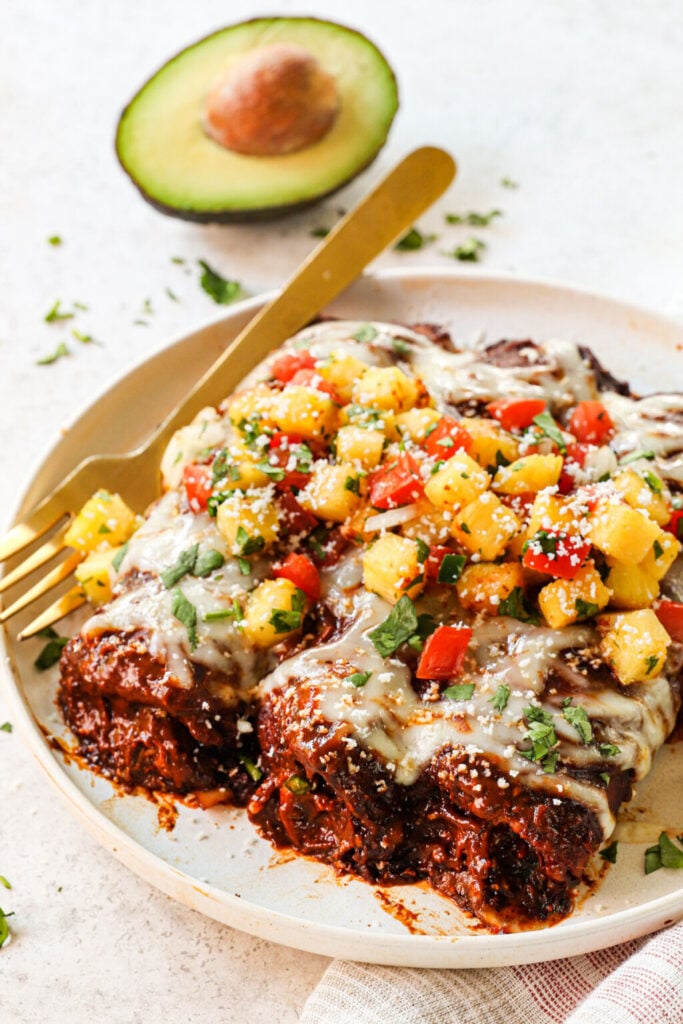
1. Chicken Mole Enchiladas
Chicken mole enchiladas bring together tender shredded chicken and rich mole sauce wrapped in soft corn tortillas. The mole sauce combines chocolate with dried chiles and warm spices to create deep, complex flavors.
You can make these enchiladas quickly for weeknight dinners or special gatherings. Fill the tortillas with chicken and top everything with mole sauce and cheese.
Add crumbled queso fresco and fresh cilantro as a finishing touch for the best results.
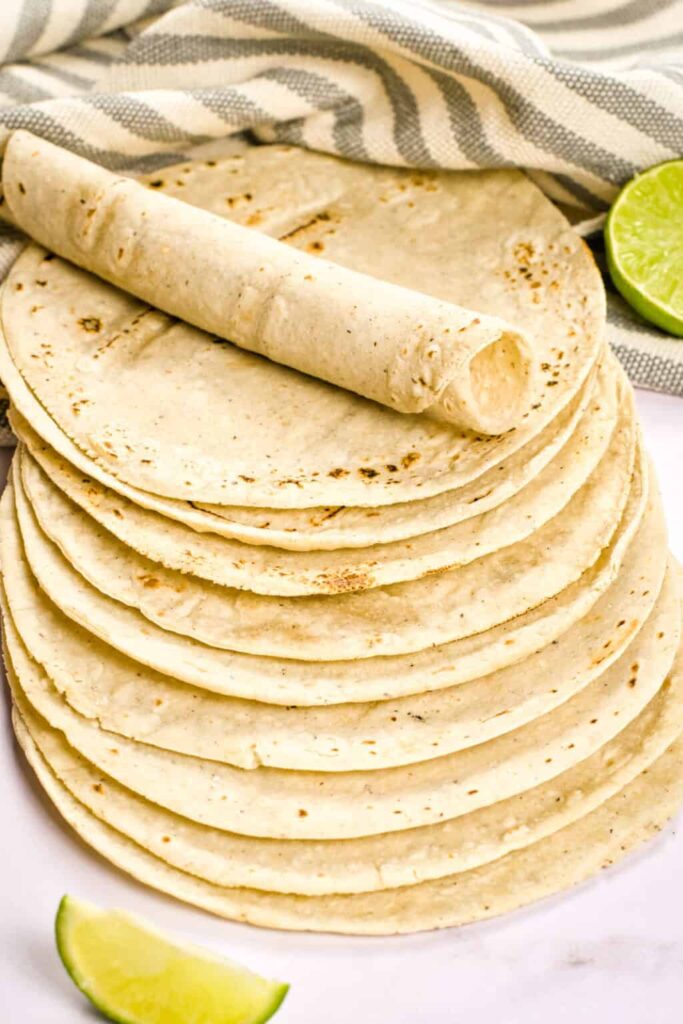
2. Homemade Corn Tortillas
You need just three ingredients to make authentic corn tortillas: masa harina, water, and salt. Mix them together to form a dough, then press small balls into flat circles.
Traditional recipes don’t include oil or fat. The flavor comes from the nixtamalized corn itself.
Cook each tortilla on a hot griddle or skillet for about 30 seconds per side. They’re ready when light brown spots appear.
Fresh tortillas are soft and pliable, unlike store-bought versions that can be brittle.

3. Pozole Rojo
Pozole Rojo is a traditional Mexican stew that brings warmth to any table. You’ll find tender pork and hominy swimming in a rich red chile broth.
The soup gets its signature color from guajillo chiles. These dried peppers give the dish a smoky, slightly spicy flavor.
You can top your pozole with shredded cabbage, sliced radishes, cilantro, lime wedges, and avocado. Mexican families often serve this dish during celebrations and gatherings.
The hominy adds a unique texture to the soup.
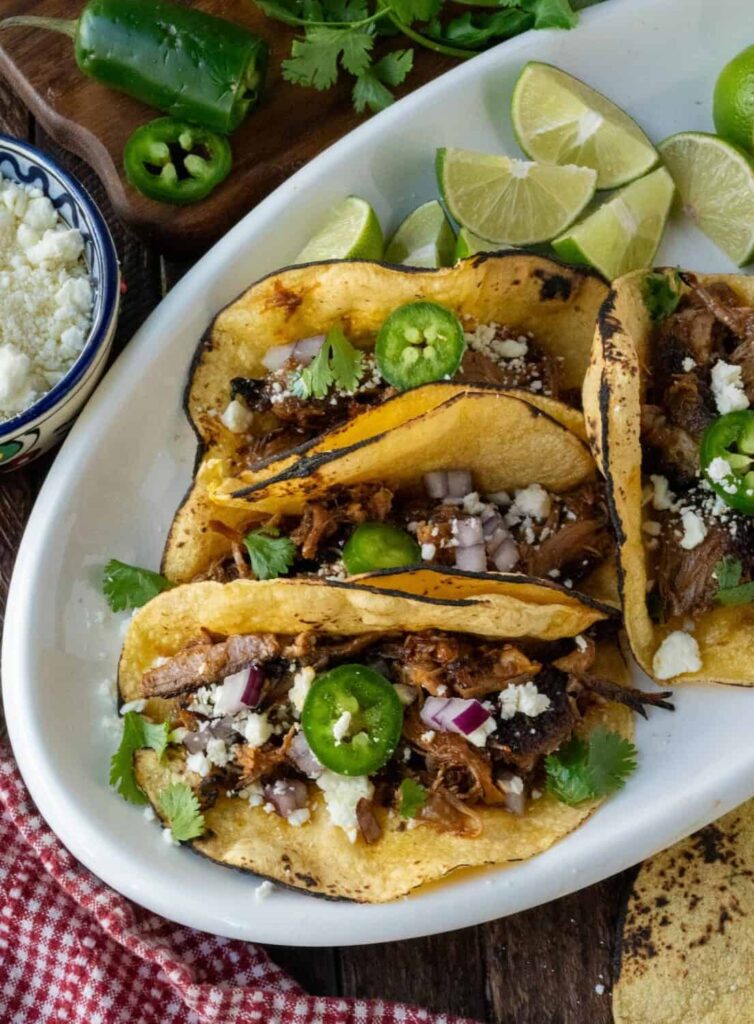
4. Carnitas Tacos
Carnitas tacos are a classic Mexican dish that features slow-cooked pork as the star ingredient. The pork shoulder cooks low and slow until it becomes tender enough to shred easily.
You crisp the shredded pork under your broiler or in a hot pan. This gives you meat that’s juicy inside and crispy outside.
You can cook carnitas in your slow cooker, Instant Pot, or Dutch oven. Serve them in warm tortillas with diced onions, cilantro, and a squeeze of lime.
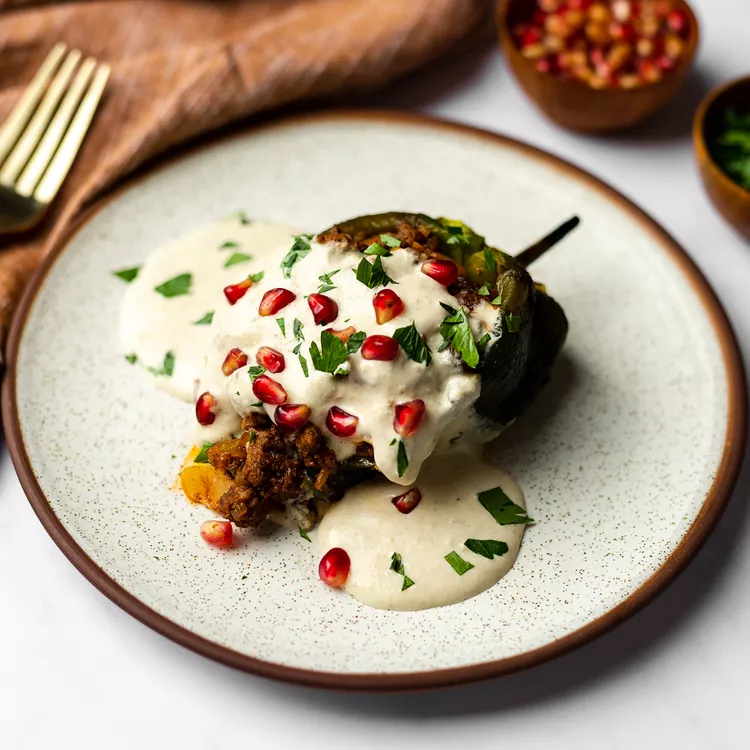
5. Chiles en Nogada
Chiles en Nogada is a historic dish from Puebla that celebrates Mexican independence. You’ll stuff roasted poblano peppers with a unique filling made from ground meat and fresh fruit like apples, pears, and peaches.
The dish gets its name from the creamy walnut sauce that covers the stuffed peppers. Finish it with bright pomegranate seeds and fresh parsley.
These three toppings create the colors of the Mexican flag: green peppers, white sauce, and red seeds. Mexicans traditionally serve this dish in September during independence celebrations.
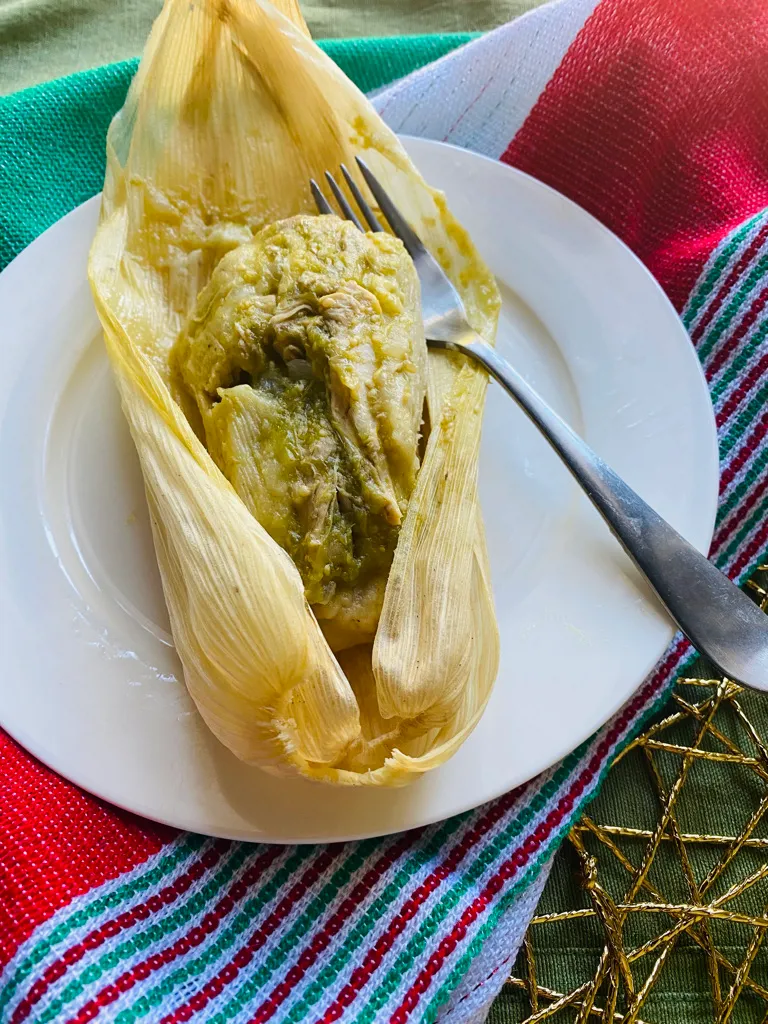
6. Tamales Verdes
Tamales verdes are a classic Mexican dish filled with tender chicken and tangy tomatillo sauce. The bright green salsa gives these tamales their signature color and fresh flavor.
Wrap seasoned masa dough around the chicken filling in corn husks before steaming. Making tamales takes time, but the process is straightforward.
The combination of fluffy masa and spicy green sauce creates an authentic taste. You can make a large batch since the recipe typically yields around 40 pieces, perfect for sharing with family and friends.

7. Sopa de Lima
Sopa de Lima is a traditional soup from Mexico’s Yucatán Peninsula. You’ll find this dish features shredded chicken in a light, aromatic broth brightened with fresh lime juice.
The soup includes fire-roasted tomatoes and spices like cinnamon and clove. Top it with crispy fried tortilla strips for texture.
This Yucatecan specialty differs from typical tortilla soup with its lighter broth and citrus-forward flavor.
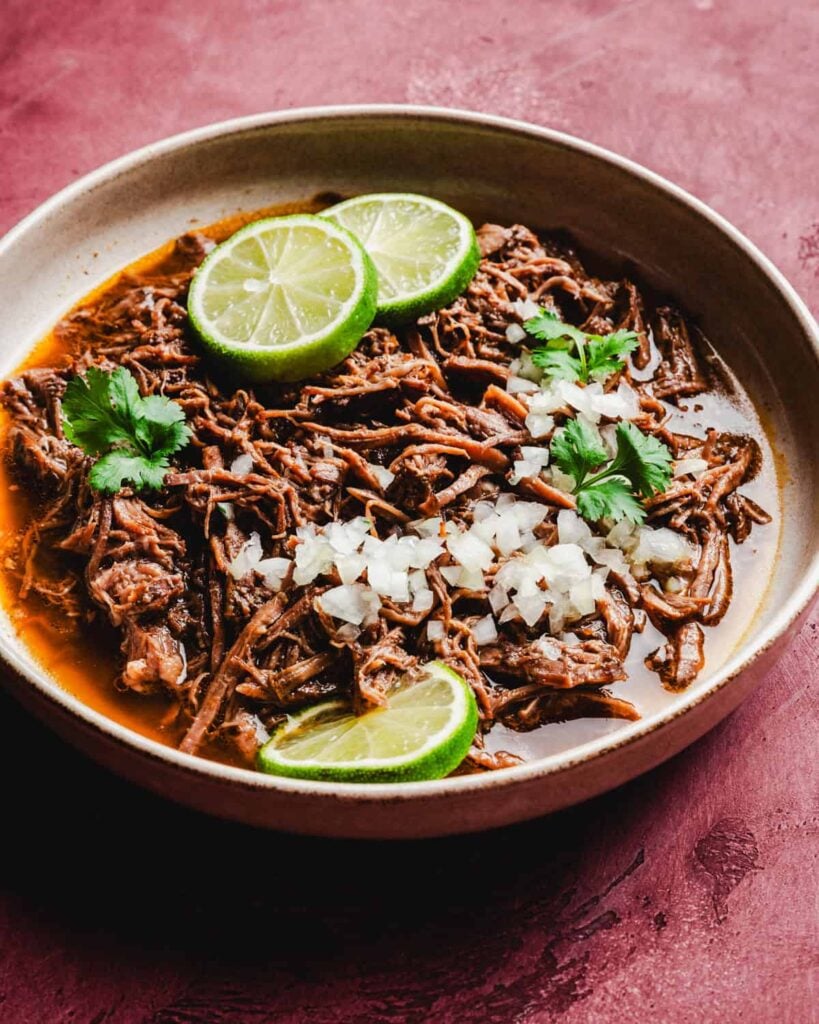
8. Birria de Res
Birria de Res is a traditional Mexican beef stew that comes from Jalisco. You slow-cook beef in a rich broth made with dried chiles, tomatoes, and warm spices like cinnamon and cloves.
The meat becomes tender and full of flavor after hours of braising. You can enjoy birria as a hearty stew with onions, cilantro, and lime juice on top.
Many people also use the meat to make birria tacos or quesabirrias, serving the flavorful broth on the side for dipping.

9. Enchiladas Suizas
Enchiladas Suizas are corn tortillas filled with shredded chicken and covered in a creamy green sauce. The dish gets its name from the word “Suizas,” which means “Swiss” in Spanish, referring to the cream and cheese that make it rich.
You’ll make the sauce from tomatillos, jalapeños, and garlic. Top the enchiladas with melted cheese before baking.
This recipe works well with leftover chicken or rotisserie chicken. You’ll need about four cups of shredded meat and some chicken broth for the sauce.

10. Agua Fresca de Jamaica
Agua de jamaica is a traditional Mexican drink made from dried hibiscus flowers, water, and sugar. You brew the flowers to create a bright red tea that tastes tart and slightly floral.
This popular beverage appears at taquerias and family gatherings throughout Mexico. Serve it cold over ice on hot days.
The recipe requires just three basic ingredients. Steep the dried hibiscus flowers in hot water, add sugar to taste, and sometimes squeeze in fresh lime juice.
The drink has a flavor similar to cranberry juice with its refreshing acidity.
Understanding Authentic Mexican Flavors
Authentic Mexican cooking relies on a specific set of ingredients that create layers of flavor. Different regions across Mexico have developed their own distinct culinary traditions.
Essential Ingredients in Traditional Mexican Cooking
Chiles form the backbone of Mexican cuisine. Fresh varieties like jalapeños, serranos, and poblanos add different heat levels and flavors.
Dried chiles such as anchos, chipotles, and guajillos bring smoky depth to sauces and stews.
Corn appears in multiple forms throughout Mexican cooking. Use masa harina for tortillas and tamales, while hominy stars in pozole.
Fresh corn adds sweetness to salads and soups.
Herbs and spices create authentic flavor profiles. Fresh cilantro brightens salsas and garnishes.
Mexican oregano tastes different from Mediterranean varieties with its citrus notes. Cumin adds earthiness to bean dishes and meat preparations.
Aromatics build flavor foundations. White onions provide sharpness, while garlic adds pungency.
Tomatoes and tomatillos create the base for red and green salsas.
You’ll also need lime juice for acidity, Mexican crema for richness, and queso fresco or cotija cheese for topping dishes.
Regional Influences Shaping Mexican Cuisine
Coastal regions emphasize seafood preparations. Veracruz features fish in tomato-based sauces.
Baja California combines fresh fish with cabbage slaws in their famous tacos.
Central Mexico includes Mexico City and Puebla, where mole sauces reached their peak. These areas use more complex spice blends and techniques like slow-braising meats.
Northern states focus on beef and flour tortillas instead of corn. You’ll find carne asada, machaca, and hearty stews in this region.
The cooking style is simpler with fewer ingredients.
Southern regions like Oaxaca showcase indigenous ingredients. Seven different mole varieties originated here.
You’ll encounter more chocolate, tropical fruits, and traditional cooking methods like pit-roasting.
Yucatan Peninsula blends Mayan traditions with Caribbean influences. Achiote paste colors and flavors the food.
Citrus marinades and banana leaves for steaming are common techniques.
Cooking Techniques That Enhance Authenticity
Authentic Mexican cooking relies on specific preparation methods and ingredient choices that build deep, complex flavors. The techniques used in traditional kitchens create results that modern shortcuts cannot match.
Traditional Preparation Methods
The molcajete, a volcanic stone mortar and pestle, is essential for creating proper salsas and guacamole. When you grind ingredients in a molcajete, you release oils and create textures that a blender cannot achieve.
The rough surface breaks down tomatoes, chiles, and garlic into a rustic consistency with superior flavor.
Nixtamalization transforms dried corn into masa for tortillas and tamales. This process involves soaking corn in an alkaline solution, usually lime water, which changes the corn’s structure and nutritional value.
The technique dates back thousands of years and creates the distinctive taste and texture of real corn tortillas.
A comal, a flat griddle, chars vegetables and toasts spices properly. You need direct heat contact to develop the smoky, slightly bitter notes that define many Mexican dishes.
Using a comal for tortillas creates those signature brown spots and keeps them pliable.
Slow cooking in clay pots develops layered flavors over time. Methods like braising and simmering allow spices to penetrate meat fully while keeping it tender.
Tips for Achieving True Mexican Taste at Home
Toast your dried chiles before rehydrating them. Remove the stems and seeds, then heat them on a dry skillet for 30 seconds per side.
This step wakes up dormant flavors and adds complexity to your sauces.
Bloom your spices in hot oil or a dry pan before adding other ingredients. Cumin, oregano, and coriander release essential oils when heated, creating a more intense base for your dishes.
Use Mexican oregano instead of Mediterranean oregano. Mexican oregano has a citrusy, slightly minty flavor that pairs better with chiles and cumin.
Fry your salsa after blending it. Pour blended salsa into hot oil and let it cook for 5-10 minutes.
This technique concentrates flavors and changes the raw taste into something richer and more developed.
Choose lard or Mexican crema over substitutes when recipes call for them. These traditional fats carry flavors differently than butter or sour cream and create authentic textures in refried beans, tamales, and sauces.
Frequently Asked Questions
What are some traditional ingredients used in authentic Mexican cooking?
Dried chiles form the backbone of Mexican cooking. Ancho, guajillo, and pasilla chiles provide different levels of heat and smoky depth to sauces and stews.
Corn masa is essential for making tortillas, tamales, and other staples. You can buy masa harina, which is dried corn flour treated with lime, at most grocery stores.
Fresh cilantro, white onions, and lime juice appear in nearly every Mexican dish. Mexican oregano differs from Mediterranean oregano with its more citrusy, earthy flavor.
How can I make an authentic Mexican dinner for a family gathering?
Start with pozole rojo as your main dish. This hearty soup feeds a crowd and tastes better when made a day ahead.
Serve carnitas tacos alongside the pozole with fresh toppings like diced onions, cilantro, and lime wedges. Make homemade corn tortillas if you have time, as they elevate the entire meal.
Set out small bowls of radishes, shredded cabbage, and salsa for guests to customize their plates. This setup lets everyone build their meal the way they prefer.
What are some of the most classic Mexican chicken recipes?
Chicken mole enchiladas showcase one of Mexico’s most famous sauces. Mole contains chiles, chocolate, nuts, and spices that create a complex, rich flavor.
Pollo con arroz combines chicken with tomato-based rice for a simple weeknight meal. You can also make tinga de pollo, which features shredded chicken in a chipotle tomato sauce.
Chicken pozole offers a lighter alternative to the traditional pork version. The chicken cooks faster while still developing the depth of flavor the dish needs.
Could you list notable Mexican dishes that are considered must-try?
Chiles en nogada represent Mexican cuisine at its finest. This dish features poblano chiles stuffed with picadillo and topped with walnut cream sauce and pomegranate seeds.
Pozole rojo is a hominy soup with pork or chicken that appears at celebrations throughout Mexico.
Carnitas tacos showcase slow-cooked pork that becomes tender and crispy at the edges.
Mole poblano requires hours of preparation but delivers unmatched flavor.
Fresh tamales wrapped in corn husks demonstrate the art of masa preparation.
Where can I find reliable sources for traditional Mexican dessert recipes?
Look for recipes from Mexican home cooks and food bloggers who share family recipes. These sources often include stories and techniques passed down through generations.
Cookbooks focused on regional Mexican cuisine provide tested recipes with proper measurements.
Sites that specialize in Mexican cooking typically offer step-by-step photos and helpful tips.
How do Mexican culinary traditions vary by region within the country?
Coastal regions use more seafood in their cooking. States like Veracruz and Baja California feature fish tacos, ceviche, and shrimp dishes as staples.
Central Mexico, including Puebla and Oaxaca, is known for complex mole sauces. These areas combine indigenous and Spanish ingredients in elaborate preparations.
Northern states like Sonora and Chihuahua focus on grilled meats and flour tortillas. The ranch culture in these regions influenced simpler, meat-forward dishes.
Southern regions including Yucatan use achiote, habaneros, and tropical fruits. These ingredients create distinct flavors not found elsewhere in Mexico.