
Mexican cuisine goes far beyond the limited versions you might find at chain restaurants. Real Mexican cooking features dishes developed over generations, with techniques and flavors that vary widely across different regions of the country.
From slow-cooked stews to handmade tortillas, these recipes represent the true heart of Mexican home cooking.
You’ll learn about regional specialties like pozole, birria, and chiles en nogada, along with foundational elements like homemade tortillas and classic guacamole. Each recipe brings you closer to understanding what makes Mexican food so special to the families who have been cooking it for years.
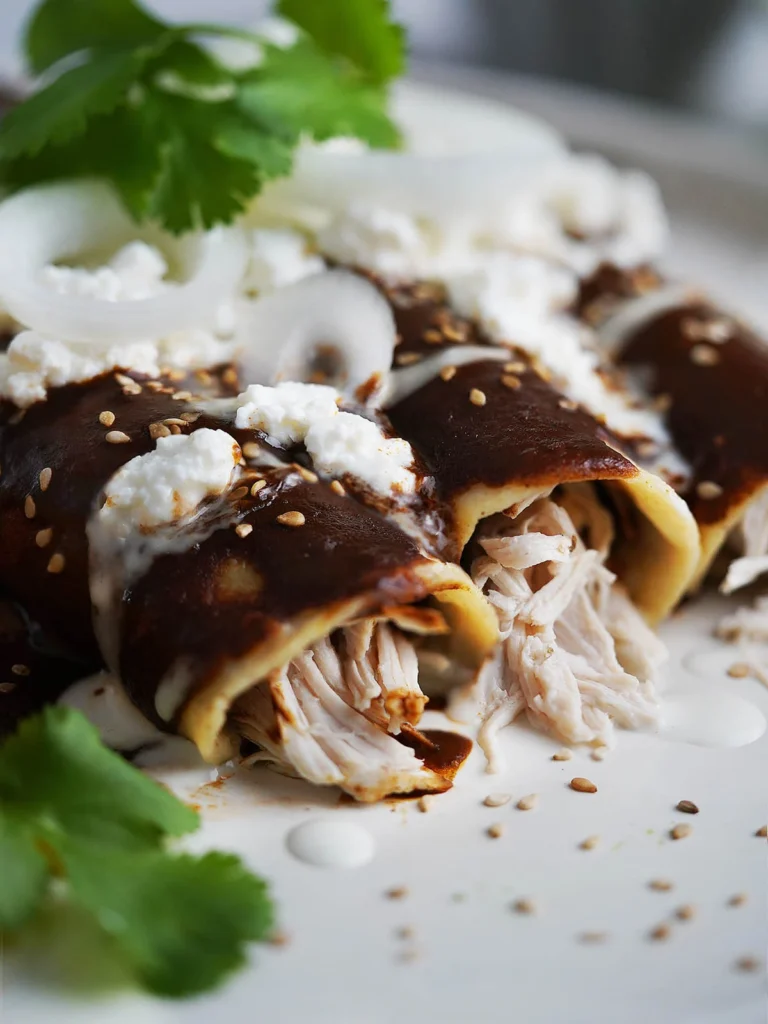
1. Chicken Mole Enchiladas
Chicken mole enchiladas combine tender shredded chicken with rich mole sauce inside corn tortillas. The mole sauce blends chocolate, dried chiles, and warm spices to create a deep, complex flavor.
Prepare these enchiladas by dipping tortillas in the mole sauce and filling them with chicken and cheese. Bake until warm, then top with queso fresco, sesame seeds, and fresh cilantro.
This traditional Mexican dish works well for weeknight dinners or special occasions. The recipe is simpler than traditional mole, which can take days to make.

2. Carnitas Tacos
Carnitas tacos bring true Mexican flavor to your table. The dish comes from Michoacán, where cooks slowly braise pork shoulder until it falls apart easily.
Cook the meat with simple ingredients like onion, garlic, and orange. After the pork becomes tender, crisp it under your broiler or in a hot pan.
This creates pieces that are juicy inside and crunchy outside. Serve your carnitas in warm corn tortillas with chopped onion, cilantro, and salsa.
You can also add carnitas to burritos or nachos when you want variety.

3. Homemade Corn Tortillas
Making corn tortillas from scratch takes just three ingredients: masa harina, water, and a pinch of salt. You can have fresh tortillas ready in about 15 minutes.
Find good quality masa harina, which is corn flour treated through nixtamalization. Mix it with warm water until you get a soft dough that doesn’t stick to your hands.
Press small balls of dough between parchment paper or plastic wrap. Cook each tortilla on a hot griddle for about 30 seconds per side until light brown spots appear.

4. Pozole Rojo
Pozole Rojo stands out as one of Mexico’s most beloved stews. You’ll find tender pork and hominy simmered together in a rich red chile broth.
This traditional dish often appears at celebrations and family gatherings. The red color comes from dried chiles that add a smoky warmth to every bowl.
Customize each serving with fresh toppings. Shredded cabbage, sliced radishes, diced avocado, cilantro, and lime wedges let everyone make it their own.

5. Birria Stew
Birria is a traditional Mexican stew that’s slow-cooked until the meat becomes tender and falls apart. The dish gets its deep flavor from dried chilies and spices that simmer together for hours.
Make birria with beef, goat, or lamb. The meat cooks in a rich broth made from dried chilies, garlic, and Mexican spices.
Serve your birria as a hearty stew with fresh tortillas, onions, cilantro, and lime. You can also use it to make birria tacos by dipping tortillas in the flavorful broth.

6. Tamales Verdes
Tamales verdes are a classic Mexican dish that brings families together during celebrations and holidays. These green tamales get their vibrant color from tomatillo sauce mixed with green chilies.
Wrap tender masa dough around shredded chicken and tangy salsa verde, then steam everything in corn husks. The process takes time and effort, but you’ll end up with authentic tamales worth sharing.
Making tamales is easier when you have helpers in the kitchen. Prepare them for Christmas, special occasions, or any time you want traditional Mexican comfort food.

7. Chiles en Nogada
Chiles en Nogada is a festive dish from Puebla that showcases the colors of the Mexican flag. You’ll stuff roasted poblano peppers with a sweet and savory picadillo made from ground meat, chopped apples, pears, and spices.
Top the dish with a creamy walnut sauce and garnish with pomegranate seeds and parsley. The green peppers, white sauce, and red seeds create the iconic tricolor appearance.
You can find variations across Mexico, with some recipes using different fruits or adding an egg batter coating before serving.

8. Classic Guacamole
You need just a few fresh ingredients to make authentic guacamole at home. Start with ripe avocados and mash them to your preferred texture.
Add diced white onion, fresh cilantro, and lime juice for brightness. Include chopped tomatoes and jalapeños for extra flavor and heat.
Season with salt to taste. Use quality produce and avoid unnecessary additions like sour cream or mayonnaise.
Mix everything gently to keep some texture. Serve immediately with chips or use it as a topping for tacos.
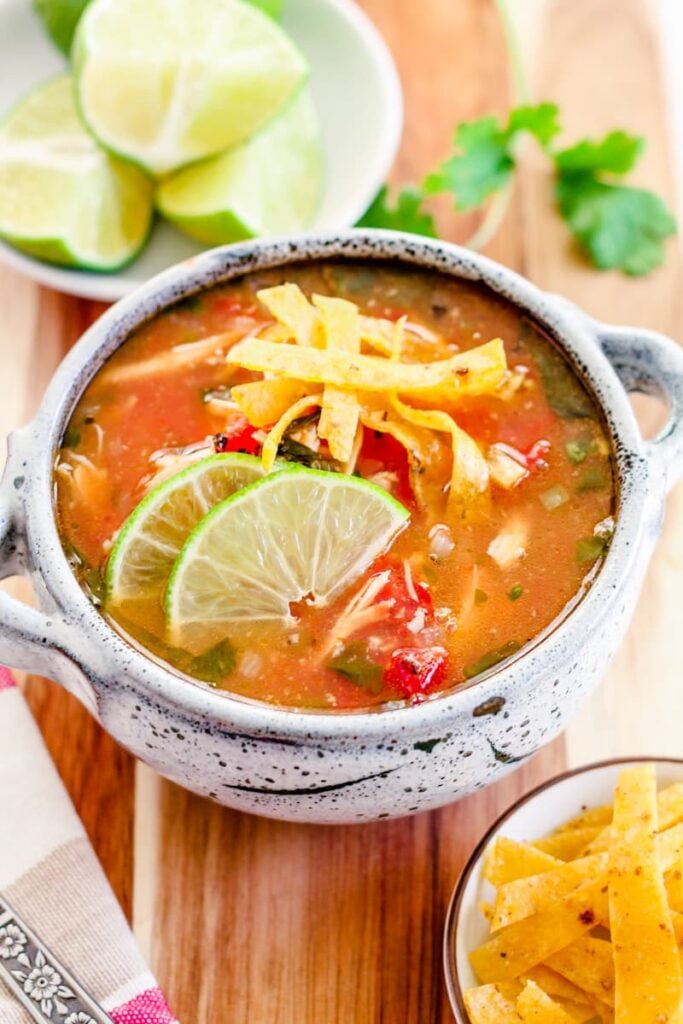
9. Sopa de Lima
Sopa de Lima is a traditional chicken soup from Mexico’s Yucatán Peninsula. You’ll find it features a light, aromatic broth made with fresh lime juice, shredded chicken, and tomatoes.
The soup includes subtle spices like cinnamon and clove that give it a unique flavor profile. Top it with crispy tortilla strips before serving.
This dish is lighter than typical tortilla soup, with bright citrus notes that balance the tender chicken. It’s a simple recipe that brings authentic Yucatecan flavors to your kitchen.

10. Barbacoa de Res
Barbacoa de Res is a traditional Mexican dish of tender shredded beef cooked low and slow with chilies and spices. Make it with beef cheeks for authentic flavor or use chuck roast as a more accessible option.
Cook the meat until it falls apart easily, creating a rich and savory filling. Use it in tacos with fresh cilantro and chopped onions.
You can also use barbacoa for burritos, enchiladas, quesadillas, or Mexican-style sandwiches.
Authentic Cooking Techniques
Mastering authentic Mexican cooking requires specific ingredients like dried chiles and masa, traditional tools such as molcajetes and comales, and techniques like slow-simmering sauces and nixtamalization that build deep, layered flavors.
Traditional Ingredients and Their Uses
Dried chiles form the foundation of Mexican cooking. Use varieties like guajillo for mild sweetness, ancho for smoky depth, and árbol for heat.
Toast them lightly before rehydrating to unlock their full flavor potential. Masa harina is nixtamalized corn flour essential for tortillas and tamales.
Fresh masa produces better texture than dried, but masa harina works well when you prepare it correctly with warm water.
Key Fresh Ingredients:
- Cilantro – adds brightness to salsas and garnishes
- Mexican oregano – earthier than Mediterranean varieties
- Epazote – reduces gas in beans and adds distinct flavor
- Mexican cinnamon (canela) – sweeter and softer than cassia cinnamon
Lard provides authentic flavor in tamales, refried beans, and flour tortillas. Mexican crema and queso fresco offer tangy, mild dairy elements that differ from sour cream and feta.
Classic Mexican Cooking Tools
A molcajete is a volcanic stone mortar and pestle that grinds spices and makes salsa with superior texture. The rough surface breaks down ingredients differently than blenders, creating rustic consistency and releasing essential oils.
Your comal, a flat griddle, chars vegetables, toasts spices, and cooks tortillas. Cast iron or clay versions distribute heat evenly for proper blistering and flavor development.
| Tool | Primary Use | Material |
|---|---|---|
| Molcajete | Grinding, salsa-making | Volcanic stone |
| Comal | Toasting, charring, tortillas | Cast iron or clay |
| Tortilla press | Flattening masa | Wood or metal |
| Olla | Stewing, braising | Clay or enamel |
A traditional clay olla pot adds earthy flavor to beans and stews during long, slow cooking. The porous material allows gentle evaporation that concentrates flavors.
Time-Honored Methods for Maximum Flavor
Toast dried chiles on your comal for 10-15 seconds per side to transform their flavor. Watch carefully to avoid burning, which creates bitterness.
Remove stems and seeds before soaking in hot water for 20-30 minutes. Slow-simmering builds complexity in sauces and braises.
Cook your mole for at least an hour after blending to marry flavors. Carnitas require 2-3 hours of gentle cooking in lard until the meat becomes tender and caramelized.
Char vegetables directly over flame or on a hot comal to create smoky depth. Blacken tomatoes, tomatillos, onions, and garlic before blending into salsas.
The burnt exterior adds authentic taste you can’t replicate with raw ingredients. Nixtamalization treats dried corn with calcium hydroxide (cal), making nutrients available and creating the distinct flavor of tortillas and tamales.
This process also improves masa’s workability.
Flavor Profiles in Regional Mexican Cuisine
Mexican cuisine builds complex flavors through carefully balanced combinations of chiles, herbs, and aromatic ingredients that vary significantly by region. Each area uses local ingredients and traditional techniques to create distinct taste profiles.
Distinctive Spices and Seasonings
Mexican cooking relies on specific spices that create layers of flavor rather than simple heat. Cumin adds earthy warmth to northern dishes, while cinnamon and cloves bring sweetness to Oaxacan moles.
Mexican oregano differs from Mediterranean varieties with its citrus notes and pairs with dried chiles in marinades and sauces. Dried chiles form the backbone of regional seasonings.
You’ll find smoky chipotle in central Mexican adobos, fruity ancho in traditional moles, and bright guajillo in northern stews. Fresh herbs like cilantro, epazote, and Mexican bay leaves add distinct aromatic qualities.
Achiote paste gives Yucatecan dishes their signature red-orange color and earthy flavor. Toasted sesame seeds, pumpkin seeds, and peanuts ground into spice pastes create rich, nutty bases for sauces across different regions.
Balancing Heat and Freshness
Authentic Mexican dishes balance spicy heat with fresh, acidic elements. Lime juice cuts through rich foods and brightens salsas.
Fresh tomatoes, tomatillos, and citrus provide acidity that complements rather than overwhelms chile heat. You’ll notice that heat levels serve different purposes across preparations.
Some dishes use chiles for flavor complexity rather than pure spice. The heat should enhance other ingredients, not mask them.
Fresh garnishes like diced onions, radishes, and cilantro add crisp texture and clean flavors. Crema and avocado provide cooling elements that round out spicy dishes.
This balance makes each bite interesting without becoming monotonous.
Key Differences Across Regions
Oaxaca produces complex moles with 20-30 ingredients including chocolate, multiple chile varieties, and ground seeds. The flavors are deep, slightly sweet, and layered.
Yucatan features tropical ingredients like sour oranges, habaneros, and achiote that create bright, punchy flavors. Dishes often include pickled onions and citrus-based marinades.
Northern Mexico emphasizes grilled meats with simple seasonings, dried chile sauces, and wheat tortillas. The flavors are more straightforward and meat-focused.
Coastal regions incorporate seafood with fresh lime, chiles, and cilantro. Central Mexican cuisine balances indigenous ingredients like corn and squash blossoms with Spanish influences such as pork and cheese.
Frequently Asked Questions
Authentic Mexican cooking relies on specific ingredients like dried chiles, fresh cilantro, and masa harina, while signature dishes such as pozole and birria showcase centuries of culinary tradition. Understanding these fundamentals helps you create genuine Mexican meals and distinguish them from Tex-Mex adaptations.
What are some traditional ingredients found in authentic Mexican recipes?
Dried chiles form the backbone of Mexican cooking. Varieties like ancho, guajillo, and pasilla chiles provide depth and complexity to sauces and stews.
Fresh cilantro, white onions, and lime juice appear in nearly every authentic recipe. Mexican oregano differs from Mediterranean oregano with its citrusy, earthy flavor.
Masa harina, a specially treated corn flour, makes authentic tortillas and tamales. Crema mexicana, queso fresco, and cotija cheese add creamy, tangy notes that differ from standard American cheeses.
Which dishes are considered must-tries for an authentic Mexican dinner experience?
Chicken mole enchiladas showcase the complexity of Mexican cuisine with their rich, multi-layered sauce. The mole combines chiles, spices, and sometimes chocolate for a unique savory profile.
Pozole rojo, a hearty hominy stew, represents traditional celebration food. You serve it with cabbage, radishes, oregano, and lime wedges for guests to customize their bowls.
Carnitas tacos offer tender, slow-cooked pork with crispy edges. Birria stew delivers deeply flavored braised meat in a chile-spiced broth.
What are the signature Mexican recipes for a family gathering?
Pozole rojo feeds a crowd and allows everyone to add their preferred toppings. The large pot of hominy and pork simmers for hours, making it perfect for gatherings.
Birria stew brings families together with its rich, aromatic broth. You can serve it as a stew or use the meat for tacos, providing flexibility for different preferences.
Carnitas work well for gatherings because guests can build their own tacos. Set out homemade corn tortillas with fresh cilantro, diced onions, and salsa for a customizable meal.
How can one differentiate between authentic and Tex-Mex cuisine?
Authentic Mexican food uses fresh ingredients and complex spice blends rather than premixed seasonings. Tex-Mex relies heavily on yellow cheese, ground beef, and cumin-heavy spice mixes.
Mexican cuisine features corn tortillas as the standard, while Tex-Mex often uses flour tortillas. Hard-shell tacos and nachos topped with melted cheese are Tex-Mex inventions.
Traditional Mexican dishes incorporate regional chiles and slow-cooked meats. Tex-Mex typically includes dishes like fajitas, chili con carne, and burritos smothered in cheese sauce.
What are the most popular authentic Mexican desserts?
Tres leches cake soaks sponge cake in three types of milk for an incredibly moist dessert. This sweet treat appears at celebrations and special occasions throughout Mexico.
Flan, a creamy caramel custard, ranks among the most beloved Mexican desserts. Churros, fried dough coated in cinnamon sugar, offer a simpler sweet option.
Arroz con leche provides a comforting rice pudding flavored with cinnamon and vanilla. Conchas, sweet bread rolls with a shell-like sugar topping, accompany morning coffee.
Can you suggest some authentic Mexican chicken recipes that are both traditional and flavorful?
Chicken mole enchiladas deliver complex flavor from a sauce containing multiple chiles, spices, nuts, and seeds. The preparation takes time but creates an unforgettable dish.
Pollo en salsa verde uses tomatillos, green chiles, and cilantro for a bright, tangy sauce. You simmer chicken pieces in this green sauce until they become tender.
Tinga de pollo shreds chicken and simmers it with chipotle chiles and tomatoes. This dish works well in tacos, tostadas, or tortas.