
Baking at home turns basic ingredients into treats that fill your kitchen with warmth and good smells. Whether you want to make cookies, cakes, bread, or pastries, having tested recipes makes the process easier and more fun.
You don’t need fancy equipment or years of practice to create baked goods that taste great. This collection brings together essential recipes that work well for both new and experienced bakers.
You’ll find classics like chocolate chip cookies and banana bread alongside slightly more challenging projects like cinnamon rolls and sourdough. Each recipe includes clear steps and helpful techniques to guide you toward better results every time you bake.
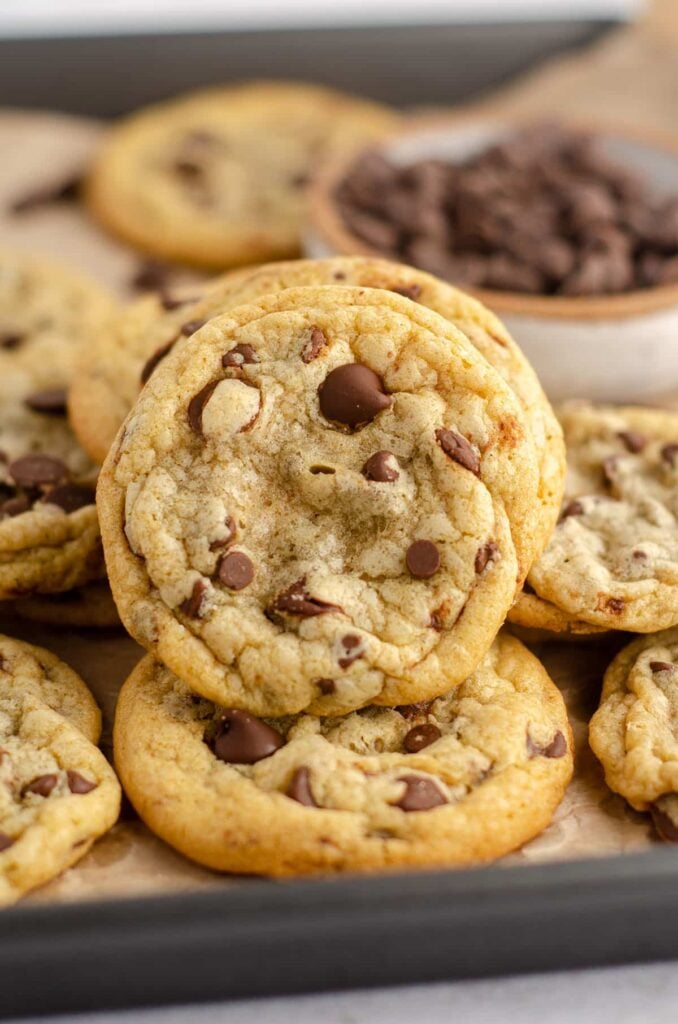
1. Classic Chocolate Chip Cookies
Chocolate chip cookies are a staple in every baker’s recipe collection. You’ll get the best results with a recipe that creates crisp edges and chewy centers.
Most classic recipes use butter, sugar, eggs, flour, and chocolate chips. You don’t need any special equipment to make them.
Use room temperature butter and avoid overmixing your dough. Bake your cookies until the edges turn golden brown but the centers still look slightly soft.
They will continue cooking on the baking sheet after you remove them from the oven.
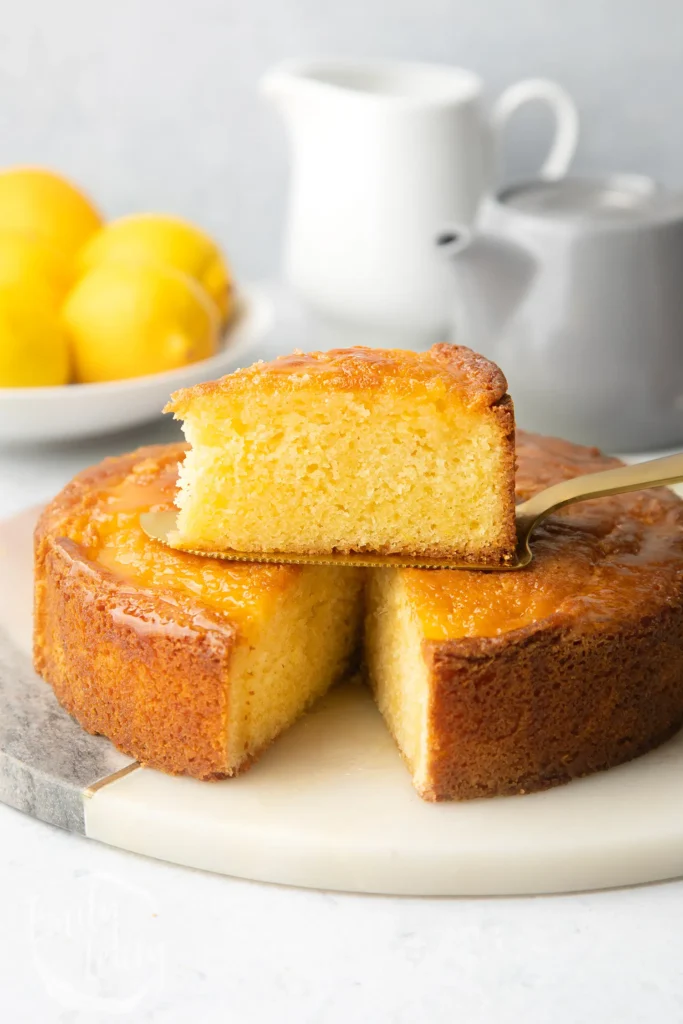
2. Lemon Drizzle Cake
Lemon drizzle cake is a classic British bake that balances tangy lemon flavor with sweet glaze. You can make it in a standard loaf pan in about an hour.
The cake features a moist crumb and a sugary lemon topping that soaks into the warm cake. This creates a soft texture and bright citrus taste throughout.
Serve it at afternoon tea or casual gatherings. The recipe works well for new bakers since it uses simple ingredients and basic techniques.
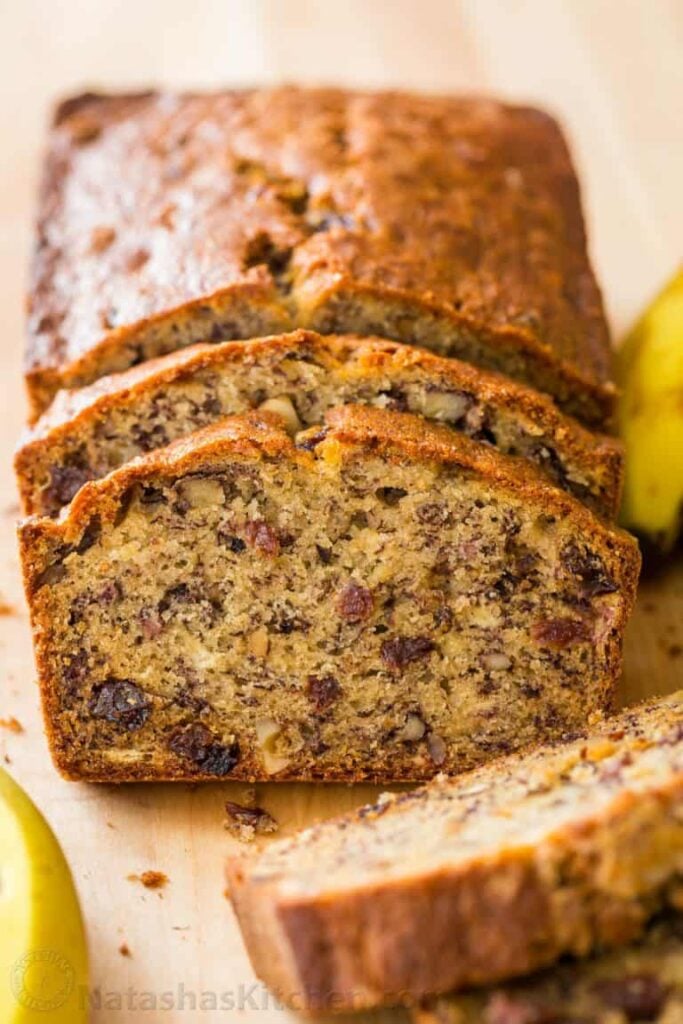
3. Banana Bread
Banana bread stands as one of the most forgiving recipes for home bakers. You need very ripe bananas with brown spots to get the best flavor.
The basic recipe combines mashed bananas with sugar, eggs, melted butter, and flour. Most versions bake in about an hour at standard oven temperature.
The recipe gained popularity during the Great Depression when bakers wanted to use overripe bananas instead of throwing them away. Your banana bread should turn out moist with a tender crumb.
Adding sour cream helps create an even softer texture.
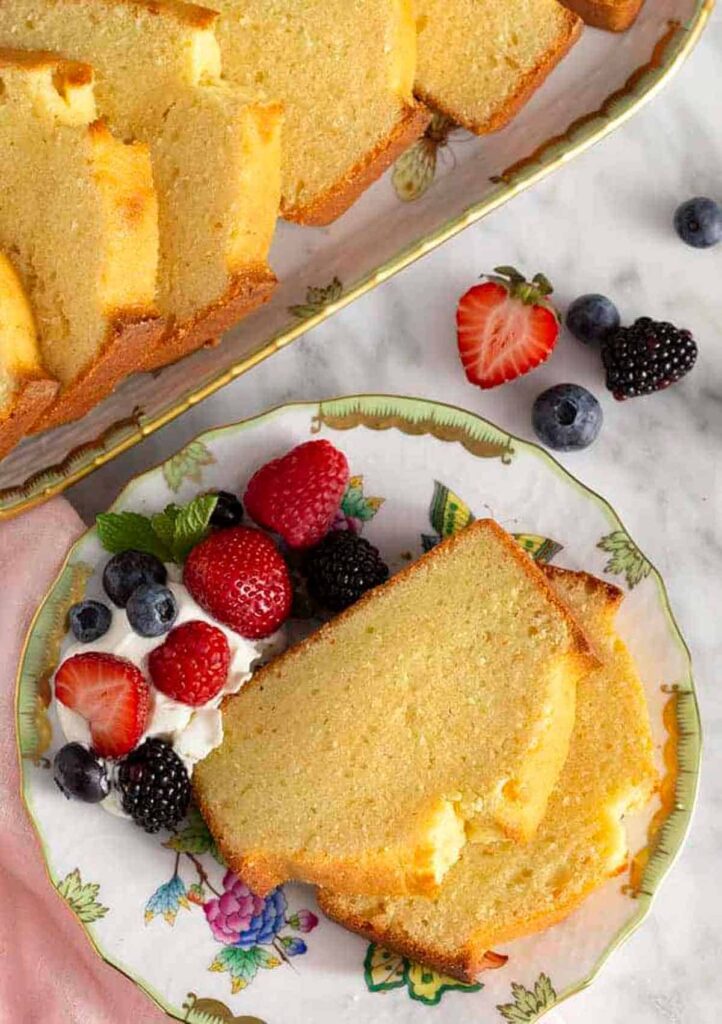
4. Vanilla Pound Cake
Vanilla pound cake is a timeless dessert that belongs in every home baker’s collection. The recipe uses basic ingredients you likely have in your kitchen right now.
Its rich, buttery texture and sweet vanilla flavor make this cake special. You can bake it in either a loaf pan or a Bundt pan depending on what you prefer.
The straightforward preparation makes it perfect for beginners. The simple process still delivers a moist, tender cake that works for any occasion.
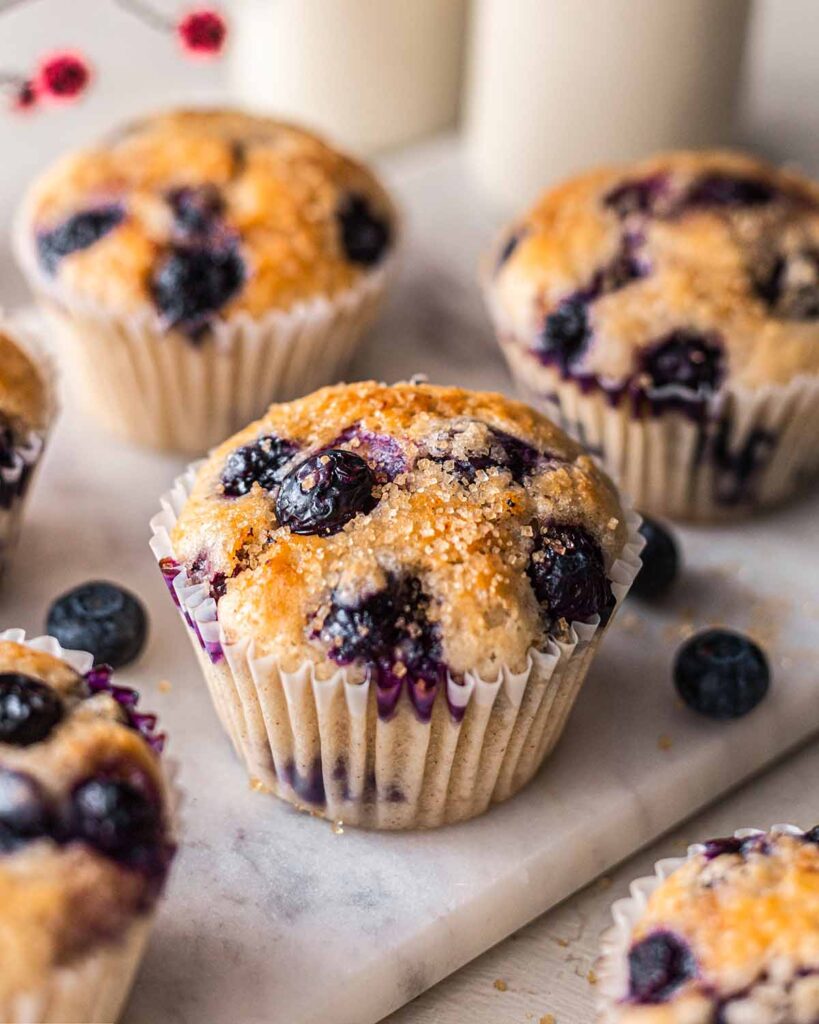
5. Blueberry Muffins
Blueberry muffins are a bakery favorite you can easily make at home. Use simple ingredients like flour, butter, eggs, and fresh blueberries.
Mix your batter in one bowl and avoid over-mixing to keep your muffins tender and moist. A sprinkle of sugar on top before baking creates that classic bakery-style finish.
These muffins come together in under an hour. They taste best when served warm from the oven.
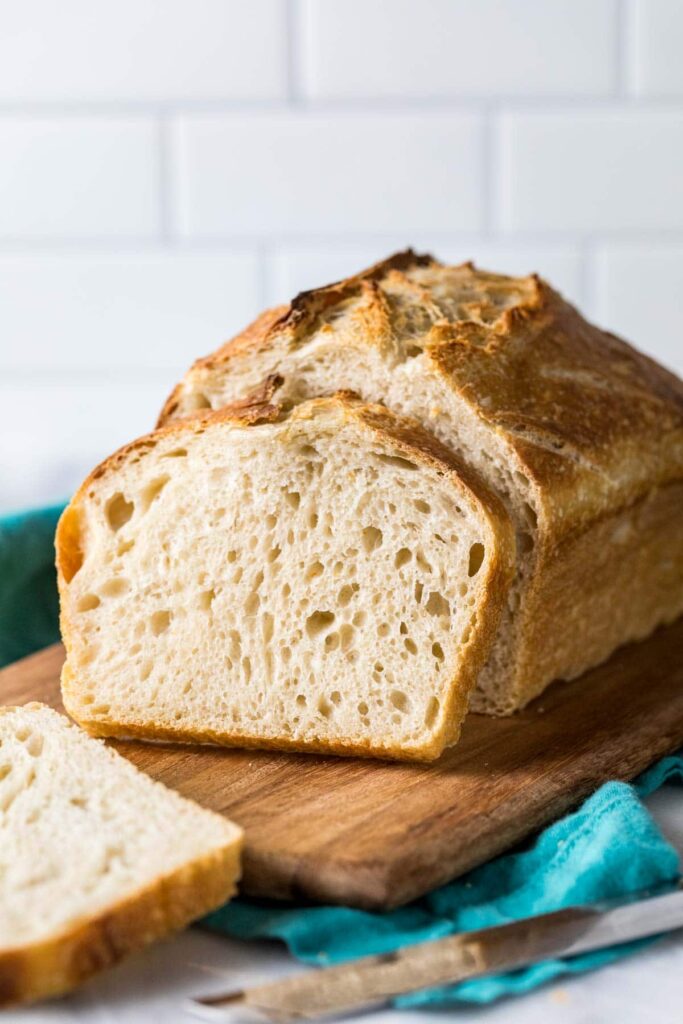
6. Simple Sourdough Bread
Sourdough bread requires just four basic ingredients: flour, water, salt, and an active sourdough starter. The starter is a mixture of flour and water that ferments over time, creating natural yeast.
Bake a beginner-friendly loaf using a no-knead method in a Dutch oven. This technique traps steam during baking, which helps create a crispy crust and soft interior.
The process takes time but requires minimal hands-on work. Mix the dough, let it rise, shape it, and bake it the next day.
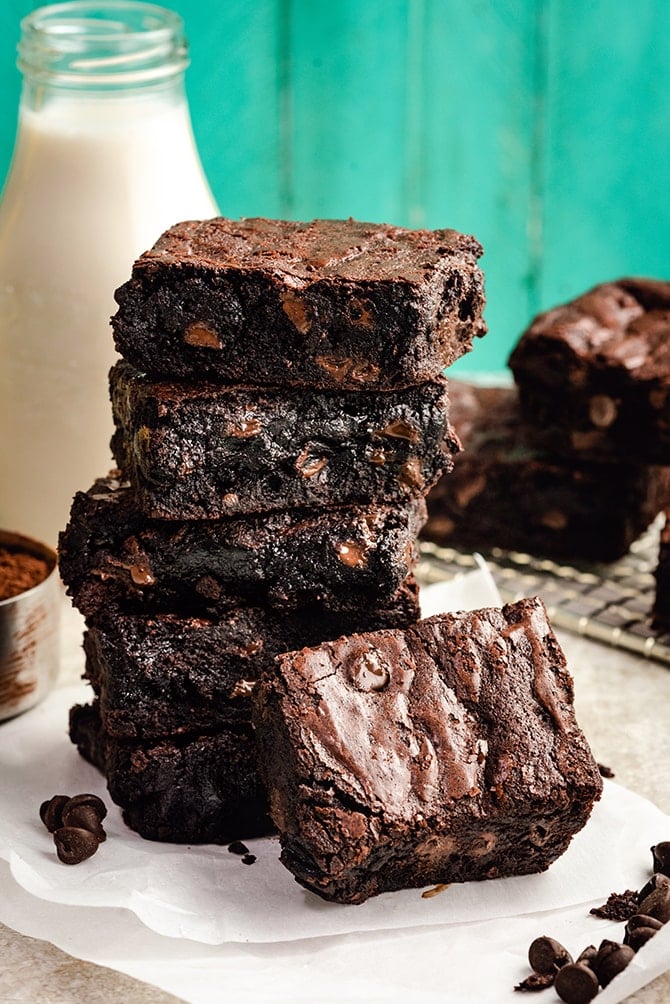
7. Fudgy Brownies
Fudgy brownies are dense, moist, and rich with chocolate flavor. Use a high ratio of butter to flour along with melted chocolate and cocoa powder for the best results.
Achieve that signature crackly top with a gooey center by following the right ratios. Make them in one bowl with basic ingredients like butter, sugar, eggs, flour, and chocolate.
These brownies come together in under an hour. Add chocolate chips for extra chocolate flavor and an even fudgier texture.

8. Cinnamon Rolls
Cinnamon rolls are a classic baking project that fills your kitchen with warmth and sweet spice. The key to great rolls is soft, fluffy dough paired with a generous cinnamon-sugar filling.
Top them with cream cheese frosting or a simple vanilla icing. Both options add the right amount of sweetness.
These rolls take some time because the dough needs to rise, but the results are worth it. You can prepare them ahead and freeze unbaked rolls for fresh baking later.
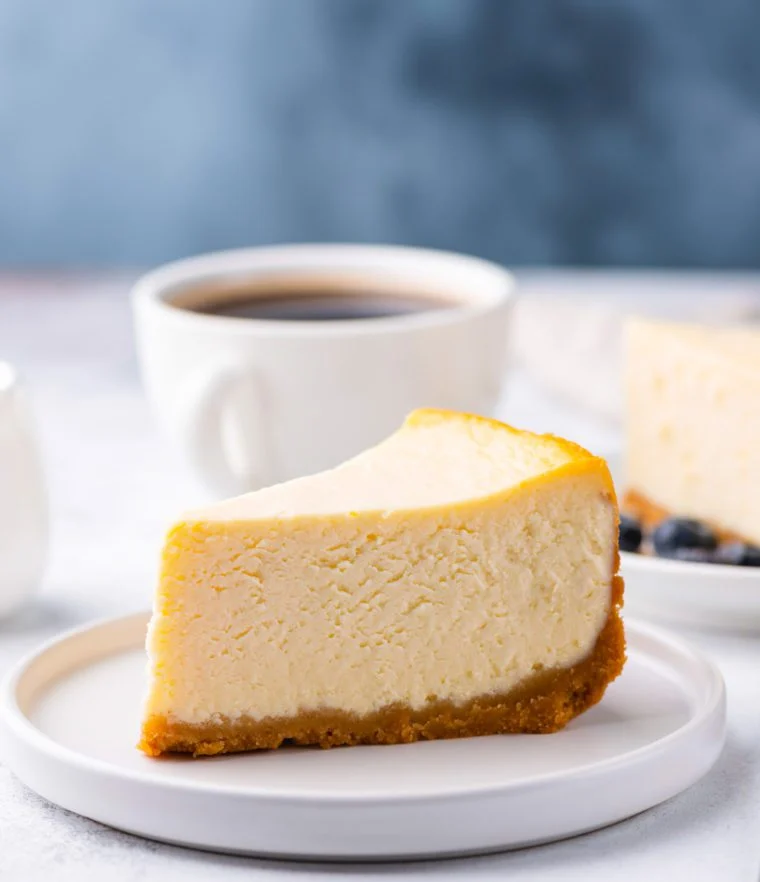
9. Cheesecake
Cheesecake stands as one of the most rewarding desserts you can master in your kitchen. The combination of a buttery graham cracker crust and rich cream cheese filling creates a dessert that consistently impresses.
Use room temperature cream cheese and bake in a water bath for best results. This method prevents cracks and ensures even cooking throughout.
You’ll need just a few basic ingredients: cream cheese, sugar, eggs, and vanilla. The process takes time, but each step is straightforward and manageable for bakers at any skill level.
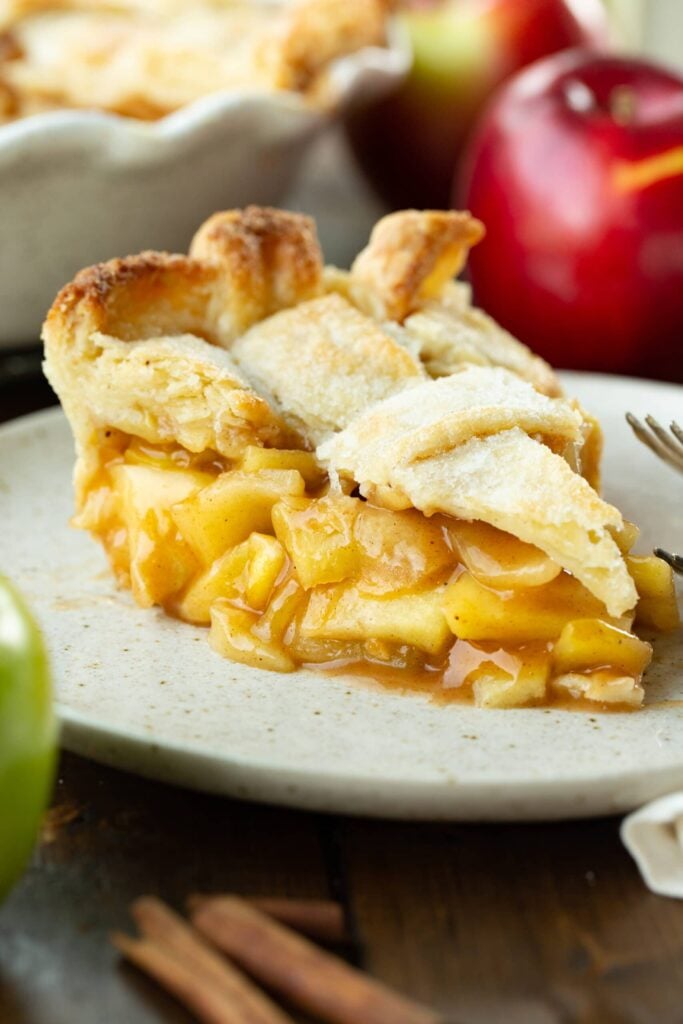
10. Apple Pie
Apple pie stands as a classic American dessert that every home baker should master. You’ll need a flaky butter crust and a mix of tart and sweet apples for the best results.
Pre-cook your apple filling on the stovetop for about five minutes to avoid a soggy bottom. This step thickens the juices and concentrates the flavors.
Use a combination of Granny Smith and Honeycrisp apples for balanced flavor and texture. Keep your butter and dough cold while working to achieve those perfect flaky layers.
Baking Techniques for Consistent Results
Success in baking comes down to three key factors: precise measurements, proper mixing, and careful control of heat and time. These techniques form the foundation of reliable results every time you bake.
Measuring Ingredients Accurately
Your measurements directly affect how your baked goods turn out. Using the wrong amount of flour or sugar can make the difference between a perfect cake and a dense, dry disappointment.
Use these methods for accurate measuring:
- Flour: Spoon it into your measuring cup and level it off with a knife. Never scoop directly from the bag, which packs the flour and gives you too much.
- Sugar: Scoop and level for granulated sugar. Pack brown sugar firmly into the cup until it holds its shape.
- Liquids: Place your measuring cup on a flat surface and check at eye level for accuracy.
- Butter: Use the measurements marked on the wrapper or cut based on the package guide.
A kitchen scale gives you the most accurate measurements. Weighing ingredients eliminates errors from packed flour or settling.
Most professional bakers prefer weighing because it provides consistent results batch after batch.
Essential Mixing Methods
How you combine ingredients changes the texture of your final product. Different recipes need different approaches to create the right structure.
Creaming combines butter and sugar by beating them together until light and fluffy. This adds air to your batter and creates a tender crumb in cakes and cookies.
Beat for 3-5 minutes until the mixture looks pale and increased in volume. Folding gently combines ingredients without losing air.
Use a spatula to cut through the center of the mixture, then sweep along the bottom and up the side. This works well for adding whipped egg whites or flour to delicate batters.
Cutting in blends cold butter into flour for pastries and biscuits. Use a pastry cutter or two knives to break the butter into pea-sized pieces.
This creates flaky layers in your baked goods. Stop mixing as soon as ingredients combine.
Overmixing develops too much gluten, which makes cakes tough and dense instead of tender.
Oven Temperatures and Timing
Your oven temperature must be accurate for recipes to work properly. Most home ovens run hotter or cooler than the display shows.
Buy an oven thermometer to check your actual temperature. Place it in the center of your oven and compare it to the setting.
Adjust your dial up or down based on the difference you find. Preheat your oven for at least 15-20 minutes before baking.
This ensures even heat throughout the oven cavity. Opening the door during baking drops the temperature quickly, so resist checking too early.
Follow these timing guidelines:
- Set a timer for the minimum baking time listed in the recipe
- Check for doneness using the tests described (toothpick, color, touch)
- Add 2-3 minutes at a time if you need more baking
- Rotate pans halfway through for even browning
Position your racks before preheating. The center rack works best for most baking.
Use the lower rack for crispy bottoms on pizza or bread.
Tips for Personalizing Baking Recipes
You can adjust most baking recipes to match your taste preferences and dietary needs without losing quality. Simple swaps and smart modifications let you make recipes work for your kitchen.
Substitution Ideas for Common Ingredients
You can replace butter with coconut oil or vegetable oil in most recipes using a 1:1 ratio. For a lighter texture in cakes, try using Greek yogurt or applesauce to replace half the butter called for in the recipe.
Common Flour Substitutions:
- All-purpose flour can be replaced with whole wheat flour (use 7/8 cup whole wheat for every 1 cup all-purpose)
- White sugar swaps with honey or maple syrup (reduce liquid by 3 tablespoons per cup)
- Regular milk exchanges with almond, oat, or soy milk in equal amounts
Eggs serve different purposes in baking. For binding, use 1/4 cup mashed banana or applesauce per egg.
For leavening, mix 1 tablespoon vinegar with 1 teaspoon baking soda. Chocolate chips can be swapped with chopped nuts, dried fruit, or different chocolate varieties.
Vanilla extract works as a substitute for other extracts at a 1:1 ratio, though the flavor will change.
Adapting Recipes for Dietary Needs
Gluten-free baking requires special flour blends that include xanthan gum or guar gum for structure. Use a pre-made gluten-free flour blend designed for baking rather than single-grain flours for best results.
For dairy-free baking, replace butter with vegan butter sticks or refined coconut oil. Use plant-based milk with similar fat content to what the recipe calls for.
Full-fat coconut milk works well in place of heavy cream. Sugar-Free Adjustments:
- Replace sugar with erythritol or monk fruit sweetener (check package for conversion ratios)
- Reduce baking temperature by 25°F to prevent over-browning
- Add extra liquid since alternative sweeteners can dry out baked goods
Low-carb recipes benefit from almond flour or coconut flour. These absorb more liquid than regular flour.
Start with recipes specifically designed for these flours before adapting your favorites.
Frequently Asked Questions
What are some easy and simple baking recipes for beginners?
You should start with recipes that have short ingredient lists and straightforward steps. Banana bread is one of the best beginner recipes because it requires simple mixing and forgives small mistakes.
You just need ripe bananas, flour, sugar, eggs, and butter. Blueberry muffins are another great choice for your first baking projects.
The batter comes together in one bowl, and you can see results in under 30 minutes. Classic chocolate chip cookies teach you basic techniques like creaming butter and sugar without complex steps.
What are the best things to bake on a rainy day for comfort?
Banana bread fills your home with a warm, sweet smell that makes rainy days feel cozy. The process takes about an hour from start to finish, giving you a satisfying activity while the weather keeps you inside.
Vanilla pound cake offers rich, buttery comfort that pairs well with tea or coffee. You can eat it plain or dress it up with fresh fruit and whipped cream.
Chocolate chip cookies fresh from the oven provide instant comfort and give you something warm to enjoy.
Can you suggest some unique and advanced baking recipes for experienced bakers?
Once you master basic recipes, try Japanese-style vanilla pound cake, which uses special folding techniques to create an extra soft texture. This style requires careful attention to mixing methods and precise timing.
Challenge yourself with layered cakes that use lemon drizzle cake as a base but add components like curd fillings and meringue toppings. Experiment with sourdough versions of banana bread or create compound cookies that combine multiple dough types.
Could you recommend baking recipes that require only a few ingredients?
Vanilla pound cake needs just five basic ingredients: butter, sugar, eggs, flour, and vanilla extract. This simple recipe produces impressive results without requiring a full pantry.
You can make banana bread with only six ingredients if you use basic items you likely have at home. Basic chocolate chip cookies require butter, sugar, eggs, flour, and chocolate chips.
Blueberry muffins work well with minimal ingredients when you stick to a simple recipe without extras like streusel toppings.
What are some creative things to bake when feeling bored?
Try making banana bread with unexpected mix-ins like chocolate chips, nuts, or swirls of nut butter. Turn basic blueberry muffins into new creations by adding lemon zest, streusel toppings, or cream cheese centers.
Transform your chocolate chip cookies by trying different chip varieties or adding ingredients like crushed pretzels or dried fruit. Bake lemon drizzle cake in different pan shapes or add poppy seeds and other citrus flavors to change the profile.
How can I make delicious baked goods using common household ingredients?
Your pantry likely contains everything needed for chocolate chip cookies: flour, sugar, butter, eggs, and baking soda.
Most households keep these items on hand for everyday cooking.
Banana bread works perfectly when you have overripe bananas that would otherwise go to waste.
You can make simple versions of vanilla pound cake and blueberry muffins with all-purpose flour, sugar, eggs, butter, and basic leavening agents.
Keep vanilla extract, salt, and baking powder in your pantry to cover most basic baking recipes.