
Cake baking brings joy to kitchens and tables across the country. Whether you need a dessert for a birthday party or want to satisfy a sweet craving, having good cake recipes makes all the difference.
This collection includes tried-and-tested recipes that range from rich chocolate cakes to light citrus flavors, plus helpful tips to improve your baking skills.
You’ll find classic favorites like German chocolate cake and carrot cake alongside Southern specialties such as hummingbird cake and Kentucky butter cake. Each recipe comes with clear steps that make baking easier.
The guide also covers key techniques that help you get better results every time you bake. These cakes work for any occasion you have in mind.
Some recipes are simple enough for weeknight desserts, while others make impressive centerpieces for celebrations.
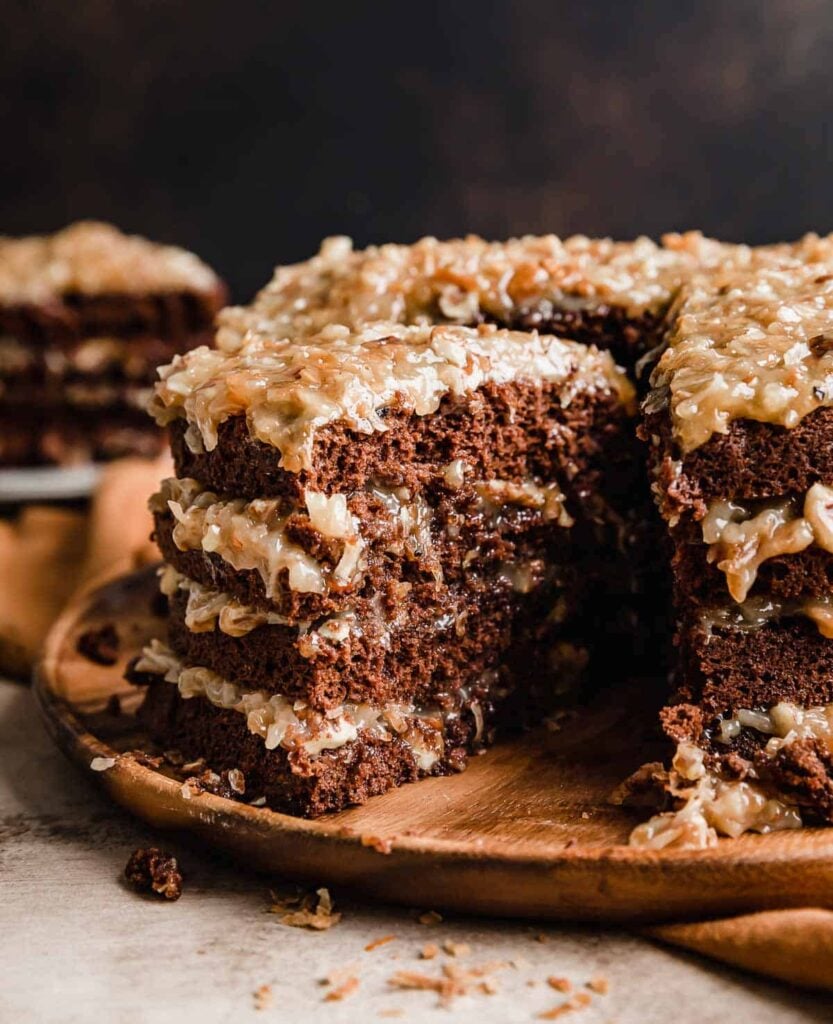
1. Classic German Chocolate Cake
This beloved cake features layers of moist chocolate cake with a signature coconut-pecan frosting. The chocolate layers are mild and tender, made with cocoa powder or melted chocolate.
The frosting combines butter, evaporated milk, sugar, coconut, and pecans into a rich, gooey topping. You can frost just between the layers or cover the entire cake.
Some recipes add chocolate buttercream to the sides for extra indulgence.

2. Southern Hummingbird Cake
This Southern classic combines ripe bananas, crushed pineapple, and pecans in a moist, spiced cake. The batter includes cinnamon for warmth and a rich flavor profile.
The tropical fruits keep each layer tender. The traditional cream cheese frosting adds sweetness and balances the spices perfectly.
This cake became a favorite after appearing in Southern Living magazine in 1978.

3. Kentucky Butter Cake
Kentucky Butter Cake is a classic Southern dessert that won the 1963 Pillsbury Bake-Off Contest. You make it in a bundt pan, creating a golden cake with a tender crumb.
After baking, pour warm butter syrup over the cake while it’s still hot. The syrup soaks into every part of the cake.
The result is a moist, rich cake with deep vanilla and butter flavors. You can serve it plain or add whipped cream and fresh berries on top.

4. Texas Sheet Cake
Texas Sheet Cake stands out as a crowd-pleasing dessert that combines rich chocolate flavor with moist, tender texture. It feeds a large group without complicated techniques.
Bake the cake in a single sheet pan, making it practical for potlucks and gatherings. Spread a warm chocolate frosting over the cake while it’s still hot, creating a fudgy topping that soaks slightly into the surface.
You can make this cake with buttermilk for added moisture and tang.

5. Carrot Cake with Cream Cheese Frosting
Carrot cake brings together warm spices, shredded carrots, and tangy cream cheese frosting in one satisfying dessert. The carrots keep the cake moist while adding natural sweetness.
Customize your carrot cake with add-ins like chopped walnuts, pecans, or crushed pineapple. The cream cheese frosting balances the spiced cake layers with its smooth, creamy texture.
This cake works well for birthdays, Easter celebrations, or any time you want a classic dessert.

6. Pumpkin Spice Layer Cake
Pumpkin spice layer cake brings warm fall flavors to your table. The cake layers combine pumpkin puree with cinnamon, nutmeg, and ginger for a moist texture.
Use cake flour and buttermilk for the best results. The flour creates a tender crumb, and the buttermilk adds moisture.
Cream cheese frosting pairs well with the spiced layers. The tangy frosting balances the sweetness of the cake.

7. Million Dollar Pound Cake
This classic Southern cake earns its name from its rich, buttery taste. Use simple pantry ingredients like butter, sugar, eggs, flour, and milk to create a dense, moist cake with a tender crumb.
The recipe contains no baking powder or leavening agents. Proper mixing technique achieves its signature texture.
Serve it plain or top with fresh berries, whipped cream, or a simple glaze.

8. Traditional Bundt Cake
A traditional Bundt cake is baked in a fluted tube pan that creates an elegant shape. Make this cake from scratch or use a cake mix as your base.
The classic version features vanilla or chocolate flavors. Grease your pan well to prevent sticking when you turn out the finished cake.
These cakes work well with simple glazes or powdered sugar on top.

9. Lemon Drizzle Cake
This British classic brings bright citrus flavor to your table. Use fresh lemons for the best taste, not bottled juice.
The cake has a light, moist texture with a sweet-tart glaze that soaks into the crumb. Bake it in a loaf pan, then drizzle warm lemon syrup over the top while it’s still hot.
It’s ready in about an hour and uses basic pantry ingredients.

10. Chocolate Fudge Cake
Chocolate fudge cake delivers rich, moist layers that satisfy any chocolate craving. This cake works well for birthdays, holidays, or weeknight desserts.
The recipe uses cocoa powder as the base for deep chocolate flavor. Many bakers add coffee to enhance the taste without making it taste like coffee.
Frost it with chocolate ganache or fudge frosting. Both pair well with the tender cake layers.
Essential Techniques for Baking Cakes
Success in cake baking comes down to understanding flour types, proper mixing techniques, and avoiding common errors that affect texture and rise.
Choosing the Right Flour
The type of flour you use directly affects your cake’s texture. Cake flour has the lowest protein content at 7-9%, which creates tender, delicate cakes.
All-purpose flour contains 10-12% protein and works well for most cake recipes. Bread flour has too much protein for cakes and will make them tough and dense.
Protein in flour forms gluten when mixed with liquid. More gluten creates a stronger, chewier structure that works great for bread but ruins cakes.
Use minimal gluten development for soft, fluffy cakes. If you don’t have cake flour, make a substitute by removing 2 tablespoons of all-purpose flour from each cup and replacing it with 2 tablespoons of cornstarch.
Sift this mixture five times to blend it well and create a finer texture.
Mastering Cake Mixing Methods
The creaming method starts by beating butter and sugar together until light and fluffy. This takes 3-5 minutes and traps air bubbles that help your cake rise.
Add eggs one at a time, then alternate adding dry ingredients and liquid. The reverse creaming method mixes flour, sugar, and butter first to coat flour particles with fat.
This limits gluten formation and creates an extra-tender crumb. Add liquids last.
The muffin method combines all dry ingredients in one bowl and all wet ingredients in another. Stir them together gently until just combined.
This quick method works well for simple cakes but produces a coarser texture. Each method creates different results.
Creaming produces tall, fluffy cakes. Reverse creaming makes velvety, fine-textured cakes.
The muffin method gives you dense, sturdy cakes.
Common Mistakes to Avoid
Opening the oven door too early causes cakes to fall. Wait until the minimum baking time before checking.
The sudden temperature drop collapses the structure before it sets. Incorrect oven temperature ruins even perfect batter.
Use an oven thermometer to verify accuracy. Many ovens run 25 degrees hotter or cooler than the dial shows.
Overmixing the batter develops too much gluten and creates tough, rubbery cakes. Mix only until you no longer see flour streaks.
A few small lumps are fine. Using cold ingredients prevents proper emulsification.
Let butter, eggs, and milk sit at room temperature for 30-60 minutes before baking. Cold ingredients don’t blend smoothly and create dense spots in your cake.
Skipping the parchment paper leads to stuck cakes. Line your pans with parchment circles even if you grease them.
This guarantees clean release every time.
The Role of Fats and Sugars
Fats make your cakes tender and moist. Butter adds rich flavor, while oil keeps cakes softer for longer.
When you cream butter and sugar together, you create tiny air pockets that help your cake rise and become light. Sugar does more than sweeten your cake.
It helps retain moisture and creates a soft crumb. The type of sugar you choose matters too.
Common fats and their effects:
- Butter – Best flavor, creates tender crumb
- Oil – Makes cakes extra moist, stays soft longer
- Shortening – Produces very light texture, neutral flavor
Granulated sugar creates a finer texture, while brown sugar adds moisture and a hint of caramel flavor.
Don’t reduce sugar too much in recipes, as it affects both texture and moisture retention.
Enhancing Moisture and Softness
The right flour matters for cake texture. Cake flour has less protein than all-purpose flour, which means less gluten forms when you mix it.
This creates a softer, more delicate crumb. Mix the batter just until the ingredients combine.
Overmixing develops gluten, making your cake tough and dense. Room temperature ingredients blend together more smoothly.
Take your eggs, butter, and milk out of the fridge 30 minutes before baking. Adding sour cream, yogurt, or buttermilk to your batter adds extra moisture and creates a tender texture.
Check your cake a few minutes before the recipe time ends. Overbaking dries out cakes fast.
Your cake is done when a toothpick inserted in the center comes out with just a few moist crumbs.
Balancing Flavors with Extracts and Spices
Vanilla extract is your foundation flavor for most cakes. Use pure vanilla extract rather than imitation for better taste.
Start with one teaspoon per standard cake recipe. Extracts are concentrated, so a little goes a long way.
Almond extract pairs well with cherry or chocolate. Lemon extract brightens white and yellow cakes.
Flavor pairings that work:
- Cinnamon + nutmeg for spice cakes
- Cardamom + orange zest for exotic flavor
- Espresso powder + chocolate for deeper taste
- Almond extract + vanilla for rich sweetness
Add spices in small amounts first. You can always add more, but you can’t take them out.
A pinch of salt in every cake recipe enhances all the other flavors without making the cake taste salty.
Frequently Asked Questions
Baking a great cake starts with choosing the right recipe and understanding key techniques. Whether you’re looking for simple beginner options or trying to recreate bakery-quality results at home, these answers will help you select and prepare cakes that deliver consistent, delicious results.
What are some award-winning cake recipes suitable for beginners?
Kentucky Butter Cake is an excellent choice if you’re just starting out. The recipe uses basic ingredients and a simple mixing method that produces a moist, flavorful cake every time.
Texas Sheet Cake also works well for beginners. You make it in a single pan without any complicated layering or assembly required.
Carrot Cake with Cream Cheese Frosting offers straightforward steps despite its impressive final appearance. The forgiving nature of the batter means small variations in mixing won’t ruin your results.
What professional bakery cake recipes top their list?
Classic German Chocolate Cake ranks high in professional bakeries. The combination of chocolate layers with coconut-pecan frosting creates a signature flavor that customers request repeatedly.
Southern Hummingbird Cake appears on many bakery menus across the South. Its banana and pineapple base with cream cheese frosting delivers both moisture and distinctive tropical notes.
Carrot Cake with Cream Cheese Frosting remains a bakery staple. The spiced cake layers paired with tangy frosting provide a balance that appeals to a wide range of customers.
Can you recommend some top-rated cake recipes known for their ease of preparation?
Texas Sheet Cake stands out for its simplicity. You mix everything in one bowl, pour it into a sheet pan, and frost it while still warm.
Kentucky Butter Cake requires minimal effort with maximum flavor payoff. The butter sauce soaks into the cake while it’s still hot.
Adding sour cream or pudding mix to a basic vanilla cake improves both texture and taste with just one extra ingredient. This simple modification transforms an ordinary cake into something special.
Which cakes have consistently ranked in the top 10 across the world?
Carrot Cake appears on best-cake lists in multiple countries. The combination of spices, nuts, and cream cheese frosting has universal appeal.
German Chocolate Cake maintains its popularity despite originating in the United States, not Germany. The unique coconut-pecan frosting sets it apart from other chocolate cakes.
Classic vanilla butter cake serves as a foundation in bakeries worldwide. You can adapt it with different extracts like almond, coconut, or orange to create new flavor profiles.
What are the classics on the list of 50 best cakes globally?
Classic German Chocolate Cake earned its place through decades of consistent popularity. The three-layer structure with distinctive frosting makes it instantly recognizable.
Carrot Cake with Cream Cheese Frosting bridges the gap between vegetable-forward baking and indulgent dessert. The cream cheese frosting has become the standard topping for this cake worldwide.
Kentucky Butter Cake represents Southern baking traditions. The butter-soaked texture and rich flavor have made it a timeless favorite.
How can a home baker replicate a cake recipe that’s considered award-winning quality?
Use room temperature ingredients when the recipe calls for them. Cold eggs and butter don’t mix as well and can create a dense, uneven texture.
Measure your ingredients accurately with proper measuring cups and spoons. Baking requires precision, and small variations can significantly affect your results.
Don’t overmix your batter once you add the flour. Mix just until the dry ingredients disappear to keep your cake tender.
Test for doneness with a toothpick inserted in the center. The cake is ready when the toothpick comes out clean or with just a few moist crumbs attached.