
Christmas jams bring festive flavors to your holiday table and make wonderful homemade gifts. These preserves combine seasonal fruits with warm spices to create spreads that taste like the holidays.
You can enjoy them on toast, scones, or use them in your holiday baking. Making your own Christmas jam lets you control the ingredients while creating something special for family and friends.
The recipes range from simple fruit combinations to more complex flavors with bourbon, mulled wine spices, or vanilla. Some use classic pairings like strawberry and cranberry, while others feature unique options like spiced pumpkin or gingered pear.
You will find options for every skill level, from basic four-ingredient recipes to more detailed preserves.
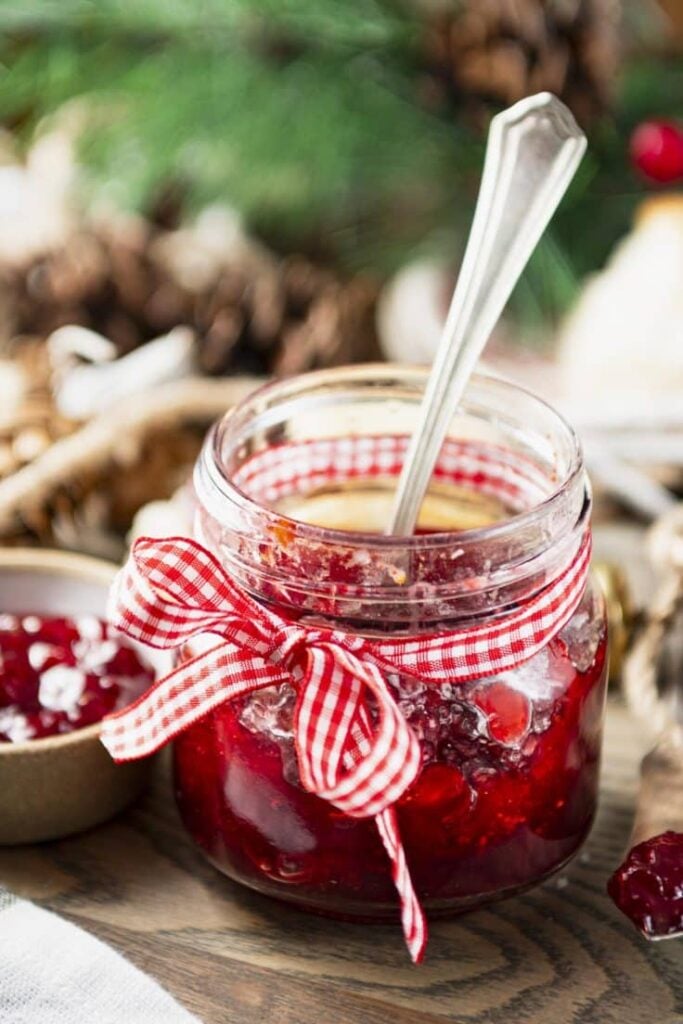
1. Strawberry-Cranberry Christmas Jam
This classic Christmas jam combines sweet strawberries with tart cranberries for a bright, festive spread. Cook the fruit down with sugar until it thickens naturally without pectin.
The jam works well on toast, biscuits, and pancakes. Many recipes add orange zest or warm spices like cinnamon for extra holiday flavor.
You can make this jam on the stovetop or in a crockpot. Store it in the refrigerator for weeks or process it in jars for long-term storage.
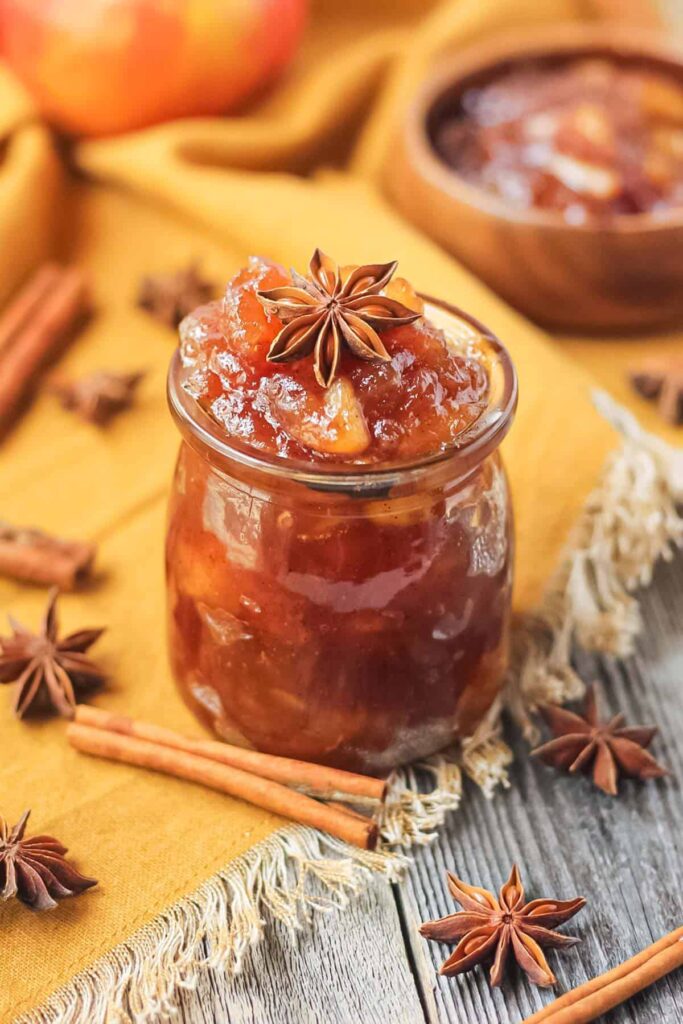
2. Classic Spiced Apple Jam
Classic spiced apple jam combines tart apples with warm cinnamon and cloves to create a traditional holiday preserve. Use just a few basic ingredients and simple canning techniques for this recipe.
The apples break down during cooking to form a thick, spreadable consistency. Add vanilla to enhance the natural sweetness without overpowering the fruit flavor.
This jam works well on toast, biscuits, or paired with cheese. Use it in holiday baking or package it in jars for gifts.
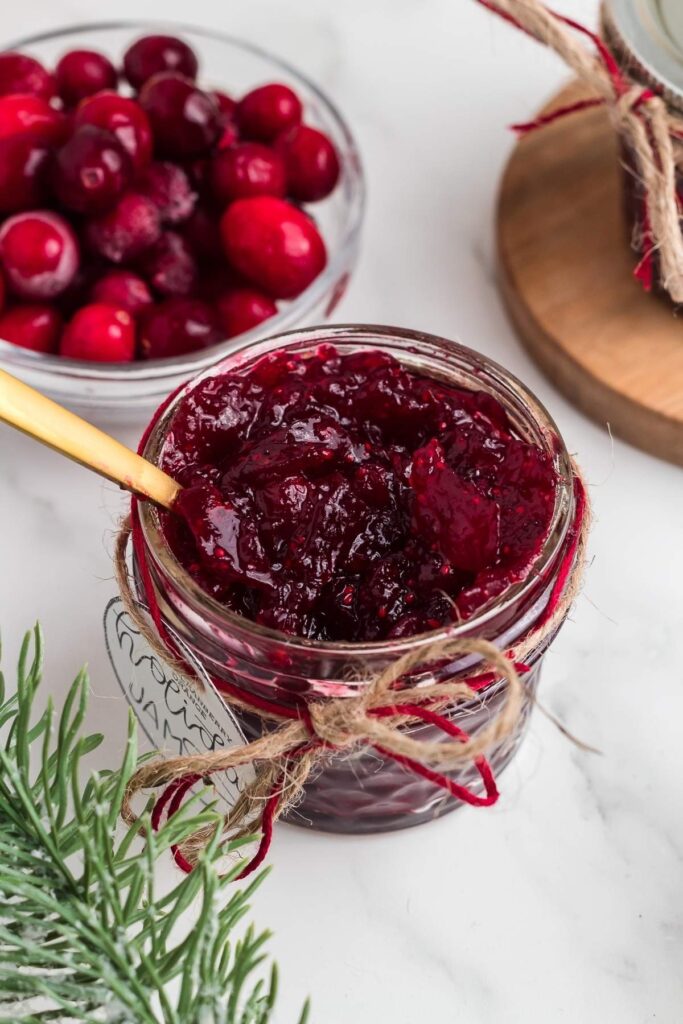
3. Orange and Cranberry Holiday Jam
This classic combination brings together tart cranberries and bright citrus flavors. Make it in about 30 minutes with just a few ingredients.
The jam works well on toast, biscuits, or alongside your holiday turkey. Use fresh cranberries, orange juice, orange zest, and sugar to get started.
Some recipes add apple for natural pectin, which helps the jam set properly. You can also include warm spices like cinnamon for extra flavor.

4. Mulled Wine Infused Jam
This jam captures the cozy spices and deep flavors of traditional mulled wine in a spread you can enjoy year-round. Combine red wine with warming spices like cinnamon, cloves, and star anise, along with fruit such as mixed berries, plums, or grapes.
Reduce the wine during cooking to create a rich, aromatic preserve that pairs perfectly with cheese boards or morning toast. Make an alcohol-free version using grape juice with mulling spices if you prefer.
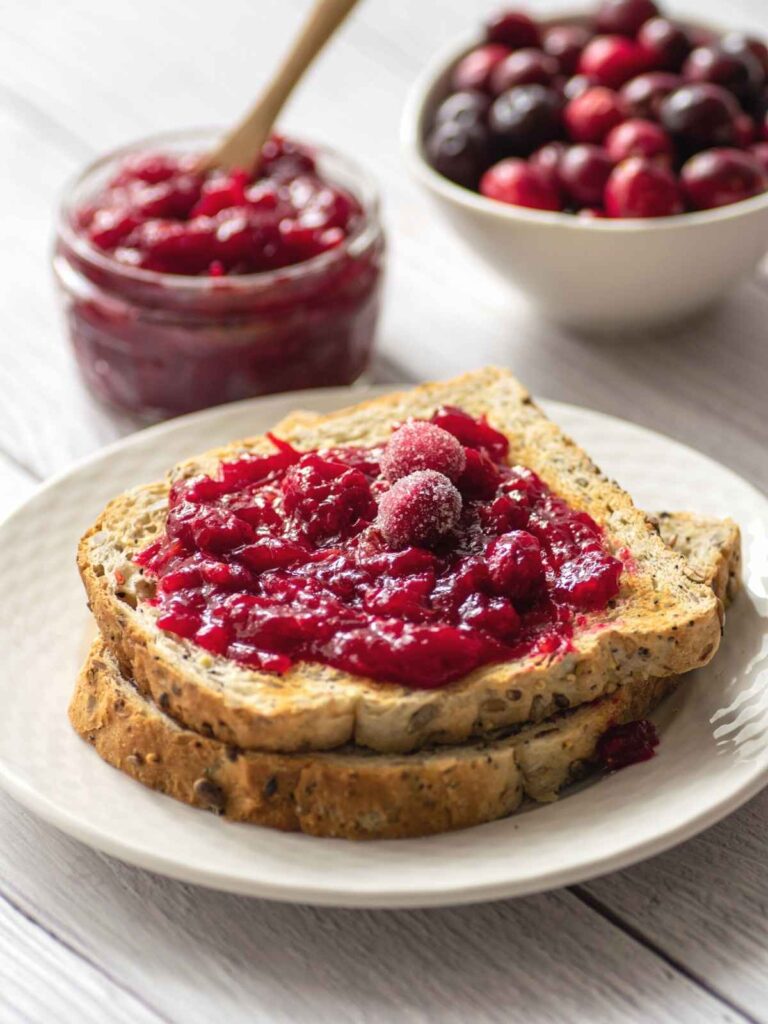
5. Bourbon-Orange Christmas Jam
This jam brings together bright citrus and rich bourbon for a grown-up holiday spread. Mix fresh orange juice and zest with a splash of bourbon to create a sweet preserve with warming depth.
The bourbon adds smoky, woody notes that pair perfectly with the tangy orange. Spread it on morning toast or use it to top baked brie at holiday parties.
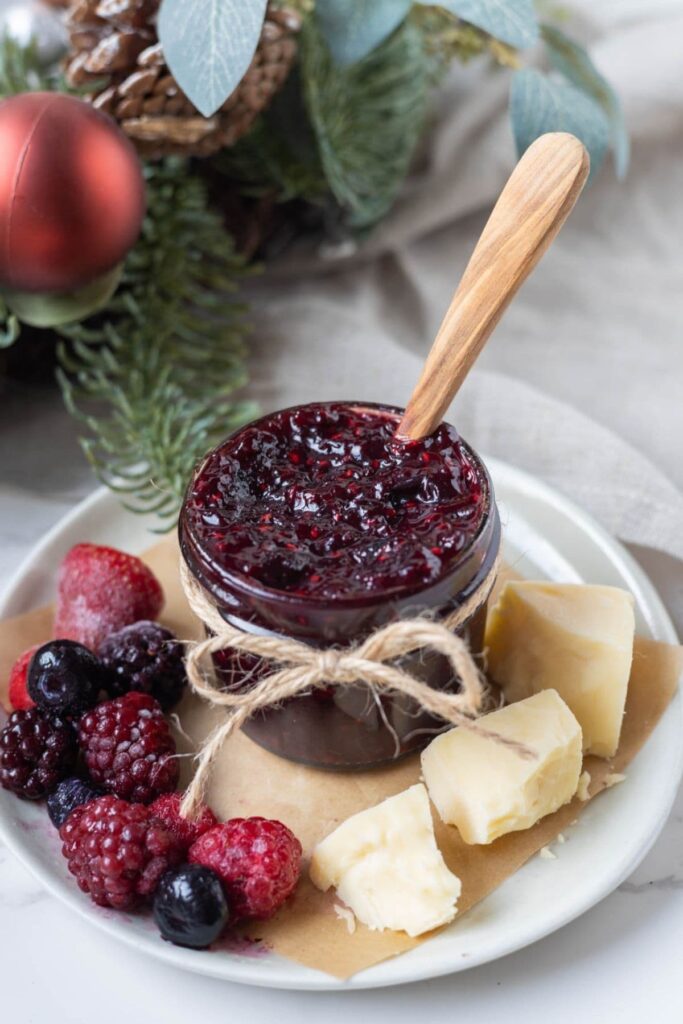
6. Berry Mix Festive Jam
This jam brings together strawberries, raspberries, blueberries, and cranberries in one jar. The mix creates a balance between sweet and tart flavors that works well for the holidays.
You don’t need pectin because cranberries have natural pectin. The berries thicken on their own when you simmer them slowly.
The bright red color makes this jam look festive on your table. Spread it on toast, use it in baking, or give it as a gift.
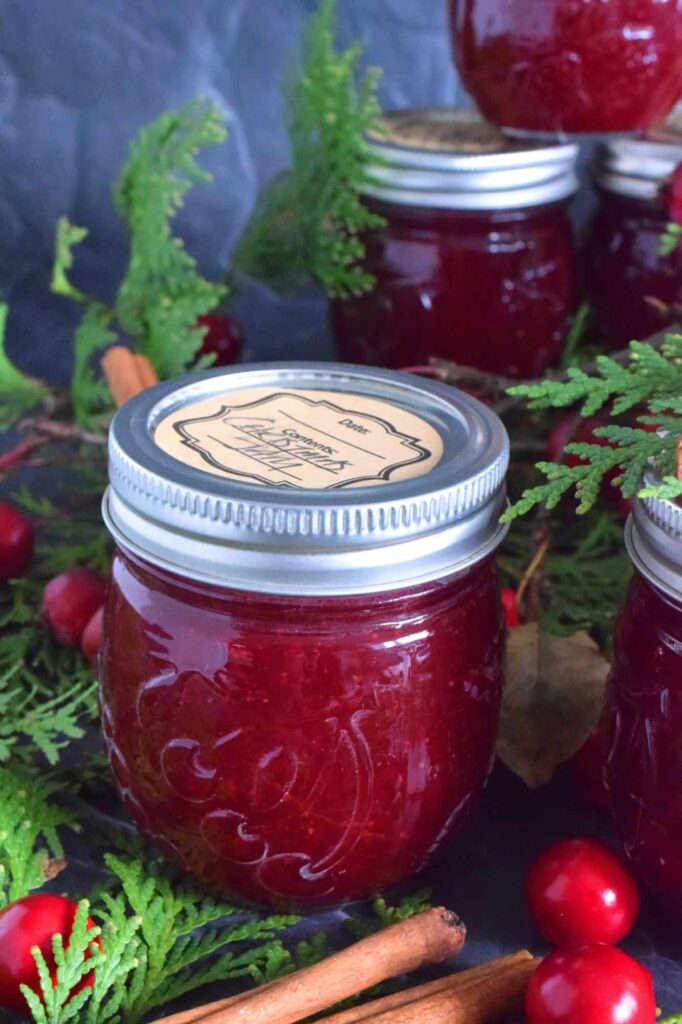
7. Cinnamon and Clove Christmas Jam
This simple jam focuses on two classic holiday spices that create a warm, festive flavor. Use fresh strawberries as your fruit base, combined with ground cinnamon and cloves for that signature holiday taste.
The spices blend with the natural sweetness of the berries without overwhelming them. Adjust the amount of cloves to your preference since they have a strong flavor.
This jam works well on morning toast or as a filling for holiday cookies. The straightforward recipe makes it perfect for gift-giving during the season.
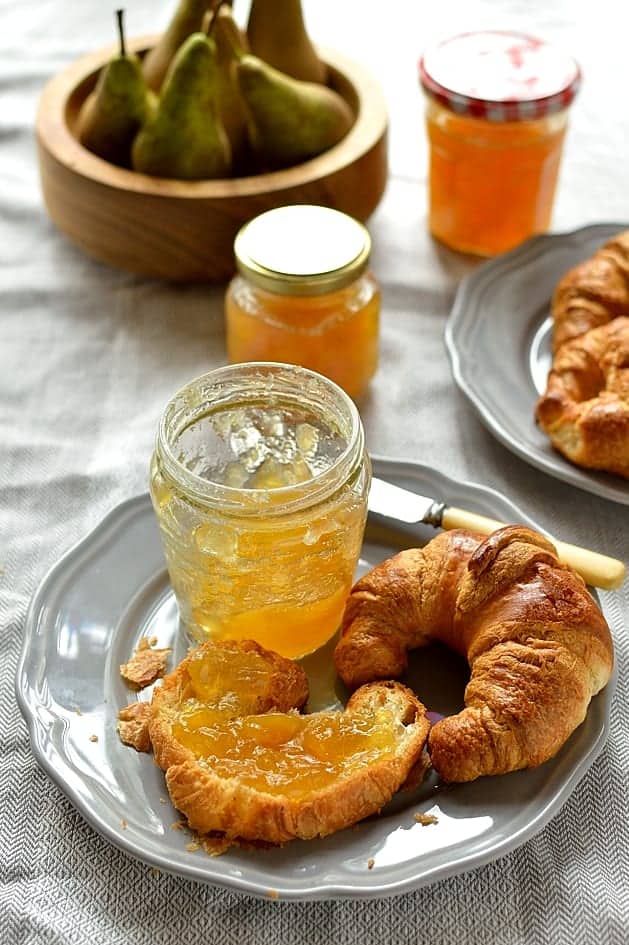
8. Gingered Pear Christmas Jam
This festive jam combines sweet ripe pears with warming fresh ginger for a perfect holiday spread. You only need four basic ingredients to make it, and the whole process takes less than an hour.
The ginger adds a spicy kick that balances the natural sweetness of the pears. Make this jam without pectin, which simplifies the recipe.
This preserve works well on toast, scones, or paired with cheese plates. Prepare small batches to keep for yourself or give as gifts to friends and family.
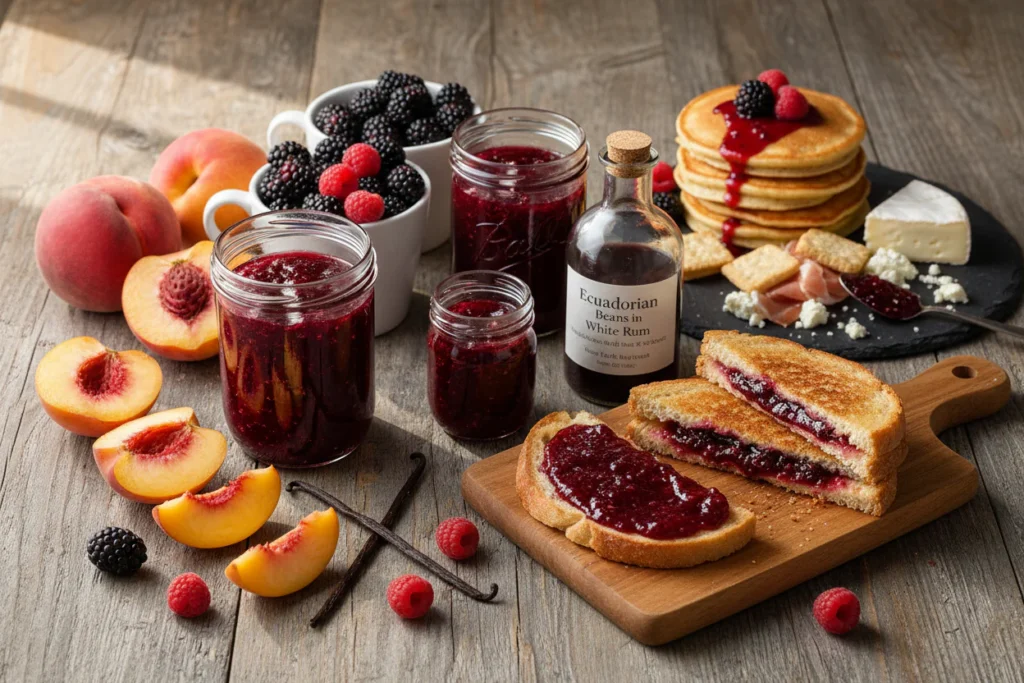
9. Raspberry and Vanilla Holiday Jam
This simple jam combines the tartness of fresh raspberries with warm vanilla notes. You only need three main ingredients: raspberries, sugar, and lemon juice, plus a vanilla bean for that special holiday touch.
The vanilla bean adds depth without overpowering the bright raspberry flavor. Split the bean lengthwise and scrape the seeds into your jam pan along with the fruit.
This recipe works well for beginners since it uses basic canning techniques. The jam turns out thick and spreadable, making it perfect for your holiday toast or gifting to friends and family.
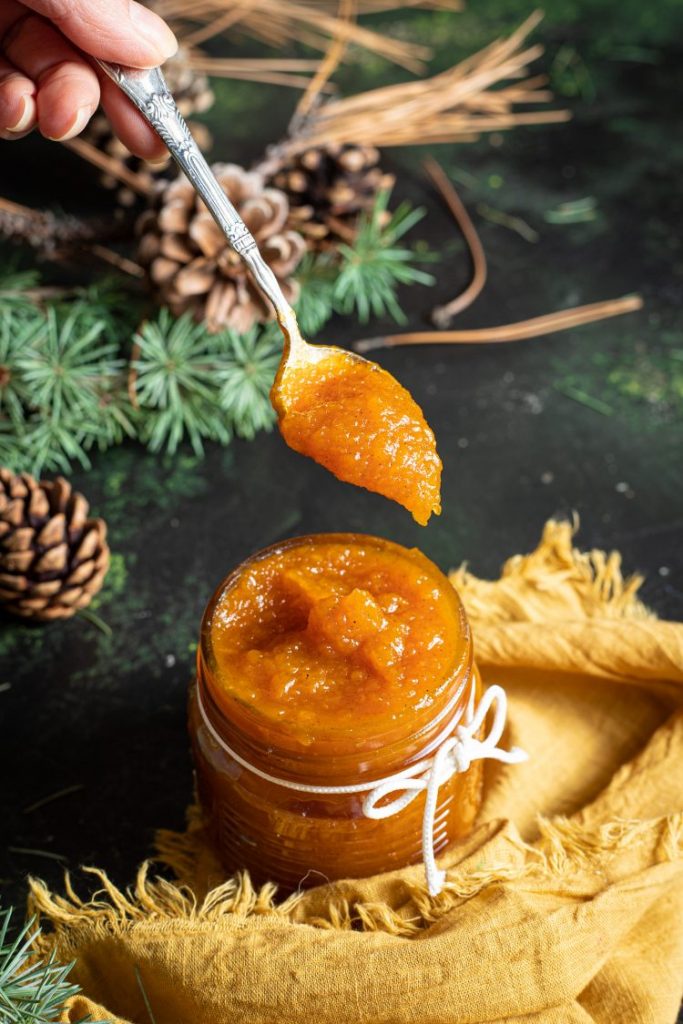
10. Spiced Pumpkin Jam
Pumpkin jam brings autumn flavors to your holiday spread. Combine roasted pumpkin or butternut squash with warm spices like cinnamon, ginger, and nutmeg to create a smooth preserve.
This jam works well on morning toast or as part of a cheese board. Use it in baking or as a dessert topping.
The recipe requires just a few ingredients and basic canning techniques. Your finished jam will have a rich orange color and cozy spiced flavor that fits perfectly with Christmas breakfast traditions.
Choosing the Finest Fruits and Ingredients
The quality of your Christmas jam depends on selecting the right fruits at their peak ripeness and choosing preserving agents that complement their natural flavors.
Seasonal Produce Selection
Choose fruits that are firm and fully ripe for the best flavor and texture. Cranberries are a top choice because they’re naturally high in pectin and give your jam that classic red Christmas color.
Look for cranberries that are plump and deep red without soft spots. Strawberries work well when paired with tart fruits like cranberries.
Pick berries that are bright red throughout with no white shoulders. They should smell sweet and feel firm to the touch.
Winter citrus fruits like oranges add brightness to your jam. Select oranges that feel heavy for their size, which means they’re juicy.
The skin should be smooth and free of blemishes. Apples and pears are excellent choices for Christmas jam.
Pick apples that are crisp and free of bruises. Pears should yield slightly to pressure at the stem end but remain firm overall.
These fruits add natural pectin and pair well with warming spices.
Natural Sweeteners and Preserving Agents
Granulated white sugar is the standard sweetener for jam making. It preserves the fruit’s natural color and doesn’t interfere with the flavors.
You’ll typically need about equal parts fruit to sugar, though tart fruits may need more. Pectin helps your jam set properly.
Cranberries and apples contain high natural pectin levels. If you use low-pectin fruits like strawberries, add commercial pectin or combine them with high-pectin fruits.
Lemon juice serves two purposes in jam making. It balances sweetness with acidity and helps activate pectin.
Fresh lemon juice works better than bottled because it has a cleaner taste. You can use honey or maple syrup as alternative sweeteners, but they’ll change the flavor and color of your jam.
These natural sweeteners also make the jam less firm than traditional sugar does.
Tips for Perfecting Homemade Christmas Jams
Success with homemade Christmas jam depends on having the right tools, getting the texture just right, and following proper canning methods.
Essential Jam-Making Tools
You need a large, heavy-bottomed pot to prevent burning and ensure even heat distribution. A pot with at least 8-quart capacity gives you enough room to prevent boil-overs when the jam bubbles up.
A candy thermometer helps you track the temperature accurately. Most jams reach the gel point at 220°F, though this can vary based on your altitude.
Basic Equipment List:
- Heavy-bottomed stockpot (8+ quarts)
- Candy or digital thermometer
- Wooden spoon for stirring
- Ladle for filling jars
- Jar lifter for safe handling
- Wide-mouth funnel
- Clean glass jars with new lids
A potato masher lets you control how chunky or smooth your jam becomes. Keep clean kitchen towels nearby to wipe jar rims before sealing.
Achieving the Ideal Texture and Consistency
The gel test tells you when your jam is ready. Place a small plate in the freezer before you start cooking.
Drop a spoonful of hot jam on the cold plate and push it with your finger after 30 seconds. If the jam wrinkles and stays separated, it’s done.
If it runs back together, keep cooking and test again in a few minutes. Pectin levels matter for getting the right thickness.
Cranberries and apples contain natural pectin, while strawberries have less. Add commercial pectin if you want a firmer set.
Cooking time affects texture too. Longer cooking creates thicker jam but can dull bright fruit flavors.
Most jams need 15-25 minutes of active boiling after the sugar dissolves.
Safe Canning and Storage Practices
Sterilize your jars by boiling them for 10 minutes before filling. Keep them hot until you’re ready to add the jam to prevent thermal shock and cracking.
Leave 1/4 inch of headspace at the top of each jar. Wipe the rims clean with a damp cloth to ensure a proper seal.
Any sticky residue can prevent the lid from sealing correctly. Process filled jars in a boiling water bath for 10 minutes.
The water should cover the jars by at least 1 inch. Start timing only after the water returns to a full boil.
You’ll hear a popping sound as jars seal while cooling. Press the center of each lid after 24 hours to check the seal.
It should not flex up and down. Properly sealed jars stay fresh for up to one year in a cool, dark place.
Frequently Asked Questions
How do you make an authentic Amish Christmas jam?
Amish Christmas jam uses simple, traditional methods without modern shortcuts. You need fresh strawberries, sugar, and sometimes cranberries for tartness.
The Amish approach focuses on natural pectin from the fruit rather than store-bought pectin. Cook the fruit slowly over low heat to develop deep flavors.
The jam sets naturally as it cools, which takes patience. Many Amish recipes include cinnamon or cloves for holiday warmth.
What are some easy Christmas jam recipes for beginners?
Strawberry-cranberry jam is the easiest starting point for new jam makers. You need just four ingredients: strawberries, cranberries, sugar, and pectin.
The cranberries provide natural pectin, which helps the jam set properly. Orange and cranberry jam offers another simple option.
Combine fresh cranberries with orange zest and juice. Both recipes work well without water-bath canning if you plan to refrigerate them.
Can you provide tips for canning Christmas jam at home?
Sterilize your jars and lids in boiling water before filling them. Leave half an inch of space at the top of each jar.
This headspace allows for proper sealing during processing. Process your filled jars in a water-bath canner for 10 minutes.
Make sure the water covers the jars by at least one inch. Remove the jars carefully and let them cool on a towel for 24 hours.
Test the seals by pressing the center of each lid. A properly sealed lid won’t move or make a popping sound.
What is a traditional old-fashioned Christmas jam recipe?
Traditional Christmas jam combines apples or pears with warm baking spices. Cook the fruit with sugar, cinnamon, nutmeg, and cloves until thick.
Some recipes add a splash of brandy or rum for depth. Old-fashioned recipes often skip commercial pectin.
The fruit cooks longer to reach the proper thickness naturally. You know the jam is ready when it coats the back of a spoon.
Which spices are essential for creating a flavorful Christmas jam?
Cinnamon is the most important spice for Christmas jam. It adds warmth without overwhelming the fruit flavors.
Use cinnamon sticks during cooking and remove them before jarring. Cloves and nutmeg provide classic holiday notes.
Add them sparingly since they have strong flavors. Ginger adds a spicy kick that pairs well with cranberries and oranges.
Star anise works in mulled wine jam recipes. Cardamom offers an unexpected but festive touch to berry jams.
What is considered the best jam in the world during the festive season?
No single jam holds the title worldwide, but certain types stand out during holidays. French confiture de Noël often includes chestnuts and vanilla.
British mincemeat preserves combine dried fruits with spices and sometimes brandy. American Christmas jams typically feature cranberries and strawberries with warming spices.
Scandinavian countries favor lingonberry preserves during winter celebrations.