
Italian cooking relies on simple ingredients and time-tested methods to create meals that people love around the world. These classic dishes come from regions across Italy, each with its own flavors and traditions.
When you learn these recipes, you bring authentic Italian taste to your own kitchen. This collection shows you how to make beloved Italian dishes, from pasta and pizza to meat courses and desserts, using traditional ingredients and techniques.
You’ll find everything from quick weeknight meals to special dishes for Sunday dinner. Each recipe builds your skills and helps you understand what makes Italian food so special.
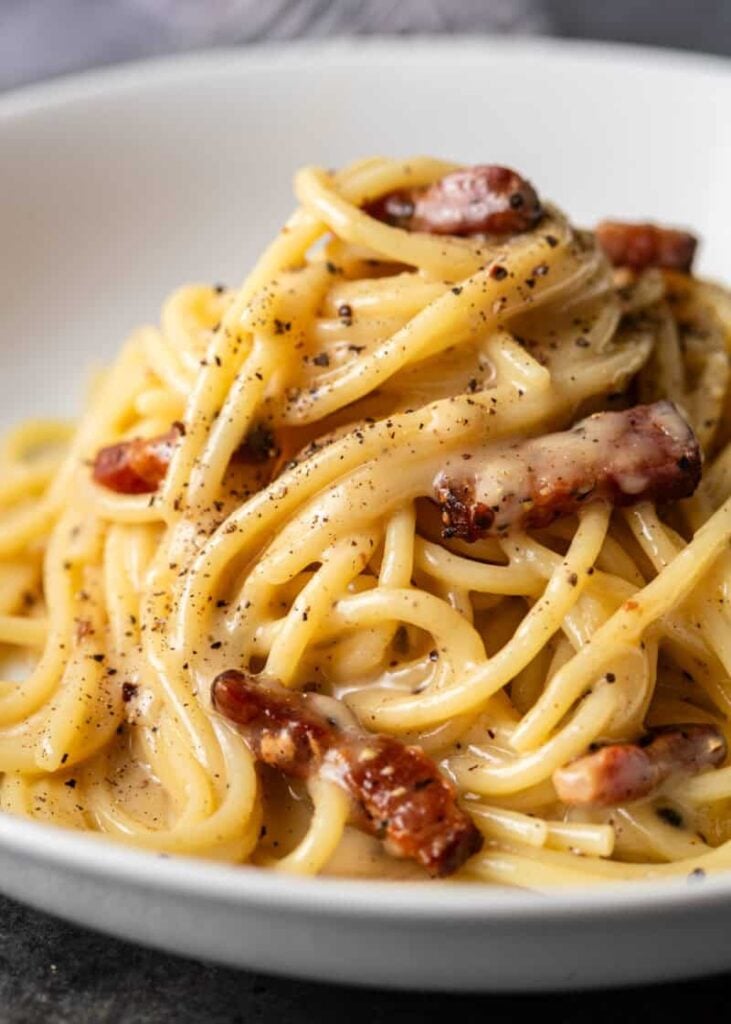
1. Spaghetti alla Carbonara
Spaghetti alla Carbonara is a Roman pasta dish that uses just five ingredients. You’ll need spaghetti, guanciale (cured pork cheek), eggs, Pecorino Romano cheese, and black pepper.
Mix hot pasta with beaten eggs and cheese to create a creamy sauce without scrambling. You don’t need cream for authentic carbonara.
Cook guanciale until crispy, then toss it with the pasta. Add the egg and cheese mixture off the heat, stirring quickly.
The pasta’s warmth creates a silky coating that sticks to each strand.

2. Classic Bolognese Ragù
Bolognese sauce, or Ragù alla Bolognese, comes from Bologna, Italy. This meat-based sauce uses ground beef and pork cooked slowly with tomatoes, wine, and milk.
Simmer it low and slow to develop rich flavors and a thick texture. Traditional Bolognese works best with flat pasta like tagliatelle or pappardelle.
The wide noodles catch the hearty meat sauce perfectly. You can also use it for lasagna or baked pasta dishes.

3. Margherita Pizza
Margherita pizza is one of Italy’s most beloved dishes. It comes from Naples and features just three toppings: tomato sauce, fresh mozzarella, and basil leaves.
Cooks created the pizza in 1889 for Queen Margherita of Savoy. The red tomatoes, white cheese, and green basil matched the colors of the Italian flag.
You don’t need many ingredients to make this pizza at home. Use fresh mozzarella and good quality tomatoes for the best results.
A thin, crispy crust works best for an authentic taste.
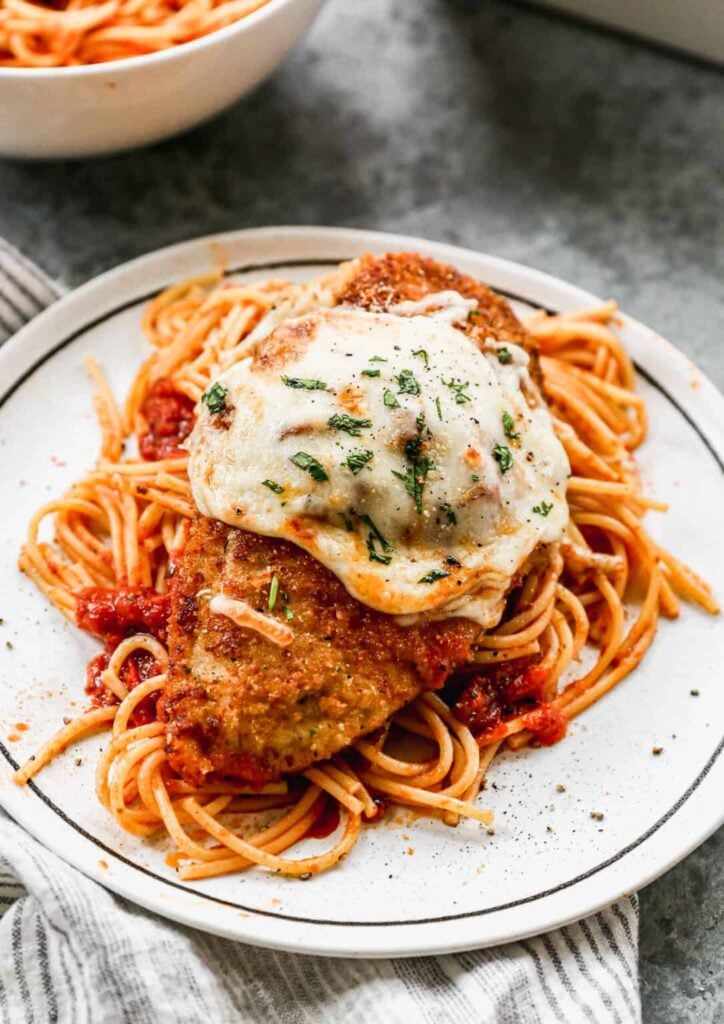
4. Chicken Parmesan
Chicken Parmesan combines breaded chicken cutlets with marinara sauce and melted cheese. Bread the chicken, pan-fry it until golden, then top it with sauce and cheese before baking.
The dish comes from Italian-American cooking traditions. You can make it in about 30 minutes.
First, coat chicken in breadcrumbs. Then fry it until crispy.
Finally, add marinara and cheese, then bake until the cheese melts and bubbles.

5. Lasagna alla Bolognese
Lasagna alla Bolognese comes from Bologna, Italy. This classic dish uses layers of pasta, rich meat sauce, and creamy béchamel sauce.
You won’t find mozzarella in the authentic version. Layer slow-cooked ragù Bolognese between pasta sheets with béchamel sauce.
Some traditional recipes use fresh spinach pasta for a green color. Cook the meat sauce slowly and prepare the white sauce from scratch.

6. Risotto alla Milanese
This classic dish from Milan showcases Italian cooking at its finest. You’ll need just a few key ingredients: Arborio or Carnaroli rice, saffron, white wine, broth, butter, and Parmesan cheese.
The saffron gives the risotto its signature golden color and delicate flavor. Cook the rice slowly, adding warm broth gradually while stirring.
This creamy rice dish works well as a first course or main meal. Serve it on its own or pair it with Italian meats like osso buco.

7. Fettuccine Alfredo
Fettuccine Alfredo is a simple pasta dish that relies on just a few quality ingredients. You’ll need butter, heavy cream, and Parmesan cheese to create the rich sauce.
Some recipes add garlic or a pinch of nutmeg for extra flavor. Use freshly grated Parmesan rather than pre-grated cheese to create a smooth, creamy sauce.
You can make this dish in about 30 minutes. The authentic Roman version uses even fewer ingredients than the American style.

8. Penne all’Arrabbiata
Penne all’Arrabbiata is a spicy pasta dish from Rome that you can make in under 30 minutes. The name means “angry pasta” because of the heat from red chili peppers.
You’ll need simple ingredients: penne pasta, tomatoes, garlic, olive oil, and red pepper flakes. The sauce combines these pantry staples into a bold, fiery dish.
Cook pasta until it’s firm to the bite. Toss it with the spicy tomato sauce for an authentic Italian meal.

9. Osso Buco alla Milanese
This dish from Milan brings you tender veal shanks braised in white wine with vegetables and herbs. The name means “bone with a hole,” referring to the marrow-filled shank bone at the center.
Slow-cook the meat until it falls off the bone. The marrow adds rich flavor to the sauce as it cooks.
Traditional recipes serve this with saffron risotto. Top it with gremolata, a fresh mix of lemon zest, garlic, and parsley.

10. Tiramisu
Tiramisu is one of Italy’s most famous desserts. It comes from the Veneto region and combines coffee-soaked ladyfingers with a creamy mascarpone mixture.
You don’t need to bake this dessert. Dip the ladyfingers in strong espresso and layer them with the sweet mascarpone cream.
Finish with a dusting of cocoa powder on top. Use quality ingredients for the best flavor.
Essential Ingredients for Classic Italian Cooking
Italian cooking relies on fresh, high-quality ingredients that work together to create bold flavors. The right herbs, cheeses, and olive oil form the foundation of authentic dishes from every region of Italy.
Staple Herbs and Spices
Fresh basil stands as the most important herb in Italian cooking. You’ll find it in everything from pasta sauces to pizza margherita.
The leaves should be bright green and fragrant. Add them near the end of cooking to preserve their flavor.
Oregano works best in dried form for Italian dishes. It adds an earthy, slightly bitter taste to tomato sauces and meat dishes.
You can also use fresh oregano, but the dried version has a more concentrated flavor. Flat-leaf parsley brings a fresh, clean taste to Italian recipes.
Unlike curly parsley, the flat-leaf variety has a stronger flavor that holds up well in cooking. Garlic and red pepper flakes round out the essential seasonings, adding depth and heat to countless dishes.
Types of Italian Cheese
Parmigiano-Reggiano is the king of Italian cheeses. This hard, aged cheese from northern Italy has a nutty, complex flavor.
Grate it fresh over pasta, risotto, and soups rather than buying pre-grated versions. Mozzarella comes in two main types: fresh and low-moisture.
Fresh mozzarella has a soft texture and mild taste, perfect for caprese salad and pizza napoletana. Low-moisture mozzarella melts better and works well for baked dishes.
Pecorino Romano offers a sharper, saltier flavor than Parmigiano. Made from sheep’s milk, you’ll use it in Roman dishes like cacio e pepe and carbonara.
Ricotta provides a creamy, mild base for lasagna, stuffed shells, and desserts like cannoli.
Choosing the Right Olive Oil
Extra virgin olive oil is the only type you need for authentic Italian cooking. It comes from the first pressing of olives and has the best flavor and nutritional value.
The color can range from golden yellow to deep green. Keep two bottles on hand: one for cooking and one for finishing.
Use less expensive oil for cooking since heat diminishes the subtle flavors. Choose a higher quality, fruity, peppery oil for drizzling over completed dishes.
Store olive oil in a cool, dark place away from heat and light. Buy smaller bottles that you’ll use within a few months.
Look for harvest dates on the label and choose oils from the most recent harvest.
Traditional Cooking Techniques Explained
Italian cooking relies on methods passed down through generations, focusing on patience and respect for ingredients. Slow simmering brings out deep flavors in sauces.
Hand-rolling pasta creates the perfect texture. Proper bread baking produces a crispy crust with a soft interior.
The Art of Simmering Sauces
Simmering is the foundation of Italian sauce-making. Keep your sauce at a low, gentle heat where small bubbles occasionally break the surface.
This method allows flavors to blend together naturally without burning or breaking down delicate ingredients. For tomato-based sauces, simmer for at least 30 minutes to develop sweetness and reduce acidity.
Longer cooking times of 2-4 hours work best for meat ragùs. The slow heat breaks down tough cuts into tender, flavorful pieces.
Key simmering guidelines:
- Maintain temperature between 185-205°F
- Stir occasionally to prevent sticking
- Keep the lid slightly tilted to allow steam to escape
- Add liquid if the sauce becomes too thick
The low heat preserves the natural taste of ingredients like fresh herbs, garlic, and olive oil. Your sauce is ready when it coats the back of a spoon and the oil separates slightly at the edges.
Mastering Homemade Pasta
Making pasta by hand requires only flour, eggs, and patience. Create a well in the center of your flour, crack eggs into it, and slowly incorporate the flour using a fork.
Knead the dough for 8-10 minutes until it becomes smooth and elastic. Rest the dough for 30 minutes to allow the gluten to relax, making it easier to roll.
Use a rolling pin or pasta machine to achieve your desired thickness. Most shapes work best when rolled to about 1/16 inch thick.
Fresh pasta cooks much faster than dried pasta, usually in 2-4 minutes. Drop it into heavily salted boiling water and watch for it to float to the surface.
The texture should be tender but still have a slight bite when you test it.
Baking Authentic Italian Bread
Italian bread baking starts with a simple dough of flour, water, yeast, and salt. Develop the gluten through kneading or a long, slow rise that builds structure naturally.
Many traditional recipes use a biga or pre-ferment that sits overnight to develop complex flavors. Steam in your oven creates a crispy crust.
Place a pan of water on the bottom rack or spray the oven walls with water right after loading your bread. This moisture keeps the outside soft initially, allowing the bread to expand fully before the crust hardens.
Your oven should be between 425-475°F for most Italian breads. Bake until the crust turns deep golden brown and sounds hollow when tapped on the bottom.
Let the bread cool completely before slicing to allow the interior crumb to set properly.
Frequently Asked Questions
Italian cooking raises common questions about ingredients, techniques, and regional differences that can help you master these beloved dishes at home.
What are some traditional Italian lasagna variations?
Lasagna alla Bolognese from Emilia-Romagna uses fresh egg pasta sheets, rich meat ragù, béchamel sauce, and Parmigiano-Reggiano. This version differs from the American style that typically uses ricotta cheese and mozzarella.
In Naples, you’ll find lasagna di carnevale, which includes tiny meatballs, hard-boiled eggs, ricotta, and mozzarella. Liguria offers lasagna al pesto made with basil pesto, green beans, and potatoes instead of meat sauce.
Lasagna bianca skips tomato sauce entirely. It relies on béchamel, mushrooms, and cheese for its creamy flavor profile.
Which Italian recipes are considered classic for family dinners?
Spaghetti alla Carbonara works well for weeknight meals because it takes only 20 minutes and uses simple ingredients like eggs, guanciale, and Pecorino Romano. Lasagna alla Bolognese serves large groups and can be prepared ahead of time.
Chicken Parmesan appeals to families with children who enjoy breaded cutlets with tomato sauce and melted cheese. Classic Bolognese Ragù served over fresh pasta provides a hearty dinner option.
Margherita Pizza lets family members participate in the cooking process. It requires just dough, tomato sauce, mozzarella, and fresh basil.
Where can one find the most authentic Italian recipes online?
Look for recipes from Italian food bloggers who live in Italy and cook regional dishes using traditional methods. Sites that focus on specific regions like Tuscany, Sicily, or Emilia-Romagna often provide more authentic instructions than general cooking websites.
Recipe collections from Italian chefs who emphasize fresh ingredients and traditional techniques offer reliable guidance. Seek sources that explain the history and regional variations of each dish.
Great Italian Chefs and similar platforms feature recipes from professional Italian cooks who maintain traditional preparation methods.
What are the must-try Italian recipes from different regions of Italy?
Rome’s four classic pasta dishes include Carbonara, Cacio e Pepe, Amatriciana, and Gricia. These dishes feature simple ingredients and precise techniques.
Bologna offers its famous ragù sauce and fresh egg pasta like tagliatelle and tortellini. Sicily brings arancini, caponata, and pasta alla Norma with eggplant and ricotta salata.
Milan is known for risotto alla Milanese with saffron and osso buco braised veal shanks. Tuscany features ribollita soup, bistecca alla Fiorentina, and pappardelle with wild boar ragù.
Naples created pizza Margherita and specializes in seafood dishes like spaghetti alle vongole.
Can you recommend a highly-rated book for authentic Italian cooking?
“The Silver Spoon” is considered the most comprehensive Italian cookbook, with over 2,000 recipes from all regions of Italy. This book has been a standard reference in Italian homes since 1950.
“Essentials of Classic Italian Cooking” by Marcella Hazan teaches fundamental techniques and traditional recipes that form the foundation of Italian home cooking. Hazan’s approach focuses on simple preparations that highlight quality ingredients.
“Pasta Grannies” by Vicky Bennison documents traditional pasta-making techniques from Italian grandmothers across different regions.
What are some top Italian dishes that don’t include pasta?
Risotto alla Milanese uses Arborio rice cooked slowly with saffron, white wine, and Parmigiano-Reggiano until creamy.
Osso buco features braised veal shanks with vegetables, white wine, and gremolata.
Chicken Parmesan combines breaded chicken cutlets with tomato sauce and melted cheese.
Margherita Pizza showcases a thin crust topped with tomato sauce, fresh mozzarella, and basil leaves.
Arancini are fried rice balls stuffed with ragù, peas, and cheese.
Polenta serves as a base for various toppings, including mushrooms, sausage, or rich meat sauces.