
Cuban food combines Spanish, African, and Caribbean influences to create dishes full of bold yet balanced flavors. The cuisine relies on spices like cumin, oregano, and bay leaves rather than heat from peppers.
Slow-cooked meats, savory rice dishes, and fried plantains are staples you’ll find across the island.
These authentic Cuban recipes help you bring the tastes of Havana into your own kitchen with straightforward techniques and ingredients you can find at most grocery stores. You’ll learn how to make everything from hearty main dishes to sweet desserts that capture the spirit of traditional Cuban cooking.

1. Classic Cuban Sandwich (Cubano)
The Cuban sandwich is a pressed sandwich that brings together simple ingredients for bold flavor. You’ll need roasted pork, sliced ham, Swiss cheese, dill pickles, and yellow mustard on Cuban bread.
Layer the ingredients between two slices of bread and press the sandwich in a hot pan or sandwich press. The heat melts the cheese and makes the bread crispy.
Serve your Cubano hot right after pressing. The combination of savory meats, tangy pickles, and melted cheese makes this sandwich a filling meal.
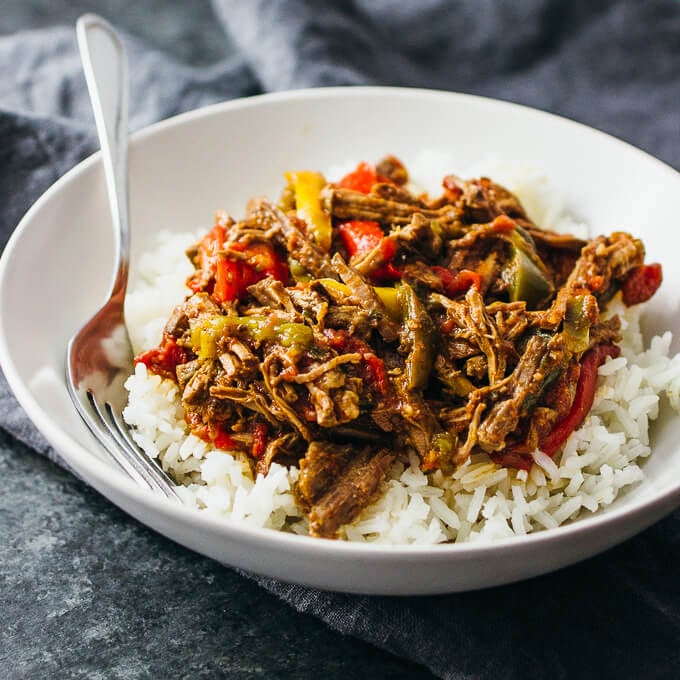
2. Ropa Vieja (Shredded Beef Stew)
Ropa Vieja is one of Cuba’s most loved comfort foods. You’ll find tender shredded beef slow-cooked in a rich tomato sauce with bell peppers and onions.
The dish traditionally uses flank steak, though you can substitute chuck roast or brisket. The beef cooks until it falls apart easily with a fork.
Classic ingredients include olives, capers, and aromatic spices that create bold flavors. The tomato-based sauce ties everything together.
Serve this hearty stew over white rice or with black beans on the side.

3. Mojo-Marinated Pork
This Cuban classic features pork marinated in a bright mix of citrus juices, garlic, and spices. The marinade makes the meat tender and adds bold flavor throughout.
You can use pork shoulder or tenderloin for this dish. Let the meat soak up the marinade before cooking.
Once marinated, slow-roast it in the oven until it becomes juicy and tender. Serve your mojo pork with rice and beans for a complete meal.
The citrus and garlic flavors make this one of the most popular Cuban dishes.

4. Arroz Con Pollo (Chicken with Rice)
Arroz con pollo is a staple Cuban dish that brings together tender chicken and yellow rice in one pot. The recipe starts with sofrito, a mix of onions, peppers, and garlic that forms the flavor base.
Season everything with cumin, oregano, and paprika, then add tomato sauce to tie it together. The rice cooks right alongside the chicken, soaking up all the flavors.
The finished rice should be slightly sticky, with each grain infused with the spices and chicken drippings.

5. Picadillo (Cuban Ground Beef Hash)
Picadillo is a classic Cuban comfort dish made with ground beef, tomatoes, and a unique mix of savory and sweet ingredients. You’ll find green olives and raisins simmered together with peppers, onions, and garlic in a rich tomato sauce.
The dish comes together in one pan in about 30 minutes. Season it with cumin and oregano for authentic Cuban flavor.
Serve your picadillo over white rice for a complete meal, or use it as a filling for empanadas and tacos.
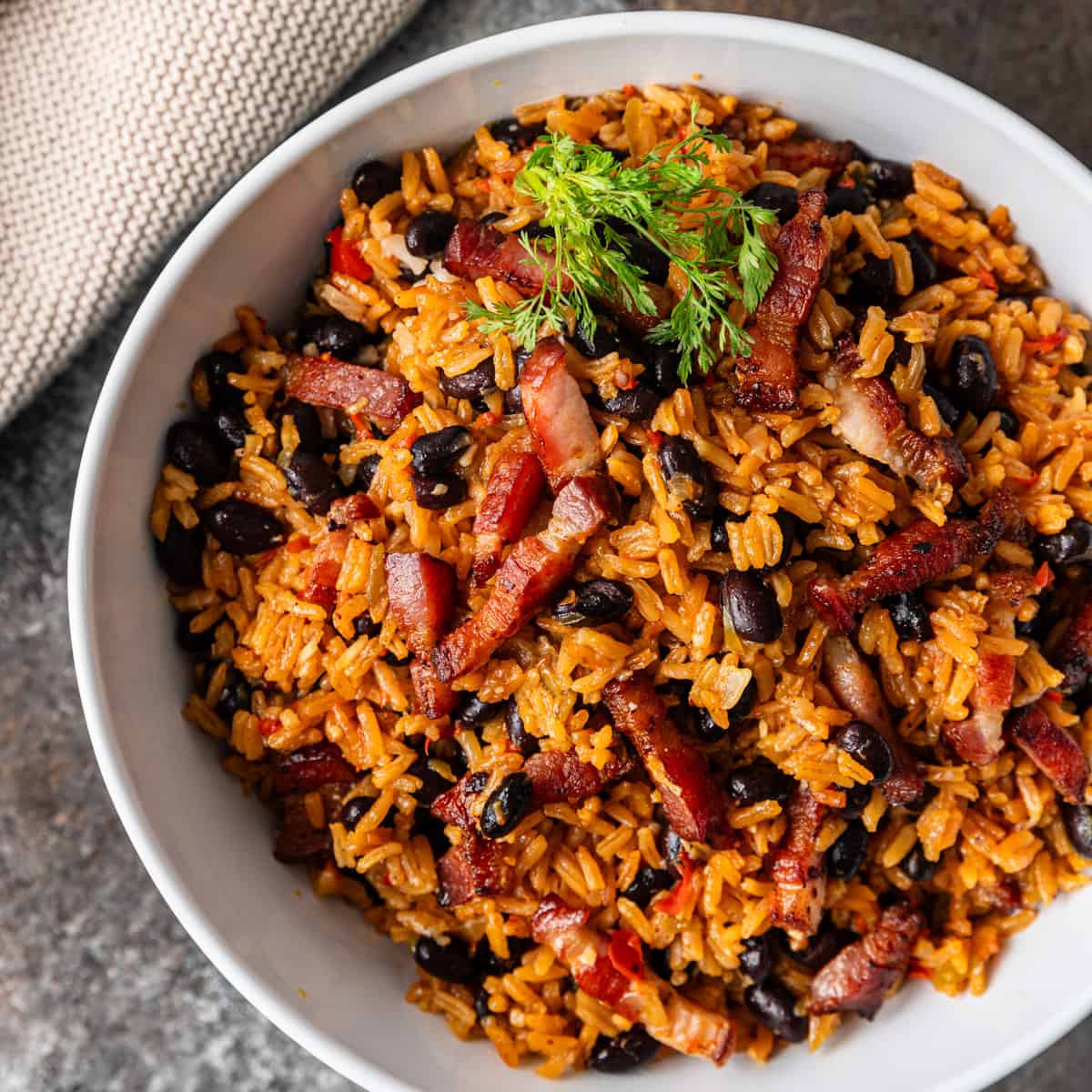
6. Black Beans and Rice (Moros y Cristianos)
Moros y Cristianos stands as one of Cuba’s most essential dishes. You’ll find black beans and rice cooked together with garlic, onions, and peppers in this hearty meal.
The dish gets its name from the contrast between dark beans and white rice. You can make it with dried beans for traditional flavor or use canned beans when you’re short on time.
The key to good Moros y Cristianos is cooking the rice and beans together so the grains absorb the seasoned broth. This creates a flavorful side dish that pairs well with any Cuban meal.

7. Yuca con Mojo (Cassava with Garlic Sauce)
Yuca con Mojo is a classic Cuban side dish you’ll find at nearly every Cuban gathering. The dish combines boiled yuca root with a tangy garlic sauce called mojo.
Yuca has a mild, slightly sweet flavor and a starchy texture similar to potatoes. The mojo sauce brings bright citrus notes from lime and lemon juice mixed with garlic and onions.
Serve this dish alongside roast pork, black beans, rice, or grilled meats. The creamy yuca pairs perfectly with the zesty, garlicky sauce.

8. Tostones (Fried Plantains)
Tostones are twice-fried green plantains that create a crispy, golden snack. You slice the plantains, fry them once, flatten them, then fry them again until they turn crunchy on the outside and soft inside.
These fried plantains work well as a side dish or appetizer. Serve them with garlic mojo sauce for dipping or pair them with black beans.
A light sprinkle of salt after the second frying adds the perfect finish.

9. Cuban-Style Roast Pork (Lechon Asado)
Lechon asado is a classic Cuban dish that brings amazing flavor to your table. You marinate pork shoulder in a citrus-garlic mixture, then slow roast it until tender.
The marinade combines orange and lime juice with plenty of garlic and spices. This gives the meat a bright, tangy taste.
You’ll get crispy skin on the outside and juicy meat inside. The leftovers make great Cuban sandwiches the next day.
This dish works well for family dinners or celebrations.

10. Flan Cubano (Caramel Custard Dessert)
Flan Cubano is a creamy custard dessert topped with caramel sauce. You’ll find it served at Cuban celebrations and family dinners throughout the year.
The dessert combines simple ingredients like eggs, condensed milk, evaporated milk, and vanilla. These create a smooth texture that pairs well with the sweet caramel layer on top.
You can make this dessert ahead of time since it needs to chill in the refrigerator. The caramel forms naturally when you flip the flan onto a serving plate after it sets.
Key Ingredients in Authentic Cuban Cooking
Cuban cuisine builds its distinctive flavor profile from a core set of ingredients that include mild spices, citrus-based marinades, and staple proteins like pork and beef. Rice and beans form the foundation of most meals, while specific seasonings create the savory, aromatic character that defines traditional Cuban dishes.
Signature Spices and Seasonings
Cuban cooking relies on cumin, oregano, and bay leaves to build depth of flavor. These spices create a mild, aromatic profile rather than a spicy one.
You won’t find hot chiles dominating Cuban dishes. Sofrito serves as the flavor base for many Cuban recipes.
This sauce combines sautéed onions, garlic, bell peppers, and tomatoes. You’ll use it in everything from black beans to meat dishes.
Citrus marinades, especially those made with sour orange (naranja agria), are essential for authentic Cuban cooking. The mojo marinade combines sour orange juice with garlic, cumin, and oregano.
This mixture tenderizes and flavors pork and other meats. Other key seasonings include:
- Sazón – a seasoning blend with annatto for color
- Garlic – used generously in most dishes
- Onions and bell peppers – form the aromatic base
Traditional Proteins and Produce
Pork stands as the most important protein in Cuban cuisine. You’ll find it slow-roasted, braised, or marinated in citrus-based sauces.
Lechón asado (roast pork) represents a cornerstone of Cuban cooking. Beef plays a supporting role in dishes like ropa vieja and vaca frita.
Both preparations involve slow-cooking the meat until it becomes tender and flavorful. Chicken appears frequently in everyday meals, particularly in arroz con pollo.
The cooking method typically involves braising the chicken with rice and sofrito. Key produce items include:
- Plantains – served ripe (maduros) or green (tostones)
- Yuca – a starchy root vegetable
- Malanga – another root vegetable used in soups
- Avocados and tomatoes – for fresh components
Essential Pantry Staples
Rice and black beans form the foundation of Cuban meals. You can prepare them together as congri or separately.
White rice typically accompanies almost every Cuban dish. Your pantry needs these shelf-stable items:
- Dried black beans – for traditional black bean soup and side dishes
- White rice – long-grain varieties work best
- Olive oil – for cooking and finishing dishes
- Wine vinegar – adds acidity to marinades and sauces
Bijol (annatto powder) gives rice and other dishes their characteristic yellow color. You can substitute saffron, but bijol offers a more authentic flavor and appearance.
Keep canned tomato sauce on hand for sofrito and other sauces. Chicken or pork stock helps build flavor in rice dishes and stews.
Techniques for Achieving Authentic Cuban Flavors
Cuban cooking relies on proper marinating and specific cooking methods that build deep flavors without intense heat. The techniques focus on creating layers of taste through careful preparation and patient cooking.
Marinating and Sofrito Preparation
Marinating is essential in Cuban cooking. Use mojo, a citrus-garlic marinade made with sour orange juice, garlic, cumin, and oregano.
Let your meats sit in mojo for at least 2 hours, though overnight works better for pork and beef. Sofrito forms the flavor base for most Cuban dishes.
Make it by cooking onions, bell peppers, and garlic in oil until soft. Add tomatoes, cumin, oregano, and bay leaves to complete the mixture.
Let the sofrito cook slowly for 15-20 minutes. This allows the flavors to blend together.
You can make large batches and freeze them in small portions for quick use later.
Cooking Methods Unique to Cuban Cuisine
Slow cooking is the main method in Cuban kitchens. Let your meats simmer on low heat for 2-3 hours until they fall apart easily.
This works for dishes like ropa vieja and lechon asado. Simmer meats in sofrito-based sauces and use low heat for extended periods.
Cook beans separately before combining with rice. Fry plantains twice for maximum crispness.
Avoid rushing the cooking process. Cuban dishes need time to develop their full taste.
Long cooking breaks down tough cuts of meat and allows spices to penetrate deeply into the food.
Frequently Asked Questions
Cuban cooking builds on simple ingredients like cumin, oregano, and garlic to create bold flavors. These questions address common concerns about preparing traditional Cuban dishes and mastering authentic techniques.
What are the steps to make authentic Picadillo?
Start by heating oil in a large skillet over medium heat. Brown one pound of ground beef, breaking it into small pieces as it cooks.
Add diced onions, bell peppers, and minced garlic to the beef. Cook until the vegetables soften, about five minutes.
Stir in tomato sauce, cumin, oregano, and bay leaves. Add green olives, raisins, and a splash of white wine if desired.
Let the mixture simmer for 15 to 20 minutes until the flavors blend together. Serve over white rice or use as a filling for empanadas.
How can I prepare a Cuban chicken dinner that’s both traditional and flavorful?
Arroz con Pollo is your best choice for a traditional Cuban chicken dinner. Season chicken pieces with salt, pepper, cumin, and oregano before browning them in a large pot.
Remove the chicken and cook diced onions, bell peppers, and garlic in the same pot. This creates a flavorful base called sofrito.
Add rice, chicken broth, tomato sauce, and saffron or bijol for color. Place the chicken back in the pot and nestle it into the rice.
Cover and simmer on low heat for 30 to 40 minutes. The rice absorbs the chicken juices and spices as everything cooks together.
Add frozen peas and diced red peppers in the last 10 minutes for color and texture.
What are some easy-to-follow traditional Cuban food recipes for beginners?
The Classic Cuban Sandwich requires no cooking skills beyond basic assembly. Layer roast pork, ham, Swiss cheese, pickles, and mustard on Cuban bread, then press it in a sandwich press or skillet until the cheese melts.
Mojo-marinated pork is another beginner-friendly option. Mix garlic, orange juice, lime juice, cumin, and oregano to make the marinade.
Pour the marinade over pork shoulder and refrigerate for at least four hours before roasting.
Black beans and rice is one of the simplest Cuban dishes to master. Cook the beans with onions, garlic, bell peppers, cumin, and bay leaves.
The sofrito base gives the beans their authentic Cuban flavor without complicated techniques.
The Classic Cuban Sandwich tops the list with its perfect combination of roasted pork, ham, Swiss cheese, pickles, and mustard on pressed bread. Ropa Vieja follows as a beloved shredded beef stew cooked in tomato sauce with peppers and onions.
Mojo-marinated pork showcases the citrus-garlic flavors that define Cuban cooking. Arroz con Pollo combines chicken and rice in a one-pot meal that feeds a crowd.
Picadillo brings ground beef together with olives, raisins, and warm spices. Black beans and rice serves as the foundation of most Cuban meals.
Lechon Asado is slow-roasted pork marinated in mojo sauce. Tostones are twice-fried green plantains that provide a crispy side dish.
Yuca con Mojo features boiled cassava topped with garlic sauce. Flan completes the list as Cuba’s favorite custard dessert with caramel sauce.
What are the essential ingredients for a classic Cuban mojo sauce?
Fresh garlic forms the base of authentic mojo sauce. You need at least six to eight cloves, minced or crushed.
Sour orange juice gives mojo its distinctive flavor. If you cannot find sour oranges, mix regular orange juice with lime juice in equal parts.
Add cumin, oregano, salt, and black pepper for seasoning. Heat olive oil until it’s very hot, then carefully pour it over the garlic and citrus mixture.
The hot oil cooks the garlic slightly and helps blend all the flavors together. Use mojo as a marinade for pork or chicken, or drizzle it over cooked yuca and vegetables.
Which Cuban dessert recipes are considered authentic and popular?
Flan is the most popular Cuban dessert. This creamy caramel custard uses eggs, condensed milk, evaporated milk, and vanilla.
Cooks create the caramel sauce on top by melting sugar until it turns golden.
Tres Leches Cake soaks sponge cake in three types of milk: evaporated milk, condensed milk, and heavy cream. Top it with whipped cream for a rich, moist dessert.
Guava pastries pair sweet guava paste with cream cheese inside flaky puff pastry. You can find these pastelitos in every Cuban bakery.
Arroz con Leche is Cuban rice pudding made with cinnamon and lime zest.
Buñuelos are fried dough balls covered in anise-flavored syrup. People traditionally serve them during Christmas.