
Flank steak is a lean, affordable cut of beef that cooks quickly and works well in many different dishes. It has a rich, meaty flavor that makes it popular for grilling, pan-searing, and slow cooking.
When you prepare it correctly, flank steak becomes tender and tasty enough for any meal.
This collection of flank steak recipes will show you how to make everything from classic grilled steaks to creative stuffed preparations using different marinades, cooking methods, and flavor combinations. You’ll find options that work for busy weeknight dinners and special occasions alike.
The recipes include simple grilled versions with herbs, Asian-inspired dishes with soy and ginger, fajitas, stir-fries, and salads.
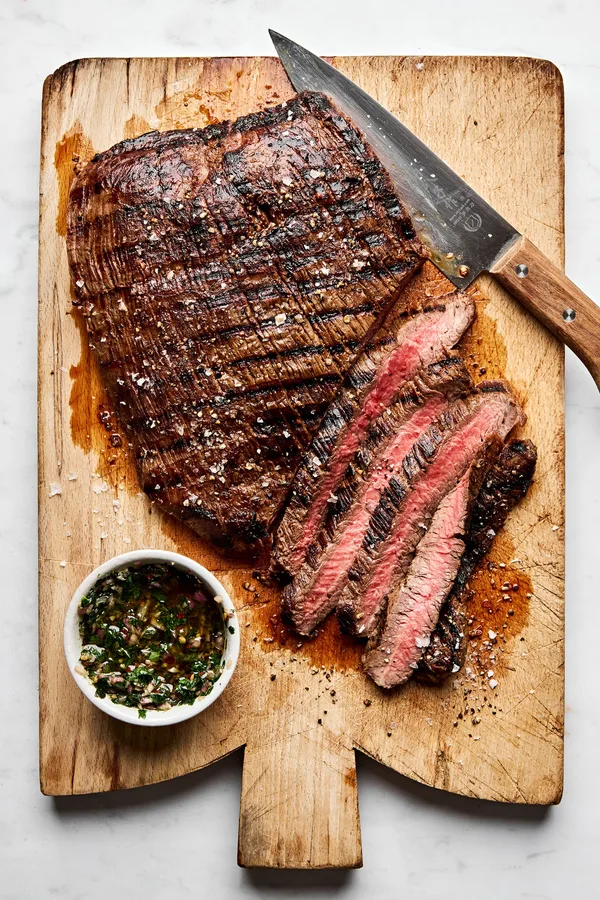
1. Classic Grilled Flank Steak with Garlic and Herbs
This recipe combines simple ingredients to create a flavorful dinner. Marinate the flank steak in garlic, fresh herbs like rosemary, and olive oil.
The marinade tenderizes the meat while adding flavor. Prepare it in the morning and let the steak sit until dinner time.
Grill the steak over high heat for a few minutes per side. Cook it to medium-rare for the best texture.
Let it rest before slicing against the grain.

2. Asian-Inspired Soy Ginger Marinated Flank Steak
This recipe brings bold Asian flavors to your flank steak. The marinade combines soy sauce, fresh ginger, garlic, and sesame oil to create a savory taste with hints of sweetness.
Marinate the steak for at least four hours, though overnight works best. This gives the meat time to absorb the flavors and become more tender.
Grill this steak or broil it in your oven. Both methods take about 10 to 14 minutes total for medium-rare doneness.

3. Stuffed Flank Steak with Spinach and Cheese
This recipe turns flank steak into an elegant main dish. Butterfly the meat, flatten it, and fill it with fresh spinach and cheese.
Popular cheese options include mozzarella, goat cheese, or a mix of Parmesan and asiago. Add garlic, sun-dried tomatoes, or mushrooms for extra flavor.
Roll the steak tightly and tie it with kitchen twine. Sear it in a hot pan, then finish cooking in the oven until it reaches your preferred doneness.

4. Flank Steak Fajitas with Peppers and Onions
Flank steak fajitas bring restaurant-quality flavor to your kitchen in about 20 minutes. Cook the marinated steak strips with bell peppers and onions in a hot skillet or on a sheet pan.
Use a good marinade to tenderize the meat and add flavor. Slice your flank steak against the grain into thin strips.
Cook your peppers and onions until they’re tender with a slight char. Serve the sizzling mixture in warm tortillas with your favorite toppings.

5. Pan-Seared Flank Steak with Chimichurri Sauce
This classic combination brings together tender beef and a bright herb sauce. Cook the steak in a hot skillet to get a good sear on the outside while keeping it juicy inside.
Chimichurri sauce comes from Argentina and includes parsley, garlic, olive oil, and vinegar. Make it while your steak rests after cooking.
Use high heat and avoid moving the meat around too much. Let it develop a brown crust before flipping.
Slice against the grain and spoon the sauce over the top before serving.

6. Slow Cooker Flank Steak with Mushrooms and Onions
This recipe uses the slow cooker‘s gentle heat to break down flank steak’s tough fibers. Combine the meat with sliced mushrooms and onions in your crockpot.
The cooking liquid usually includes beef broth, soy sauce, and garlic. Some recipes add wine or ketchup for extra depth.
Set your slow cooker on low for 6 to 8 hours. The long cooking time makes the meat tender and lets the flavors blend together.
Thicken the sauce with cornstarch at the end if you want gravy.

7. Flank Steak Stir-Fry with Broccoli and Sesame
This stir-fry combines tender flank steak with crisp broccoli in a savory sesame sauce. You can have dinner ready in under 30 minutes, making it perfect for busy weeknights.
Slice your flank steak thin against the grain. This keeps the meat tender when you cook it quickly over high heat.
Fresh broccoli florets add color and nutrition to your meal. The sesame sauce brings everything together with a rich, nutty flavor.

8. Spicy Cajun Rubbed Grilled Flank Steak
Create a flavorful meal with just a simple spice rub. Cajun seasoning brings bold, spicy flavors to flank steak without needing a marinade.
Mix your dry rub with paprika, cayenne pepper, garlic powder, and black pepper. Coat both sides of the steak generously before grilling.
Cook the steak for about 5 minutes per side over medium-high heat. Let it rest for a few minutes, then slice it thin against the grain.

9. Flank Steak Salad with Avocado and Orange
This salad brings together tender flank steak with bright citrus flavors. Grill or reverse-sear your flank steak, then slice it thin against the grain.
The combination of creamy avocado and fresh orange segments adds nice contrast. Peppery arugula or mixed greens work well as your base.
A simple orange vinaigrette ties everything together. Add carrots, red onions, or Thai basil for extra flavor and crunch.

10. Barbecue Flank Steak with Smoky Dry Rub
A smoky dry rub transforms flank steak into a standout barbecue dish. Mix spices like smoked paprika, brown sugar, and garlic powder to create a flavorful coating.
Apply the rub to your steak and let it sit for 10 minutes before grilling. This allows the spices to stick to the meat.
Grill the steak for about 5 minutes per side over high heat. Let it rest for 10 minutes after cooking, then slice it thin against the grain.
Tips for Preparing Flank Steak
Getting flank steak right starts before you even turn on the heat. The cut you pick, how you marinate it, and the way you slice it all make a big difference in how tender and tasty your meal turns out.
Choosing the Best Cut
Look for flank steak that has a deep red color with minimal fat marbling. The meat should be firm to the touch and not have any gray or brown spots.
A good flank steak weighs between 1.5 to 2 pounds. The thickness should be fairly even throughout so it cooks at the same rate.
Avoid pieces that taper too thin on one end. Check that the visible grain runs in clear, long lines across the meat.
This makes it easier to slice correctly later. If you see a lot of silver skin or thick membranes on the surface, trim these off at home or ask your butcher to do it.
Fresh flank steak works best, but frozen can work if it’s properly thawed in the refrigerator overnight. Never thaw it at room temperature.
Marinating for Maximum Flavor
Flank steak benefits from marinating because it helps break down the tough muscle fibers. Plan to marinate your steak for at least 2 hours, but 4 to 8 hours gives better results.
Your marinade needs an acid like lime juice, vinegar, or wine to tenderize the meat. Add oil to help the flavors stick and seasonings like garlic, soy sauce, or herbs for taste.
Use about 1/2 cup of marinade per pound of meat. Place the steak and marinade in a sealed plastic bag or covered dish in the refrigerator.
Flip it halfway through the marinating time so both sides get equal coverage. Don’t marinate for more than 24 hours.
The acid can make the texture mushy instead of tender. Always throw out used marinade instead of reusing it.
Proper Slicing Techniques
Let your cooked flank steak rest for 5 to 10 minutes before you cut it. This keeps the juices inside the meat instead of running out onto your cutting board.
Find the direction of the grain, which looks like long lines running through the meat. Cut against these lines, not with them.
Hold your knife at a slight angle and slice the steak into thin strips about 1/4 inch thick. Cutting against the grain shortens the muscle fibers, which makes each bite much easier to chew.
If you cut with the grain, the meat will be tough and stringy no matter how well you cooked it. Use a sharp knife for clean cuts.
A dull blade tears the meat and releases more juices.
Cooking Methods for Flank Steak
Flank steak responds well to high-heat cooking methods that create a flavorful crust while keeping the inside tender. The three most effective approaches are grilling, broiling, and pan-searing, each offering distinct advantages based on your available equipment and desired results.
Grilling Techniques
Grilling is one of the best ways to cook flank steak because the high heat creates a nice char on the outside while keeping the meat juicy inside. Preheat your grill to high heat, around 450-500°F, before placing the steak on the grates.
Oil the grill grates to prevent sticking. Place your flank steak directly over the heat and cook for 4-6 minutes per side for medium-rare.
The exact time depends on the thickness of your cut. Use a meat thermometer to check doneness.
Aim for 130-135°F for medium-rare, which is the ideal temperature for flank steak. Don’t cook it past medium, or it will become tough and chewy.
Let the steak rest for 5-10 minutes after grilling. This allows the juices to redistribute throughout the meat.
Broiling and Pan-Seared Options
Broiling works similarly to grilling but uses your oven’s top heating element. Position your oven rack 4-6 inches from the broiler and preheat it on high.
Place the steak on a broiler pan and cook for 4-5 minutes per side, watching carefully to avoid burning. Pan-searing gives you excellent control over the cooking process.
Heat a cast-iron or heavy-bottomed skillet over high heat until it starts to smoke slightly. Add a small amount of oil with a high smoke point, like avocado or vegetable oil.
Sear the steak for 3-5 minutes per side without moving it. This creates a brown crust that adds flavor.
Finish thicker steaks in a 400°F oven for a few minutes if needed to reach your desired internal temperature.
Frequently Asked Questions
What are the key spices and marinades for flavoring flank steak?
Soy sauce, garlic, and honey form a classic marinade base that works well with flank steak’s bold flavor. Add ginger for Asian-inspired dishes or use lime juice and cumin for fajitas.
Fresh herbs like rosemary and thyme pair perfectly with garlic for traditional grilled preparations. Oil-based marinades help carry flavors into the meat while keeping it moist during cooking.
Acidic ingredients like vinegar or citrus juice help break down the meat fibers. Marinate flank steak for at least 2 hours, but overnight produces the best results.
How long should flank steak be cooked to achieve optimal tenderness?
Flank steak cooks quickly due to its thin profile and benefits from high heat methods. For grilling or pan-searing, cook it for 4-5 minutes per side over medium-high heat.
This timing produces a medium-rare doneness, which is ideal for maintaining tenderness. The internal temperature should reach 130-135°F for medium-rare.
Cooking beyond medium doneness makes flank steak tough and chewy. Always use a meat thermometer to check the temperature at the thickest part.
Can you provide tips for slicing flank steak to maintain its juiciness?
Always let your flank steak rest for 5-10 minutes after cooking before you slice it. This allows the juices to redistribute throughout the meat.
Slice flank steak against the grain to maximize tenderness. The grain refers to the direction of the muscle fibers running through the meat.
Cut thin slices at a slight angle to create larger pieces that are easier to chew.
What are some healthy side dishes that pair well with flank steak?
Grilled vegetables like bell peppers, zucchini, and asparagus complement flank steak’s rich flavor without adding heavy calories. A simple green salad with vinaigrette provides a fresh contrast to the meat.
Roasted Brussels sprouts or cauliflower offer nutritious options with satisfying textures. Quinoa or brown rice serves as a wholesome grain base for dishes like stir-fries or fajitas.
Sweet potato wedges provide fiber and vitamins while adding natural sweetness. You can also serve flank steak over mixed greens for a protein-packed salad bowl.
What’s the best method to tenderize flank steak before cooking?
Marinades containing acidic ingredients like vinegar, wine, or citrus juice break down tough muscle fibers. Marinate the meat for at least 2 hours or up to 24 hours in the refrigerator.
The acid and enzymes soften the texture while adding flavor. Physical tenderizing with a meat mallet creates small breaks in the muscle fibers.
You can also use a fork to pierce the surface multiple times before marinating. These methods help marinades penetrate deeper into the meat.
Are there any unique or international preparation styles for flank steak that you recommend?
Korean bulgogi uses a marinade of soy sauce, sesame oil, pear juice, and garlic for a sweet and savory profile. Grill thin slices quickly and serve them with lettuce wraps and kimchi.
Argentine chimichurri sauce made from parsley, oregano, garlic, and olive oil creates a bright topping for grilled flank steak. Peruvian lomo saltado combines stir-fried flank steak with tomatoes, onions, and french fries.
Mexican carne asada uses lime juice, cilantro, and chili peppers for a zesty marinade perfect for tacos.