
Meatballs taste better when you pair them with the right sauce. A good sauce adds moisture and flavor to your meatballs, turning a simple dish into something special.
You can choose from traditional options or try something new. Some sauces work well for weeknight dinners, while others are perfect for parties and special events.
The key is finding sauces that match your taste and the occasion.
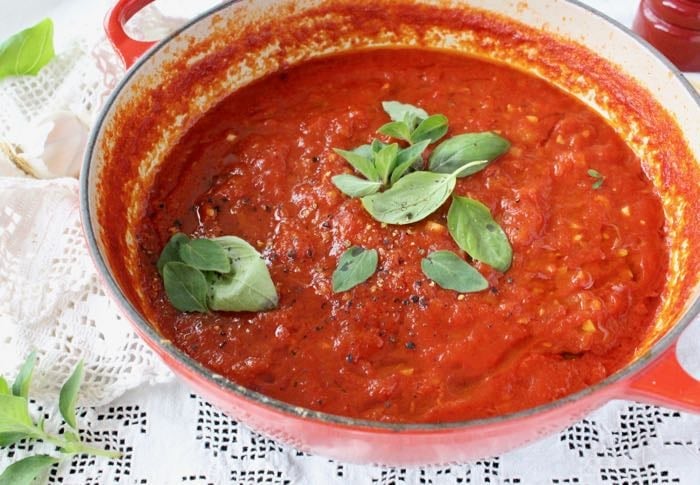
1. Classic Italian Marinara Sauce
Classic marinara sauce tops the list for meatballs. This tomato-based sauce combines garlic, herbs, and tomatoes to create rich Italian flavors.
You can make it quickly for weeknight dinners or simmer it slowly for deeper flavor. The sauce works well over pasta or as a base for meatball subs.
Marinara sauce balances acidity from tomatoes with savory garlic and herbs. It lets your meatballs shine while adding moisture and flavor to every bite.

2. Swedish Creamy Gravy Sauce
Swedish meatball gravy starts with a roux made from the pan drippings left after browning your meatballs. This creates a rich base that gives the sauce its deep flavor.
Combine beef broth with heavy cream to get that signature velvety texture. The sauce should coat the back of a spoon when it’s ready.
This gravy pairs perfectly with egg noodles or mashed potatoes. You can make it in about 10 minutes using basic pantry ingredients.

3. Honey Garlic Glaze Sauce
This sauce combines sweet honey with savory garlic and soy sauce to create a balanced flavor. You can make it with just a few ingredients: honey, minced garlic, soy sauce, and ketchup.
The sauce works well on baked or fried meatballs. It becomes sticky when heated, coating each meatball evenly.
Prepare this glaze on the stovetop or in a slow cooker. Some recipes add cornstarch to thicken the sauce.
Serve these meatballs over rice or as an appetizer.

4. Spicy Arrabbiata Sauce
Arrabbiata sauce brings serious heat to your meatballs. The name means “angry” in Italian, and the bold flavor comes from red pepper flakes simmered in olive oil with garlic and tomatoes.
Use this sauce when you want to add some kick to your dinner. Cook the meatballs directly in the spicy tomato sauce, letting them soak up all the flavors as they simmer.
Serve these meatballs over pasta or pile them onto toasted rolls for sandwiches. Keep extra red pepper flakes nearby for anyone who wants more heat.

5. Mushroom and Herb Gravy
Mushroom and herb gravy brings earthy, savory flavors to your meatballs. Use any mushrooms you like, but mixing varieties like bella and shiitake adds more depth.
Start by sautéing sliced mushrooms in butter with shallots and garlic. Add broth and let it simmer until it thickens slightly.
Fresh herbs like dill, parsley, or herbes de Provence work well in this sauce. For a richer gravy, stir in cream or crème fraîche at the end.
This sauce pairs perfectly with beef, pork, or chicken meatballs.

6. Sweet and Sour Asian Sauce
Sweet and sour sauce brings a tangy-sweet flavor to your meatballs. Make it from scratch using simple ingredients like brown sugar, vinegar, soy sauce, and ketchup.
Add cornstarch to thicken the sauce until it becomes glossy and coats your meatballs well. Some recipes include pineapple for extra sweetness and texture.
The sauce works great with beef, pork, or chicken meatballs. Bake your meatballs first, then coat them in the sauce and bake again for 15 minutes.

7. Tangy BBQ Meatball Sauce
BBQ sauce brings a sweet and tangy flavor to your meatballs. Make a simple version by mixing ketchup, brown sugar, vinegar, Worcestershire sauce, and spices like chili powder and garlic powder in a saucepan.
The sauce comes together in about 15 minutes. For an even easier option, combine store-bought barbecue sauce with grape jelly in your slow cooker for a sweet-tangy glaze that coats your meatballs perfectly.

8. Creamy Parmesan Garlic Sauce
This rich sauce pairs butter and garlic with heavy cream and Parmesan cheese. Cook the garlic in butter first to release its flavor, then add cream and let it simmer until it thickens slightly.
The cheese melts into the warm cream to create a smooth coating for your meatballs. Adjust the garlic amount based on your preference.
This sauce works well over pasta or served directly with meatballs as an appetizer. It takes about 10 minutes to make from start to finish.

9. Zesty Tomato Basil Sauce
This bright tomato sauce brings fresh flavor to your meatballs. You’ll need ripe tomatoes, fresh basil, garlic, and olive oil as your base ingredients.
Simmer the sauce gently to blend the flavors. Fresh basil adds a light, herbal note that pairs perfectly with the natural sweetness of tomatoes.
Serve this sauce over pasta with meatballs or use crusty bread to soak up every bit.

10. Grape Jelly and Chili Sauce
This classic party appetizer combines two unexpected ingredients into a sweet and tangy glaze. You need just grape jelly and chili sauce to create a sauce that works perfectly with frozen or homemade meatballs.
Mix equal parts grape jelly and chili sauce in your slow cooker with the meatballs. The jelly provides sweetness while the chili sauce adds a savory, slightly spicy kick.
Cook on low for 2-3 hours until the sauce becomes glossy and coats each meatball. This simple sauce works well for gatherings and requires almost no preparation time.
Key Ingredients for Flavorful Meatball Sauces
The foundation of any great meatball sauce comes down to choosing the right base ingredients and seasonings. Whether you prefer tomato-based classics, rich cream sauces, or bold spice blends, knowing which ingredients work best will help you create sauces that make your meatballs shine.
Tomato-Based Sauces
Tomatoes form the backbone of traditional meatball sauces like marinara and Bolognese. You can use crushed tomatoes, tomato paste, or diced tomatoes depending on the texture you want.
San Marzano tomatoes give you a sweeter, less acidic flavor that works well for Italian-style sauces. Tomato paste adds depth and thickness when you need a richer consistency.
Key tomato sauce ingredients:
- Crushed or whole peeled tomatoes
- Tomato paste for concentration
- Olive oil as the cooking base
- Sugar or honey to balance acidity
Red wine or balsamic vinegar can enhance the flavor of your tomato sauce. A splash of either adds complexity without overpowering the other ingredients.
Creamy and Cheese-Infused Sauces
Heavy cream and sour cream create the smooth, rich texture found in Swedish meatball sauce and other cream-based recipes. Use these dairy ingredients over lower heat to prevent separation.
Parmesan cheese adds a salty, umami flavor that pairs well with both cream and tomato sauces. Cream cheese works when you want a thicker consistency with a tangy note.
Common creamy sauce bases:
- Heavy cream or half-and-half
- Sour cream
- Cream cheese
- Grated Parmesan or Romano cheese
Butter serves as both a cooking fat and flavor enhancer in cream sauces. It helps create a silky texture when combined with flour for a roux base.
Herbs, Spices, and Aromatics
Garlic and onions provide the aromatic foundation for most meatball sauces. Fresh garlic offers more punch, while garlic powder works when you need convenience.
Essential herbs and spices:
- Basil (fresh or dried)
- Oregano
- Thyme
- Red pepper flakes
- Black pepper
- Bay leaves
Fresh basil and oregano give you bright, authentic Italian flavor in tomato sauces. Dried versions work fine and last longer in your pantry.
Ground spices blend into sauces quickly, making them ideal for recipes that need fast flavor development. Paprika, cumin, and coriander add warmth to global-inspired meatball sauces.
Salt is your most important seasoning tool. Add it gradually and taste as you go to build proper flavor balance throughout your sauce.
Techniques for Achieving the Perfect Sauce Consistency
Getting the right sauce thickness requires control over your cooking method and flavor balance. These two factors work together to create a sauce that coats your meatballs without being too watery or too thick.
Simmering Versus Slow Cooking
Simmer your sauce on the stovetop to control thickness directly. Keep the heat at medium-low so small bubbles break the surface every few seconds.
This method reduces liquid through evaporation and concentrates flavors in 30 to 45 minutes.
Stovetop simmering works best when:
- You need sauce ready quickly
- You want to adjust thickness on the fly
- You can stir every 10 minutes
Slow cooking takes 4 to 6 hours on low heat. This method develops deeper flavors as ingredients blend together over time.
The longer cooking period breaks down tomatoes naturally, which thickens the sauce without extra steps.
Your sauce will lose less moisture in a slow cooker since the lid traps steam. If your sauce seems thin after cooking, remove the lid for the last 30 minutes.
You can also transfer it to a pot and simmer uncovered to reach your preferred consistency.
Balancing Acidity and Sweetness
Tomatoes bring natural acidity that can make your sauce taste sharp or thin. Add 1 to 2 teaspoons of sugar per quart of sauce to balance this tartness.
Brown sugar adds a richer flavor than white sugar. Test your sauce by tasting it halfway through cooking.
If it tastes too acidic, add sugar in small amounts. Wait 5 minutes between additions so the sweetness can develop.
A pinch of baking soda also reduces acidity, but use only 1/4 teaspoon at a time. Too much creates a soapy taste.
The sauce may foam briefly when you add it, which is normal.
Acidity affects how thick your sauce appears on the tongue. A well-balanced sauce feels smoother and coats better than one that’s too acidic, even at the same actual thickness.
Frequently Asked Questions
What are the traditional ingredients for authentic Italian meatball sauce?
Authentic Italian meatball sauce starts with high-quality canned tomatoes or fresh tomatoes as the base. Use garlic, onions, and olive oil to build the flavor foundation.
Fresh basil, oregano, and a pinch of salt and pepper add the classic Italian taste. Cook the sauce slowly for at least 90 minutes so all the flavors blend together properly.
How do I create a creamy sauce for meatball dishes?
Start with a roux made from butter and flour to thicken your sauce. Add heavy cream or sour cream gradually while stirring to avoid lumps.
You can also use cream cheese for extra richness. Swedish meatball sauce uses beef broth combined with cream and a touch of soy sauce for depth.
Season with white pepper and nutmeg for authentic flavor. The sauce should coat the back of a spoon when it’s ready.
Which sauce recipes complement meatballs when served with spaghetti?
Classic marinara sauce is the traditional choice for spaghetti and meatballs. The tangy tomato flavor pairs perfectly with pasta.
Arrabbiata sauce works well if you want some heat. It combines tomatoes with red pepper flakes and garlic.
Mushroom and herb gravy also creates a rich coating for both meatballs and noodles.
What are some popular variations of Swedish meatball sauce?
The traditional version uses beef broth, heavy cream, and butter as the base. Some recipes add Worcestershire sauce or Dijon mustard for extra flavor.
Adjust the thickness by changing the amount of flour or cornstarch. A lighter variation uses chicken broth instead of beef broth.
Some cooks add a splash of white wine before adding the cream. The gravy should be smooth and velvety when finished.
Can you suggest a flavorful non-tomato sauce option for meatballs?
Honey garlic glaze offers sweet and savory flavors without any tomato. Mix honey, soy sauce, garlic, and a bit of rice vinegar.
This sauce works great for appetizers or as a main dish.
Mushroom gravy provides an earthy, rich taste. Cook sliced mushrooms with butter, then add broth and cream.
Try a simple brown gravy made with beef stock and pan drippings.
What are some simple steps to ensure meatballs remain moist and tender?
Don’t overmix your meat mixture because this makes meatballs tough. Mix just until the ingredients combine.
Add breadcrumbs soaked in milk to keep the meatballs soft and prevent drying. Use a mix of meats like beef and pork for better texture and moisture.
The fat content in pork helps keep everything juicy. Bake or simmer your meatballs in sauce instead of frying them completely, which can dry them out.