
Turkish desserts offer a unique mix of flavors and textures that stand out in world cuisine. These sweets range from syrupy pastries to creamy puddings, each with its own preparation method and taste.
You can find everything from simple treats to more complex desserts that showcase centuries of culinary tradition.
This guide walks you through classic Turkish desserts that you can make at home or look for at Turkish restaurants and bakeries. You’ll learn about popular options like flaky pastries filled with nuts, cheese-based sweets, and traditional puddings.
Each dessert has its own story and place in Turkish food culture. These desserts are worth trying at least once.
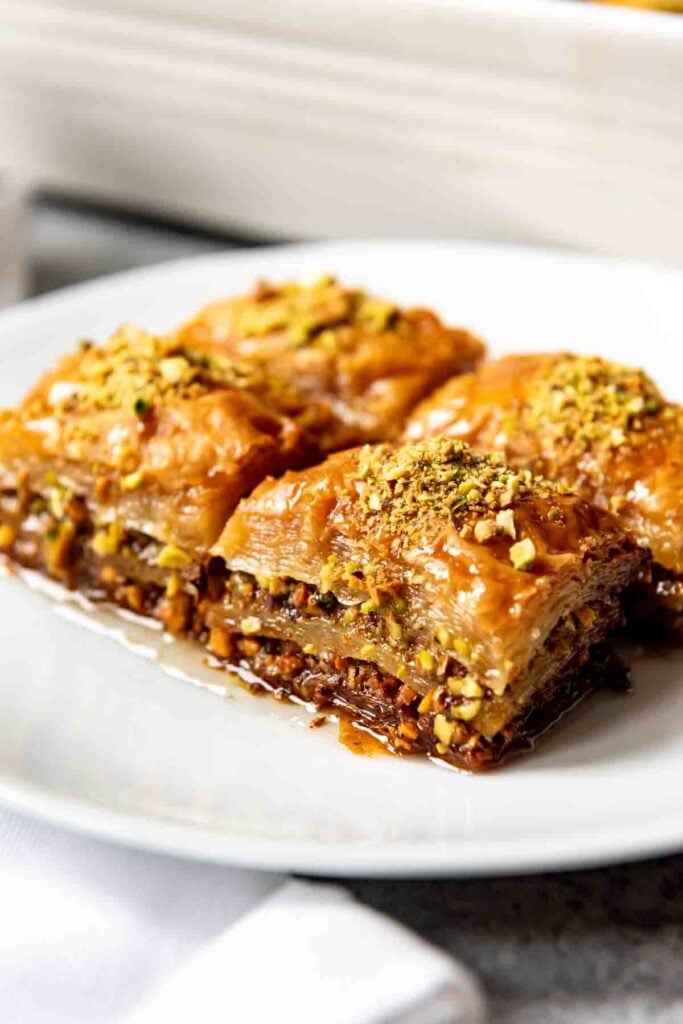
1. Baklava
Baklava stands as Turkey’s most famous dessert. You’ll find layers of thin phyllo pastry filled with chopped pistachios or walnuts, all held together with butter.
Bakers bake the pastry until golden and crispy, then soak it in a sweet syrup made from sugar, water, and lemon juice.
The dessert offers a perfect balance of crunchy texture and sweetness. You can make it at home in under an hour, though it does require careful layering of the delicate phyllo sheets.

2. Künefe
Künefe is a cheese pastry dessert that features crispy shredded dough called kadayıf. The dough is buttered and layered with unsalted cheese, typically mozzarella.
Cooks soak the dessert in sweet syrup, often flavored with rose or orange blossom water. The top becomes golden and crispy while the cheese inside turns gooey and melted.
Künefe is served warm and topped with crushed pistachios. The combination of crispy pastry, stretchy cheese, and sweet syrup creates a unique texture and flavor.

3. Turkish Delight (Lokum)
Turkish Delight, known as lokum in Turkey, is a soft and chewy candy made from sugar, starch, and water. You’ll find it in many flavors like rosewater, lemon, or bergamot orange.
Premium versions include chopped pistachios, hazelnuts, walnuts, or dates mixed into the gel. Makers cut the candy into small cubes and dust it with powdered sugar to prevent sticking.
You can make this traditional sweet at home with basic ingredients. It pairs perfectly with Turkish coffee or afternoon tea.

4. Sütlaç (Rice Pudding)
Sütlaç is Turkey’s beloved rice pudding that combines simple ingredients into something special. You’ll find it made with rice, milk, and sugar, creating a creamy texture that’s lighter than other rice puddings.
The dessert comes in two versions. You can enjoy it cooked on the stovetop for a smooth consistency.
Or try fırın sütlaç, which is baked in clay bowls to create a caramelized top layer. The pudding offers subtle sweetness and a silky texture.

5. Revani
Revani is a traditional Turkish semolina cake that stands out for its soft, syrup-soaked texture. You’ll find it made with semolina flour, yogurt, and sugar, then baked until golden.
The cake gets its signature taste from being soaked in a simple syrup flavored with lemon or rose water. Once soaked, it becomes moist throughout.
You can serve revani warm or at room temperature. It pairs well with Turkish coffee or tea, and you’ll often see it topped with chopped pistachios or almonds.

6. Kazandibi
Kazandibi is a Turkish milk pudding with a caramelized bottom layer. The name means “bottom of the cauldron,” which describes how it’s made.
You’ll notice its creamy texture and golden-brown caramelized top. The pudding is thick and silky, unlike regular puddings you might know.
This dessert dates back to the Ottoman Empire. You can serve it chilled as a sweet ending to your meal.
The caramelized layer gives it a slightly crunchy texture that contrasts with the smooth pudding underneath.

7. Aşure (Noah’s Pudding)
Aşure is a traditional Turkish pudding made with grains, legumes, dried fruits, and nuts. The dessert gets its name from the Arabic word for “tenth” and is traditionally prepared on the tenth day of Muharram in the Islamic calendar.
According to legend, Noah made this pudding using leftover ingredients on the ark after the flood. This story explains why the recipe includes so many different components.
You’ll find aşure is naturally vegan and packed with warm spices. Turkish families often make large batches to share with neighbors and friends.

8. Şekerpare
Şekerpare means “a piece of sweetness” in Turkish, and these cookies live up to their name. You’ll find them made with semolina, flour, and butter, shaped into small balls about the size of a chestnut.
After baking, the golden cookies soak in a sweet lemon-flavored syrup. This creates their signature soft, tender texture.
You can make them with or without almonds on top. These treats are popular at Turkish tea time and special gatherings.

9. Tulumba
Tulumba is a crispy fried pastry soaked in sweet syrup. This Turkish dessert has a ridged shape and golden exterior that stays crunchy even after the syrup coating.
You make tulumba from a simple dough that you pipe through a pastry bag before frying. The dessert gets dipped in lemon-flavored syrup while still warm.
The texture combines a crisp outside with a soft, syrup-soaked inside. You can find tulumba at Turkish bakeries or make it at home with basic ingredients.

10. İrmik Helvası (Semolina Halva)
İrmik Helvası is a traditional Turkish dessert that has been loved for generations. You’ll find it’s made with simple ingredients like semolina, butter, sugar, and pine nuts.
The dessert comes together in one pan, making it easy to prepare at home. You toast the semolina and pine nuts in butter, then add a sweet syrup that the mixture absorbs.
You can serve this halva warm during cold months or chilled when the weather is hot. The texture is light and slightly grainy, with a rich buttery flavor and a pleasant sweetness from the syrup.
The Turkish Dessert Experience
Turkish desserts rely on a core set of ingredients like nuts, honey, and phyllo dough. Cooks combine these with traditional techniques that families have passed down through generations.
Key Ingredients and Flavors
Most Turkish desserts feature several staple ingredients. Pistachios, walnuts, and hazelnuts add texture and flavor to many sweets.
Sugar syrup and honey create the signature sweetness that defines these treats. Phyllo dough forms the base of classics like baklava.
You’ll taste it in thin, crispy layers. Rose water and orange blossom water add floral notes to puddings and pastries.
Special cheeses play a key role too. Hatay, Urfa, and Antep cheese work in desserts like künefe.
These unsalted cheeses melt and stretch when heated.
Common flavor combinations include:
- Pistachios with honey syrup
- Walnuts with cinnamon
- Rose water with milk-based puddings
- Lemon with semolina
The balance between sweet and nutty creates the distinct taste you experience in Turkish desserts. Many recipes also use butter for richness and milk for creamy textures.
Traditional Preparation Methods
Turkish desserts require specific techniques that affect the final result. Baklava makers brush each phyllo layer with melted butter by hand.
They stack dozens of sheets before baking and cutting. Sugar syrup gets poured over hot pastries at precise temperatures.
This prevents sogginess and ensures proper absorption. The dessert must be hot and the syrup cool, or vice versa.
Turkish bakeries make desserts fresh daily using these time-tested methods. Künefe requires stretching kadayif dough into thin strands.
You layer it with cheese, then cook it on a special pan until golden. Pudding-based desserts need constant stirring to prevent lumps.
Rice pudding cooks slowly until it reaches a creamy consistency. Many traditional recipes avoid shortcuts or frozen ingredients to maintain authentic taste and texture.
Enjoying Turkish Desserts
Turkish desserts taste best when paired thoughtfully with drinks and served according to time-honored customs.
Pairing Suggestions
Turkish coffee makes the most traditional pairing with Turkish desserts. The strong, bitter flavor of the coffee balances the sweetness of treats like baklava and künefe.
You should serve the coffee unsweetened or lightly sweetened to create the best contrast. Black tea is another popular choice that Turkish people drink with their desserts daily.
The tea cuts through rich, syrupy desserts and refreshes your palate between bites. For specific desserts, consider these pairings:
- Baklava – Turkish coffee or black tea
- Rice pudding – Cinnamon tea or plain water
- Turkish delight – Mint tea or ayran (yogurt drink)
- Künefe – Strong black tea
Cold milk works well with lighter desserts like rice pudding and cookies. Some people enjoy ayran with very sweet desserts because the salty yogurt drink provides a refreshing contrast.
Serving Traditions
Turkish desserts are typically served after meals rather than as snacks throughout the day. You should present desserts on decorative plates or serving trays to show respect for guests.
Many Turkish families serve desserts with a glass of water alongside coffee or tea. This allows guests to cleanse their palate and fully appreciate each flavor.
Room temperature is preferred for most desserts, though rice pudding and certain milk-based sweets taste better chilled. Special occasions call for specific desserts.
Baklava appears at weddings and religious holidays. Güllaç, a milk and rose water dessert, is traditional during Ramadan.
When hosting, you should offer dessert to guests multiple times as a sign of hospitality. Refusing once is normal, but accepting on the second or third offer is expected.
Frequently Asked Questions
Turkish desserts use ingredients like pistachios, phyllo dough, milk, and sugar syrup to create their signature flavors. Most recipes can be made at home with basic kitchen tools and patience.
What are some classic recipes for making Turkish desserts at home?
You can start with baklava, which layers phyllo dough with nuts and syrup. Sütlaç is another good option since it only needs rice, milk, sugar, and vanilla or rose water.
Revani offers a simple semolina cake recipe that you soak in syrup after baking. Turkish delight requires sugar, cornstarch, and flavorings like rosewater or lemon.
Can you list traditional Turkish desserts with their names and images?
Baklava features layered phyllo pastry filled with chopped nuts and sweetened with syrup. Künefe is a cheese-filled shredded pastry topped with pistachios and syrup.
Turkish Delight (Lokum) comes in small, soft cubes dusted with powdered sugar. Sütlaç appears as a creamy white pudding often served in individual clay dishes.
Revani is a golden semolina cake cut into diamond or square shapes.
What are the typical ingredients used in Turkish dessert recipes?
Pistachios, walnuts, and almonds add flavor and texture to many Turkish sweets. Phyllo dough creates the flaky layers in baklava and künefe.
Sugar syrup made with water, sugar, and lemon juice sweetens most pastries. Rose water and orange blossom water provide traditional floral notes.
Milk, rice, and semolina form the base of puddings and cakes.
How do you prepare a traditional Turkish baklava?
You brush melted butter between layers of phyllo dough in a baking pan. Spread chopped pistachios or walnuts in the middle layers, then add more buttered phyllo on top.
Cut the assembled baklava into diamonds or squares before baking. Bake until golden brown, then pour cool sugar syrup over the hot pastry.
Let it sit for several hours so the syrup soaks through all the layers.
What are some easy Turkish dessert recipes for beginners?
Sütlaç requires just four main ingredients and simple stovetop cooking. You cook rice in milk with sugar until creamy, then bake it briefly for a golden top.
Turkish delight needs careful attention to temperature but uses only a few ingredients. Revani is beginner-friendly since you mix the batter like a regular cake and pour syrup over it after baking.
Where can I find authentic Turkish desserts near me?
Turkish bakeries and Mediterranean restaurants often sell traditional desserts. Look for shops that specialize in Middle Eastern or Turkish cuisine in your area.
International grocery stores sometimes carry packaged Turkish delight and other sweets. You can also check online specialty food retailers that ship authentic Turkish desserts.