
Turkish cuisine brings together flavors from the Mediterranean, Middle East, and Central Asia into dishes that work well for everyday cooking. The recipes use familiar ingredients like eggplant, bulgur, lentils, and cheese that you can find at most grocery stores.
You’ll discover how to make everything from hearty soups and savory meat dishes to crispy pastries and sweet desserts using traditional Turkish cooking methods.
These recipes cover the essential dishes that make Turkish food special. You’ll learn to prepare breakfast foods, main courses, sides, and sweets that Turkish families have made for generations.
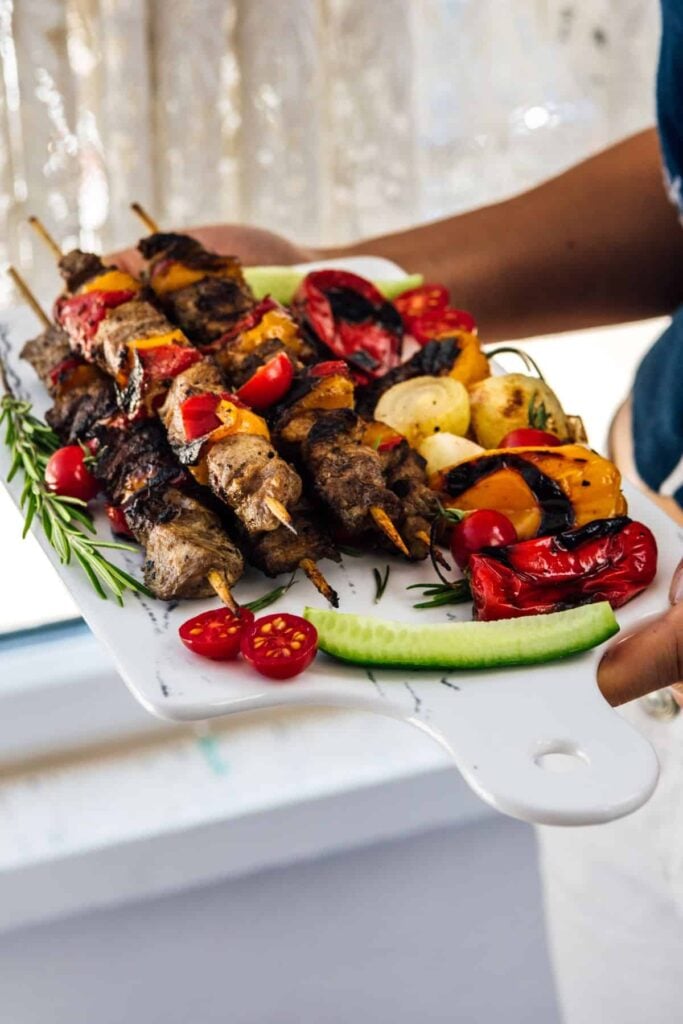
1. Classic Turkish Kebab
Turkish kebab stands as one of the country’s most beloved dishes. You’ll find over 110 types of kebabs across Turkey, each with its own distinct taste and preparation method.
The key to making authentic kebab at home is the marinade. You should use yogurt mixed with olive oil, lemon juice, and garlic to tenderize your meat.
Choose lamb, beef, or chicken based on your preference. Let your meat marinate for at least one hour before grilling.
This breaks down the fibers and brings out rich flavors. Most recipes use simple spices like cumin, paprika, and coriander that you can find at any grocery store.

2. İmam Bayıldı (Stuffed Eggplant)
İmam Bayıldı is a classic Turkish dish that features roasted eggplants stuffed with tomatoes, onions, and garlic. The vegetables cook in olive oil until tender.
This plant-based dish originated in the Ottoman Empire. You’ll find it served throughout Turkey as a popular mezze or main course.
Turkish cooks typically slice the eggplants lengthwise and fill them with a mixture of sautéed onions, tomatoes, peppers, and fresh herbs. Everything bakes together until the flavors blend perfectly.

3. Menemen (Turkish Scrambled Eggs)
Menemen is a popular Turkish breakfast dish that combines eggs with tomatoes and peppers in one pan. You cook the vegetables first, then scramble the eggs right into the mixture.
The dish comes together in about 20 minutes. You’ll need tomatoes, green peppers, and eggs as the main ingredients.
Some recipes add onions for extra flavor. Serve your menemen with crusty bread to soak up the sauce.
It works well for breakfast, lunch, or dinner. The eggs should stay soft and slightly runny when done.

4. Mercimek Çorbası (Lentil Soup)
Mercimek Çorbası is one of Turkey’s most popular soups. You’ll find it served in homes and restaurants across the country, especially during winter and Ramadan.
This soup uses red lentils as its base. The lentils cook quickly and create a smooth, creamy texture without much effort.
You make it by cooking red lentils with onions, carrots, and basic spices like cumin. Some recipes add tomato paste or garlic for extra flavor.
The soup can be vegan if you skip dairy toppings. The dish is ready in about 30 minutes, making it perfect for busy weeknights.

5. Bulgur Pilaf
Bulgur pilaf is a staple in Turkish cooking that you can make in under 30 minutes. You cook cracked wheat with onions, peppers, and tomato paste until the grains turn fluffy and slightly chewy.
This dish works well as a side for grilled meats, fish, or vegetables. Traditional recipes use butter and olive oil, though you can adjust the amount to your preference.
The pilaf gets its signature red color from tomato or red pepper paste. You’ll find it served alongside yogurt and pickles throughout Turkey.

6. Ezogelin Soup
Ezogelin soup is a classic Turkish dish you’ll find in restaurants throughout Turkey. This red lentil soup gets its unique character from bulgur and rice, which create a hearty texture.
The soup comes from the Gaziantep region in southeastern Turkey. You’ll taste aromatic spices and herbs that make it different from basic lentil soups.
The combination of red lentils, bulgur, and rice makes this soup filling and comforting, perfect for any day of the week.

7. Sigara Böreği (Cheese Rolls)
Sigara Böreği are crispy Turkish pastries shaped like thin cigars. You’ll find them filled with feta cheese, fresh herbs like parsley, and sometimes mozzarella for extra creaminess.
The rolls use thin phyllo dough wrapped around the cheese filling. They’re fried until golden brown and crunchy on the outside while staying soft inside.
You can serve these cheese rolls as an appetizer or snack. They work well on a meze platter or at breakfast.
Enjoy them warm with yogurt for dipping.

8. Hünkâr Beğendi (Sultan’s Delight)
This classic Ottoman dish combines two layers of rich flavors. You start with tender lamb stew cooked in a tomato base.
The meat sits on top of a creamy eggplant puree mixed with béchamel sauce and cheese. The name means “Sultan’s Delight” in Turkish.
The dish dates back several hundred years to the Ottoman Empire. You roast the eggplants first to get a smoky flavor, then blend them into a smooth sauce.

9. Kısır (Turkish Bulgur Salad)
Kısır is a fresh bulgur salad that requires no cooking and comes together in under 30 minutes. You make it by soaking fine bulgur wheat and mixing it with tomato paste, olive oil, and pomegranate molasses.
The salad includes fresh herbs like parsley and aromatic ingredients that give it bold flavor. It’s similar to tabbouleh but uses more bulgur as the base.
You can serve Kısır as a meze, side dish, or light lunch. It works well for meal prep and stays fresh in your fridge for several days.

10. Baklava
Baklava is one of Turkey’s most famous desserts. You’ll find it made with thin layers of phyllo dough, butter, and nuts like pistachios or walnuts.
The pastry bakes until golden and crispy, then you soak it in a sweet syrup made from sugar, water, and lemon juice. The result is a rich, flaky dessert that’s both crunchy and sweet.
While baklava takes some patience to make, the simple ingredients come together into something special. You can make it at home or find it in Turkish bakeries and restaurants.
Essential Ingredients in Turkish Cuisine
Turkish cooking relies on warm spices like cumin and sumac, creamy dairy products such as yogurt, and fresh vegetables including eggplant and tomatoes. These ingredients create the distinct flavors that define Turkish dishes.
Spices and Herbs
Turkish cuisine uses a specific set of spices that give dishes their signature taste. Cumin adds an earthy warmth to meat dishes and stews.
Sumac provides a tangy, lemony flavor that works well in salads and rice dishes. Red pepper flakes appear in almost every Turkish kitchen.
You’ll find them sprinkled on yogurt dishes, mixed into meat preparations, and used as a table condiment. Paprika adds both color and mild heat to many recipes.
Fresh herbs play an important role in Turkish cooking. Parsley is the most common herb, used generously in salads, meat dishes, and as a garnish.
Mint appears in both fresh and dried forms, especially in yogurt-based dishes and teas. Dill adds a fresh note to vegetable dishes and rice preparations.
Dairy and Grains
Yogurt stands as one of the most important ingredients in Turkish cuisine. You’ll use it as a side dish, a cooking ingredient, and a base for sauces.
Turkish cooks mix yogurt with garlic to create a topping for meat dishes and vegetables. Bulgur wheat serves as a staple grain alongside rice.
This cracked wheat cooks quickly and provides a nutty flavor to pilafs and salads. Rice appears in stuffed vegetables, pilafs, and as a side dish for main courses.
Olive oil is essential for cooking and flavoring dishes. Turkish recipes use it for sautéing vegetables, making salads, and preparing cold dishes.
Staple Vegetables
Eggplant is one of the most versatile vegetables in Turkish cooking. You can grill it, stuff it, or roast it for different dishes.
Turkish cooks use eggplant in everything from main courses to dips. Tomatoes and peppers form the base of many Turkish dishes.
Fresh tomatoes appear in salads and cooked dishes, while tomato paste adds depth to stews and sauces. Bell peppers work well for stuffing, and long green peppers are often roasted or fried.
Onions and garlic enhance the flavor of nearly every Turkish dish. You’ll find them in meat recipes, vegetable preparations, soups, and sauces.
Traditional Cooking Methods
Turkish cooking relies on three main techniques that bring out deep flavors in simple ingredients: gentle heat over long periods, direct flame cooking, and the unique properties of stone ovens.
Slow Simmering
Slow simmering forms the foundation of many Turkish dishes. You cook ingredients over low heat for extended periods, which allows flavors to blend together naturally.
This method works especially well for stews and soups. You’ll start by browning meat or vegetables in a heavy pot, then add liquids and reduce the heat to barely a bubble.
The low temperature breaks down tough cuts of meat into tender pieces while vegetables release their natural sugars.
Common dishes using this method:
- Turkish bean stew (kuru fasulye)
- Lamb stew (kuzu güveç)
- Lentil soup (mercimek çorbası)
You should plan for cooking times between one to three hours. The pot should maintain a gentle simmer where small bubbles occasionally rise to the surface.
Stir only occasionally to prevent sticking without disrupting the cooking process.
Grilling Techniques
Turkish grilling happens over charcoal or wood fires that reach high temperatures. The smoke from these natural fuels adds distinct flavor that gas grills cannot match.
You’ll find two main grilling styles in Turkish cooking. The first uses flat metal skewers for kebabs, where you thread marinated meat pieces and cook them directly over flames.
The second involves cooking whole pieces of meat or vegetables on grates above the coals. The key is managing distance from the heat source.
You keep items close to the flames initially to create a charred exterior, then move them higher to finish cooking through. This prevents burning while ensuring the inside reaches proper temperature.
Baking in Stone Ovens
Stone ovens maintain steady, even heat that creates unique textures in breads and pastries. These dome-shaped ovens reach temperatures between 500-700°F.
The stone surface absorbs moisture from dough, creating crispy bottoms on flatbreads like pide. Heat radiates from all sides at once, cooking food evenly without hot spots.
You can bake multiple items simultaneously because the temperature stays consistent throughout the cooking chamber. Traditional bakers heat these ovens for hours before use.
The thermal mass of the stone holds heat long after the fire dies down, letting you bake for extended periods on residual warmth alone.
Frequently Asked Questions
Turkish cooking involves familiar ingredients like eggplant, lentils, and bulgur wheat combined with spices and techniques that create distinct Mediterranean and Middle Eastern flavors. Most traditional dishes work well in home kitchens with standard equipment.
What are some classic Turkish dinner dishes that I can try at home?
Turkish kebabs are a standard dinner choice that you can make with ground or cubed meat seasoned with spices like cumin and paprika. You can grill them on skewers or cook them in a pan.
İmam Bayıldı features roasted eggplants stuffed with tomatoes, onions, and garlic cooked in olive oil. This dish works as a main course or side dish and tastes good warm or at room temperature.
Bulgur pilaf offers a simple grain-based option that pairs well with most Turkish main dishes. You cook bulgur wheat with onions, tomatoes, and butter or oil until the grains are tender.
Where can I find authentic Turkish recipes with original flavors?
You can find authentic Turkish recipes on dedicated Turkish cuisine websites that focus on traditional cooking methods. These sites often include cultural background and tips for getting flavors right.
Cookbooks written by Turkish authors or chefs with Turkish heritage typically provide recipes that stay true to original preparations. Look for books that explain ingredient substitutions when certain items are hard to find.
Food blogs run by people with Turkish family backgrounds often share recipes passed down through generations. These sources usually include personal notes about how dishes should taste and look.
What are the most popular Turkish foods often recommended?
Mercimek çorbası (lentil soup) appears on most Turkish restaurant menus and home tables. You make it with red lentils, onions, and basic spices, then blend it smooth.
Menemen combines eggs with tomatoes, peppers, and spices in a scrambled style. People eat it for breakfast or light meals with bread.
Kebabs in various styles remain the most recognized Turkish food worldwide. Stuffed vegetables like eggplant and peppers also rank high in popularity.
Can you suggest a comprehensive book for Turkish cuisine recipes?
Look for cookbooks that cover multiple categories including soups, main dishes, sides, and desserts. Books with at least 30-50 recipes give you enough variety to understand Turkish cooking patterns.
Choose books that explain basic techniques like preparing bulgur, working with eggplant, and mixing spice blends. Step-by-step photos or detailed instructions help when you learn new methods.
Books that include ingredient guides and substitution suggestions help if you don’t live near Turkish grocery stores.
What are some Turkish chicken recipes that are favorites among food lovers?
Turkish chicken kebabs use boneless chicken pieces marinated in yogurt, lemon juice, and spices before grilling. The yogurt makes the meat tender while the spices add flavor.
You can make chicken şiş by threading marinated chicken onto skewers with vegetables. This preparation works on a grill or in an oven.
Tavuk güveç is a chicken stew cooked with vegetables in a clay pot or regular pot. The dish includes tomatoes, peppers, and onions with warm spices.
How can I prepare Turkish main courses suitable for vegetarians?
İmam Bayıldı serves as a complete vegetarian main dish with its stuffed eggplant base. The combination of vegetables and olive oil adds substance without meat.
Bulgur pilaf works as a filling main course when you add extra vegetables like chickpeas, tomatoes, and peppers. You can include nuts for added protein and texture.
Mercimek çorbası provides protein from lentils. Serve it with bread and side dishes to make the meal more substantial.