
Turkish cuisine brings together flavors from both Europe and Asia to create dishes that are simple to make yet full of taste. You can learn to prepare these authentic meals in your own kitchen using fresh ingredients and straightforward methods.
This collection of Turkish recipes will guide you through making classic dishes like kebabs, soups, salads, and pastries that Turkish families have enjoyed for generations. You will discover the key ingredients and techniques that give Turkish food its unique character.
Each recipe helps you create restaurant-quality results at home without needing special equipment or hard-to-find items.
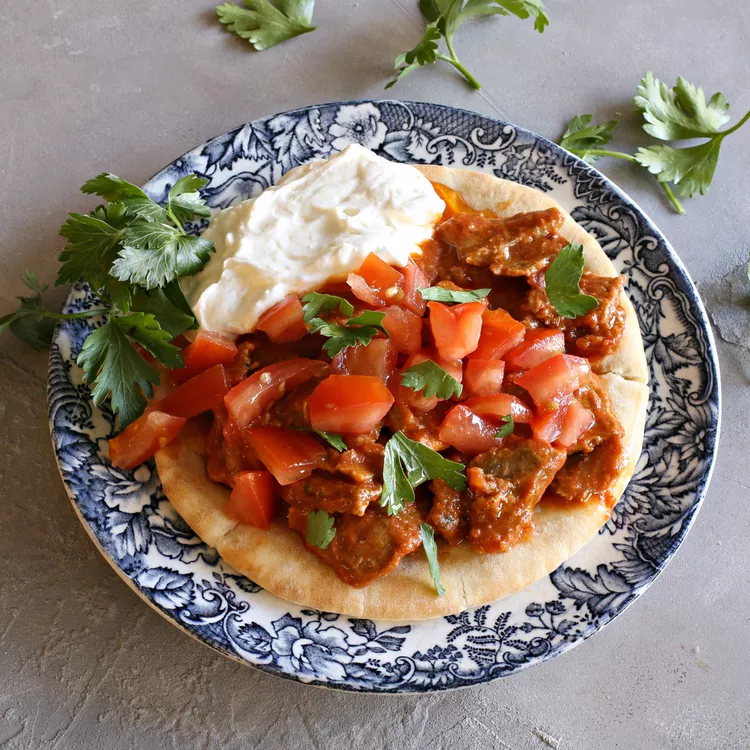
1. İskender Kebab
İskender Kebab stands as one of Turkey’s most famous dishes. You’ll find thinly sliced döner meat served over pieces of pide bread, covered in tomato sauce and melted butter.
A side of creamy yogurt completes the plate. İskender Efendi created the dish in the 19th century in Bursa.
You can make this restaurant-style kebab at home using lamb or beef. The bread soaks up the meat juices and rich sauce, creating layers of flavor in every bite.
Grilled peppers and tomatoes often accompany the dish.

2. Mercimek Çorbası (Lentil Soup)
You’ll find this red lentil soup in nearly every Turkish home and restaurant. It’s a simple dish made with red lentils, onions, carrots, and basic spices.
The soup cooks in about 30 minutes because red lentils break down quickly. You blend it until smooth and creamy.
Many people finish it with a drizzle of butter or olive oil mixed with paprika or Aleppo pepper. You can serve it with fresh lemon wedges and crusty bread.
It’s naturally vegan if you skip the butter garnish.

3. Börek with Cheese and Spinach
Börek is a Turkish savory pastry that combines flaky phyllo dough with a rich filling. The spinach and cheese version is one of the most popular types you’ll find in Turkey.
The filling typically includes fresh spinach, feta cheese, and sometimes cheddar. You layer these ingredients between thin sheets of phyllo dough, then bake until golden and crispy.
This dish works well for breakfast, brunch, or as an appetizer. The contrast between the crispy pastry and creamy filling makes it satisfying to eat.
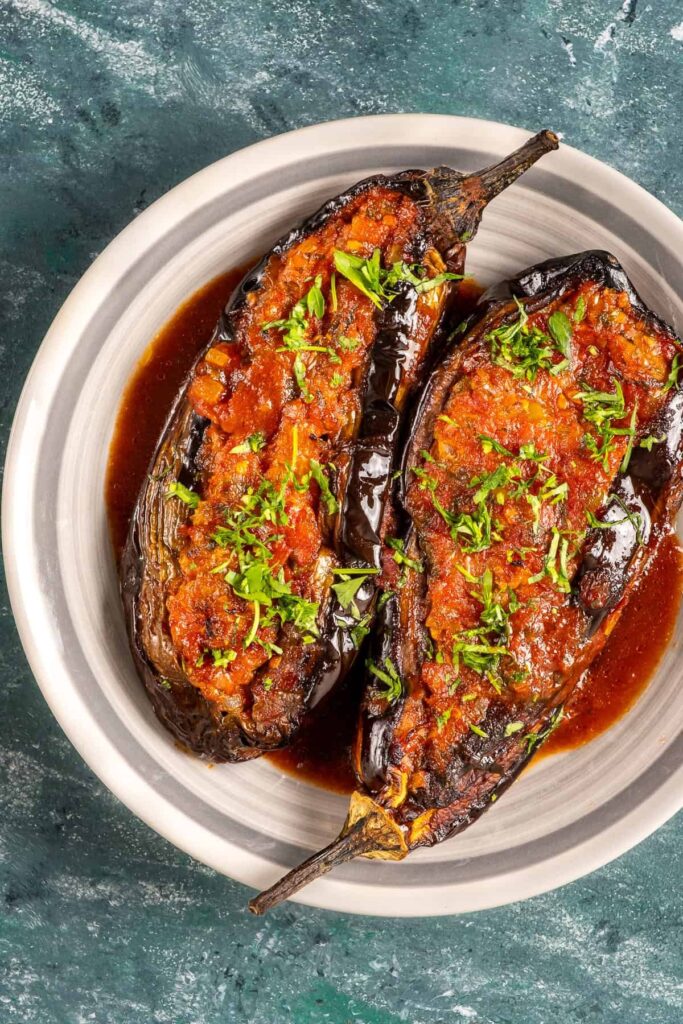
4. Imam Bayildi (Stuffed Eggplant)
Imam Bayildi is a classic Turkish dish featuring tender eggplants stuffed with tomatoes, onions, and garlic. The eggplants are cooked in olive oil until they become soft and silky.
This vegetarian recipe belongs to the zeytinyağlı category of Turkish cooking, which focuses on olive oil-based dishes. You can serve it at room temperature as an appetizer or as a main course with rice and salad.
The eggplant absorbs the aromatic filling during cooking, giving the dish its rich flavor.

5. Çoban Salata (Shepherd’s Salad)
Çoban Salata is Turkey’s most popular salad. You’ll find it served with almost every meal across the country.
This fresh vegetable salad combines diced tomatoes, cucumbers, green peppers, and onions. Fresh parsley adds a bright flavor.
The simple dressing uses olive oil, lemon juice, salt, and pepper. You can make this salad in just 5 to 15 minutes.
It works perfectly as a side dish during summer when vegetables are at their best. The crunchy texture and tangy taste pair well with grilled meats and other Turkish dishes.

6. Adana Kebab
Adana kebab is a spicy ground meat dish that comes from southern Turkey. You make it with lamb or a mix of lamb and beef, along with red pepper and simple spices like Aleppo chili and garlic.
Shape the meat onto flat skewers and grill it over hot coals. This gives it a smoky flavor and juicy texture.
You’ll typically serve it with flatbread, grilled vegetables, and fresh herbs. The combination of spicy meat and cooling sides makes this kebab a favorite Turkish meal.

7. Simit (Turkish Sesame Bagel)
Simit is a golden, sesame-covered bread ring that you’ll find everywhere in Turkey. It’s crispy on the outside and soft on the inside, making it perfect for breakfast or a quick snack.
You can enjoy it plain with Turkish tea or slice it in half to make a sandwich. Dip the bread in molasses before coating it in sesame seeds, which gives it a slightly sweet and nutty taste.
This Turkish street food is surprisingly easy to make at home with basic ingredients. It’s similar to a bagel but has its own unique texture and flavor.

8. Kısır (Bulgar Salad)
Kısır is a staple Turkish bulgur salad that requires no cooking. Soak fine bulgur wheat and mix it with tomato paste, pomegranate molasses, olive oil, and fresh herbs.
The dish comes together in under 30 minutes. You’ll find it has a slightly spicy, tart, and sweet flavor with a chewy texture.
This salad works well as a meze, side dish, or light meal. You can prepare it ahead of time since the flavors get better as it sits.

9. Hünkar Beğendi (Sultan’s Delight)
Hünkar Beğendi translates to “The Sultan Liked It,” and this Ottoman dish lives up to its royal name. You’ll find tender lamb stew served over a creamy eggplant puree mixed with cheese and béchamel sauce.
The dish dates back about 150 years to the Ottoman palace kitchens. Roast the eggplant until smoky, then blend it into a smooth base that perfectly complements the rich lamb.

10. Ezogelin Soup
Ezogelin soup is one of Turkey’s most popular soups. You’ll find it in almost every restaurant that serves home-cooked meals.
This red lentil soup combines bulgur, rice, and aromatic spices to create a hearty dish. The texture sets it apart from other Turkish lentil soups.
The recipe comes from the Gaziantep region in southeastern Turkey. It’s nutritious and packed with fiber and protein.
You can make this comforting soup at home with simple ingredients. It’s perfect for cold days when you want something warm and filling.
Key Ingredients in Turkish Cuisine
Turkish cooking relies on a handful of core ingredients that appear across most recipes. You’ll find the same spices, grains, and dairy products used throughout the country’s diverse regional dishes.
Essential Spices and Herbs
Cumin stands out as one of the most important spices in Turkish cooking. You’ll use it in meat dishes, stews, and vegetable preparations to add earthy warmth.
Red pepper flakes (pul biber) and paprika appear in nearly every Turkish kitchen. These peppers range from sweet to moderately hot.
You can sprinkle them on finished dishes or cook them into sauces and marinades. Sumac provides a tangy, lemony flavor to salads and meat dishes.
This dark red spice comes from dried berries and adds brightness without liquid. Fresh herbs play an equally important role.
Parsley and mint appear in salads, rice dishes, and as garnishes. Dill shows up in yogurt sauces and vegetable dishes.
Black pepper, cinnamon, and allspice round out the spice cabinet. You’ll find cinnamon in both savory rice dishes and sweet desserts.
Staple Grains and Legumes
Bulgur wheat serves as the foundation for many Turkish meals. You can use it in pilafs, salads like kisir, and stuffed vegetables.
It cooks quickly and comes in different grain sizes. Rice appears at nearly every Turkish table.
Long-grain white rice works best for pilafs. You’ll often cook it with butter or oil and sometimes add vermicelli noodles.
Lentils show up in soups, stews, and side dishes. Red lentils cook fastest and break down into creamy textures.
Green and brown lentils hold their shape better. Chickpeas are used in stews, salads, and rice dishes.
You can buy them dried or canned. White beans also appear frequently in Turkish cooking, especially in northern regions.
Popular Dairy Products
Yogurt is the most essential dairy product in Turkish cuisine. You’ll eat it plain, mix it into sauces, or use it as a topping for hot dishes.
Turkish yogurt tends to be thicker and more tangy than Western varieties. White cheese (beyaz peynir) resembles feta but has a milder flavor.
You’ll find it at breakfast tables, in pastries, and crumbled over salads. Butter and clarified butter add richness to rice dishes and are poured over finished meals.
Many Turkish cooks prefer butter over olive oil for certain traditional recipes. Kaymak is a thick clotted cream served with desserts and breakfast foods.
It has a rich, slightly sweet taste and smooth texture.
Traditional Cooking Techniques
Turkish cooking relies on two essential methods that create the signature flavors found in authentic dishes. Low and slow cooking develops rich, complex tastes in stews, while high-heat grilling produces charred, smoky meats.
Slow Simmering and Stews
Turkish stews require patience and gentle heat to achieve their characteristic depth of flavor. Cook these dishes over low temperatures for extended periods, allowing the ingredients to break down naturally and blend together.
This technique works best with tougher cuts of meat that become tender through long cooking times. The connective tissues dissolve into the sauce, creating a thick, flavorful base.
Maintain a gentle simmer rather than a rolling boil to prevent the meat from toughening. Common stews use this method with ingredients like:
- Lamb or beef chunks
- Root vegetables (carrots, potatoes)
- Tomatoes and peppers
- Dried beans and legumes
The slow cooking process also lets spices penetrate deeper into the food. Prepare these dishes on your stovetop or in an oven set to low heat.
Many Turkish families cook their stews for two to three hours to achieve the best results.
Grilling Over Open Flames
Turkish grilling involves cooking meat directly over hot charcoal or wood fires. This method creates the smoky, charred exterior that defines dishes like kebabs and köfte.
You need high, direct heat to sear the outside of the meat quickly while keeping the inside juicy. Turkish cooks often use metal skewers to hold meat pieces over the flames, rotating them regularly for even cooking.
The most common grilled items include:
- Ground meat kebabs (köfte)
- Cubed lamb or chicken (shish kebab)
- Whole fish
- Vegetables like eggplant and peppers
Position your meat close to the heat source for a proper char. The intense temperature caramelizes the meat’s surface, creating distinct flavor compounds.
Traditional Turkish grills use natural charcoal, which adds a subtle smokiness to the food.
Frequently Asked Questions
Turkish cooking involves simple techniques and widely available ingredients, making these dishes accessible for home cooks at any skill level. Most recipes use fresh vegetables, grains, and aromatic spices that you can find at regular grocery stores.
What are some traditional Turkish dinner recipes?
İskender Kebab stands out as a classic Turkish dinner option. This dish features thin slices of lamb or beef served over pita bread with tomato sauce and melted butter.
You pour yogurt on the side to balance the rich flavors. Imam Bayildi offers another traditional choice for dinner.
You stuff eggplants with onions, garlic, and tomatoes, then bake them until tender. Börek with cheese and spinach works well as a main course for dinner.
You layer thin pastry sheets with the filling, then bake until golden and crispy.
Can you provide Turkish main dish recipes that are easy for beginners?
Mercimek Çorbası requires only red lentils, onions, carrots, and basic spices. Simmer everything together and blend until smooth.
This soup takes about 30 minutes from start to finish. Çoban Salata needs no cooking at all.
Chop tomatoes, cucumbers, onions, and peppers into small pieces. Then dress them with olive oil and lemon juice.
Börek becomes easy when you use store-bought phyllo dough. Simply layer the sheets with your filling and bake.
The pastry turns crispy without requiring advanced cooking skills.
Where can I find authentic Turkish chicken dishes?
Many Turkish recipes use chicken in kebabs and stews. You can marinate chicken pieces in yogurt and spices, then grill them on skewers.
Tavuk Şiş is one popular version of this preparation. Turkish chicken dishes also appear in casseroles and rice dishes.
You cook chicken with vegetables and serve it over pilaf. Most recipes call for common spices like paprika, cumin, and black pepper.
What vegetarian options are available in Turkish cuisine?
Imam Bayildi is completely vegetarian and features eggplant as the star ingredient. The dish contains no meat but still provides filling and satisfying flavors.
Mercimek Çorbası uses only plant-based ingredients. Red lentils provide protein while vegetables add nutrients and taste.
Çoban Salata consists entirely of fresh vegetables. You get a healthy meal without any animal products.
Turkish cuisine also offers other vegetable-based dishes like stuffed peppers and grape leaves.
How can I prepare Turkish meals if I only speak English?
Most Turkish recipes appear in English with clear instructions. You can find measurements in cups and tablespoons rather than metric units.
Many websites and cookbooks translate traditional recipes for English-speaking cooks. The ingredients use common English names you recognize from your regular grocery store.
You don’t need to learn Turkish terms to follow the recipes. When a dish keeps its Turkish name like İskender Kebab, the recipe still explains everything in English.
Which popular Turkish foods should I try making at home?
İskender Kebab gives you an authentic taste of Turkish cuisine. The combination of meat, bread, sauce, and yogurt creates a complete meal.
You can adjust the spice level to match your preferences.
Mercimek Çorbası works well as a first Turkish recipe to try. The simple ingredient list and quick cooking time make it approachable.
This soup appears on tables throughout Turkey every day.
Börek impresses guests but doesn’t require expert skills. You achieve flaky, golden layers that look professional.
The cheese and spinach filling appeals to most palates.