
Turkish cuisine brings together bold spices, fresh ingredients, and cooking methods passed down through generations. Whether you’re new to Turkish food or already familiar with its flavors, these recipes give you a simple way to make authentic dishes at home.
These recipes cover everything from hearty meat dishes and warming soups to fresh vegetables and sweet desserts, all using ingredients you can find at your local grocery store. You’ll learn how to make traditional breakfast foods, classic breads, and popular main courses that Turkish families enjoy every day.
The recipes also include helpful tips and information about key ingredients that make Turkish cooking unique.
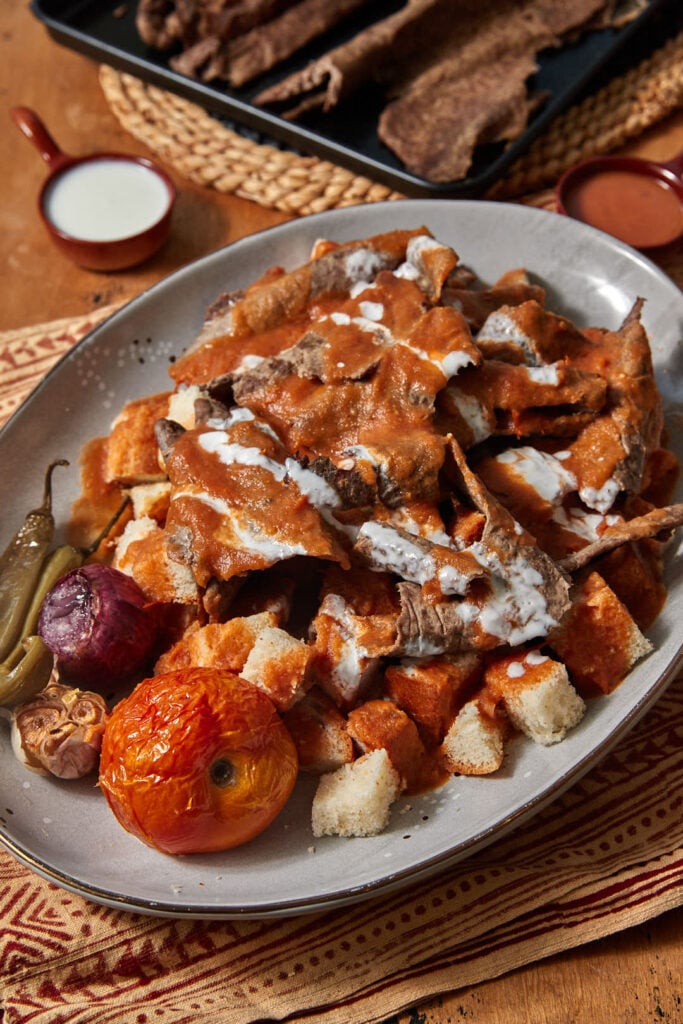
1. Iskender Kebab
Iskender Kebab stands as one of Turkey’s most famous dishes. İskender Efendi created it in Bursa during the late 1800s, changing Turkish cooking forever.
The dish combines thin slices of meat with a rich tomato sauce served over toasted pita bread. Melted butter and creamy yogurt go on top.
The mix of flavors creates a satisfying meal that remains popular today. You can make this dish at home with beef or chicken, depending on your taste.

2. Mercimek Köftesi (Lentil Balls)
Mercimek köftesi is a classic Turkish appetizer you’ll find at most gatherings. These lentil balls combine red lentils and fine bulgur with fresh herbs and spices.
The dish is completely vegan and easy to prepare. You cook red lentils until soft, then mix them with bulgur, tomato paste, and seasonings like cumin and Aleppo pepper.
Fresh parsley and green onions add brightness to the mixture. Shape the combination into small cylinders or balls and chill them before serving.
These lentil balls taste great wrapped in lettuce leaves with a squeeze of lemon juice.

3. Bulgur Pilaf
Bulgur pilaf is a classic Turkish side dish made from cracked wheat. It cooks quickly and offers a healthy alternative to rice or bread.
You’ll need coarse bulgur wheat, onions, and tomato paste as your base ingredients. Many recipes also include peppers and garlic for extra flavor.
The dish comes together in about 30 minutes on your stovetop. Traditional versions use olive oil and butter, but you can adjust the amount based on your preferences.
Serve it alongside grilled meats, fish, or vegetables for a complete meal.

4. Menemen (Turkish Scrambled Eggs)
Menemen is a classic Turkish breakfast dish that combines scrambled eggs with tomatoes and peppers. You cook everything together in one pan, making it simple to prepare.
The dish comes together in about 20 minutes. Start by cooking peppers and tomatoes until soft, then add eggs and scramble them gently.
Some recipes include onions for extra flavor. Serve menemen with crusty bread to soak up the sauce.
Many people enjoy it with cheese and olives on the side for a complete Turkish breakfast experience.

5. Imam Bayildi (Stuffed Eggplant)
Imam Bayildi is a classic Turkish dish that features eggplants stuffed with tomatoes, onions, and garlic. The vegetables cook slowly in olive oil until the eggplant becomes soft and tender.
You can serve this vegetarian dish as an appetizer or as a main course with rice or salad. The eggplant soaks up the flavors from the filling as it bakes.
The dish comes from Ottoman palace kitchens and remains popular throughout Turkey today. It works well for introducing eggplant to people who haven’t tried it before.

6. Simit (Turkish Bagel)
Simit is a popular Turkish street food that looks like a sesame-covered bagel. The bread has a crispy, golden exterior and a soft, chewy center.
You’ll taste a slightly sweet, nutty flavor from the sesame seeds and molasses coating. Turkish people enjoy simit for breakfast with tea or as a quick snack throughout the day.
You can eat it plain while it’s still warm, or slice it in half to make a sandwich. The recipe uses basic ingredients and is easier to make at home than you might think.

7. Kuzu Tandir (Slow-Roasted Lamb)
Kuzu Tandir is a traditional Turkish dish where lamb cooks slowly until it becomes incredibly tender. The name comes from “kuzu” (lamb) and “tandir” (a clay oven cooking method).
You marinate the lamb with garlic, herbs, and olive oil before roasting it for several hours. The slow cooking process makes the meat fall off the bone.
This dish dates back to Ottoman times and remains popular for special occasions. Serve it with rice pilaf or roasted vegetables for a complete meal.

8. Ezogelin Soup
Ezogelin soup is one of Turkey’s most popular comfort foods. You’ll find it in nearly every restaurant that serves traditional Turkish meals.
This hearty soup combines red lentils, bulgur, rice, and aromatic spices in a rich tomato broth. The texture is thicker than typical lentil soups because of the bulgur and rice.
The soup comes from Gaziantep in southeastern Turkey. It offers warm, satisfying flavors perfect for any day of the week.

9. Pide (Turkish Flatbread)
Pide is a boat-shaped flatbread that holds a special place in Turkish cuisine. You’ll recognize it by its raised edges and soft, chewy dough made with yeast.
The flatbread works as either a main dish or appetizer. You can fill it with various toppings like spiced ground meat, cheese, vegetables, or Turkish sausage called sucuk.
When you bake pide, it comes out with crispy edges and a fluffy center. The oval shape creates a natural holder for your chosen fillings, making it easy to eat and serve.

10. Baklava
Baklava is a classic Turkish dessert made with thin layers of phyllo dough, butter, and pistachios or walnuts. You top it with a sweet syrup made from sugar, water, and lemon juice.
The dessert has roots in the Ottoman Empire. Each crispy, golden piece delivers a perfect mix of nutty and sweet flavors.
You can make baklava at home with some patience and basic ingredients. The flaky layers and aromatic syrup create a rich treat that works well for special occasions or when you want an authentic Turkish dessert.
Essential Ingredients in Turkish Cuisine
Turkish cooking relies on warm, earthy spices and a well-stocked pantry of grains, oils, and aromatics. These ingredients create the foundation for countless traditional dishes.
Key Herbs and Spices
Turkish cuisine uses a distinct set of spices that give dishes their characteristic warmth and depth. Cumin appears in meat dishes and stews, while sumac adds a tangy, lemony flavor to salads and grilled meats.
You’ll find red pepper flakes (pul biber) in nearly every Turkish kitchen, offering a mild heat that’s less intense than cayenne. Mint is essential in both fresh and dried forms.
Fresh mint brightens yogurt-based dishes and salads. Dried mint flavors soups and meat preparations.
Paprika provides color and mild sweetness to many recipes. Black pepper and cinnamon show up in both savory and sweet dishes.
Za’atar, a Middle Eastern spice blend, adds complexity to breads and dips.
Staple Items Found in Turkish Pantries
Bulgur wheat serves as a base for pilafs and salads, particularly in traditional dishes like kisir. Rice accompanies most main courses and fills vegetables for dolma.
Olive oil is the primary cooking fat used throughout Turkish kitchens. You’ll need it for everything from sautéing vegetables to drizzling over finished dishes.
Onions and garlic form the flavor base for most savory recipes. Tomato paste adds richness to sauces and stews.
Pomegranate molasses brings a sweet-tart element to marinades and dressings. Your pantry should include chickpeas, lentils, and white beans for soups and side dishes.
Yogurt is crucial for both cooking and serving alongside meals.
Tips for Cooking Authentic Turkish Dishes
Success with Turkish cooking depends on using the right techniques and finding quality ingredients. These two elements help you create dishes that taste genuine and capture the true character of Turkish cuisine.
Traditional Preparation Methods
Turkish cooking relies on specific techniques passed down through generations. You need to master a few key methods to get authentic results.
Slow cooking is central to many Turkish dishes. Stews and braises should simmer gently for long periods to develop deep flavors.
This patience allows meats to become tender and spices to blend properly. Layering flavors happens throughout the cooking process.
You should toast spices before adding them to dishes. Sauté onions until golden before adding other ingredients.
This builds complexity in each recipe. Hand techniques matter in Turkish cooking.
Knead dough thoroughly for breads like pide. Roll meatballs for köfte between your palms to create the right texture.
Shape böreks carefully to seal in fillings. Heat control requires attention.
Use medium heat for most cooking rather than high temperatures. This prevents burning and allows ingredients to cook evenly.
Grill meats over charcoal when possible for authentic flavor.
Sourcing Quality Ingredients
The ingredients you choose directly affect how your Turkish dishes will taste. Finding the right products makes a clear difference in your final results.
Olive oil should be high-quality and used generously. Turkish recipes often call for more oil than you might expect.
Choose extra virgin varieties for the best flavor. Spices and herbs need to be fresh.
Sumac, cumin, paprika, and dried mint appear frequently. Buy whole spices when possible and grind them yourself.
Replace dried spices every six months. Yogurt must be full-fat and unstrained for most recipes.
Greek yogurt works for strained yogurt dishes. Turkish or Middle Eastern markets often carry authentic brands.
Bulgur wheat, Turkish red pepper flakes (pul biber), and pomegranate molasses are specialty items you can find at Middle Eastern stores or online. These ingredients are hard to substitute effectively, so seek out the real versions.
Frequently Asked Questions
Turkish cuisine includes grilled meats like kebabs, vegetable-based dishes such as stuffed eggplant, and recipes that use spices like cumin and paprika. Many recipes work well for beginners, including simple egg dishes and grain-based sides.
What are some classic Turkish main dishes that are perfect for dinner?
Iskender Kebab stands out as a popular dinner option. This dish features thin slices of lamb or beef served over pita bread with tomato sauce and yogurt.
Stuffed eggplant, known as Imam Bayildi, offers another main dish choice. The eggplant is filled with onions, tomatoes, and garlic, then slowly cooked until tender.
Can you recommend vegetarian options within Turkish cuisine?
Mercimek Köftesi provides a meat-free option made from red lentils, bulgur, and spices. These lentil balls are shaped by hand and served cold with lettuce and lemon.
Menemen gives you a vegetarian breakfast or light dinner option. This dish combines eggs with tomatoes, peppers, and onions in a single pan.
Imam Bayildi works as a vegetarian main course. The stuffed eggplant contains no meat and relies on vegetables and olive oil for flavor.
What are the essential spices and seasonings used in traditional Turkish cooking?
Cumin appears in many Turkish recipes, especially in meat dishes and lentil preparations. It adds a warm, earthy flavor to the food.
Red pepper flakes, called pul biber, bring heat to Turkish dishes. Paprika adds color and mild sweetness.
Mint, parsley, and dill serve as the main herbs. Black pepper, salt, and sumac round out the basic spice collection for Turkish cooking.
Could you suggest some easy-to-make Turkish recipes for beginners?
Menemen requires only basic ingredients and one pan. You cook the vegetables first, then add eggs and stir until they reach your preferred texture.
Bulgur Pilaf works as a simple side dish. You cook bulgur wheat with butter, onions, and broth until the grains absorb the liquid.
Mercimek Köftesi needs no cooking after the initial lentil preparation. You mix the cooked lentils with bulgur and spices, then shape them into balls.
Where can I find authentic Turkish recipes for making chicken dishes?
Traditional Turkish cookbooks include recipes for chicken kebabs and grilled chicken dishes. These books often provide instructions for marinades using yogurt, lemon, and spices.
Online Turkish recipe sites feature chicken versions of classic dishes. You can find chicken shish kebab, chicken doner, and chicken with rice pilaf.
What Turkish food recipes are featured in the most popular cookbooks?
Kebab recipes appear in most Turkish cookbooks. These include ground meat kebabs, skewered meat kebabs, and regional variations like Iskender Kebab.
Stuffed vegetables show up regularly in recipe collections. Cookbooks teach you to stuff peppers, tomatoes, and eggplants with rice or meat mixtures.
Turkish cookbooks dedicate sections to pilaf recipes. Bulgur Pilaf and rice pilaf serve as staple side dishes that pair with many main courses.