
Vegan sandwiches offer a world of flavors and textures that work for any meal. You don’t need meat or dairy to create a satisfying sandwich that keeps you full and tastes great.
Plant-based ingredients like chickpeas, tofu, jackfruit, and fresh vegetables can be turned into filling meals that anyone can enjoy. You’ll find options that range from quick wraps to heartier sandwiches with bold flavors.
Each recipe uses ingredients you can find at most grocery stores and can be made in your own kitchen without special skills or equipment.
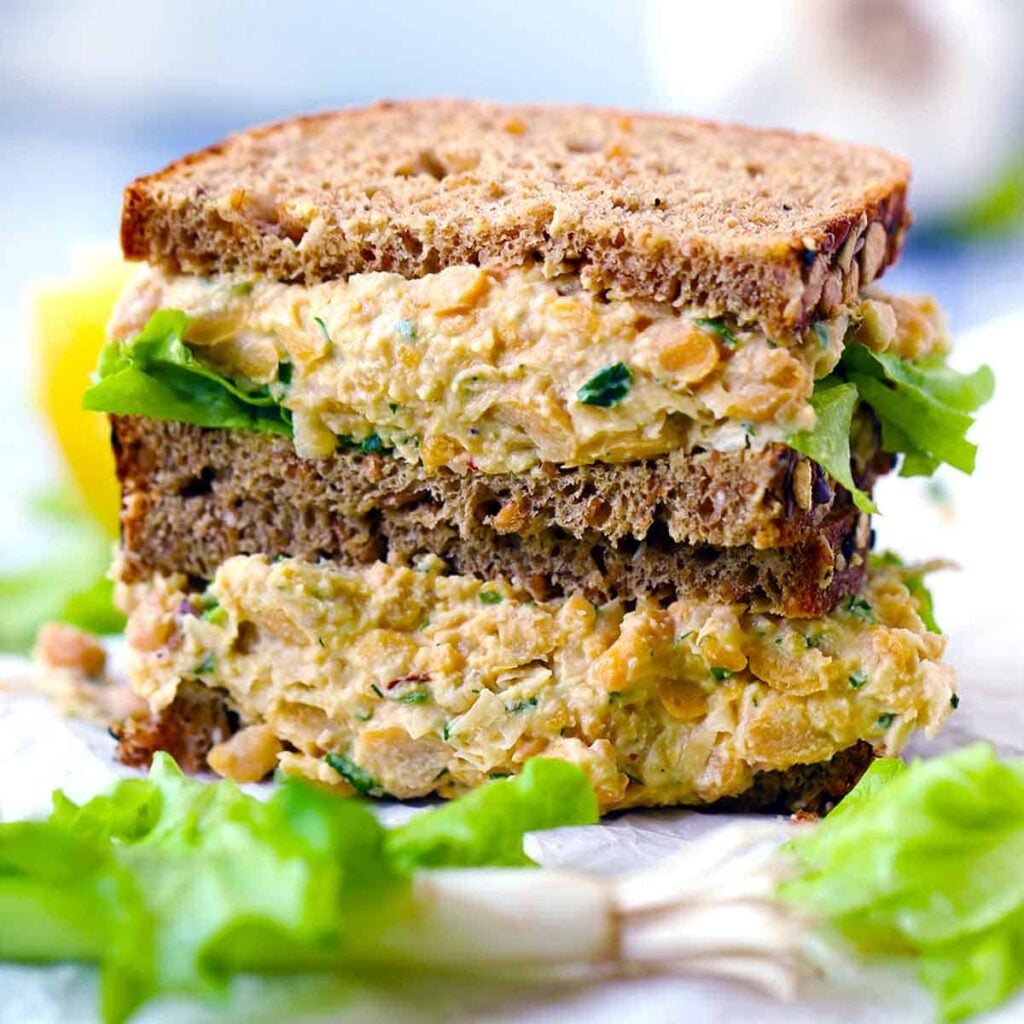
1. Chickpea Salad Sandwich
Chickpea salad sandwiches offer a filling plant-based meal that takes just minutes to make. Mash chickpeas and mix them with mayo, mustard, and chopped vegetables like celery and onions.
The texture is similar to tuna or chicken salad. Chickpeas give you protein and fiber while soaking up the tangy flavors.
Serve it on toasted bread with lettuce and tomato. Add pickles, cucumber, or fresh herbs to customize it.
This sandwich works well for lunch at home or packed for work.
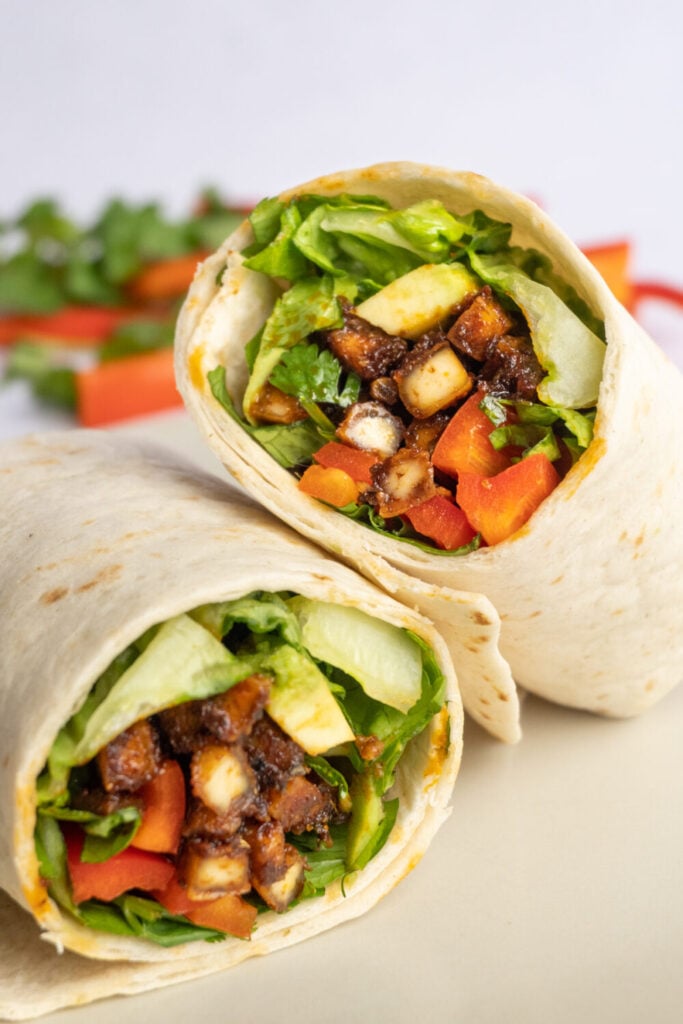
2. Tofu and Avocado Wrap
This wrap combines protein-rich tofu with creamy avocado for a filling lunch option. Pan-sear your tofu until golden or marinate it first for extra flavor.
Add fresh greens like arugula or spinach to boost nutrition. Spread a thin layer of hummus or chipotle mayo on your wrap before adding the fillings.
Include roasted peppers, cucumber, or sprouts based on what you have available. Pack it tight and slice in half for easy eating.

3. Jackfruit BBQ Sandwich
Young jackfruit has a texture that pulls apart like meat when cooked. Shred it with forks and mix it with your favorite BBQ sauce for a plant-based sandwich filling.
The fruit soaks up smoky and tangy flavors well. Cook it with onions, garlic, and spices to add depth.
Serve BBQ jackfruit on a soft bun with coleslaw on top. The creamy slaw balances the sweet and spicy sauce.

4. Grilled Vegetable and Hummus Sandwich
This sandwich combines smoky grilled vegetables with creamy hummus on whole grain bread. Use zucchini, bell peppers, mushrooms, and red onions for the filling.
Grill your vegetables until they get light char marks. Spread a thick layer of hummus on both bread slices.
Stack the warm grilled vegetables on top. You can make this sandwich in about 30 minutes.
It works well for lunch or dinner and gives you plenty of fiber and protein.

5. Vegan BLT with Tempeh Bacon
Enjoy all the classic BLT flavors with tempeh bacon as your plant-based swap. Marinate the tempeh in smoky spices and maple syrup before cooking for a crispy texture and savory taste.
Layer tempeh bacon on toasted bread with fresh lettuce, ripe tomatoes, and vegan mayo. Add avocado if you want extra creaminess.
This sandwich comes together in under 30 minutes.

6. Mushroom and Caramelized Onion Sandwich
This sandwich combines two powerful flavors that work perfectly together. Mushrooms bring a rich, savory taste while the caramelized onions add sweetness.
Use any mushrooms you like, but cremini or button mushrooms work well. Cook them until they’re tender and golden brown.
Caramelize the onions by cooking them low and slow until they turn soft and sweet. This usually takes about 20 to 30 minutes.
Add vegan cheese or a spread like tahini sauce to bring everything together. Serve it on crusty bread or in a pita pocket.

7. Roasted Red Pepper and Basil Pesto Sandwich
This sandwich brings together smoky roasted red peppers with fresh basil pesto. Make your own pesto or use store-bought to save time.
The base works well on sourdough, ciabatta, or whole grain bread. Layer your bread with pesto, then add roasted red peppers and your choice of toppings.
Popular additions include vegan mozzarella, arugula, sliced avocado, and cucumber. Some versions include vegan cream cheese for extra creaminess.
Toast your bread before building the sandwich for better texture.

8. Crispy Chickpea and Spinach Wrap
This wrap brings together protein-rich chickpeas and fresh spinach in minutes. Prepare it for lunch or dinner when you need something quick and filling.
Mash the chickpeas or keep them whole, then mix with greens and wrap in your favorite tortilla. Add toppings like avocado, red onion, or a creamy tahini drizzle to boost the flavor.
Most ingredients are pantry staples. The wrap works well for meal prep since you can make the chickpea filling ahead of time and assemble it when ready to eat.

9. Smoky Lentil and Walnut Loaf Sandwich
Turn leftover lentil walnut loaf into your next favorite lunch. Slice the loaf while it’s cold and layer it between two pieces of bread with your choice of toppings.
Lentils and walnuts create a hearty texture that holds up well in sandwiches. Add lettuce, cucumber, and tomato for crunch and freshness.
Spread mustard or vegan mayo on the bread for extra flavor. The loaf works great in both hot and cold sandwiches.

10. Vegan Caprese with Cashew Cheese
Enjoy a classic caprese sandwich without dairy by using cashew cheese. The creamy cashew spread replaces traditional mozzarella perfectly.
Start with crusty bread or a fresh baguette. Spread garlic cashew cheese on both slices, then layer ripe tomatoes and fresh basil leaves.
Drizzle balsamic reduction over the top for extra flavor. Some recipes add sprouts for a crunchy texture.
Make this sandwich cold or grill it into a panini. The cashew cheese stays creamy and rich either way.
Nutritional Benefits of Vegan Sandwiches
Vegan sandwiches deliver protein, fiber, and healthy fats while providing vitamins and minerals that support your body’s daily functions. The right combination of plant-based ingredients creates meals that match or exceed the nutritional value of traditional sandwiches.
Essential Macronutrients Provided
Your vegan sandwich gives you protein from sources like chickpeas, lentils, black beans, and tofu. A chickpea salad sandwich provides 12-15 grams of protein per serving.
Tempeh offers even more at 16-19 grams per serving.
Key protein sources include:
- Hummus (4-6g per 1/4 cup)
- Black beans (7-8g per 1/2 cup)
- Tofu (8-10g per 3 oz)
- Nut butters (7-8g per 2 tablespoons)
Whole grain bread adds complex carbohydrates that give you steady energy throughout the day. You get 3-5 grams of fiber per slice from whole wheat or sprouted grain options.
Healthy fats come from avocado, nuts, and seeds. These fats help your body absorb vitamins and keep you satisfied longer.
One-quarter of an avocado provides 7 grams of monounsaturated fat.
Vitamins and Minerals to Expect
Plant-based sandwiches loaded with vegetables deliver vitamin C, vitamin K, and folate. Leafy greens like spinach and kale provide iron and calcium.
One cup of raw spinach gives you 181% of your daily vitamin K needs. Tomatoes add vitamin A and potassium.
Bell peppers contain vitamin C—one medium pepper provides 169% of your daily requirement. Whole grain bread contributes B vitamins that support energy metabolism.
Seeds and nuts bring magnesium, zinc, and selenium. Two tablespoons of hemp seeds contain 50% of your daily magnesium needs.
Nutritional yeast adds B12 when fortified, giving you this important nutrient that vegans need to monitor.
Comparing Vegan and Non-Vegan Options
Vegan sandwiches contain zero cholesterol compared to meat and cheese sandwiches that can have 60-100 mg per serving. Your plant-based option typically has less saturated fat—around 2-3 grams versus 8-15 grams in traditional deli sandwiches.
Fiber content is where vegan sandwiches shine. You get 8-12 grams of fiber from beans, vegetables, and whole grains.
A turkey and cheese sandwich usually provides only 2-3 grams.
Sodium levels vary based on your choices. Processed vegan meats can match or exceed deli meat sodium at 400-600 mg per serving.
Fresh vegetable-based fillings keep sodium under 200 mg when you skip salty condiments and cheeses.
Calorie counts stay similar between both options when you use whole food ingredients. A bean-based vegan sandwich ranges from 350-450 calories.
Tips for Crafting Flavorful Vegan Sandwiches
The right bread, creative fillings, and balanced textures transform simple ingredients into satisfying meals. These techniques help you build sandwiches with depth and appeal.
Choosing High-Quality Bread
Your bread choice sets the foundation for taste and structure. Look for fresh loaves with a firm texture that can hold ingredients without getting soggy.
Whole grain breads add nutty flavors and extra nutrients. Sourdough brings a pleasant tang that pairs well with savory fillings.
Ciabatta and focaccia work well when you want something hearty. Check ingredient lists to avoid breads with milk, eggs, or honey.
Many artisan bakeries make naturally vegan options. Store your bread properly by keeping it at room temperature in a paper bag for 2-3 days, or freeze it for longer storage.
Toasting your bread creates a barrier against moisture. This keeps your sandwich from falling apart when you add wet ingredients like tomatoes or spreads.
Creative Plant-Based Fillings
Build flavor with protein-rich ingredients like chickpeas, black beans, lentils, and seasoned tofu. Mash chickpeas with tahini and lemon for a quick salad base.
Marinate tofu in soy sauce and spices before pan-frying. Layer in vegetables with different colors and flavors.
Roasted red peppers add sweetness. Pickled onions bring acidity.
Fresh greens provide a crisp element.
Essential spreads and sauces:
- Hummus (classic, roasted red pepper, or garlic)
- Avocado or guacamole
- Cashew cheese
- Tahini-based dressings
- Pesto without parmesan
- Spicy mayo made from vegan mayo and sriracha
Nuts and seeds add richness. Try almond butter, sunflower seeds, or crushed walnuts for extra depth.
Balancing Texture and Taste
Mix soft and crunchy elements in every sandwich. Pair creamy spreads with crisp lettuce or shredded cabbage.
Add crunch with cucumber slices, sprouts, or toasted nuts. Temperature contrast makes sandwiches more interesting.
Warm grilled vegetables taste better with cool, fresh tomatoes. Hot pressed sandwiches benefit from a layer of fresh greens added after heating.
Season each layer individually. Salt your tomatoes and add pepper to your spreads.
This builds flavor throughout instead of relying on one heavily seasoned component.
Balance flavors by including something salty, something acidic, and something rich in each sandwich. Pickles or lemon juice provide acidity.
Olives or soy sauce add saltiness. Avocado or nut butter brings richness.
Frequently Asked Questions
You can build satisfying vegan sandwiches using common ingredients like chickpeas, tofu, tempeh, and fresh vegetables. Budget-friendly options and make-ahead fillings work well for packed lunches.
What are some easy vegan sandwich fillings?
Chickpea salad makes a simple filling that you can prepare by mashing chickpeas with vegan mayo and seasonings. Use sliced avocado, hummus, grilled vegetables, or seasoned tofu as your base.
Tempeh bacon adds a smoky flavor when you marinate and cook it until crispy. Jackfruit works well for pulled-style sandwiches when you season it with BBQ sauce.
Bean spreads like black bean paste or white bean mash give you protein-rich options that stick together easily.
Where can I find a collection of top-rated vegan sandwich recipes?
Many plant-based cooking websites offer collections of tested vegan sandwich recipes. You can find detailed recipes for chickpea salad sandwiches, tofu wraps, and jackfruit BBQ sandwiches on dedicated vegan cooking sites.
Food blogs often group their most popular sandwich recipes together in roundup articles. Recipe platforms let you search specifically for vegan sandwiches and filter by ingredients you have on hand.
You can also check cookbooks focused on plant-based eating for curated sandwich sections.
What options are available for vegan egg salad sandwiches?
Firm tofu creates a texture similar to egg salad when you crumble it. Mix the crumbled tofu with vegan mayo, mustard, and black salt for an egg-like flavor.
Turmeric adds a yellow color that looks like traditional egg salad. Some recipes use chickpeas instead of tofu for a heartier texture.
Add celery, onions, and pickles to either version for extra crunch and flavor.
How can I make a satisfying vegan sandwich for a work lunch?
Pick fillings that hold up well and won’t make your bread soggy. Chickpea salad, tofu and avocado wraps, and grilled vegetable sandwiches with hummus all travel well in lunch containers.
Pack wet ingredients like tomatoes and sauces separately and add them when you’re ready to eat. Wraps often work better than regular bread for packed lunches because they contain the filling more securely.
Add protein-rich ingredients like tempeh, tofu, or beans to help keep you full through your workday.
What are some affordable ingredients for a budget-friendly vegan sandwich?
Canned chickpeas cost less than a dollar per can and make multiple sandwich servings. Peanut butter, hummus, and beans give you inexpensive protein sources.
Regular vegetables like lettuce, tomatoes, carrots, and cucumbers cost less than specialty items. Buy whole heads of cabbage or large cucumbers and slice what you need for each sandwich.
Store-brand bread and wraps usually cost half as much as name brands. Make your own spreads from dried beans or bulk tahini to save money compared to buying pre-made versions.
Can you suggest simple cold vegetarian sandwiches that are also vegan?
A hummus and vegetable sandwich needs no cooking and uses raw veggies like cucumbers, peppers, and lettuce.
You can make chickpea salad ahead of time and store it in your fridge for quick assembly.
Peanut butter with sliced bananas or apple slices gives you a filling option without any cooking.
Mash avocado with lemon juice and salt, then spread it on bread with sliced tomatoes.
Combine hummus, shredded carrots, and spinach for a quick and easy sandwich.