
Vegan dinners can be just as satisfying and flavorful as any meal that includes meat or dairy. Whether you want to add more plant-based meals to your week or you already follow a vegan diet, having a collection of reliable recipes makes cooking easier.
These vegan dinner recipes use ingredients like tofu, tempeh, legumes, and seasonal vegetables to create meals that are both filling and nutritious. You’ll find options ranging from quick stir-fries to comforting pasta dishes and hearty soups.
Each recipe focuses on simple cooking methods and accessible ingredients that you can find at most grocery stores.
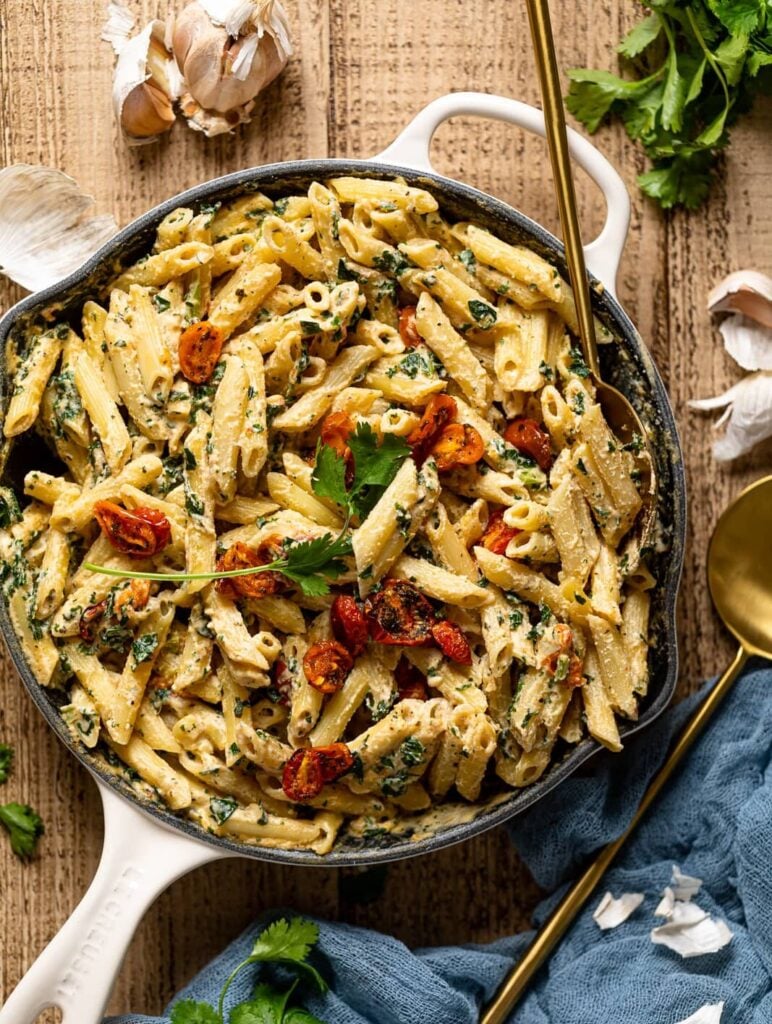
1. Creamy Vegan Tuscan Pasta
This pasta dish brings together sun-dried tomatoes, garlic, and fresh spinach in a rich cream sauce. You can make it in about 30 minutes on any weeknight.
The creamy base comes from cashews or coconut cream instead of dairy. Sauté garlic and sun-dried tomatoes first, then add spinach and your choice of cream.
Toss it with your favorite pasta. Add vegan chicken pieces if you want more protein.

2. Mushroom Pot Pie
Mushroom pot pie brings comfort food to your vegan dinner table. The filling combines different types of mushrooms with vegetables in a creamy plant-based sauce.
Use cremini, oyster, or button mushrooms for the best flavor. Top the dish with flaky puff pastry that turns golden and crisp when baked.
Most recipes come together in about 20 minutes of prep time. The mushrooms add a rich, savory taste that makes this pot pie filling and satisfying.

3. Tofu Stir-Fry with Seasonal Vegetables
Tofu stir-fry offers a quick dinner solution that comes together in about 30 minutes. Press and cube your tofu, then cook it until the edges turn golden and crispy.
The base sauce requires just three ingredients: soy sauce, sesame oil, and a sweetener like maple syrup. Toss in your favorite seasonal vegetables like bell peppers, broccoli, or snap peas.
You control the vegetables and spice level to match your taste.

4. Vegan Chickpea Curry
Chickpea curry offers a creamy, warming dinner that comes together in about 30 minutes. You’ll need canned chickpeas, coconut milk, and basic spices like cumin and turmeric.
The coconut milk creates a rich sauce without any dairy. Add vegetables like potatoes or spinach to make it more filling.
Serve it over rice or with naan bread for a complete meal.

5. Lentil and Vegetable Soup
Lentil and vegetable soup makes a filling weeknight dinner that costs very little to prepare. Use brown or green lentils as your base and add whatever vegetables you have on hand.
The soup typically includes carrots, celery, and tomatoes. Many recipes add potatoes, greens, or other seasonal vegetables.
Season it with garlic, cumin, and herbs like thyme or oregano. Make it on the stovetop, in a slow cooker, or using an instant pot.
The soup keeps well in your fridge for up to five days.

6. Vegan Baked Ziti
Vegan baked ziti brings you all the comfort of traditional Italian-American cooking without any animal products. Layer tender pasta with marinara sauce and plant-based cheese for a dish that’s ready in about an hour.
The recipe uses simple ingredients you probably already have. Most versions include ziti pasta, tomato sauce, and vegan cheese made from cashews or store-bought alternatives.
Some recipes add plant-based ground meat for extra protein. You can prep it ahead and bake it when you’re ready to eat.

7. Tempeh Tacos with Avocado Salsa
Tempeh makes an excellent taco filling because of its firm texture and ability to absorb flavors. Crumble it and season it with soy sauce, smoked paprika, and garlic powder for a protein-rich base.
The avocado salsa adds a creamy element that balances the smoky tempeh. Make it by blending avocado with lime juice, cilantro, and diced tomatoes.
These tacos come together in about 20 minutes. Prepare the tempeh filling up to three days ahead and store it in your refrigerator for quick weeknight meals.

8. Vegan Mushroom Stroganoff
This classic comfort dish works perfectly without dairy or meat. You’ll get a rich, creamy sauce made with simple ingredients you likely have in your pantry.
The mushrooms provide a deep, savory flavor that makes this meal satisfying. Prepare it in one pot in about 30 minutes, making it ideal for busy weeknights.
Serve your stroganoff over pasta, rice, or potatoes.

9. Sweet Potato and Black Bean Chili
This plant-based chili combines tender sweet potatoes with protein-rich black beans. The dish gets its flavor from chili powder, cumin, and garlic.
You can make it in under an hour. Most of that time is hands-off simmering on the stove.
Top your bowl with avocado, cilantro, or green onions. Use canned or dried beans, and freeze leftovers for later meals.

10. Coconut Curry with Tofu and Vegetables
This one-pan dinner comes together in about 30 minutes. Combine crispy tofu with your choice of vegetables in a creamy coconut milk sauce.
The curry gets its flavor from curry powder or red curry paste, along with ginger and garlic. Add vegetables like carrots, bell peppers, and broccoli.
Serve your curry over rice or with naan bread.
Nutritional Benefits of Vegan Dinners
Vegan dinners provide a wide range of vitamins, minerals, and plant-based proteins that support your overall health. Understanding which nutrients to focus on helps you create meals that are both satisfying and nutritionally complete.
Essential Nutrients in Plant-Based Meals
Plant-based dinners naturally contain high amounts of fiber, which supports digestive health and helps you feel full longer. Most vegan meals include vegetables, whole grains, and legumes that provide vitamin C, folate, and potassium.
You need to pay attention to certain nutrients that require planning in a vegan diet. Vitamin B12 comes primarily from fortified foods like plant-based milk, nutritional yeast, or supplements since it’s not naturally present in plant foods.
Iron is available in leafy greens, lentils, and beans, but your body absorbs it better when you eat these foods with vitamin C-rich items like tomatoes or bell peppers. Calcium comes from fortified plant milks, tofu made with calcium sulfate, and leafy greens like kale and bok choy.
Omega-3 fatty acids are found in ground flaxseeds, chia seeds, and walnuts. Zinc is present in whole grains, legumes, nuts, and seeds.
Common Protein Sources for Vegan Dishes
You can easily meet your protein needs through various plant-based sources. Legumes like lentils, chickpeas, and black beans provide 15-18 grams of protein per cooked cup.
Tofu and tempeh are versatile soy-based proteins that absorb flavors well in stir-fries and curries. Tofu offers about 10 grams of protein per half cup, while tempeh provides around 15 grams.
Quinoa stands out as a complete protein containing all nine essential amino acids, with 8 grams per cooked cup. Nuts and seeds add protein along with healthy fats.
Hemp seeds contain 10 grams of protein per 3 tablespoons. Peanut butter and almond butter provide 7-8 grams per 2 tablespoons.
Whole grains like brown rice, oats, and whole wheat pasta contribute additional protein when combined with other sources.
Maintaining a Balanced Vegan Diet
Your vegan dinners should include components from different food groups to ensure nutritional completeness. A balanced plate contains half vegetables, one quarter protein-rich foods like beans or tofu, and one quarter whole grains.
Eat a variety of foods throughout the week rather than relying on the same meals repeatedly. Different colored vegetables provide different nutrients—dark leafy greens offer iron and calcium, orange vegetables provide beta-carotene, and purple vegetables contain antioxidants.
Plan your meals around whole foods rather than processed vegan alternatives to get more nutrients. Whole grains, fresh vegetables, legumes, nuts, and seeds form the foundation of nutritious vegan dinners.
Include a fat source like avocado, olive oil, or tahini to help your body absorb fat-soluble vitamins A, D, E, and K.
Tips for Success With Vegan Cooking
Vegan cooking becomes easier when you keep key ingredients on hand, know how to replace animal products, and understand how to build deep flavors. These three skills will help you create satisfying plant-based meals every time.
Stocking a Vegan Pantry
Your pantry forms the foundation of quick vegan cooking. Keep dried legumes like lentils, chickpeas, and black beans available for protein-rich meals.
Whole grains such as quinoa, brown rice, and oats provide filling bases for dinners. Stock multiple types of canned beans for fast weeknight cooking.
Store nutritional yeast for cheesy flavor, and keep tahini and nut butters for creamy sauces. Essential spices include garlic powder, cumin, smoked paprika, and turmeric.
Have vegetable broth, canned tomatoes, and coconut milk so you can start most recipes without a grocery run. Keep nuts and seeds like cashews, almonds, and sunflower seeds for adding texture and richness.
Dried mushrooms provide deep umami flavor when fresh options aren’t available.
Substituting Animal Products
You can replace dairy milk with soy, almond, oat, or cashew milk in most recipes. Use coconut cream or blended cashews for heavy cream substitutes in sauces and soups.
Replace eggs in baking with flax eggs (1 tablespoon ground flaxseed mixed with 3 tablespoons water per egg). Mashed banana or applesauce works for moisture in sweet baked goods.
Common Protein Swaps:
- Crumbled tofu for scrambled eggs or ricotta
- Pressed and cubed tofu for chicken
- Tempeh for ground meat texture
- Jackfruit for pulled pork or shredded chicken
- Lentils and mushrooms for ground beef
Cashew cream replaces sour cream and cream cheese when blended with lemon juice and salt.
Enhancing Flavor and Texture
Layer flavors by cooking aromatics like onions and garlic first. Add spices to hot oil to release their oils before adding other ingredients.
This builds deeper taste than adding spices at the end. Use acid from lemon juice, vinegar, or tomatoes to brighten dishes.
Salt brings out natural flavors in vegetables and grains. Create umami with soy sauce, miso paste, mushrooms, and nutritional yeast.
These ingredients add the savory depth that makes vegan meals satisfying. Mix textures in each dish by combining soft and crunchy elements.
Add toasted nuts, crispy chickpeas, or seeds as toppings. Roast vegetables at high heat instead of steaming them for better texture and caramelized flavor.
Frequently Asked Questions
Plant-based cooking raises practical questions about ingredients, timing, and presentation. These answers address common concerns about preparing vegan dinners that work for weeknights, families, and special occasions.
What are some simple vegan recipes for weeknight dinners?
Tofu Stir-Fry with Seasonal Vegetables takes less than 30 minutes from start to finish. You need tofu, your choice of vegetables, soy sauce, and garlic.
Vegan Chickpea Curry uses pantry staples like canned chickpeas, coconut milk, and curry powder. You cook the entire dish in one pot, which makes cleanup easy.
Lentil and Vegetable Soup requires minimal prep work and simmers while you handle other tasks. Make it in large batches and freeze portions for later use.
Which ingredients are essential for a family-friendly vegan meal?
Protein sources like chickpeas, lentils, and tofu keep everyone full and satisfied. These ingredients work well in most dishes and have mild flavors that appeal to different tastes.
Coconut milk adds creaminess without dairy. Use it in curries, soups, and pasta dishes.
Fresh and frozen vegetables provide nutrients and color. Stock your kitchen with options like bell peppers, broccoli, spinach, and mushrooms.
What are the top vegan dishes to serve at a dinner party?
Creamy Vegan Tuscan Pasta looks elegant and tastes rich. The sauce combines cashews or white beans with sun-dried tomatoes and spinach.
Mushroom Pot Pie serves as an impressive main course. The flaky crust and savory filling create a restaurant-quality presentation.
Vegan Chickpea Curry works well for groups because you can easily scale up the recipe. Serve it with rice and naan bread for a complete meal.
How can I prepare a vegan main course that will impress my guests?
Focus on presentation by arranging food thoughtfully on the plate. Use fresh herbs as garnish and serve dishes in attractive bowls or on platters.
Layer flavors by building your dish with aromatics and spices. Add finishing touches like lemon juice or nutritional yeast.
Choose recipes with interesting textures. Combine crispy elements with creamy sauces or tender vegetables to create contrast.
What are some quick and easy vegan meal options for busy evenings?
Stir-fries take 20 to 25 minutes total. Chop vegetables while your pan heats, then cook everything quickly over high heat.
One-pot meals like Lentil and Vegetable Soup or Vegan Chickpea Curry minimize dishes and active cooking time.
Pasta dishes cook quickly and use simple ingredients. Creamy Vegan Tuscan Pasta comes together in about 30 minutes.
Can you recommend any gourmet vegan recipes from well-known chefs?
Many professional chefs create plant-based recipes that feature advanced techniques and bold flavors.
These recipes often appear in collections from culinary experts who specialize in vegan cooking.
Look for recipes that use ingredients like cashew cream, truffle oil, or specialty mushrooms.
These additions elevate simple dishes into gourmet experiences.
Chef-created recipes often provide detailed instructions for achieving restaurant-quality results at home.
They focus on technique as much as ingredients.