
Filipino desserts bring together flavors from many cultures, including Spanish, Chinese, and American influences mixed with local ingredients. These sweet treats range from creamy custards to colorful rice cakes.
You can enjoy them after meals or as snacks throughout the day.
You’ll learn about the key ingredients that make these desserts unique and discover what makes each one special. Whether you want something cold and refreshing or warm and comforting, Filipino sweets offer many options to satisfy your cravings.
1. Leche Flan
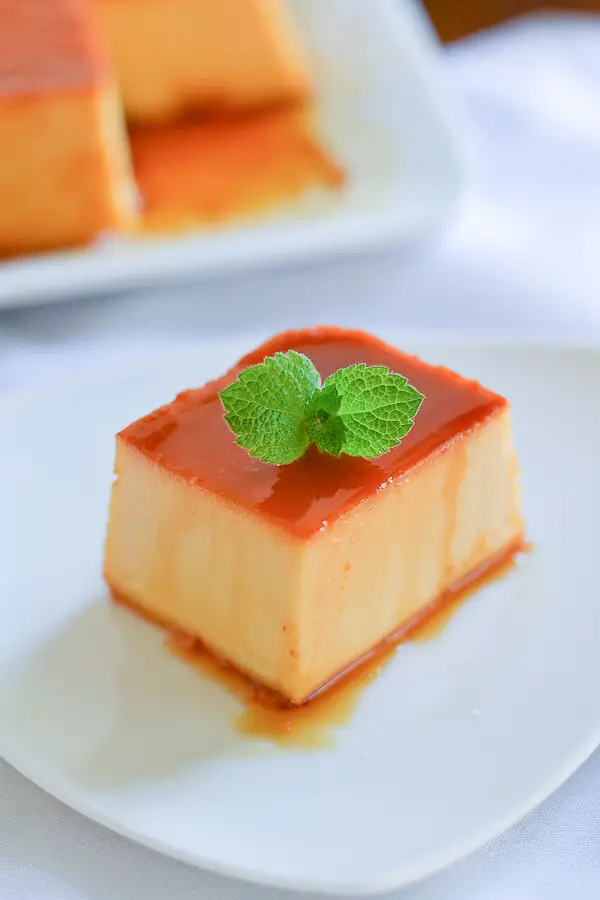
Leche flan is a rich Filipino custard dessert that’s hard to resist. You’ll find it at almost every celebration and family gathering.
The dessert uses simple ingredients like egg yolks, condensed milk, evaporated milk, and sugar. A golden caramel topping sits on top of the smooth custard base.
You can steam or bake leche flan in small pans called llaneras. The result is a silky texture that melts in your mouth.
Some people serve it on its own, while others use it as a topping for halo-halo.

2. Mango Graham
Mango Graham is one of the most beloved no-bake desserts in Filipino cuisine. You layer graham crackers with sweetened cream and fresh ripe mangoes to create this simple treat.
The dessert goes by several names, including mango float, mango royale, and crema de mangga. You need to refrigerate it overnight so the crackers soften and the cream sets properly.
This icebox cake is perfect for warm weather since it requires no cooking. You can make it in a pan or serve it in individual cups for parties.

3. Ube Cake
Ube cake brings the sweet flavor of Filipino purple yam into a light and fluffy dessert. You’ll find soft cake layers made with ube halaya, covered in smooth buttercream frosting.
The cake has a bright purple color that makes it stand out at any gathering. It tastes mildly sweet with a unique flavor from the purple yam.
You can make this cake for birthdays, holidays, or any special event. The texture stays moist and tender, while the ube buttercream adds extra richness.
4. Halo-Halo
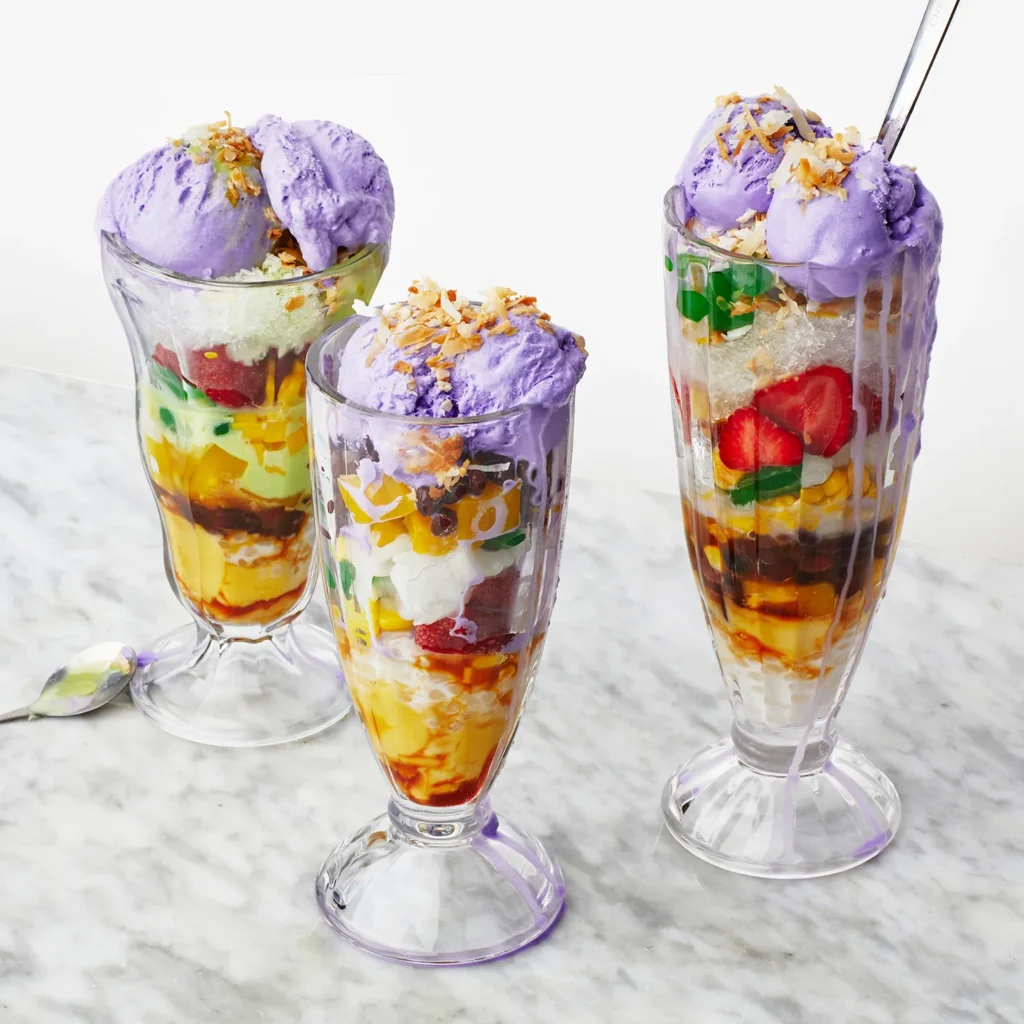
Halo-halo is a popular Filipino dessert that brings together many ingredients in one bowl. The name means “mix-mix” in Tagalog, which tells you how to eat it.
The base starts with shaved ice and milk. You’ll find sweet beans, fruit jellies, and jackfruit layered throughout.
Many versions include leche flan on top and a scoop of ube ice cream. Each spoonful tastes different because of all the layers.
You mix everything together with a long spoon, starting from the bottom.
5. Bibingka
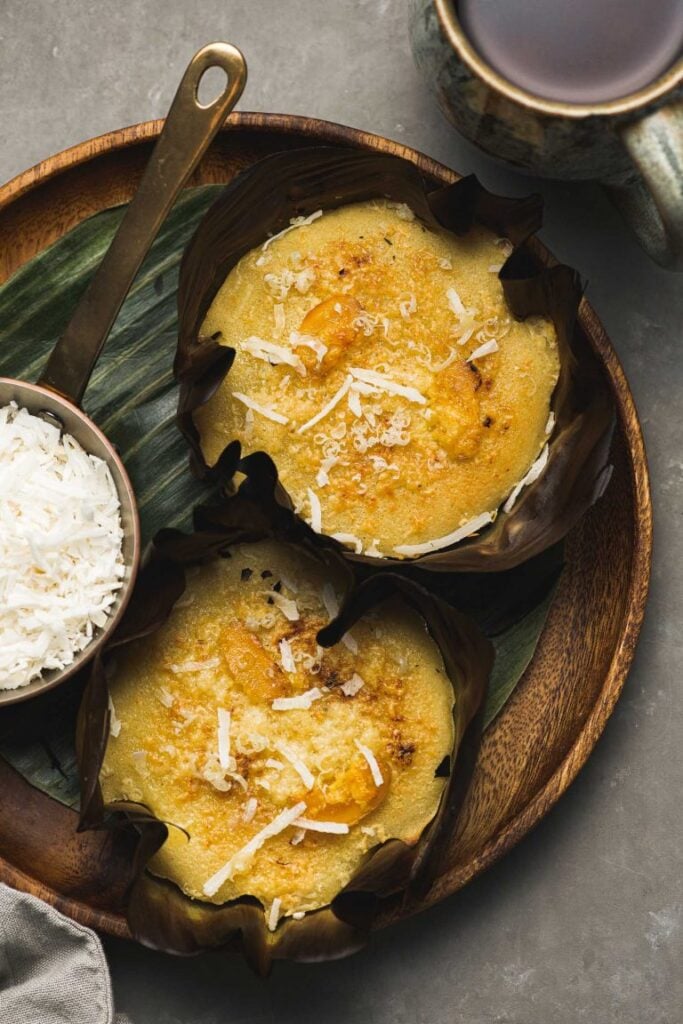
Bibingka is a traditional Filipino rice cake that brings comfort and sweetness to any occasion. You’ll find it made with rice flour and coconut milk, giving it a soft, moist texture that sets it apart from regular cakes.
The dessert is often topped with salted eggs, cheese, and grated coconut for a unique mix of flavors. While bibingka is especially popular during Christmas, you can enjoy it year-round.
It’s typically baked in banana leaves, which adds a subtle aroma to each bite.

6. Puto
Puto are Filipino steamed rice cakes that you’ll find at family gatherings and parties throughout the Philippines. These light, fluffy cakes have a slightly sweet taste and soft texture.
You can make them from rice flour or all-purpose flour. They’re traditionally white, but modern versions come in different colors and flavors like ube.
You can enjoy puto as a snack on its own or pair it with savory dishes like dinuguan. Some versions include cheese on top for extra flavor.

7. Kutsinta
Kutsinta is a popular Filipino steamed rice cake known for its chewy texture and sweet flavor. You’ll recognize it by its amber or orange color and smooth surface.
This dessert is made from rice flour, brown sugar, and water. The mixture is steamed until it becomes soft and springy.
Most people serve it topped with freshly grated coconut. You can enjoy kutsinta as a snack during merienda or as a dessert.
It’s naturally gluten-free and easy to make at home with just a few basic ingredients.
8. Turon
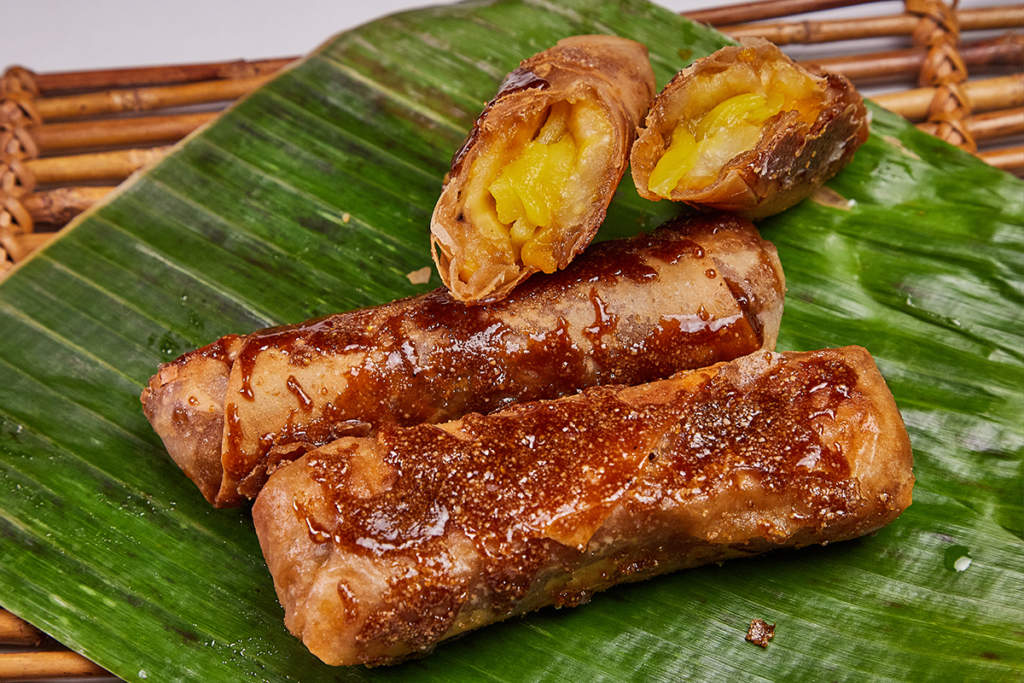
Turon is a Filipino banana spring roll that you’ll find sold as a popular street snack throughout the Philippines. You make it by wrapping ripe saba bananas and jackfruit pieces in thin spring roll wrappers, then frying them until crispy and golden.
The wrapper turns crunchy while the banana inside becomes soft and sweet. Many versions include a caramel coating that adds extra sweetness and creates a shiny glaze.
You can enjoy turon as an afternoon snack or dessert. It’s simple to make at home with just a few basic ingredients.

9. Polvoron
Polvoron is a classic Filipino shortbread candy that melts in your mouth with every bite. You’ll love how simple it is to make with just four basic ingredients: toasted flour, powdered milk, sugar, and butter.
No baking is required for this treat. The dessert has Spanish roots but has become a beloved Filipino staple.
You can enjoy it as a snack, serve it at celebrations, or give it as a gift. You can customize polvoron with different flavors like ube, strawberry, or cookies and cream to suit your taste.

10. Sapin-Sapin
Sapin-sapin is a traditional Filipino layered rice cake that lives up to its name, which means “layers.” You’ll find three colorful layers in this dessert: purple from ube, yellow from jackfruit, and white from coconut.
The cake is made with glutinous rice flour and coconut milk, giving it a soft, chewy texture. Each layer offers its own distinct flavor.
You’ll often see this treat topped with latik, which are golden coconut curds. It’s a popular choice for celebrations and family gatherings.
Cultural Significance of Filipino Desserts
Filipino desserts act as cultural markers that bring families together during important events and showcase the unique food traditions found across different regions of the country.
Role in Filipino Celebrations
Filipino desserts take center stage at major life events and religious celebrations. You’ll find bibingka and puto bumbong at Christmas gatherings, while families serve leche flan at birthdays, weddings, and baptisms.
Key celebrations featuring desserts:
- Christmas – Bibingka and puto bumbong
- Fiestas – Kakanin varieties and regional specialties
- Weddings – Leche flan and ube cake
- All Saints’ Day – Special rice cakes and traditional sweets
The preparation of these desserts often involves multiple family members working together. This shared cooking time passes down recipes and techniques from older generations to younger ones.
You participate in cultural preservation each time you help make these traditional sweets.
Regional Dessert Traditions
The Philippines’ 7,000 islands have created distinct dessert traditions in different areas. Pampanga is known for its turrones de casuy, while Bicol specialties feature coconut and pili nuts.
You’ll taste buko pie when you visit Laguna, and Davao offers durian-based desserts. Northern regions prefer sticky rice cakes called kakanin, while southern areas incorporate more tropical fruits into their sweets.
Visayan islands have their own versions of bibingka that differ from Luzon preparations. Each region uses local ingredients that grow best in their climate and soil.
These regional differences reflect the diverse cultural influences and available resources in each area. The desserts you try reveal the history and agricultural strengths of that specific location.
Key Ingredients and Preparation Techniques
Filipino desserts rely on a handful of staple ingredients like coconut, rice, and tropical fruits that create their distinctive taste and texture. The cooking methods passed down through generations transform these simple components into rich, satisfying sweets.
Traditional Sweeteners and Flavors
Brown sugar and muscovado serve as the primary sweeteners in Filipino desserts. These unrefined sugars add deep caramel notes and molasses flavors that white sugar cannot match.
Coconut appears in multiple forms across Filipino sweets. You’ll find coconut milk creating creamy bases, coconut cream adding richness, and shredded coconut providing texture.
Fresh coconut is often preferred over canned versions for authentic taste. Purple yam (ube) gives desserts their signature violet color and earthy-sweet flavor.
Jackfruit (langka) brings natural sweetness and a chewy texture. Pandan leaves infuse desserts with a vanilla-like aroma and subtle flavor.
Glutinous rice creates the foundation for kakanin, the family of Filipino rice cakes. This sticky rice flour produces the characteristic chewy, dense texture you’ll recognize in many traditional sweets.
Condensed milk and evaporated milk add sweetness and creaminess to various recipes.
Classic Cooking Methods
Steaming is the most common technique for preparing kakanin and rice-based desserts. You’ll steam mixtures in banana leaves or molds until they set into firm, sliceable cakes.
Simmering creates smooth, creamy desserts like leche flan and maja blanca. This gentle cooking method requires constant stirring to prevent burning and ensure even consistency.
Boiling prepares ingredients like sago pearls, sweet potatoes, and bananas for desserts such as halo-halo and ginataan. The ingredients cook until tender before being combined with sweet sauces or coconut milk.
You’ll also use baking for Spanish-influenced treats. Water baths keep custards smooth during oven cooking.
Many Filipino cooks prefer traditional stovetop methods over modern appliances to maintain authentic textures and flavors.
Frequently Asked Questions
Filipino desserts feature tropical ingredients like coconut, ube, and mango combined with influences from Spanish and Asian culinary traditions. These questions cover traditional recipes, preparation methods, and popular choices for celebrations.
What are some traditional desserts from the Philippines?
Leche flan stands as one of the most traditional Filipino desserts. This smooth custard made from egg yolks, condensed milk, and evaporated milk appears at almost every celebration.
Bibingka is a rice cake traditionally served during the Christmas season. You’ll find it made with rice flour, coconut milk, and topped with salted egg and cheese.
Ube cake showcases the distinctive purple yam that’s native to the Philippines. The vibrant purple color and sweet, nutty flavor make it instantly recognizable.
How do you make a classic halo-halo?
Halo-halo starts with shaved ice as its base. You layer sweetened beans, jackfruit, coconut strips, and sago pearls in a tall glass.
Pour evaporated milk over the ice and toppings. Add a scoop of ube ice cream on top and finish with leche flan and rice crispies.
Mix everything together before eating. The name “halo-halo” actually means “mix-mix” in Tagalog.
Could you suggest Filipino desserts that are easy to prepare at home?
Mango graham is one of the easiest Filipino desserts you can make. You simply layer graham crackers with whipped cream and fresh mangoes, then refrigerate.
Leche flan requires only five ingredients: egg yolks, condensed milk, evaporated milk, sugar, and vanilla. You steam or bake it in a water bath until set.
Ube cake becomes simple when you use ube extract or ube halaya. Mix it into your standard cake batter for authentic Filipino flavor.
What ingredients are typically used in Filipino sweet treats?
Coconut appears in many forms throughout Filipino desserts. You’ll find coconut milk, shredded coconut, and coconut cream used frequently.
Purple yam, known as ube, gives desserts their signature purple color. Rice flour serves as the base for many traditional cakes and sticky treats.
Condensed milk and evaporated milk add sweetness and creaminess. Tropical fruits like mango, jackfruit, and banana provide natural sweetness and bright flavors.
Which Filipino desserts are considered suitable for festive occasions?
Leche flan appears at virtually every Filipino celebration. Birthdays, holidays, and special events always feature this golden custard dessert.
Ube cake has become a popular choice for birthdays and weddings. Its eye-catching purple color makes it a centerpiece dessert.
Bibingka is specifically associated with Christmas celebrations. You’ll find vendors selling it outside churches during early morning masses throughout December.
Are there any Filipino desserts that have gained international popularity?
Halo-halo has gained recognition beyond the Philippines. You can now find this shaved ice dessert in Asian restaurants across North America and Europe.
Ube has become a trending flavor in mainstream bakeries and ice cream shops. The purple yam now appears in doughnuts, cookies, and lattes worldwide.
Leche flan crossed over to other cuisines due to its Spanish origins. Many people recognize it as a Filipino version of the classic flan or crème caramel.