
Filipino desserts bring together flavors from many cultures, creating sweet treats that stand out in unique ways. These desserts mix local ingredients with Spanish, Chinese, and American influences.
You’ll find everything from creamy custards to colorful rice cakes. Some use purple yam, while others feature tropical fruits or sweet rice flour.
Many of these desserts have been passed down through generations and remain popular at celebrations and everyday meals. Learning about these sweets helps you understand the country’s food traditions and gives you new recipes to try at home.

1. Leche Flan
Leche flan is the most popular Filipino dessert you’ll find at any celebration. This rich caramel custard uses simple ingredients like egg yolks, condensed milk, evaporated milk, and sugar.
The dessert features a smooth, creamy texture with a golden caramel topping. You can steam it in a special pan called a llanera or bake it in a water bath.
You’ll often see leche flan served on its own or as a topping for halo-halo. It’s perfect for parties or as a make-ahead treat.

2. Ube Cake
Ube cake showcases the purple yam that’s central to Filipino baking. The cake has light, fluffy layers with a natural purple color and a mildly sweet flavor.
You’ll find it frosted with ube buttercream that adds richness. Some versions include macapuno, a coconut jam that pairs well with the yam’s taste.
This dessert appears at Filipino celebrations and family gatherings. You can make it from scratch or find it at Filipino bakeries like Red Ribbon and Goldilocks.

3. Mango Graham
Mango Graham is a no-bake Filipino dessert that layers graham crackers with sweetened cream and ripe mangoes. You’ll find it served frozen or chilled at parties and gatherings throughout the Philippines.
This dessert goes by several names, including Mango Float, Mango Royale, and Crema de Mangga. The recipe requires just four basic ingredients and takes about 15 to 30 minutes to prepare.
You can make it in a pan, as individual cups, or rolled. The key is using sweet, ripe Manila mangoes for the best flavor.
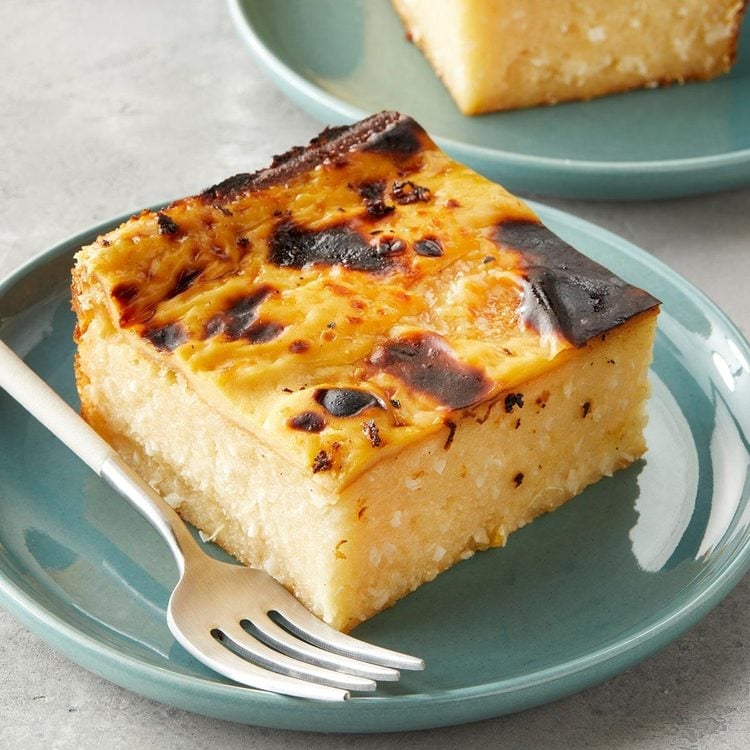
4. Cassava Cake
Cassava cake is a classic Filipino dessert made from grated cassava root mixed with coconut milk, condensed milk, and eggs. The cake bakes until golden and develops a chewy texture that sets it apart from other desserts.
You’ll find it topped with a sweet custard layer that caramelizes during baking. This creates a rich, creamy finish that balances the cake’s dense base.
Cassava cake works well for parties, celebrations, or as an afternoon snack. The coconut flavor comes through in every bite while remaining naturally gluten-free.

5. Brazo de Mercedes
Brazo de Mercedes is a classic Filipino rolled cake that combines fluffy meringue with a rich custard filling. The name translates to “Arm of Mercy” in Spanish.
You’ll make this dessert by spreading soft meringue on a baking sheet, baking it until lightly golden, then rolling it around a thick egg yolk custard. The custard uses condensed milk and vanilla for its sweet, creamy flavor.
The finished cake has a light texture outside with a dense, smooth filling inside. You can make it in about 30 minutes, and it’s naturally gluten-free.
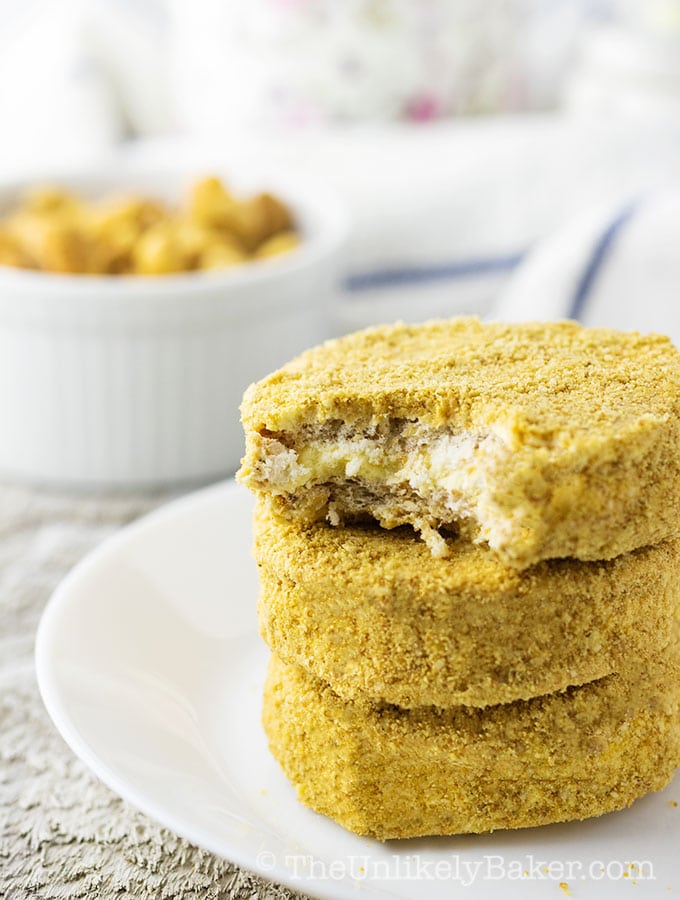
6. Silvanas
Silvanas are frozen cookie sandwiches that combine crispy cashew meringue wafers with rich French buttercream. You’ll find the exterior coated in finely ground cashews or cookie crumbs, adding extra crunch to each bite.
Store these treats in your freezer before serving. The cold temperature keeps the buttercream firm while the meringue stays light and crisp.
You can make silvanas at home using leftover egg whites from other recipes. They’re similar to the layered cake Sans Rival but in a convenient handheld form.

7. Sans Rival
Sans Rival means “without rival” in French, and this Filipino dessert lives up to its name. You’ll find layers of cashew meringue paired with smooth French buttercream and topped with chopped cashews.
The meringue provides a chewy texture that contrasts nicely with the rich buttercream. This cake appears in bakeries throughout the Philippines and works well for birthdays and special occasions.
You can make it with cashews or try variations using pistachios. The dessert combines French techniques with Filipino flavors to create something unique.

8. Fruit Salad
Filipino Fruit Salad is a creamy dessert that combines sweet fruits with condensed milk and cream. You’ll find it at nearly every Filipino celebration, from birthdays to holidays.
The recipe uses simple ingredients like canned fruit cocktail, table cream, and condensed milk mixed together. Many versions include shredded young coconut, nata de coco, and kaong for extra texture and flavor.
Chill this dessert in the fridge before serving to get the best results. It’s colorful, refreshing, and requires no baking.

9. Puto
Puto is a classic Filipino steamed rice cake that you’ll find at almost every celebration and family gathering. These small, fluffy cakes have a slightly sweet taste and soft texture that makes them perfect for snacking.
You can enjoy puto on its own or pair it with savory dishes like dinuguan. Traditional versions use rice flour, but many recipes now use all-purpose flour for easier preparation.
Puto often comes topped with cheese or butter. You might see colorful versions made with ube for a purple twist.

10. Kutsinta
Kutsinta is a traditional Filipino steamed rice cake with a chewy texture and caramel-like sweetness. You’ll recognize it by its amber or orange-brown color.
The cake gets its unique sticky yet chewy consistency from lye water, a key ingredient in the recipe. This popular snack is made with rice flour and brown sugar.
You can enjoy it plain or topped with freshly grated coconut, which is the most common way to serve it. Kutsinta works well as a midday snack or dessert at family gatherings.
The Cultural Significance of Filipino Desserts
Filipino desserts play a central role in celebrations and showcase the unique flavors found across different regions of the archipelago.
Filipino Desserts in Festive Celebrations
You’ll find Filipino desserts at the heart of every major celebration and family gathering. During Christmas, bibingka and puto bumbong become essential treats that mark the holiday season.
These rice cakes are sold outside churches during early morning masses throughout December.
Key celebrations featuring Filipino desserts:
- Fiestas – Communities prepare leche flan, maja blanca, and sapin-sapin for patron saint festivals
- Weddings – Tables display ube halaya, cassava cake, and elaborate dessert spreads
- Birthdays – Families serve halo-halo and traditional kakanin alongside modern cakes
- New Year – Round fruits and sticky rice desserts symbolize prosperity
Your family recipes for these desserts often pass down through generations. Each dessert carries stories of tradition and regional pride.
When you share these sweets during celebrations, you participate in centuries of Filipino hospitality and community bonding.
Influences of Regional Ingredients
Your experience with Filipino desserts varies significantly based on where you travel in the Philippines. The 7,000 islands each contribute unique ingredients that shape local dessert traditions.
In the Visayas, you’ll taste desserts made with abundant coconut and tropical fruits. Mindanao offers durian-based sweets that you won’t find elsewhere.
Northern Luzon features desserts using basi (sugarcane wine) and unique rice varieties.
Regional ingredient influences:
- Purple yam (ube) from the Bicol region defines countless Filipino desserts
- Coconut from coastal areas appears in everything from buko pandan to maja blanca
- Sticky rice varieties create different textures in kakanin across regions
These local ingredients reflect both geography and agricultural traditions. You can trace the cultural exchange between indigenous practices and foreign influences through these regional variations.
Essential Ingredients and Preparation Techniques
Filipino desserts rely on a few key ingredients that create their distinctive sweet flavors and textures, including coconut milk, glutinous rice, and palm sugar. Traditional cooking methods like steaming and slow simmering help bring out the best in these ingredients.
Staple Sweeteners and Flavors
Brown sugar and palm sugar (panutsa) form the foundation of most Filipino desserts. These sweeteners add a caramel-like depth that white sugar cannot match.
You’ll use them in everything from rice cakes to custards. Coconut milk appears in nearly every traditional recipe.
It provides richness and a subtle tropical flavor. You can use fresh coconut milk or canned versions, though fresh offers better taste.
Glutinous rice (malagkit) creates the chewy texture in many kakanin. This sticky rice holds ingredients together and absorbs flavors well.
You’ll need to soak it before cooking for best results. Other essential ingredients include:
- Ube (purple yam) for color and earthy sweetness
- Pandan leaves for fragrant aroma
- Condensed milk and evaporated milk for creamy desserts
- Eggs for custards and leche flan
Traditional Cooking Methods
Steaming is the primary technique for making kakanin and rice-based desserts. You’ll need a steamer basket and patience, as most recipes take 30-45 minutes.
The gentle heat cooks ingredients evenly without burning. Slow simmering works for dishes like bilo-bilo and ginataan.
You cook ingredients over low heat, stirring frequently to prevent sticking. This method allows flavors to blend together properly.
Baking in a water bath creates smooth leche flan. You place your mold in a larger pan filled with water, which regulates temperature and prevents cracking.
Many desserts require banana leaves as wrappers or liners. You soften them over a flame first to make them pliable.
They add a subtle flavor and keep food from sticking.
Frequently Asked Questions
Filipino desserts feature tropical ingredients like coconut, ube, and mango, with influences from Spanish, Chinese, and indigenous traditions. These sweets range from creamy custards to layered cakes and are central to celebrations and everyday treats.
What are the top 10 most popular Filipino desserts?
The most popular Filipino desserts include Leche Flan, a smooth caramel custard that appears at nearly every celebration. Ube Cake brings the distinctive purple yam flavor that Filipinos love.
Mango Graham is a no-bake layered dessert with graham crackers and fresh mangoes. Cassava Cake offers a chewy, coconut-rich experience.
Brazo de Mercedes provides a meringue roll filled with creamy custard. Other favorites include Halo-Halo, a shaved ice dessert with multiple toppings.
Bibingka is a rice cake traditionally eaten during Christmas. Turon features fried banana wrapped in spring roll wrapper.
Sapin-Sapin presents colorful rice layers in one sticky cake. Buko Pandan combines young coconut with pandan-flavored gelatin.
How do you make traditional Filipino desserts?
Traditional Filipino desserts rely on basic ingredients like coconut milk, condensed milk, eggs, and sugar. Many recipes use tropical ingredients such as ube, cassava, and ripe mangoes.
Steaming is a common cooking method for rice cakes and layered desserts. You’ll also find baking used for cakes and custards.
Some desserts require no cooking at all, like Mango Graham. The key is balancing sweetness with the natural flavors of your ingredients.
Most recipes follow simple steps that don’t require professional baking skills.
Can you provide a list of Filipino desserts that are suitable for parties?
Leche Flan works perfectly for parties because you can make it ahead and serve it cold. The smooth texture and sweet flavor appeal to most guests.
Ube Cake makes an impressive centerpiece with its bright purple color. Mango Graham is ideal for large gatherings since you can prepare it in big trays.
Cassava Cake serves well at room temperature and feeds many people. Brazo de Mercedes looks elegant on any dessert table.
Halo-Halo lets guests customize their own portions with various toppings.
What is considered the national dessert of the Philippines?
The Philippines doesn’t have an official national dessert. However, Halo-Halo is widely recognized as the most iconic Filipino dessert.
Leche Flan also holds a special place in Filipino culture. It appears at virtually every celebration, from birthdays to holidays.
Many Filipinos consider it essential to their food traditions. Both desserts represent Filipino creativity and the blending of different cultural influences.
Which Filipino treats are most beloved for special occasions?
Leche Flan tops the list for special occasions. You’ll find this golden custard at birthdays, weddings, and holiday gatherings.
Ube Cake has become a celebration staple, especially for milestone events.
Brazo de Mercedes brings elegance to formal occasions with its rolled meringue presentation.
Bibingka and Puto Bumbong are specifically associated with the Christmas season. Filipino families seek out these rice cakes during the holidays.
Sapin-Sapin often appears at fiestas and large family gatherings due to its festive appearance.
Where can I find recipes for classic Filipino sweet delicacies?
You can find Filipino dessert recipes on dedicated Filipino food blogs and cooking websites. Many Filipino home cooks share their family recipes online with detailed instructions.
YouTube offers video tutorials that show you each step of the process. Cookbooks focused on Filipino cuisine provide tested recipes with cultural context.
Filipino community websites often feature recipe sections where members share traditional methods. Social media groups dedicated to Filipino cooking let you ask questions and get tips from experienced bakers.