
Korean desserts offer a unique blend of flavors and textures that set them apart from Western sweets. These treats range from chewy rice cakes to refreshing shaved ice desserts, each with its own distinct taste and preparation method.
Korean desserts combine traditional ingredients like rice, red beans, and honey with modern twists to create sweet treats for different tastes and occasions. You’ll find options that include classic confections passed down through generations, popular street food snacks, and contemporary cafe-style creations.
Whether you prefer something warm and syrupy or cold and refreshing, Korean dessert culture has something to offer.
1. Tteok (Korean Rice Cakes)
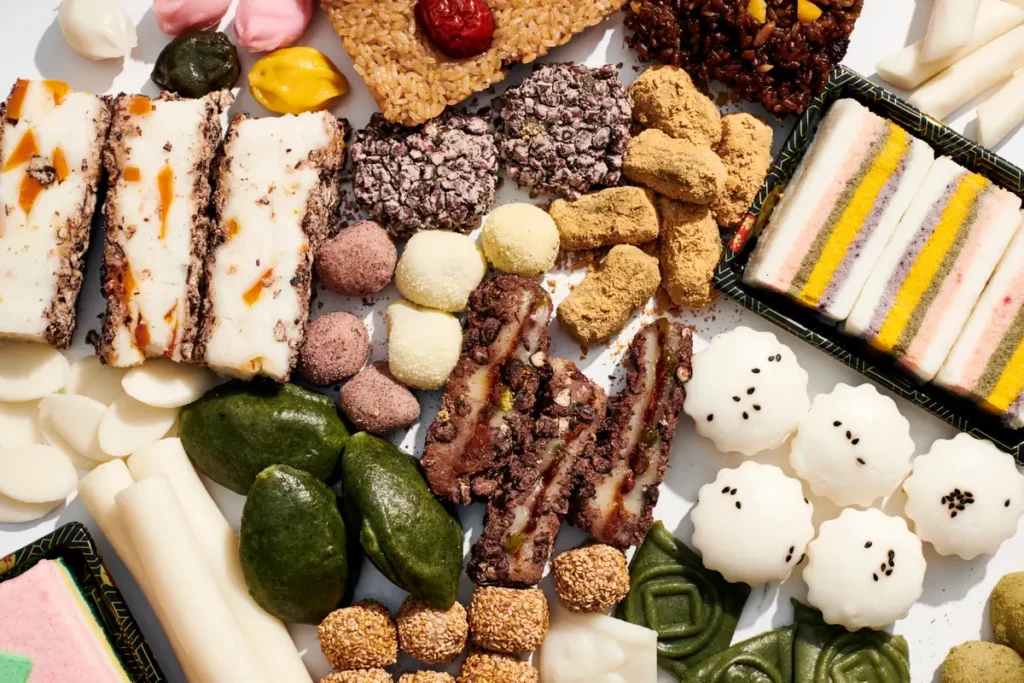
Tteok are traditional Korean rice cakes made from rice flour. They have a chewy texture and come in many shapes and colors.
You’ll find both sweet and savory versions. Sweet tteok often includes honey, sesame, or sweet fillings.
Some are steamed into small balls, while others are shaped into larger cakes. These rice cakes play an important role in Korean culture.
People serve them at celebrations and holidays. You can buy tteok at Korean bakeries or make them at home using glutinous rice flour and simple steaming tools.

2. Patbingsu (Shaved Ice with Sweet Red Beans)
Patbingsu is Korea’s most popular summer dessert. You’ll find fluffy shaved ice topped with sweetened red beans, condensed milk, and fresh fruit.
The red beans, called pat, give this dessert its name and signature taste. Most versions also include chewy rice cakes and a drizzle of sweet milk on top.
You can make patbingsu at home using canned sweetened red beans or cook them from scratch. The key is layering the toppings properly with the ice to get the right mix of textures and flavors in each bite.

3. Hotteok (Sweet Syrup-Filled Pancakes)
Hotteok is a popular Korean street food that combines crispy and chewy textures in one pancake. You’ll find these golden-brown treats filled with a gooey mixture of brown sugar, cinnamon, and chopped nuts like walnuts or almonds.
The dough uses wheat flour and sweet rice flour for a special chewy texture. When you bite into a freshly fried hotteok, the warm syrup center flows out while the outside stays crispy.
These pancakes are especially popular during winter months as a warm, comforting snack.

4. Yakgwa (Honey Cookies)
Yakgwa are traditional Korean honey cookies that date back to the Goryeo dynasty. You’ll love their unique texture—crispy on the outside and flaky inside.
These treats combine honey, sesame oil, and ginger in the dough. After frying, you soak them in a sweet ginger-honey syrup.
The syrup creates their signature sticky, juicy quality. You’ll taste sesame, honey, ginger, and sometimes cinnamon in each bite.
These cookies aren’t too sweet, making them perfect for serving with tea.

5. Bingsu (Flavored Shaved Ice)
Bingsu is Korea’s most popular summer dessert. It features finely shaved ice that has a snow-like texture and melts quickly on your tongue.
The base is made from frozen milk or sweetened water that gets shaved into delicate, fluffy pieces. You can top it with various ingredients like fresh fruit, sweetened red beans, condensed milk, mochi, or ice cream.
Traditional patbingsu uses sweet red bean paste. Modern versions offer endless flavor options.
Some cafes serve versions with cheesecake pieces, cookies, or tropical fruits.

6. Hodu-gwaja (Walnut Cakes)
Hodu-gwaja are walnut-shaped pastries that started in Cheonan, South Korea. You’ll find these treats at rest stops and street vendors across Korea.
The cakes have a soft outer shell made from simple batter. Inside, they’re filled with sweetened red bean paste and pieces of walnut.
The combination creates a balance of textures and flavors. You can make them at home using a special walnut-shaped mold.
The batter cooks in the mold until golden brown on both sides, which takes about four minutes per side.

7. Chapssaltteok (Glutinous Rice Cake with Sweet Filling)
Chapssaltteok is a chewy Korean rice cake made from glutinous rice flour. The name combines “chapssal” (glutinous rice) and “tteok” (rice cake).
You’ll find these treats filled with sweet red bean paste most often. Some versions include other fillings like sesame seeds, chocolate, or even ice cream.
The dough has a soft, sticky texture that makes each bite satisfying. You can make chapssaltteok at home using a microwave, steamer, or stovetop method.
This dessert is popular at Korean festivals and special occasions.
8. Mochi Ice Cream (Korean Style)
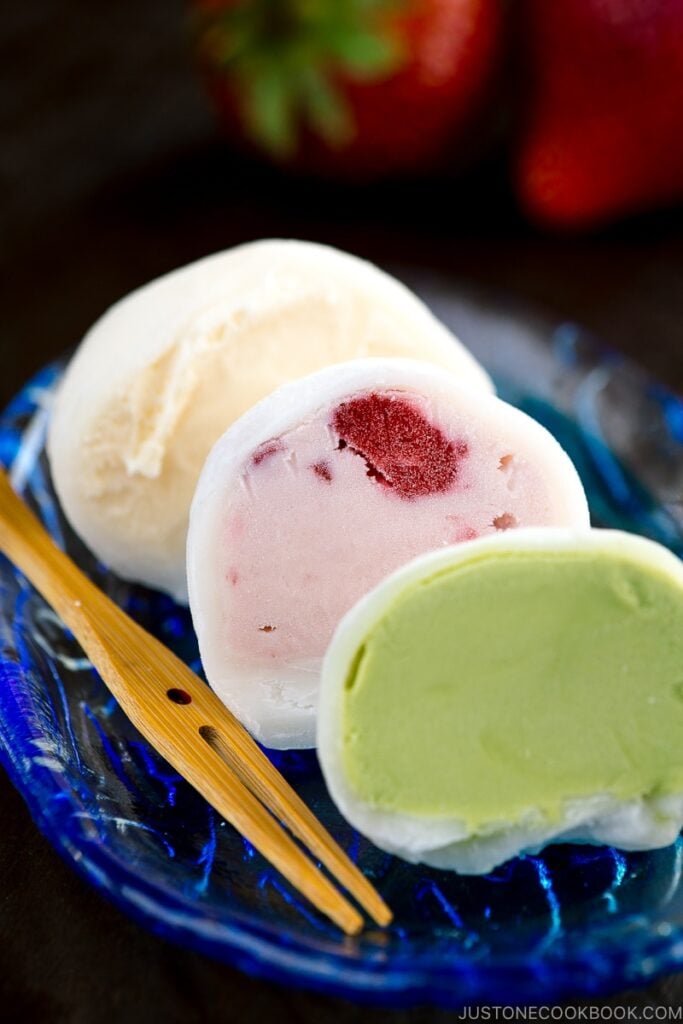
Mochi ice cream wraps creamy ice cream in soft, chewy rice dough. While mochi originated in Japan, it has become a popular dessert across Korea with unique flavor twists.
Korean versions often feature black sesame, which gives a nutty, toasted taste. You can find flavors like matcha, mango, and strawberry at Korean dessert shops.
The texture is what makes this treat special. The soft outer layer contrasts perfectly with the cold, creamy center.
You can make mochi ice cream at home in under 20 minutes using sweet rice flour and your favorite ice cream.

9. Sikhye (Sweet Rice Drink)
Sikhye is a traditional Korean rice beverage made with malted barley and cooked rice. You’ll find this sweet, non-alcoholic drink served at celebrations and as a dessert throughout Korea.
The drink has a light sweetness and mild malt flavor that comes from natural fermentation. When you make sikhye, the malted barley breaks down rice starches into sugars.
You can make it at home using a rice cooker or Instant Pot. The drink is typically served cold with floating rice grains and sometimes pine nuts on top.

10. Hangwa (Traditional Korean Confectionery)
Hangwa refers to traditional Korean sweets that have been enjoyed for centuries. These confections were once served during royal rituals and ancestral rites.
They remain popular during traditional holidays. Common ingredients include grain flour, honey, yeot, fruits, roots, and spices like cinnamon and ginger.
You’ll find these treats less sweet than Western desserts, with clean flavors and healthy ingredients. Popular varieties include yakgwa, a honey-flavored pastry that has recently gained attention.
Many modern hangwa shops now offer contemporary versions of these classic sweets while preserving traditional recipes.
Cultural Significance of Korean Desserts
Korean desserts carry deep meaning beyond their sweet flavors. They serve as vessels of tradition and markers of important life events.
These treats connect modern Korea to its ancestral past through carefully preserved recipes and ceremonial practices.
Historical Origins
Korean desserts have roots that stretch back centuries to the Three Kingdoms period. Rice, beans, honey, and nuts formed the foundation of early sweets because these ingredients were readily available in Korea’s agricultural landscape.
The royal court during the Joseon Dynasty elevated dessert-making into an art form. Palace kitchens created elaborate confections called hangwa for ceremonies and special occasions.
These traditional sweets included honey-filled cookies, rice cakes, and candied fruits that demonstrated the skill of royal chefs. Buddhist temples also shaped Korean dessert culture significantly.
Monks developed sweet recipes using plant-based ingredients that aligned with their vegetarian practices. Many of these temple desserts focused on natural sweetness from ingredients like sweet rice, chestnuts, and dried fruits rather than refined sugar.
Seasonal and Festive Roles
You’ll find specific Korean desserts tied to particular celebrations and times of year. Songpyeon, crescent-shaped rice cakes filled with sweetened sesame or beans, appears during Chuseok (Korean harvest festival) in autumn.
Families gather to shape these cakes together, passing down techniques through generations. Yakgwa, honey cookies fried and soaked in syrup, marks important life milestones like weddings and 60th birthday celebrations.
The golden color symbolizes prosperity and good fortune. Each season brings its own traditional sweets.
Spring festivals feature flower-shaped rice cakes, while winter calls for warm, sweet red bean porridge called patjuk. These seasonal desserts connect you to nature’s cycles and agricultural rhythms that shaped Korean life for generations.
Key Ingredients in Korean Dessert Making
Korean desserts rely on specific ingredients that create their distinctive textures and balanced sweetness. These range from traditional honey and grain-based components to modern additions like matcha and cheese.
Traditional Sweeteners
Korean desserts use natural sweeteners that provide mild, balanced flavors. Honey serves as the primary traditional sweetener, adding depth and moisture to treats like yakgwa.
You’ll also find jocheong (rice syrup or corn syrup) in many recipes, which gives desserts their characteristic chewiness and glossy appearance. Sugar wasn’t widely available in Korea until modern times.
This explains why many traditional Korean desserts taste less sweet than Western desserts. The sweeteners you use in Korean baking often complement rather than overpower the other ingredients.
Mulyeot (Korean grain syrup) appears in rice cakes and traditional candies. This thick, amber-colored syrup adds a subtle sweetness and helps bind ingredients together.
When you make traditional Korean desserts, these sweeteners work alongside the natural flavors of grains and beans rather than masking them.
Use of Grains and Beans
Glutinous rice forms the foundation of most Korean desserts. You’ll use it to make tteok (rice cakes), which come in countless varieties.
This rice creates the chewy, soft texture that defines Korean sweets. Sweet red bean paste stands as another essential ingredient.
You can make it from adzuki beans that are boiled and sweetened. This paste fills pastries, tops shaved ice, and adds protein to desserts.
Regular rice flour and wheat flour also play important roles. Rice flour creates delicate textures in steamed cakes and cookies.
You’ll find these grain-based ingredients in nearly every traditional Korean dessert recipe. Black sesame seeds add nutty flavor and visual appeal.
Roasted soybean powder (injeolmi powder) coats rice cakes and provides an earthy taste that balances sweetness.
Influence of Modern Flavors
Korean dessert shops now blend international ingredients with traditional recipes. Matcha powder appears in modern bingsu (shaved ice) and rice cakes, adding green tea flavor and bright color.
Cream cheese has become popular in Korean desserts. You’ll see it in filled pastries and as a topping for sweet treats.
This ingredient adds richness that traditional Korean desserts typically didn’t include. Tropical fruits like mango and strawberries top modern Korean shaved ice desserts.
These fruits create colorful, photogenic presentations that attract social media attention. Korean bakers also incorporate ingredients like condensed milk, chocolate, and various fruit preserves.
These modern additions don’t replace traditional ingredients. Instead, they expand the possibilities for Korean dessert making.
You can create fusion desserts that maintain Korean techniques while exploring new flavor combinations.
Frequently Asked Questions
Korean desserts range from chewy rice cakes to refreshing shaved ice treats, each with unique ingredients like sweet rice flour and red bean paste. These common questions cover everything from traditional recipes to modern trends.
What are some traditional Korean desserts?
Traditional Korean desserts focus on simple, natural ingredients that have been used for centuries. Tteok (Korean rice cakes) uses sweet rice flour to create chewy textures in various shapes and flavors.
Yakgwa are honey-soaked cookies made with wheat flour, honey, and sesame oil that were originally served during special celebrations. Hotteok are sweet pancakes filled with brown sugar, cinnamon, and chopped nuts that you can find at street stalls.
Dried persimmons and candied fruits also appear in traditional Korean dessert spreads. These sweets typically use honey and natural sugars instead of refined sugar.
How do you make easy Korean desserts at home?
Hotteok is one of the easiest Korean desserts to make at home with basic pantry ingredients. You need flour, water, yeast, and a simple filling of brown sugar and cinnamon.
The dough comes together quickly and cooks in a pan like a regular pancake. Chapssaltteok requires glutinous rice flour and red bean paste, which you can find at Asian grocery stores.
You steam or microwave the rice flour dough until it becomes translucent and chewy. Then you wrap it around sweet red bean paste to create bite-sized treats.
Simple bingsu only needs shaved ice, sweetened condensed milk, and your choice of toppings. Many Korean home cooks prepare desserts for their children using these straightforward methods.
What is a list of desserts commonly served in Korean cuisine?
Patbingsu tops the list as a summer favorite with shaved ice, sweet red beans, rice cakes, and condensed milk. Bingsu variations now include flavors like mango, strawberry, and green tea.
Tteok comes in many forms, including songpyeon (half-moon rice cakes) and injeolmi (soybean powder-coated rice cakes). Hotteok remains popular as a street food snack during colder months.
Yakgwa appears at traditional celebrations and holidays. Korean cafés serve modern desserts like cream-filled pastries and layered cakes alongside these traditional options.
Which Korean desserts are considered healthy options?
Traditional Korean desserts use natural sweeteners and whole ingredients that provide nutritional benefits. Red bean paste contains protein and fiber while adding sweetness to many desserts.
Sweet rice flour offers a gluten-free base for tteok and other treats. Dried persimmons give you vitamins and minerals without added sugar.
Honey serves as the main sweetener in yakgwa and other traditional sweets. Sesame seeds add healthy fats and nutrients when sprinkled on top of desserts.
Bingsu can be a lighter option when you top it with fresh fruit instead of heavy syrups. You control the sugar content when you make these desserts at home.
Can you provide recipes for popular Korean dessert treats?
Hotteok recipes start with a yeast dough made from 2 cups flour, 1 tablespoon sugar, 1 teaspoon yeast, and warm water. Mix the filling with brown sugar, cinnamon, and chopped peanuts.
After the dough rises, flatten small portions, add filling, seal the edges, and pan-fry until golden brown. Patbingsu requires cooked sweet red beans, shaved ice, condensed milk, and rice cake pieces.
Layer shaved ice in a bowl, top it with red beans and rice cakes, then drizzle condensed milk over everything. Add fresh fruit or nuts if you want extra toppings.
Basic yakgwa combines wheat flour, honey, sesame oil, and ginger juice into a dough. Cut shapes, fry them until golden, and soak them in honey syrup.
The cookies become soft and chewy after soaking.
What are the latest trends in modern Korean dessert creations?
Korean cafés now create tower-high bingsu presentations with creative flavor combinations. You’ll find versions topped with Oreos, matcha powder, fresh berries, and even cheese.
These Instagram-worthy desserts blend traditional shaved ice with global ingredients. Hybrid desserts combine Korean techniques with Western pastries.
Bakeries sell croissants filled with red bean paste and cream-filled tteok. Korean dessert shops experiment with unique flavors like black sesame, purple sweet potato, and yuzu.
Street food vendors update traditional hotteok with new fillings like chocolate, cheese, and pizza toppings. Social media has helped popularize these creative desserts around the world.