
Kidney beans are one of the most versatile ingredients you can keep in your kitchen. These red beans work well in everything from hearty chilis and soups to fresh salads and veggie burgers.
They’re affordable, easy to find, and simple to prepare whether you use canned or dried beans.
This collection of kidney bean recipes will show you how to make satisfying meals for breakfast, lunch, and dinner. You’ll find classic comfort foods like chili and mac and cheese alongside lighter options like grain bowls and salads.
Each recipe uses kidney beans in a different way so you can discover new favorites and add more variety to your weekly meals.
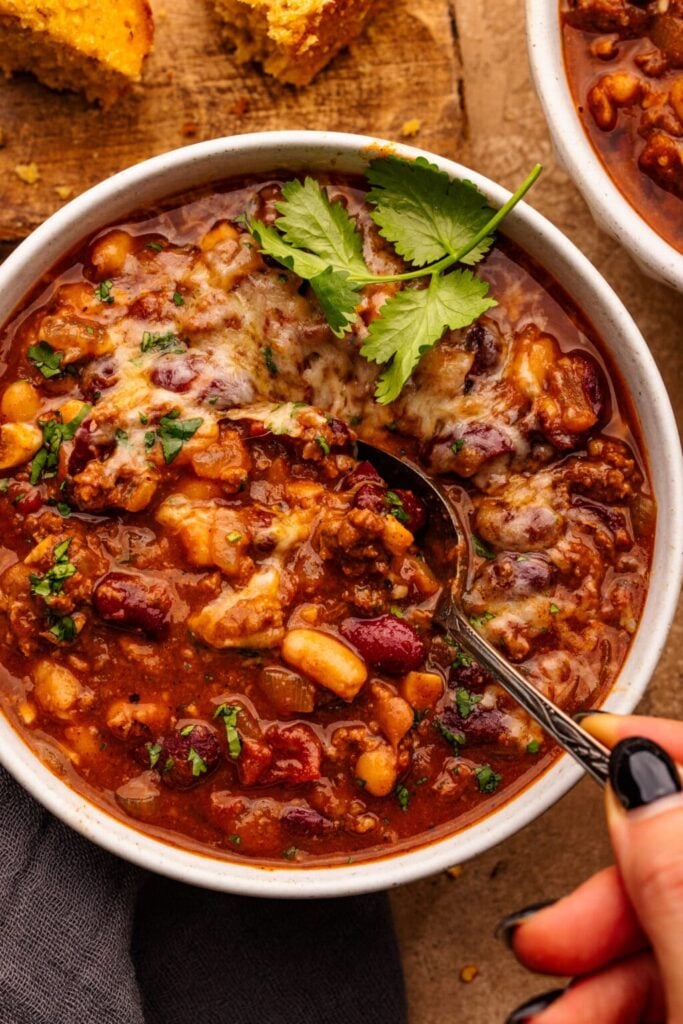
1. Classic Kidney Bean Chili with Ground Beef
This dish combines ground beef with kidney beans and spices for a filling meal. You can use 80% to 85% lean ground beef for the best flavor.
The recipe typically includes tomatoes, chili powder, cumin, and oregano. Simmer everything together until the flavors blend.
Dark red kidney beans are the standard choice for chili. Make this ahead and store it in your fridge for up to five days.
Freeze leftovers for up to a month to simplify meal planning.

2. Zesty Kidney Bean Soup with Herbs and Spices
This soup brings together red kidney beans with fresh vegetables in a tomato base. Add bell peppers, corn, and potatoes for extra texture and taste.
Use smoked paprika for depth and herbs like thyme or oregano to boost flavor. Adjust the spice level to match your preference.
Serve this soup with crusty bread or cornbread for a complete meal.

3. Mediterranean Kidney Bean Salad
This colorful salad brings together kidney beans with fresh vegetables and a simple dressing. Combine cucumbers, tomatoes, and herbs with the beans for a protein-packed dish.
The dressing uses olive oil and lemon juice for a light and tangy flavor. Add chickpeas alongside the kidney beans for extra variety.
This recipe stays fresh in your fridge for several days. Serve it as a side dish or enjoy it as a complete lunch.

4. Chipotle Chicken Chili with Kidney, Pinto, and Black Beans
This hearty chili combines three types of beans with tender chicken and smoky chipotle peppers. Mix kidney beans, pinto beans, and black beans with shredded chicken, diced tomatoes, and spices like chili powder and cumin.
Chipotle peppers in adobo sauce add a smoky, spicy flavor. Start with one pepper if you’re unsure about the heat, then add more to taste.
Prepare this chili in a slow cooker, Instant Pot, or on your stove.

5. Kidney Bean and Cheese Mac and Cheese
Transform traditional mac and cheese into a heartier meal by adding kidney beans. The beans bring protein and fiber to this comfort food classic.
Cook your macaroni until it’s just tender. Mix in shredded cheddar cheese while the pasta is still hot so it melts smoothly.
Stir in drained kidney beans last. Use mild or dark red kidney beans based on what you have available.

6. Slow-Cooker Kidney Bean Stew
A slow-cooker kidney bean stew takes about 10 minutes to prep before the appliance does the rest of the work. Add your favorite vegetables like carrots, celery, and onions along with the beans.
Season your stew with spices and herbs at the start of cooking so the beans absorb the flavors over time. Use Cajun spices for a bolder taste or simple salt and pepper for a milder version.
Serve your kidney bean stew with crusty bread or cornbread.

7. Kidney Bean and Quinoa Veggie Burgers
These veggie burgers combine kidney beans and cooked quinoa to create a filling, protein-rich patty. Pulse the beans and quinoa in a food processor until they stick together while keeping some texture.
Add seasonings like cumin, garlic, and fresh cilantro to boost the flavor. Form the mixture into patties.
Bake these burgers in the oven or cook them on the stovetop. Serve them on buns with lettuce, tomato, and your preferred toppings.

8. Red Kidney Bean and Rice Bowl
Red kidney beans and rice make a classic comfort dish that’s budget-friendly and full of flavor. Combine soaked dried red kidney beans with smoky andouille sausage for an authentic taste.
Cook the beans low and slow until they’re creamy and tender. Add diced onions, bell peppers, and celery for a traditional base.
Season with Cajun spices for bold, savory notes. Serve your beans over fluffy long-grain rice.

9. Kidney Bean and Avocado Salad
This salad combines kidney beans with creamy avocado for a simple, nutritious dish. Get protein from the beans and healthy fats from the avocado in one bowl.
Most versions include lime juice, which adds brightness to the creamy ingredients. Customize it with your favorite vegetables or herbs.

10. Spicy Kidney Bean Curry
Spicy kidney bean curry transforms simple beans into a bold, flavorful dish. Simmer kidney beans with tomatoes, onions, garlic, and ginger to build a rich base.
Spices like garam masala and chili powder add heat. Adjust the spice level to match your preferences.
Serve the curry over rice or with flatbread for a complete dinner that’s ready in about 30 minutes.
Nutritional Benefits of Kidney Beans
Kidney beans pack a powerful nutritional punch with high amounts of protein and fiber, plus essential vitamins and minerals that support your body’s daily functions. These nutrients help manage your weight, support heart health, and keep your blood sugar stable.
Protein and Fiber Content
Kidney beans deliver about 15 grams of protein per cooked cup. This makes them an excellent protein source, especially if you eat plant-based meals or want to reduce your meat intake.
The fiber content is equally impressive. One cup of cooked kidney beans gives you around 13 grams of fiber, which is nearly half of your daily fiber needs.
This fiber comes in two types: soluble and insoluble. Soluble fiber helps lower your cholesterol and stabilize your blood sugar levels.
Insoluble fiber keeps your digestive system running smoothly and helps prevent constipation. The combination of protein and fiber keeps you feeling full longer.
Vitamins and Minerals
Kidney beans contain several important vitamins and minerals your body needs each day:
- Folate: One cup provides about 58% of your daily needs, which supports cell growth and DNA formation
- Iron: Essential for carrying oxygen in your blood and preventing fatigue
- Magnesium: Helps regulate blood pressure and supports bone health
- Potassium: Works to balance fluids in your body and maintain healthy blood pressure
- Zinc: Supports your immune system and helps wounds heal
You’ll also get B vitamins like thiamine and vitamin B6. These help your body convert food into energy and support your nervous system.
Role in Balanced Diets
Kidney beans fit into many different eating patterns. They work well in vegetarian and vegan diets as a complete protein when paired with grains like rice or quinoa.
Your heart benefits from eating kidney beans regularly. The fiber, potassium, and magnesium work together to lower cholesterol and reduce blood pressure.
If you manage diabetes, kidney beans can help control your blood sugar. Their low glycemic index causes a slower, steadier rise in blood sugar compared to refined carbohydrates.
The high fiber content also slows down how quickly your body absorbs sugar from your meals.
Tips for Cooking With Kidney Beans
Proper preparation makes kidney beans safer to eat and easier to digest. Soaking dried beans before cooking removes compounds that cause digestive issues and reduces cooking time significantly.
How to Properly Soak and Prepare
Rinse dried kidney beans under cold water to remove dirt and debris before soaking. Pick through the beans and discard any shriveled or discolored ones.
Soaking Methods:
- Overnight soak: Cover beans with 3-4 inches of cold water and let sit for 8-12 hours
- Quick soak: Boil beans for 2-3 minutes, remove from heat, cover, and let stand for 1 hour
Never cook kidney beans in your slow cooker without boiling them first. Raw or undercooked kidney beans contain toxins that can make you sick.
Boil kidney beans for at least 10 minutes before adding them to any recipe. Drain and rinse soaked beans before cooking them in fresh water.
Reducing Gas and Improving Digestion
Add a piece of kombu seaweed to your cooking water to break down the complex sugars that cause gas. You can also add a pinch of baking soda to the soaking water, though this may affect the beans’ texture slightly.
Change the water at least once during a long soak. This removes more of the gas-causing compounds.
Start with smaller portions if you don’t eat beans regularly. Gradually increase your serving size over several weeks.
Cook beans thoroughly so they are soft enough to mash easily with a fork.
Best Practices for Storage
Store dried kidney beans in an airtight container in a cool, dry place for up to one year. Label the container with the purchase date since older beans take longer to cook.
Cooked Bean Storage:
- Refrigerator: 3-4 days in a covered container
- Freezer: Up to 6 months in freezer-safe bags or containers
Freeze cooked beans in 1.5 to 2 cup portions, which equals one standard can. This makes it easy to substitute them in recipes calling for canned beans.
Keep canned kidney beans in your pantry for up to 2-3 years. Transfer opened canned beans to a glass or plastic container and refrigerate for up to 4 days.
Frequently Asked Questions
Kidney beans work well in many different cooking styles, from quick weeknight meals to traditional dishes that need more time. Use either canned or dried beans depending on what fits your schedule and taste preferences.
What are some healthy ways to prepare kidney beans?
Kidney beans naturally provide protein and fiber without adding extra calories to your meals. Use minimal oil when cooking and add vegetables like bell peppers, tomatoes, and onions to boost nutrition.
Prepare kidney beans in soups or salads where they can shine without heavy sauces. Season them with herbs and spices like cumin, garlic, and paprika instead of salt or fatty ingredients.
Which vegetarian recipes can I make with kidney beans?
Mediterranean Kidney Bean Salad makes a great plant-based meal with fresh vegetables and a light dressing. Kidney Bean and Cheese Mac and Cheese gives you comfort food with added protein from the beans.
Make kidney bean burgers by mashing the beans with breadcrumbs and spices. Kidney beans work well in vegetarian tacos, burritos, and grain bowls too.
How can I enhance the flavor of kidney beans in my cooking?
Start by sautéing onions and garlic in your pot before adding the beans. This creates a flavor base that makes the whole dish taste better.
Add spices during the cooking process so they blend with the beans. Chipotle peppers, cumin, chili powder, and smoked paprika all pair well with kidney beans.
A splash of vinegar or lime juice at the end brightens up the flavor.
Are there any simple recipes that include canned kidney beans?
Canned kidney beans speed up recipes since they’re already cooked. Make Classic Kidney Bean Chili with Ground Beef in about 30 minutes using canned beans.
Zesty Kidney Bean Soup with Herbs and Spices comes together quickly when you drain and rinse canned beans before adding them to your pot. The Kidney Bean and Cheese Mac and Cheese also works perfectly with canned beans.
Could you suggest Indian dishes that feature red kidney beans?
Rajma is a popular North Indian curry made with red kidney beans in a spiced tomato sauce.
You serve it over rice for a complete meal.
Ginger, garlic, cumin, coriander, and garam masala give the dish its distinctive taste.
Some recipes add cream or yogurt at the end for richness.
What common mistakes should I avoid when cooking with kidney beans?
Never eat raw or undercooked kidney beans because they contain toxins that can make you sick.
Boil dried kidney beans for at least 10 minutes to remove these toxins.
Don’t add salt or acidic ingredients like tomatoes until the beans are tender if you’re cooking dried beans.
These ingredients can make the skins tough.
Always rinse canned kidney beans before using them to remove excess sodium from the canning liquid.