
Korean side dishes, called banchan, are small plates of vegetables, pickled foods, and other dishes that appear at almost every Korean meal. These dishes turn simple meals into complete dining experiences.
They range from the well-known kimchi to savory pancakes and seasoned vegetables. Learning to make these side dishes at home lets you bring the flavors of Korean cooking into your own kitchen.
This guide covers popular options like fermented vegetables, stir-fried noodles, braised potatoes, and steamed eggs. You’ll also discover why these dishes matter in Korean culture and how to serve them with your meals.
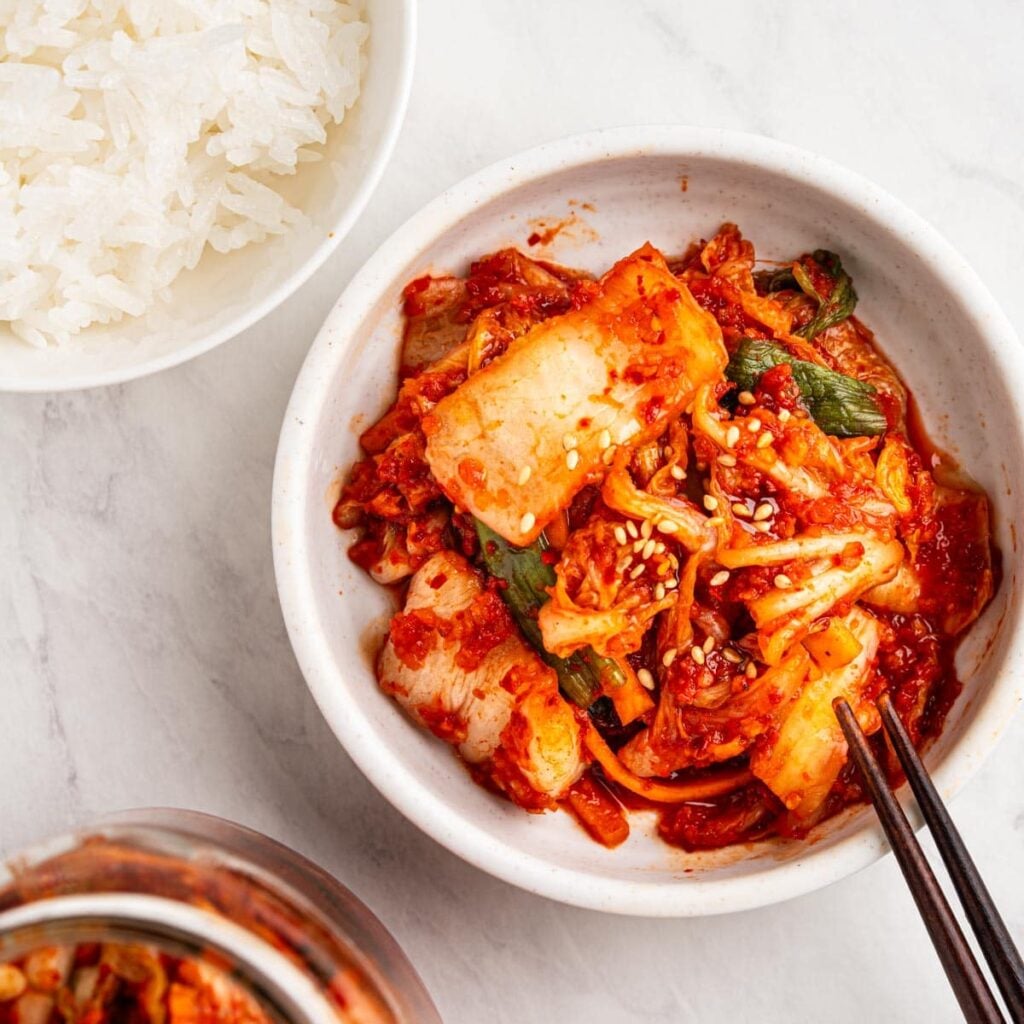
1. Kimchi
Kimchi is Korea’s most famous side dish. It’s made from fermented napa cabbage mixed with Korean red pepper flakes, garlic, ginger, and salt.
Fermentation gives kimchi a tangy, spicy flavor. You’ll find kimchi served at almost every Korean meal.
Kimchi can last for months in your fridge when you store it properly in a sealed jar. The taste gets stronger and more sour as it ages.
Eat kimchi on its own or pair it with rice, stews, and grilled meats.

2. Japchae (Stir-Fried Glass Noodles)
Japchae is a popular Korean noodle dish made with sweet potato glass noodles. The noodles have a chewy texture that makes them different from other types of pasta.
Colorful vegetables like spinach, carrots, and mushrooms mix in with the noodles. The dish often includes thin strips of beef, though you can make it without meat.
The sauce is sweet and savory, made with soy sauce and sesame oil. Koreans traditionally serve japchae at celebrations and special occasions.
Japchae also works well as an everyday side dish.

3. Kongnamul Muchim (Seasoned Soybean Sprouts)
Kongnamul muchim is one of the most common side dishes in Korean homes. You’ll find this simple banchan served with almost every meal.
Blanched soybean sprouts get tossed with garlic, sesame oil, and sesame seeds. The dish has a crunchy texture and a mild, nutty flavor.
You can make this side dish in about 10 minutes. It’s budget-friendly and healthy.

4. Gamja Jorim (Braised Potatoes)
Gamja jorim is a popular Korean side dish made with potatoes simmered in a sweet and savory soy sauce. You can make this dish in under 30 minutes.
The potatoes turn soft on the inside while developing a slightly sticky, glossy exterior. Baby potatoes work best for this recipe, though you can use regular potatoes cut into chunks.
The braising liquid includes soy sauce, sugar, and garlic. As the sauce reduces, it coats the potatoes in a flavorful glaze.

5. Oi Muchim (Spicy Cucumber Salad)
Oi muchim is a refreshing Korean cucumber side dish that takes just minutes to prepare. Crisp cucumbers balance spicy and rich main courses.
Thinly sliced cucumbers get tossed with gochugaru (Korean chili flakes), sesame oil, rice vinegar, and garlic. Some versions include gochujang for extra heat.
This banchan works perfectly with Korean BBQ, grilled meats, or simple rice bowls. The bright, tangy flavors help cool your palate between bites of heavier dishes.
Use seedless English cucumbers for the best texture.

6. Gyeranjjim (Steamed Egg Custard)
Gyeranjjim is a simple Korean steamed egg dish that you can make in about 15 minutes. The eggs turn out soft and fluffy with a custard-like texture.
Korean restaurants serve this dish as a side, especially at Korean barbecue. Many Korean families also make it at home for breakfast, lunch, or dinner.
The basic recipe uses eggs, water or broth, and salt. You can cook it on the stovetop or in the microwave.
The eggs should come out light and jiggly when done properly.

7. Sigeumchi Namul (Seasoned Spinach)
Sigeumchi namul is a simple Korean side dish made with blanched spinach. You’ll find it served at most Korean meals, both at home and in restaurants.
Blanch fresh spinach briefly, then season it with sesame oil, garlic, and soy sauce. Some versions include toasted sesame seeds for extra flavor.
This banchan offers a light, healthy option that balances richer dishes on your table. The spinach stays slightly crisp while absorbing the savory seasonings.

8. Pajeon (Korean Scallion Pancake)
Pajeon is a crispy Korean pancake made with scallions and a simple batter. You can serve it as a snack, appetizer, or side dish alongside your main meal.
The pancake takes about 15 minutes to make from start to finish. Mix flour, water, and eggs to create the batter, then add generous amounts of sliced scallions.
Get the edges crispy while keeping the inside tender for the best results. Serve it hot with a tangy soy-based dipping sauce.

9. Buchujeon (Garlic Chive Pancake)
Buchujeon is a simple Korean pancake made with garlic chives. The word “buchu” means garlic chives and “jeon” means pancake.
Serve this dish as an appetizer, side dish, or snack. It’s crispy on the outside and filled with fresh chives.
The pancake takes about 30 minutes to make. Enjoy it with a soy sauce-based dipping sauce.
Koreans often make this at home because it requires basic ingredients and simple cooking techniques.

10. Tteokbokki (Spicy Rice Cakes)
Tteokbokki is one of Korea’s most popular street foods. You’ll find these chewy rice cakes coated in a spicy red sauce made with gochujang.
The dish comes together in about 20 to 30 minutes. The rice cakes have a soft, chewy texture that soaks up the sweet and spicy sauce.
Add fish cakes, cabbage, and scallions to make it more filling. The sauce gets its bold flavor from gochujang and gochugaru red chili pepper.
This dish works well as a side or snack.
Cultural Importance of Korean Side Dishes
Korean side dishes, known as banchan, represent more than just extra food on the table. They show how Koreans value sharing, balance, and bringing people together through meals.
Role in Korean Meals
Banchan appears at almost every Korean meal as a required part of the dining experience. You’ll find these small plates placed in the center of the table for everyone to share rather than served as individual portions.
The variety of side dishes creates balance in your meal. Each banchan offers different flavors like spicy, sour, salty, or sweet.
This mix helps you customize each bite and keeps your meal interesting from start to finish.
Key elements banchan brings to meals:
- Multiple textures and tastes in one sitting
- Nutritional balance through vegetables and fermented foods
- Interactive eating where you choose your combinations
- Shared plates that connect diners
The number of banchan served often shows the importance of the meal or occasion. Simple home meals might have three to five dishes, while special gatherings can feature twelve or more.
Tradition and Family Gatherings
Sharing banchan from communal plates reflects Korean values about community and togetherness. When you eat at a Korean table, the shared dishes physically bring everyone closer and create connection.
Food holds deep meaning in Korean culture beyond just eating. Making and serving banchan takes time and care, showing respect for guests and family members.
Mothers and grandmothers often prepare these dishes using recipes passed down through generations. At family gatherings, the table filled with banchan shows hospitality and abundance.
Each dish carries memories and traditions. Preparing multiple side dishes demonstrates effort and love for the people you’re feeding.
Tips for Pairing and Serving Korean Side Dishes
Korean side dishes work best when they balance the flavors and textures of your main course. The way you arrange these dishes on the table also matters for both visual appeal and easy access during the meal.
Complementing Main Dishes
Match your side dishes to contrast with your main course rather than repeat similar flavors. If you’re serving rich, fatty grilled meats, choose acidic and spicy options like kimchi or pickled radishes to cut through the heaviness.
For lighter fish dishes, opt for heartier sides like seasoned potatoes or glass noodles. Temperature contrast adds another layer of balance to your meal.
Serve cold or room temperature sides alongside hot main dishes to create variety at the table. Think about texture when selecting your banchan.
If your main dish is soft, include crunchy vegetables or crispy seaweed. For grilled proteins, fresh lettuce leaves let diners create wraps with meat and rice.
Basic Pairing Guidelines:
- Grilled meats – kimchi, pickled vegetables, fresh lettuce
- Stews and soups – seasoned spinach, bean sprouts, dried fish
- Fried foods – pickled radish, cucumber salad, fermented vegetables
Presentation and Arrangement
Traditional Korean meals use small individual dishes for each banchan. Place 3-5 different side dishes in small bowls around the main course and rice.
This setup lets everyone easily reach each item without passing plates. Arrange your dishes by color to make the table more appealing.
Put white, green, red, and yellow items in different spots to create visual balance. The variety of colors naturally shows you have different nutrients and flavors.
Keep fresh banchan separate from pickled or saucy items to prevent mixing flavors before serving. Room temperature sides can sit directly on the table, but keep hot dishes on trivets to protect your surface.
Frequently Asked Questions
Korean side dishes offer variety and balance to any meal, from selecting the right banchan for grilled meats to understanding proper preparation methods and key ingredients that make these dishes authentic.
What are some popular Korean side dishes to serve with barbecue?
Kimchi stands as the most essential side dish for Korean barbecue. Its tangy, spicy flavor cuts through the richness of grilled meats perfectly.
Seasoned soybean sprouts (kongnamul muchim) provide a light, refreshing contrast with their mild flavor and crunchy texture. You can also serve spicy cucumber salad (oi muchim), which adds cooling elements to balance the heat from the grill.
Braised potatoes (gamja jorim) offer a sweet and savory option that pairs well with beef and pork. Stir-fried glass noodles (japchae) work as a heartier side that complements the protein-focused barbecue spread.
How do you properly prepare and serve kimchi as a side dish?
Remove kimchi from its container using clean utensils to prevent contamination. Cut the kimchi into bite-sized pieces if the leaves are whole.
Place the kimchi in a small dish and include some of the brine for extra flavor. Serve it cold or at room temperature, never hot.
Store leftover kimchi in an airtight container in the refrigerator. The fermentation process continues over time, so the flavor will become stronger and more sour as it ages.
What are the essential ingredients for making authentic Korean side dishes at home?
Gochugaru (Korean red pepper flakes) provides the signature spicy kick found in many Korean dishes. You need soy sauce, sesame oil, and garlic as foundational flavoring agents.
Rice vinegar adds the necessary acidity for balanced flavors. Sesame seeds contribute a nutty taste and visual appeal when sprinkled on top.
Gochujang (fermented red pepper paste) delivers complex, savory heat for dishes like spicy cucumber salad. Fresh ginger, green onions, and fish sauce round out the essential pantry items you need for authentic Korean cooking.
Can you suggest healthy and vegetarian-friendly Korean side dishes?
Seasoned soybean sprouts contain high protein and fiber while remaining completely plant-based. This dish uses only vegetables, sesame oil, garlic, and seasonings.
Spicy cucumber salad offers a low-calorie option packed with vitamins and hydration. You can make it with just cucumbers, gochugaru, garlic, and sesame oil.
Stir-fried glass noodles become vegetarian when you skip the meat and add more vegetables like carrots, spinach, and mushrooms. These ingredients provide nutrients without animal products.
What are the key differences between traditional Korean side dishes and Western side dishes?
Korean side dishes appear in multiple small portions at every meal. Western sides typically come as one or two larger servings.
You receive several banchan dishes automatically at Korean restaurants. Western restaurants charge separately for sides.
Korean side dishes emphasize fermented and pickled foods that aid digestion. Western sides focus more on cooked vegetables, starches, and breads without fermentation.
The flavors in Korean banchan balance spicy, sour, salty, and sweet all at once. Western side dishes usually highlight one or two flavor profiles instead of combining multiple tastes in each dish.
How can I incorporate Korean side dishes into everyday meals for added flavor?
Add kimchi to your breakfast eggs, rice bowls, or grilled cheese sandwiches for a spicy kick. Use it as a topping for baked potatoes or mix it into fried rice.
Serve seasoned soybean sprouts alongside grilled chicken or fish as a quick vegetable side. Pair spicy cucumber salad with sandwiches and wraps as a crunchy element.
Choose braised potatoes as a side for weeknight dinners instead of regular roasted potatoes. Mix japchae into your meal prep containers for lunches that stay fresh throughout the week.