
Soup offers comfort and nutrition in a single bowl. Whether you need a quick weeknight dinner or something to warm you up on a cold day, the right soup recipe can make any meal feel special.
From creamy classics to hearty stews, you can explore endless options.
This collection brings together the most popular and trusted soup recipes that deliver on both flavor and simplicity. You will find everything from traditional chicken noodle to rich broccoli cheese, along with helpful tips for making your soups turn out perfectly every time.
Each recipe is designed to be straightforward and satisfying. You can enjoy homemade soup without spending hours in the kitchen.
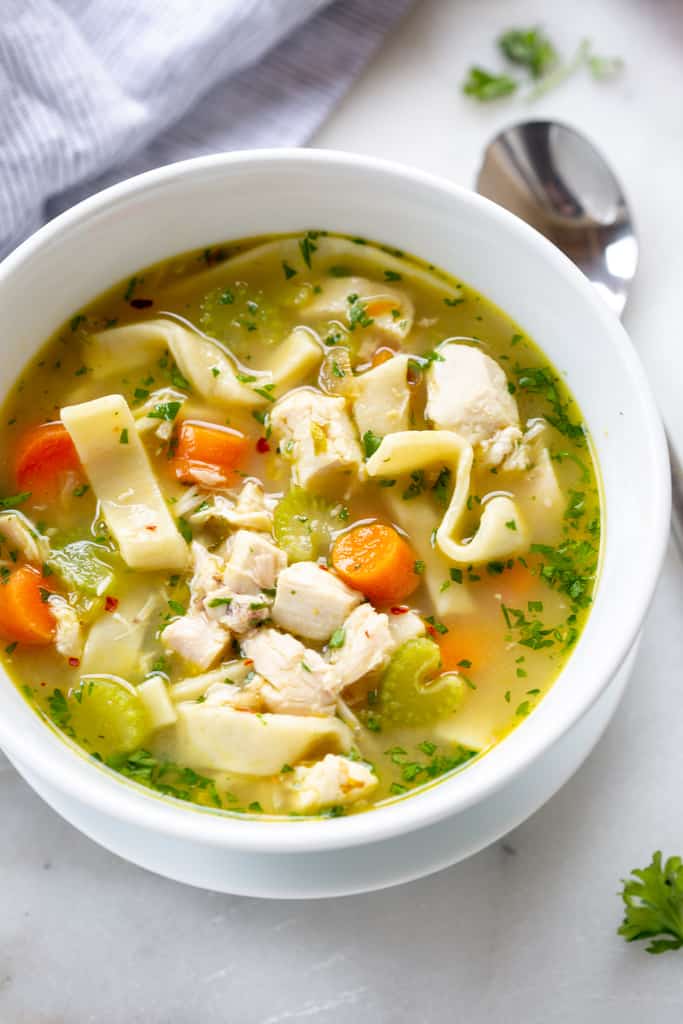
1. Classic Chicken Noodle Soup
Chicken noodle soup is a timeless comfort food that warms you up on cold days. You’ll need bone-in chicken, egg noodles, and vegetables like carrots, celery, and onions.
Start by sautéing your vegetables with garlic to build flavor. Add your chicken and broth to simmer until the meat is tender.
Pull the cooked chicken from the bones and return it to the pot with your noodles. Build a well-seasoned broth from simple ingredients.

2. Creamy Broccoli Cheese Soup
This soup combines fresh broccoli with sharp cheddar cheese for a rich, satisfying meal. Make it in about 35 to 40 minutes with simple ingredients like butter, onion, flour, milk, and half-and-half.
The soup works well for busy weeknights or weekend cooking. Use fresh or frozen broccoli depending on what you have.
For the best texture, shred your own cheese instead of using pre-shredded varieties. Add carrots or celery if you want extra vegetables in your bowl.

3. French Onion Soup
French onion soup brings comfort to your table with its rich broth and sweet caramelized onions. Take your time to properly caramelize the onions until they turn golden brown.
You’ll need yellow onions, beef stock, and cheese for the classic version. Top each bowl with toasted bread and melted Gruyère cheese for an authentic finish.
The recipe is simple but requires patience. Caramelize your onions for about 30-40 minutes to develop deep flavor.

4. Potato Leek Soup
Potato leek soup combines simple ingredients into a creamy, satisfying meal. You’ll need Yukon Gold potatoes, fresh leeks, and a bit of cream to create this comforting dish.
The soup comes together in under an hour on your stovetop. After cooking the vegetables until tender, blend them to your preferred texture.
This recipe works well for weeknight dinners when you want something warm and filling. Top your bowl with fresh chives, crispy onions, or bacon bits for extra flavor.

5. Split Pea and Ham Soup
Split pea and ham soup turns leftover ham into a satisfying meal. You’ll need dried split peas, which don’t require soaking, plus basic vegetables like onions, carrots, and celery.
The soup cooks in under two hours on your stovetop. A ham bone adds rich flavor to the broth as it simmers with the peas.
This soup freezes well, so you can make a large batch ahead of time. Thaw it in your refrigerator overnight when you’re ready to eat.
Serve it with crusty bread for a complete meal.

6. Hungarian Mushroom Soup
Hungarian Mushroom Soup offers a rich and creamy meal that works well any time of year. The soup combines earthy mushrooms with paprika, dill, and sour cream to create a smooth texture and bold flavor.
You can make this dish in one pot, which makes cleanup simple. Fresh parsley and lemon juice add brightness to balance the cream.
Serve your soup with crusty bread for dipping. The paprika gives it a mild warmth without being spicy.
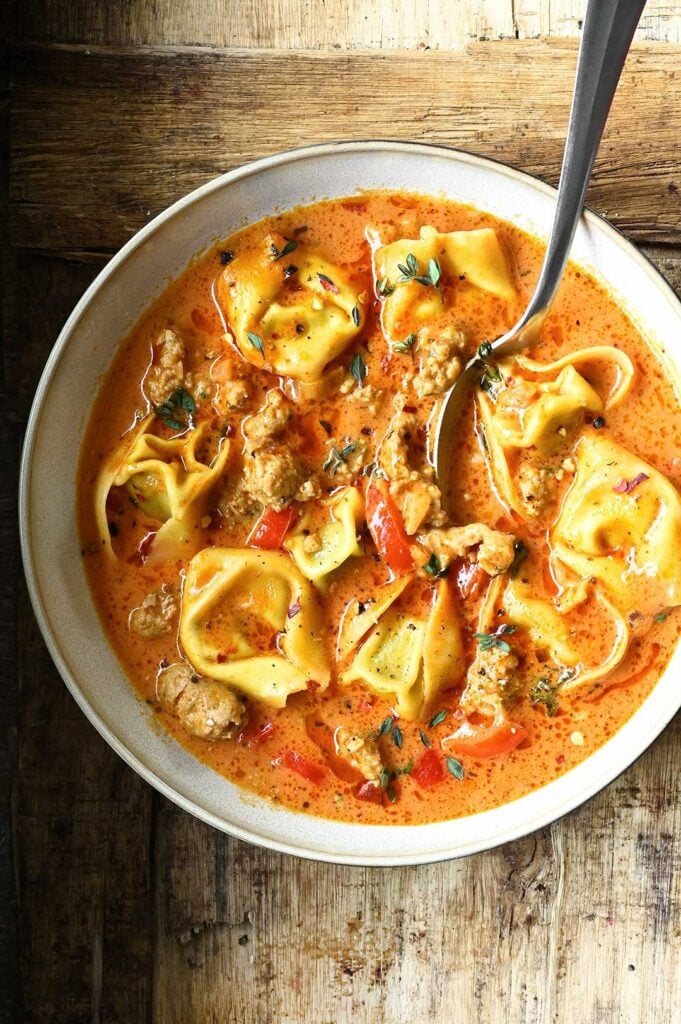
7. Italian Sausage Tortellini Soup
This soup brings together Italian sausage, cheese-filled tortellini, and a flavorful broth in one pot. Make it in about 30 to 45 minutes, which works well for busy weeknights.
The recipe typically includes tomatoes, garlic, and spinach or other vegetables. Choose mild or spicy sausage based on what you prefer.
The tortellini adds a satisfying texture while the sausage provides protein. Serve it with crusty bread and grated Parmesan cheese on top.

8. New England Clam Chowder
Enjoy this creamy, comforting soup that brings the taste of the coast to your kitchen. New England Clam Chowder features tender clams, diced potatoes, and crispy bacon in a rich, creamy broth.
The soup comes together in under an hour using simple ingredients. Use canned clams if fresh ones aren’t available.
Each spoonful delivers mild, delicate flavors. The sweetness of bacon balances the briny clams, while celery and onions add extra depth.

9. Hearty Beef Stew
Beef stew delivers pure comfort when cold weather arrives. Enjoy tender chunks of beef, carrots, potatoes, and onions simmered in a rich broth.
The key to great beef stew is patience. Slow cooking breaks down the meat and blends the flavors together.
Make this dish on the stovetop or in a slow cooker. The flavors get even better the next day.

10. Vegetable Curry Soup
Vegetable curry soup combines tender vegetables with warm spices in a creamy coconut milk base. Make this soup in about 30 minutes, which makes it perfect for busy weeknights.
The soup typically includes carrots, potatoes, and cauliflower simmered with curry powder. These ingredients create a filling meal that warms you up on cold days.
Adjust the spice level to match your taste. The recipe works well as a vegan option, and the coconut milk adds richness without dairy.
Tips for Perfect Soup Every Time
Making great soup depends on three main factors: starting with quality ingredients, getting the seasoning right, and controlling the texture. These elements work together to create soup that tastes homemade and satisfying.
Selecting the Right Ingredients
Your soup is only as good as what you put in it. Fresh vegetables make a noticeable difference in flavor compared to old or wilted ones.
Check that your carrots are firm, your celery is crisp, and your onions have no soft spots. Quality stock forms the base of most soups.
Homemade stock gives you the best flavor, but store-bought works well if you choose low-sodium versions. This lets you control the salt level yourself.
Pick proteins that match your cooking time. Tough cuts of meat like chuck roast or chicken thighs get tender during long simmering.
Quick-cooking proteins like shrimp or fish should go in near the end. If you use dried beans, soak them overnight to reduce cooking time and improve texture.
Fresh herbs add brightness that dried herbs can’t match. Add hardy herbs like thyme and rosemary early in cooking.
Save delicate herbs like parsley and basil for the last few minutes.
Balancing Flavors and Seasonings
Salt is your most important seasoning tool. Add it in stages as you cook rather than all at once.
This builds layers of flavor throughout the soup. Taste your soup regularly during cooking.
Your taste buds are the best guide for when something needs adjusting. If your soup tastes flat, it usually needs more salt or acid.
Add acid to brighten flavors. A splash of lemon juice, vinegar, or wine cuts through richness and makes other flavors stand out.
Start with a small amount and add more if needed. Don’t forget about umami.
Ingredients like tomato paste, soy sauce, parmesan rinds, or mushrooms add depth and make soup taste richer. Even a small amount makes a difference.
Season at the end too. Flavors concentrate as liquid evaporates, so soup that tasted perfect an hour ago might now be too salty.
Achieving Ideal Texture and Consistency
Control your heat to get the right texture. A rolling boil makes soup cloudy and can make vegetables mushy.
Keep your soup at a gentle simmer with small bubbles breaking the surface. If your soup is too thin, you have several options.
Simmer it uncovered to reduce the liquid. Mash some of the vegetables against the pot side to release their starches.
Add a slurry made from cornstarch and cold water. For creamy soups, blend only part of the soup if you want some texture.
An immersion blender makes this easy. You can also puree vegetables separately and stir them back in.
Avoid adding dairy too early. Milk and cream can curdle or separate with long cooking.
Stir them in during the last 10 minutes and keep the heat low. Cut your ingredients to similar sizes so they cook evenly.
Add vegetables based on how long they need to cook. Root vegetables go in first, while greens need just a few minutes.
Serving and Storing Homemade Soups
Making soup from scratch takes time and effort, so you want to serve it at its best and store it properly to prevent waste. The right garnishes enhance flavors, while proper storage keeps your soup safe to eat for days or even months.
Best Garnishes and Pairings
Fresh herbs add brightness to your soup right before serving. Parsley, cilantro, dill, and chives work well on most soups.
Basil pairs perfectly with tomato-based soups, while thyme complements chicken and vegetable varieties. Crunchy toppings create texture contrast.
Consider these options:
- Croutons for creamy soups
- Toasted nuts or seeds for pureed vegetables
- Crispy bacon bits for bean or potato soups
- Tortilla strips for Mexican-style soups
A dollop of sour cream, plain yogurt, or crème fraîche adds richness to spicy or acidic soups. Grated cheese works well on chowders and minestrone.
A drizzle of good olive oil or herb-infused oil brings out flavors in bean and vegetable soups. Serve crusty bread, crackers, or grilled cheese sandwiches alongside your soup for a complete meal.
The bread helps soak up every last drop.
Proper Storage Techniques
Let your soup cool to room temperature before storing, but don’t leave it out for more than two hours. Hot soup can raise your refrigerator’s temperature and affect other foods.
Store soup in airtight containers to prevent odors from spreading. Leave about an inch of space at the top because liquids expand when they cool.
Glass containers work well because they don’t absorb odors or stains. Plastic containers are lighter and won’t break if dropped.
Keep soup in the refrigerator at 40°F or below. Most soups stay fresh for 3-4 days when stored properly.
Cream-based soups last slightly less time, about 2-3 days. Label your containers with the date you made the soup.
This helps you track how long it’s been stored and ensures you eat it while it’s still good.
Freezing and Reheating Soups
Most soups freeze well for 2-3 months. Broth-based soups, bean soups, and vegetable soups freeze particularly well.
Cream-based soups can separate when frozen, but you can whisk them back together when reheating.
Soups that don’t freeze well:
- Soups with pasta (gets mushy)
- Soups with potatoes (texture changes)
- Soups with cream or milk (may separate)
Freeze soup in portion-sized containers for easy meals. Wide-mouth containers make it easier to remove frozen soup.
You can also freeze soup flat in freezer bags to save space. Thaw frozen soup in the refrigerator overnight for best results.
You can also reheat it directly from frozen over low heat on the stovetop, stirring occasionally. Add a splash of water or broth if the soup becomes too thick.
Heat soup to at least 165°F to ensure food safety.
Frequently Asked Questions
New cooks often wonder which recipes work best for their skill level, while experienced home cooks look for ways to use seasonal ingredients and add variety to their rotation. These questions cover everything from quick weeknight options to nutrient-rich choices that fit different seasons and dietary needs.
What are the top easy soup recipes for beginners?
Classic Chicken Noodle Soup is one of the best recipes to start with because it uses simple ingredients and straightforward cooking methods. You can master basic techniques like sautéing vegetables and simmering broth without complicated steps.
Potato Leek Soup requires minimal ingredients and comes together quickly with basic knife skills. The recipe is forgiving if you need to adjust cooking times or ingredient amounts.
Split Pea and Ham Soup practically makes itself once you add all the ingredients to the pot. You just need to stir occasionally while it simmers.
Which healthy soup recipes are best for a balanced diet?
Split Pea and Ham Soup provides protein, fiber, and essential nutrients without requiring cream or heavy ingredients. You get plant-based protein from the peas and lean protein from ham in a single bowl.
Classic Chicken Noodle Soup offers a balanced mix of lean protein, vegetables, and carbohydrates. Add extra vegetables like carrots, celery, and spinach to increase the nutritional value.
Potato Leek Soup becomes lighter when you use low-fat milk or broth instead of cream. Potatoes provide vitamins and fiber, while leeks add flavor without excess calories.
Can you recommend some soup recipes that are perfect for winter months?
French Onion Soup is ideal for cold weather with its rich, savory broth and melted cheese topping. Long-cooked onions create deep flavors that warm you from the inside.
Creamy Broccoli Cheese Soup delivers comfort during winter with its thick, satisfying texture. Cheese and vegetables make it filling enough for a complete meal.
Split Pea and Ham Soup becomes especially appealing when temperatures drop. The thick consistency and smoky ham flavor provide comfort on cold days.
What are the classic gourmet soups that everyone should try?
French Onion Soup stands as a restaurant favorite that you can recreate at home with patience and quality ingredients. Properly caramelize the onions and use good beef broth for the best results.
Potato Leek Soup gained fame in fine dining establishments for its smooth texture and elegant simplicity. The mild flavors showcase proper technique rather than relying on strong seasonings.
Creamy Broccoli Cheese Soup transforms simple vegetables into a restaurant-quality dish when you use real cheese and avoid shortcuts. The smooth consistency and rich flavor rival what you’d find in upscale restaurants.
What are some quick soup ideas for a hearty dinner?
Classic Chicken Noodle Soup can be ready in 30-40 minutes if you use pre-cooked rotisserie chicken. You still get homemade flavor without spending hours in the kitchen.
Potato Leek Soup comes together fast because potatoes cook quickly when cut into small pieces. The recipe requires minimal prep work and active cooking time.
Creamy Broccoli Cheese Soup takes less than an hour from start to finish. Use pre-shredded cheese and frozen broccoli to speed up the process.
How can I incorporate seasonal vegetables into my soup recipes?
You can add spring vegetables like asparagus and peas to Classic Chicken Noodle Soup for a lighter version. Fresh herbs like dill and parsley brighten the flavors.
Summer tomatoes, zucchini, and corn work well in lighter broth-based soups. You can modify Potato Leek Soup by adding fresh summer squash and reducing the cream.
Fall vegetables like butternut squash, Brussels sprouts, and kale fit naturally into heartier recipes. Add roasted root vegetables to Split Pea and Ham Soup for extra depth and nutrition.