
Sourdough baking opens up a world of options that go far beyond a simple loaf of bread. Your sourdough starter can create everything from breakfast treats to dinner staples and even sweet desserts.
Learning to work with sourdough lets you make healthy, tasty food at home using basic ingredients and traditional methods.
This collection covers both classic bread recipes and creative ways to use your starter. You’ll find instructions for making different types of bread, along with recipes for cinnamon rolls, pizza crust, tortillas, and more.
Each recipe is designed to help you get good results whether you’re just starting out or already have baking experience. The guide also includes practical tips for improving your technique and solving common problems.
You’ll learn what works best for mixing, shaping, and baking sourdough. These recipes give you the tools to make delicious food your family will enjoy.
1. Classic Sourdough Bread
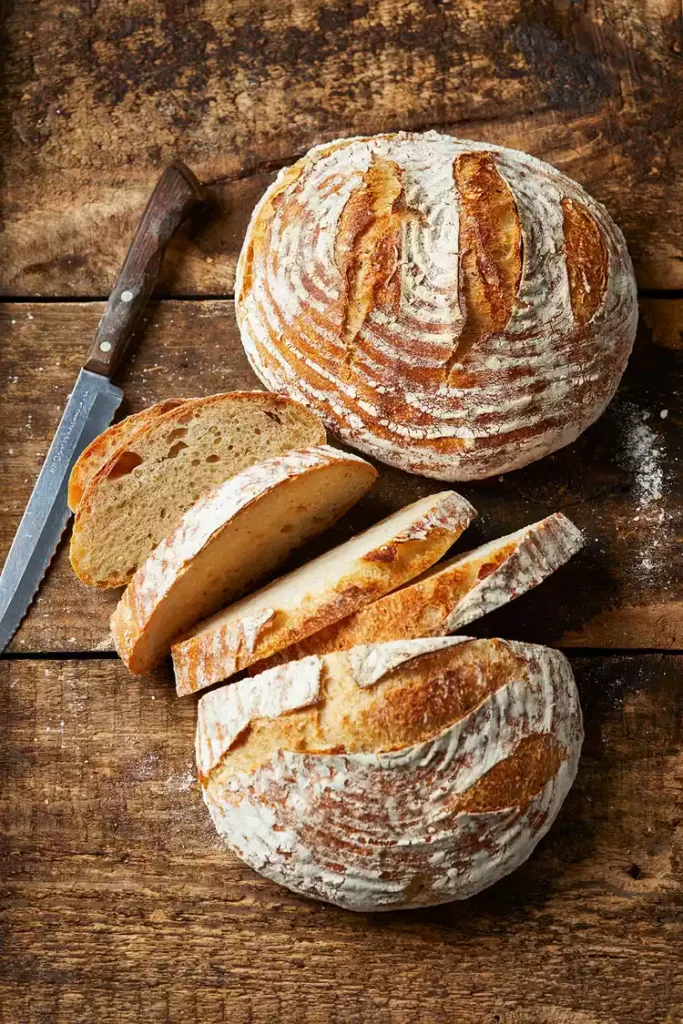
Classic sourdough bread is the foundation of artisan baking. You need just three basic ingredients: active sourdough starter, bread flour, and salt.
The process starts with mixing flour and water, then letting it rest. This step is called autolyse.
You add your starter and salt later, then fold the dough several times over a few hours. The bread develops a crispy crust and soft interior.
You’ll get a mild tangy flavor that makes sourdough special.

2. Whole Wheat Sourdough Loaf
Whole wheat sourdough bread brings extra nutrition and a nutty flavor to your baking. You can start with a recipe that uses 20% whole wheat flour if you want a lighter texture.
This gives you the health benefits without making your bread too dense. For a heartier loaf, try a fifty-fifty blend of whole wheat and white flour.
This balance creates good flavor while keeping your bread easy to slice. If you want maximum nutrition, you can make 100% whole wheat sourdough.
These loaves take practice but deliver rich taste and soft texture.
3. Rye Sourdough Bread
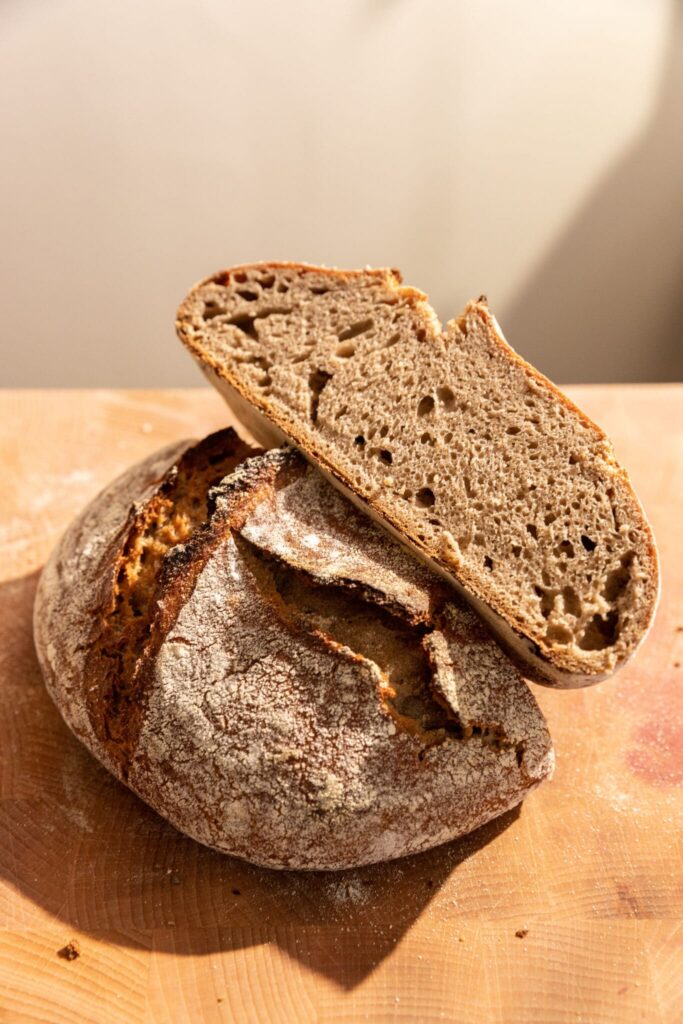
Rye sourdough bread brings a deeper flavor to your baking routine. The rye flour adds an earthy taste that pairs well with the tang from your sourdough starter.
This bread works great for sandwiches and toast. You can use all rye flour or mix it with bread flour to help your loaf hold its shape better.
Rye flour behaves differently than wheat flour when you mix it. It absorbs more water and creates a stickier dough.
Many recipes include molasses or caraway seeds to add extra flavor.

4. Sourdough Cinnamon Rolls
Sourdough cinnamon rolls bring a tangy twist to the classic breakfast treat. You can make them with either active starter or discard, depending on your timeline.
The dough rises slowly, which builds better flavor than regular cinnamon rolls. Most recipes work best when prepared overnight in the fridge.
Your rolls will turn out soft and fluffy with a gooey cinnamon filling. Top them with cream cheese frosting or a simple glaze.
The sourdough adds depth without overpowering the sweet cinnamon taste.

5. Sourdough Dinner Rolls
Sourdough dinner rolls bring a subtle tang to your bread basket while staying soft and fluffy. You can make them with active starter or discard, and they work well for weeknight dinners or special occasions.
These rolls use milk, butter, and eggs to create a rich, tender texture. You’ll find same-day recipes that take just a few hours, or overnight versions that fit your schedule better.
The result is pull-apart rolls with a mild sourdough flavor that pairs well with any meal.

6. Sourdough Banana Muffins
Sourdough banana muffins are a simple way to use your sourdough discard. You can mix these muffins in one bowl without a mixer.
The ripe bananas add natural sweetness and moisture. The sourdough discard gives the muffins a light tang that balances the banana flavor.
You can make these muffins in about 15 minutes of hands-on time. They work well for breakfast or as a snack.
Many recipes include options for add-ins like walnuts or a crumb topping.

7. Sourdough Pizza Crust
Sourdough pizza crust brings a tangy flavor and better texture to your homemade pizza. The active starter creates a dough that turns crispy on the outside and chewy on the inside.
You’ll need just a few basic ingredients: sourdough starter, flour, water, salt, and olive oil. The dough requires 24 to 48 hours of fermentation in the fridge.
This slow fermentation makes the dough easier to digest and develops deeper flavors. Your crust will have those signature air pockets and a golden-brown char that rivals pizzeria-style pizza.

8. Sourdough Tortillas
Sourdough tortillas turn your discard into soft, flexible flatbreads. You’ll need just five basic ingredients: sourdough starter or discard, flour, water, oil, and salt.
The dough comes together quickly and rests for about 30 minutes. You can then roll the tortillas thin and cook them on a hot skillet for 30-60 seconds per side.
These tortillas work well for tacos, wraps, quesadillas, and burritos. The sourdough adds a subtle tangy flavor that makes them tastier than store-bought versions.

9. Sourdough Churros
Sourdough churros turn your leftover starter into crispy, golden treats coated in cinnamon sugar. The sourdough discard adds a subtle tang that makes these churros taste different from regular ones.
You can make them in about 30 minutes with basic ingredients you likely have in your kitchen. The outside gets crispy while the inside stays soft and airy.
Serve them with chocolate dipping sauce or Mexican hot chocolate for extra flavor. These work well as a dessert or special breakfast treat.

10. Sourdough Crackers
Sourdough crackers transform your leftover starter into crispy, flavorful snacks. You can use 200 grams or more of discard in a single batch, making this recipe practical for regular bakers.
The crackers work well on cheese boards, with dips, or as standalone snacks. You can customize them with different seasonings like everything bagel spice, herbs, or cheese.
Rolling the dough thin creates the crispiest texture. Most recipes require simple ingredients you already have: flour, butter, salt, and your sourdough discard.
Key Techniques for Perfect Sourdough
Success with sourdough depends on three core skills: maintaining a healthy starter, managing fermentation time and temperature, and properly shaping your dough before baking.
Mastering Sourdough Starters
Feed your starter with equal parts flour and water by weight, typically once daily at room temperature or once weekly if stored in the fridge. Your starter needs regular feeding to stay active and strong.
A healthy starter should double in size within 4-8 hours after feeding. It will smell pleasantly tangy and show lots of bubbles throughout.
The texture should be thick and stretchy, not watery or separated.
Signs of a ready starter:
- Doubles in volume after feeding
- Passes the float test (a spoonful floats in water)
- Shows many active bubbles
- Has a fresh, yogurt-like smell
Use your starter when it reaches peak activity, right before it starts to fall. This timing gives you the strongest leavening power for your bread.
Controlling Fermentation and Proofing
Temperature controls how fast your dough ferments. Warmer conditions (75-80°F) speed up fermentation, while cooler temperatures (65-70°F) slow it down and develop more flavor.
Bulk fermentation typically takes 4-6 hours at room temperature. You’ll know it’s done when the dough has grown by 50-75% and shows bubbles on the surface.
The dough should feel airy and slightly jiggly when you shake the bowl. Final proofing can happen in the fridge overnight (8-12 hours) or at room temperature (2-4 hours).
Cold proofing makes scoring easier and develops a deeper flavor. Check if your dough is ready by doing the poke test.
Press your finger gently into the dough. If it springs back slowly and leaves a slight indent, it’s ready to bake.
Shaping and Scoring Tips
Shape your dough with tension on the outer surface to help it rise upward instead of spreading flat. Use your hands to pull the dough toward you on an unfloured surface, creating a tight skin.
Let the shaped dough rest seam-side up in a floured basket or bowl. This support maintains the round shape during final proofing.
Score your loaf with a sharp blade or razor right before baking. Cut at a 45-degree angle, about 1/4 to 1/2 inch deep.
One long slash or a simple cross pattern works well for beginners. Your scoring pattern controls where the bread expands in the oven.
Deeper cuts create dramatic openings, while shallow cuts give a subtler look.
Troubleshooting Common Sourdough Challenges
Dense loaves, weak crusts, and sluggish starters often stem from specific, fixable issues in your process. Understanding temperature control, feeding schedules, and fermentation timing will help you consistently produce better bread.
Achieving the Ideal Crust and Crumb
Create your best crust by baking with steam during the first 15-20 minutes. Place a metal pan on the bottom rack and add boiling water right when you load your bread, or use a covered Dutch oven to trap moisture.
A dense crumb usually means your dough didn’t get enough air during fermentation. Let your dough rise until it increases by 50-75% in size, and handle it gently during shaping to preserve the gas bubbles.
Check that your oven temperature is accurate with an oven thermometer since many home ovens run 25°F too cool. For an open, airy crumb, use higher hydration dough around 75-80% water to flour ratio.
Perform 4-6 sets of stretch and folds during bulk fermentation, spacing them 30 minutes apart. A pale crust happens when your oven isn’t hot enough or you removed the steam cover too early.
Bake at 450-500°F and uncover your bread for the final 20-25 minutes to develop deep color.
Maintaining Starter Health
Feed your starter at consistent times using a 1:1:1 ratio of starter, flour, and water by weight. A healthy starter should double in size within 4-8 hours at room temperature and smell pleasantly tangy, not like acetone or nail polish remover.
Store your starter in the refrigerator if you bake less than twice per week. Feed it once weekly to keep the yeast active.
Before baking, remove it from the fridge and give it 2-3 feedings at room temperature, spaced 12 hours apart. If your starter develops liquid on top, simply stir it back in.
This liquid, called hooch, means your starter is hungry and needs more frequent feedings. Discard half your starter before each feeding to prevent it from becoming too acidic.
Temperature affects starter activity significantly. Your starter ferments fastest between 75-82°F and slows down considerably below 70°F.
Preventing Over-Fermentation
Over-fermented dough spreads flat and won’t hold its shape during baking. Watch for dough that smells overly sour, feels slack and sticky, or shows large irregular holes on the surface.
Stop your bulk fermentation when the dough increases by 50-75% in volume, shows visible bubbles throughout, and passes the poke test. Press your finger gently into the dough—it should slowly spring back halfway but leave a slight indent.
Room temperature matters more than clock time. Dough ferments in 3-4 hours at 78°F but may need 6-8 hours at 68°F.
Move your dough to a cooler spot or use the refrigerator to slow fermentation if needed. During final proofing, your shaped loaf is ready when it feels puffy and springs back slowly when pressed.
This typically takes 2-4 hours at room temperature or 8-16 hours in the refrigerator. Refrigerating your shaped dough overnight often produces better flavor and makes scoring easier.
Frequently Asked Questions
New bakers often wonder which recipes work best for their skill level and how to make the most of their starter and discard. These questions cover everything from simple bread options to creative uses for excess starter in both savory and sweet dishes.
What are some beginner-friendly sourdough recipes?
Start with Classic Sourdough Bread if you want to learn the basic techniques of folding, shaping, and scoring. This recipe teaches you the fundamentals without requiring special equipment or complicated steps.
Sourdough Dinner Rolls are another great choice for beginners. The smaller size means less risk of underproofing or overproofing.
You’ll get quick results and can practice your shaping skills multiple times in one batch.
How can I use my sourdough starter in non-bread recipes?
Your sourdough starter works well in pancakes, waffles, and crackers. The starter adds a mild tang and helps create a lighter texture in these recipes.
Replace some of the flour and liquid in standard recipes with equal amounts of starter.
Sourdough pizza dough uses active starter and creates a chewy crust with complex flavors. Muffins, biscuits, and quick breads also benefit from the addition of sourdough starter.
Can you suggest some sourdough dessert recipes?
Sourdough Cinnamon Rolls combine sweet and tangy flavors in a soft, pillowy treat. The long fermentation makes them easier to digest than regular cinnamon rolls.
You can make sourdough brownies, cookies, and cake using discard or active starter. Chocolate pairs particularly well with the slight tang from fermentation.
Sourdough donuts are another option if you want to try something different.
What are the best ways to use sourdough discard in recipes?
Sourdough discard works perfectly in pancakes and waffles for weekend breakfasts. Mix the discard with eggs, a bit of flour, and baking soda for quick results.
These recipes use unfed starter and don’t require planning ahead.
Crackers use larger amounts of discard. Roll the dough thin, add seasonings, and bake until crispy.
Add discard to banana bread, muffins, or scones to reduce waste and add flavor.
What are some simple recipes that use sourdough starter?
Sourdough flatbreads and tortillas come together quickly with minimal ingredients. You need starter, flour, salt, and oil.
These recipes skip the long fermentation times that bread requires.
Sourdough biscuits are ready in under an hour from start to finish. They use cold butter and active starter to create flaky layers.
English muffins are another straightforward option that cooks on a griddle instead of in the oven.
Which recipes are best for an active sourdough starter?
Classic Sourdough Bread requires an active, bubbly starter at its peak strength. Use your starter within a few hours of feeding when it has doubled in size.
Whole Wheat Sourdough Loaf and Rye Sourdough Bread also need active starter to handle the heavier flours. The strong fermentation power helps these denser doughs rise properly.
Sourdough Dinner Rolls benefit from active starter too. This creates soft interiors and golden crusts.