
Sous vide cooking uses precise temperature control to cook food in sealed bags submerged in water. This method takes the guesswork out of cooking and helps you get consistent results every time.
You can use it to make everything from steak and salmon to eggs and desserts. Sous vide lets you cook restaurant-quality meals at home without the stress of timing or overcooking.
The technique works for both simple weeknight dinners and special dishes you want to impress your guests with. You’ll find options for beef, pork, chicken, seafood, and even sweet treats that all benefit from this cooking method.
This guide walks you through our top sous vide recipes and shows you how to master the basic techniques. You’ll learn about choosing the right ingredients and get answers to common questions about sous vide cooking.
1. Sous Vide Ribeye Steak
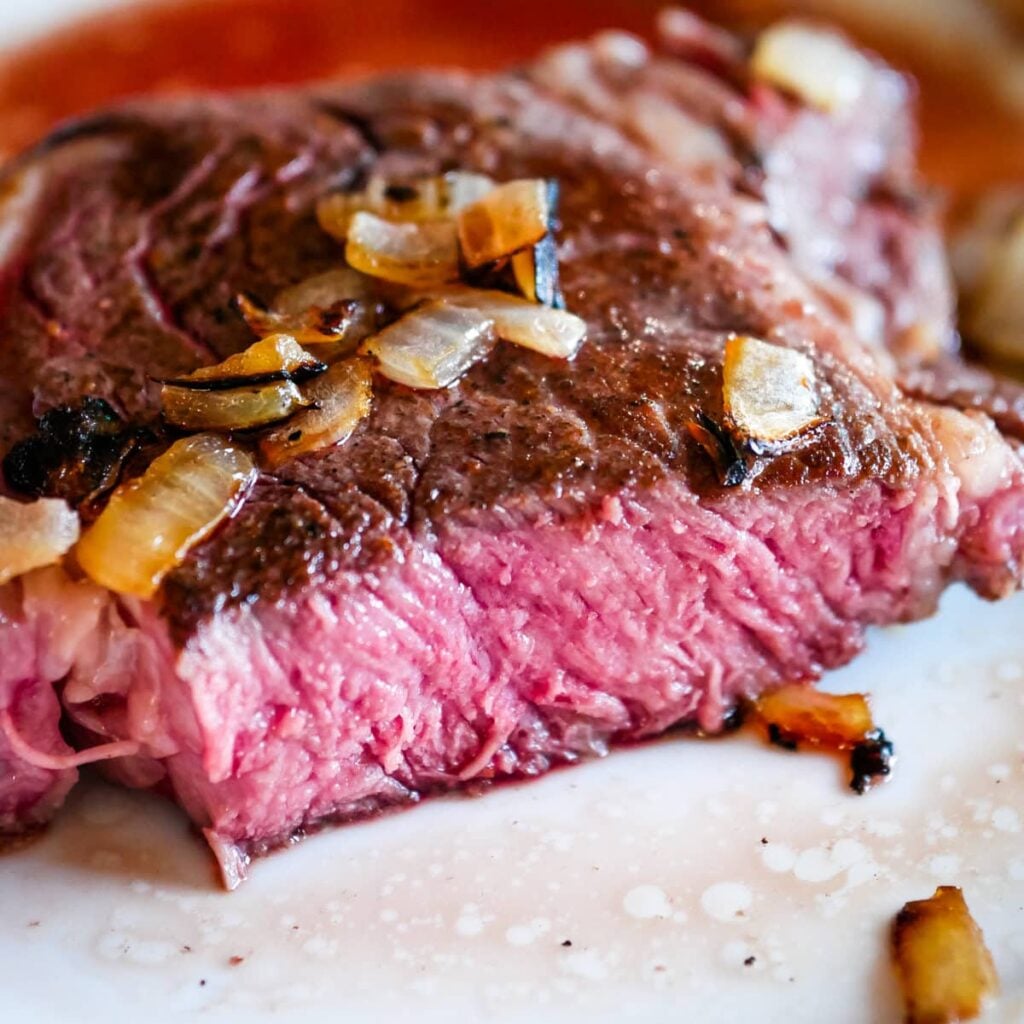
Ribeye steak is one of the best cuts to cook sous vide. The method heats water to a precise temperature and cooks your steak evenly from edge to edge.
Set your sous vide machine between 129°F and 135°F for medium-rare. Cook your ribeye for one to two hours in a sealed bag.
After cooking, pat the steak dry and sear it in a hot pan for 60 seconds per side. This creates a flavorful crust while keeping the inside perfectly cooked.

2. Sous Vide Salmon with Maple Dijon Glaze
Salmon cooked sous vide gives you tender, moist results every time. The precise temperature control means your fish cooks evenly from edge to edge.
The maple dijon glaze combines sweet maple syrup with tangy mustard. You can add soy sauce and garlic to build more flavor.
This glaze works perfectly with salmon’s natural richness. After cooking your salmon sous vide, you can sear it quickly to caramelize the glaze.
Keep extra sauce warm in a vacuum sealed pouch so it stays hot when you serve.

3. Sous Vide Chicken Breast with Garlic Herb Butter
Chicken breast cooked sous vide stays juicy and tender every time. You seal the chicken with butter, garlic, and fresh herbs like rosemary or thyme in a bag.
The water bath cooks it at a precise temperature, which keeps the meat moist. After cooking, you can sear the chicken in a hot pan for a golden finish.
The garlic butter creates a rich coating that adds flavor throughout. This method works well for meal prep since you can cook multiple breasts at once.

4. Sous Vide Pork Chops with Apple Sauce
Pork chops cooked sous vide turn out juicy and tender every time. The water bath method keeps the meat moist from edge to edge at a steady temperature.
Apple sauce pairs well with pork chops. You can make a simple version with apples, cider vinegar, and a bit of sugar.
Some recipes add hard cider or apple chutney for extra flavor. After cooking sous vide, sear your pork chops in a hot pan for a crispy brown crust.
This quick step adds texture while keeping the inside juicy.

5. Sous Vide Lobster Tail
Sous vide lobster tail delivers restaurant-quality results at home. You cook the lobster in a controlled water bath with butter, which keeps the meat tender and moist.
The process is simple. You place lobster tails and butter in a sealed bag and cook them for about an hour.
The gentle heat prevents overcooking, which often makes lobster tough and rubbery. You don’t need to sear the lobster after cooking.
The meat comes out perfectly cooked with a smooth texture that boiling or grilling can’t match.
6. Sous Vide Beef Tenderloin
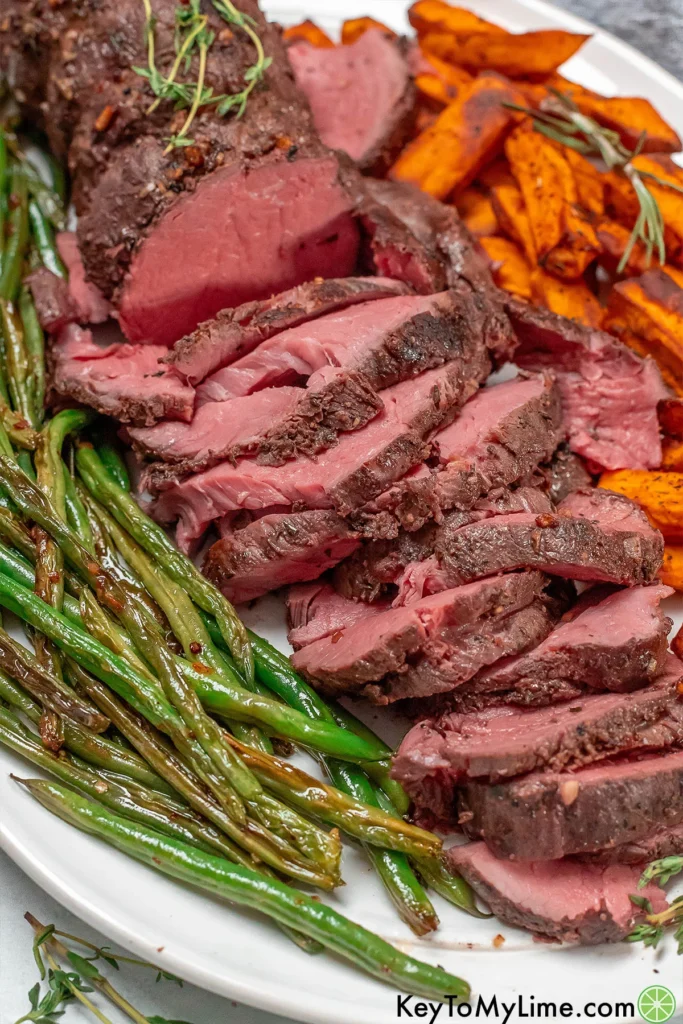
Beef tenderloin is one of the most expensive cuts you can buy, so you want to cook it right. Sous vide takes the guesswork out of the process.
You can cook your tenderloin at your target temperature without worrying about overcooking it. The meat will turn out tender and juicy from edge to edge.
After cooking, you’ll sear the outside to create a golden crust. This gives you the best of both worlds: perfect doneness inside and a flavorful exterior.

7. Sous Vide Duck Breast with Orange Sauce
Duck breast cooked sous vide gives you tender, juicy meat every time. You seal the duck in a bag with orange zest and juice, then cook it in a water bath at a precise temperature.
The sous vide method takes the guesswork out of cooking duck. You get consistent results without overcooking the meat.
After cooking, you sear the skin side in a hot pan to make it crispy. The orange sauce adds a bright, citrusy flavor that pairs perfectly with the rich duck meat.
This classic French dish works well for special dinners at home.

8. Sous Vide Egg Bites
Sous vide egg bites give you a creamy, fluffy texture that’s hard to achieve with other cooking methods. You can make them with your choice of cheese, bacon, vegetables, or other mix-ins.
The process takes about an hour, and the eggs cook evenly throughout. You’ll need small jars or molds to hold the egg mixture while it cooks in the water bath.
These egg bites work well for meal prep since you can make a batch ahead of time. They’re high in protein and fit into low-carb or keto diets.

9. Sous Vide Crème Brûlée
Sous vide crème brûlée gives you smooth, creamy custard every time. You don’t need to worry about tempering eggs or dealing with water baths.
The precise temperature control prevents curdling and overcooking. You’ll need just five basic ingredients: egg yolks, sugar, heavy cream, and vanilla.
Set your sous vide to 176°F and cook the custard in small jars. The gentle heat creates that silky texture you want.
After cooking, chill the custards completely. Use a kitchen torch to caramelize sugar on top for that crispy, crackling layer.

10. Sous Vide Short Ribs
Short ribs are perfect for sous vide cooking. The low temperature and long cooking time break down the tough connective tissue without drying out the meat.
You’ll want to cook your short ribs for 48 hours at 145°F for the best results. This gives you tender, fall-off-the-bone meat with rich flavor.
Season your ribs with salt and pepper before sealing them in the bag. After cooking, sear them in a hot pan to add a nice crust on the outside.
Mastering Sous Vide Techniques
Success with sous vide cooking depends on having the right tools, maintaining accurate temperatures, and following proper food safety practices. These three elements work together to help you create restaurant-quality meals at home.
Essential Equipment Overview
You need a few key pieces of equipment to start cooking sous vide. The most important item is an immersion circulator, which heats water and keeps it at a precise temperature.
These devices clip onto the side of a pot or container and cost between $100 and $200 for most home models. A container or pot that holds at least 12 quarts of water works best for most recipes.
You’ll also need vacuum-seal bags or heavy-duty freezer bags to hold your food. The water displacement method works well with regular freezer bags if you don’t want to buy a vacuum sealer.
Other helpful tools include a container lid or plastic balls to prevent water evaporation during long cooks. A kitchen thermometer helps you verify final temperatures.
A cast iron skillet or torch is useful for searing meat after it comes out of the water bath.
Precision Temperature Control
Temperature accuracy matters more in sous vide cooking than traditional methods. Your food cooks at the exact temperature you set, so being off by even a few degrees changes your results.
Chicken breast needs 140°F to stay moist and tender, while beef reaches medium-rare at 130°F. Most immersion circulators maintain temperatures within 0.1°F of your target.
Check that your water level stays between the minimum and maximum lines on your device. Low water levels affect temperature stability.
Different foods need different temperatures and times. Thick cuts of meat require longer cooking times than thin cuts, even at the same temperature.
Always refer to trusted temperature guides for the specific food you’re preparing.
Safety Tips for Home Cooks
Food safety requires attention to time and temperature combinations. Bacteria grow rapidly between 40°F and 140°F, so you need to heat food quickly through this danger zone.
Never let food sit at room temperature before or after cooking. Keep chicken and pork at or above 140°F for food safety.
Beef can be cooked at lower temperatures because whole cuts have bacteria only on the surface, which gets killed during searing. Ground meats need higher temperatures than whole cuts.
Always use clean, food-safe bags and avoid reusing bags that held raw meat. Chill cooked food in an ice bath if you’re not eating it right away.
Store sous vide food in the refrigerator for no more than four days.
Ingredient Selection and Preparation
The quality of your ingredients directly affects your sous vide results. Fresh, high-quality proteins and properly prepared seasonings make the difference between good meals and great ones.
Choosing the Best Proteins and Vegetables
Select proteins based on fat content and thickness for best results. Ribeye and strip steaks work better than lean cuts because the fat adds flavor during the long cooking time.
Chicken breasts should be uniform in thickness so they cook evenly. Look for pork chops that are at least 1 inch thick.
Thin cuts don’t benefit as much from sous vide cooking. Fish like salmon and halibut need firm flesh that won’t fall apart in the bag.
Best Protein Choices:
- Beef: Ribeye, strip steak, chuck roast, short ribs
- Pork: Thick-cut chops, tenderloin, pork belly
- Chicken: Breasts, thighs, drumsticks
- Fish: Salmon, tuna, halibut, cod
Choose vegetables that hold their shape during cooking. Carrots, asparagus, and potatoes work well.
Avoid delicate greens that turn mushy. Root vegetables need higher temperatures than proteins, so cook them separately.
Marinades and Seasonings for Enhanced Flavor
Season your proteins with salt and pepper before bagging. The vacuum seal intensifies flavors, so use less than you normally would.
Start with half your usual amount and adjust next time. Avoid raw garlic in long cooks over 2 hours.
It develops a bitter taste. Use garlic powder instead or add fresh garlic after cooking.
Fresh herbs like rosemary and thyme work well for beef and pork. Marinades penetrate faster in sous vide bags.
A 30-minute marinade gives you the same results as overnight marinating. Acidic ingredients like vinegar and citrus can make meat mushy if used too long.
Add butter or oil to the bag for better heat transfer. A tablespoon per portion helps distribute seasonings and adds richness to the final dish.
Frequently Asked Questions
Sous vide cooking raises common questions about food types, timing, safety, and equipment needs. The answers below address the most important considerations for getting consistent results with this cooking method.
What types of foods benefit most from sous vide cooking?
Meats like steak, chicken breast, and pork chops benefit greatly from sous vide because the precise temperature control prevents overcooking. Fish and seafood, including salmon and lobster tail, cook evenly without drying out.
Eggs turn out with perfect texture every time when you control the exact temperature. Tough cuts of meat become tender through long cooking times at specific temperatures.
These include short ribs, chuck roast, and pork shoulder. Delicate proteins that easily overcook on a stovetop work well with sous vide.
The method keeps food moist and helps it reach the exact doneness you want throughout the entire piece.
How long should meats be cooked using sous vide for optimal tenderness?
Tender cuts like ribeye steak need 1 to 4 hours at your target temperature. Chicken breasts require 1 to 2 hours at 140°F to 165°F depending on your texture preference.
Pork chops cook in 1 to 4 hours for the best results. Thicker cuts need more time than thin ones.
Tough cuts require much longer cooking times to break down connective tissue. Short ribs need 24 to 48 hours at lower temperatures.
Chuck roast benefits from 24 to 36 hours of cooking. Fish and seafood cook quickly, with salmon needing just 30 to 45 minutes.
Lobster tail reaches perfect doneness in 30 to 60 minutes.
Can vegetables be prepared using sous vide, and what are the best practices?
You can cook vegetables with sous vide, though they require higher temperatures than meat. Most vegetables need temperatures between 183°F and 185°F to soften properly.
Root vegetables like carrots, beets, and potatoes work very well. They stay firm and develop concentrated flavors.
Cooking times range from 1 to 2 hours depending on the size of the pieces. Add butter, olive oil, or seasonings to the bag with vegetables.
This helps distribute flavors evenly and improves texture. Delicate vegetables like asparagus and green beans need shorter cooking times of 15 to 30 minutes.
Corn on the cob cooks perfectly in 30 to 45 minutes while keeping its natural sweetness.
What are the food safety considerations when cooking with sous vide?
Temperature and time work together to kill harmful bacteria. You must cook food at temperatures above 130°F for safety.
Lower temperatures require longer cooking times to ensure safety. Never leave food at temperatures between 40°F and 130°F for more than 4 hours.
This temperature range allows bacteria to grow quickly. Always chill food rapidly in an ice bath if you plan to store it after cooking.
Use proper vacuum sealing or water displacement methods to remove air from bags. Air pockets can cause uneven cooking and create safety risks.
Sear meat immediately after cooking if you plan to eat it right away. If storing food for later, chill it quickly and refrigerate within 2 hours.
Reheat refrigerated sous vide food to at least 130°F before serving.
How does sous vide cooking affect the texture and flavor of the food?
Sous vide creates even texture throughout the entire piece of food. A steak cooked to 130°F will be medium-rare from edge to edge with no gray band.
Chicken stays moist and tender instead of drying out. The sealed environment traps moisture and prevents flavor loss.
Seasonings and marinades penetrate deeper into the food. Natural juices stay inside the protein rather than evaporating.
Meat cooked sous vide often feels more tender because proteins don’t tighten as much at lower temperatures. Extended cooking times break down tough connective tissue without drying out the meat.
The texture differs from traditional cooking methods. Some people prefer to sear meat before or after sous vide cooking to add texture contrast and develop deeper flavors through browning.
What equipment is essential for a home cook to start sous vide cooking?
An immersion circulator is the main tool you need. This device heats water and keeps it at a precise temperature.
Prices range from basic models around $100 to professional versions over $300.
You need a container to hold water during cooking. A large pot or plastic container works well.
The container should be deep enough to hold your food while submerged.
Vacuum-seal bags or heavy-duty freezer bags keep food sealed during cooking. A vacuum sealer helps remove air.
You can use the water displacement method with regular bags.
Kitchen tongs or a slotted spoon help you remove hot bags from the water safely.
A cast iron skillet or torch lets you sear meat after cooking to add color and texture.