
The martini stands as one of the most famous cocktails in the world. This classic drink has grown far beyond its simple beginnings of gin and vermouth.
Today’s martini world offers countless variations that range from traditional recipes to creative fruit and dessert-inspired versions. You can choose from dry classics that highlight the spirit’s clean taste or sweet options with bold flavors like chocolate and salted caramel.
Some martinis stick to the original gin base while others use vodka or even soju. Whether you prefer your martini shaken or stirred, dirty or clean, there’s a version that fits your taste.
1. Classic Dry Martini
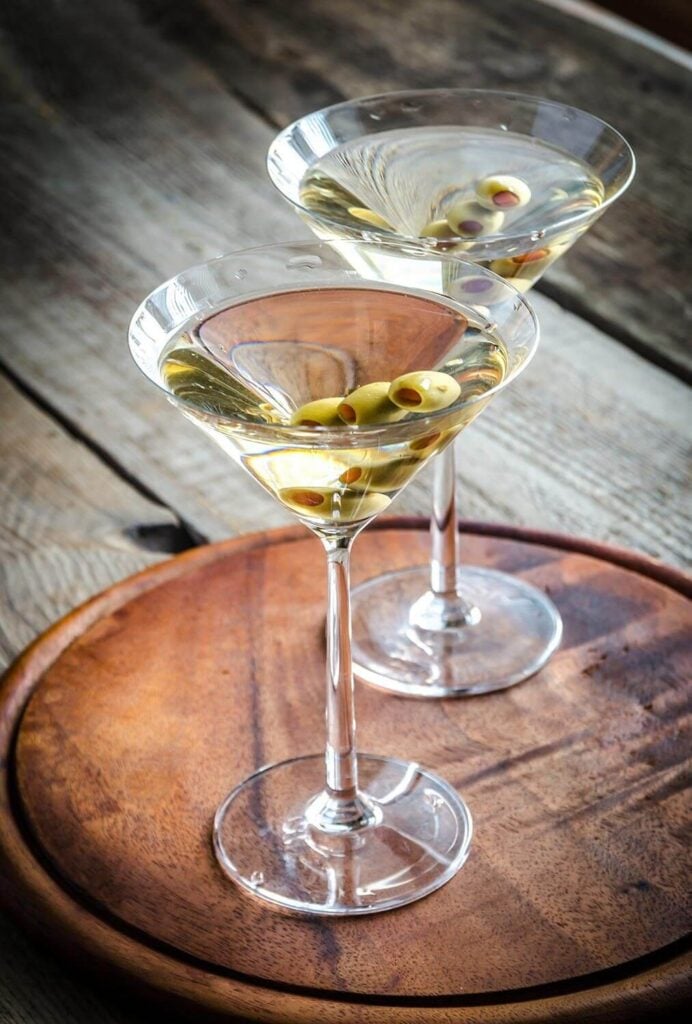
The Classic Dry Martini is the foundation of all martini cocktails. You make it with gin and dry vermouth in a simple mix that highlights clean flavors.
This drink combines simplicity with elegance. The dry vermouth adds just a hint of herbal notes to the gin.
Serve your martini ice-cold for the best taste. Garnish it with either a lemon twist or an olive based on your preference.
2. Dirty Martini
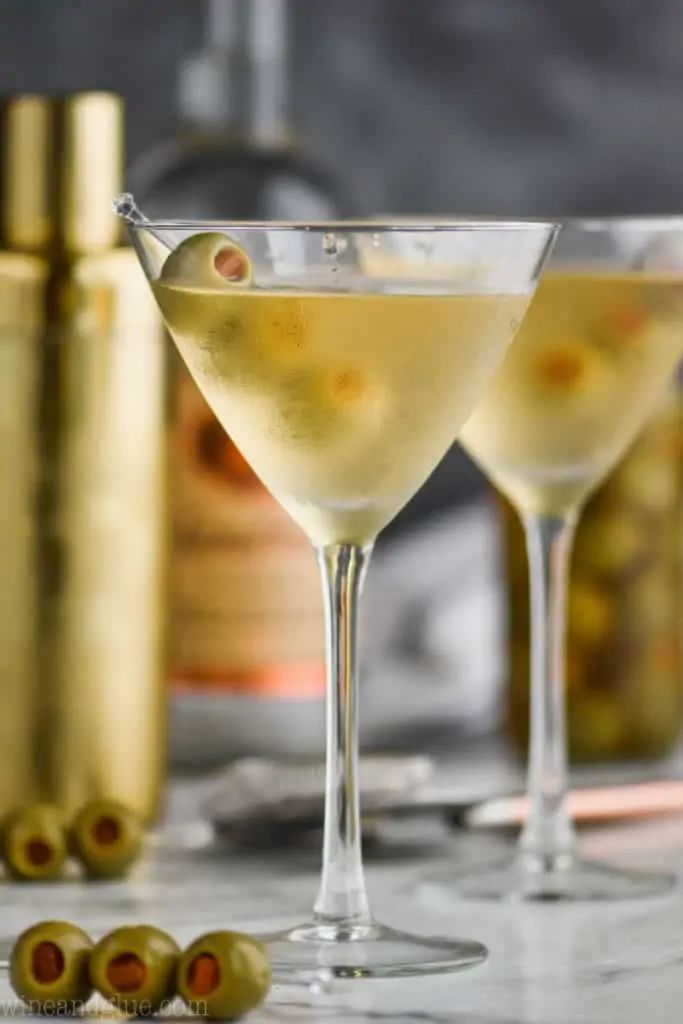
The dirty martini adds olive brine to the classic recipe. This gives the drink a salty, savory flavor that many people love.
You make it with gin or vodka, dry vermouth, and olive juice. The olive brine creates the “dirty” look and taste.
Most bartenders garnish it with olives. You can ask for extra dirty if you want more olive flavor.
This martini works well as an appetizer drink. The salty taste pairs nicely with cheese and crackers.
3. Vodka Martini
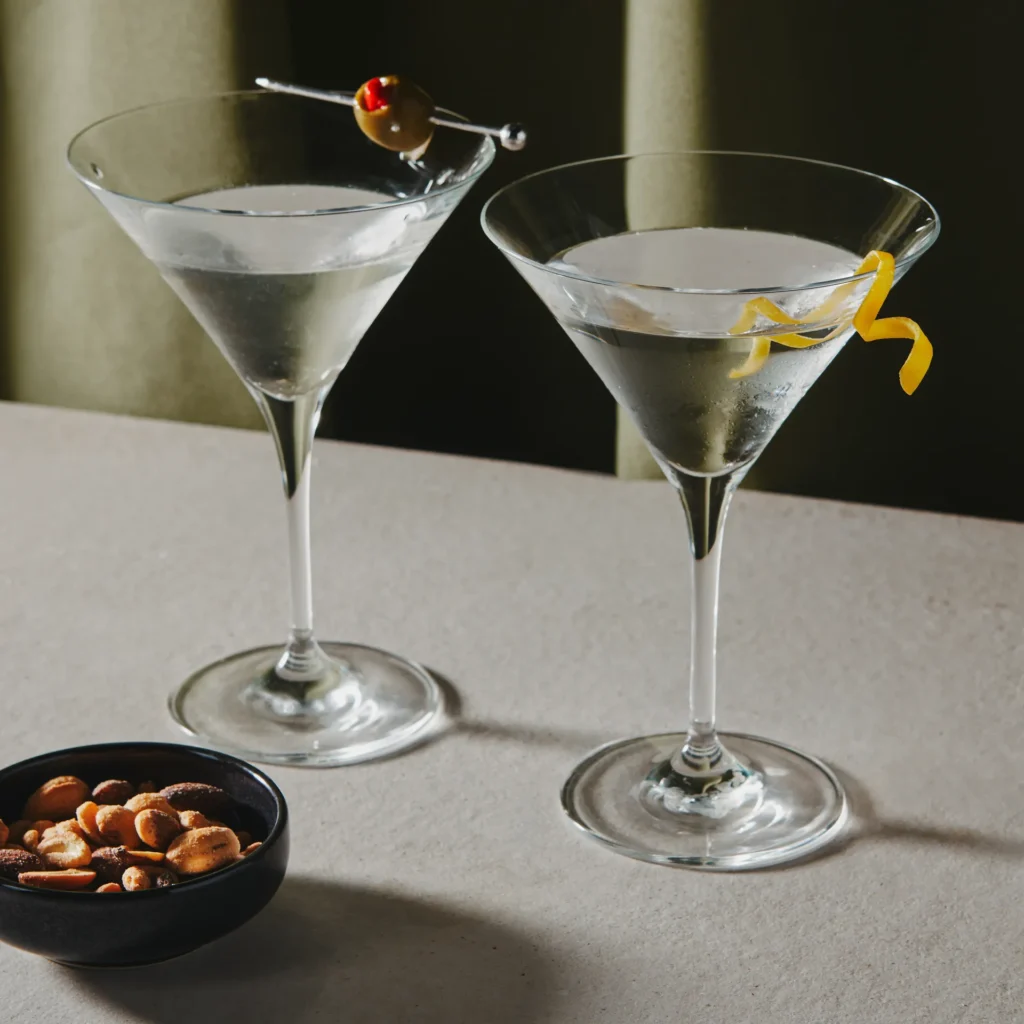
The vodka martini is a modern classic that many people prefer over gin. You make it with vodka, dry vermouth, and ice.
This drink tastes smooth and clean. It has less botanical flavor than a gin martini.
Serve it with a lemon twist or olives. The lemon adds a fresh citrus note to your drink.
Most bartenders use a 6:1 ratio of vodka to vermouth. Adjust this based on how dry you want your martini.

4. Espresso Martini
The Espresso Martini combines coffee’s bold flavor with vodka’s smoothness. This cocktail offers both caffeine and alcohol in one sophisticated drink.
You make it with vodka, fresh espresso, and coffee liqueur. Some recipes add simple syrup for extra sweetness.
Popular variations include the Mocha Martini with chocolate liqueur or versions with Baileys for creaminess.

5. French Martini
The French Martini doesn’t contain gin or vermouth like classic martinis. You make this cocktail with vodka, pineapple juice, and raspberry liqueur.
This pink-colored drink tastes sweet and fruity. The raspberry liqueur gives it a berry flavor while the pineapple juice adds tropical notes.
Garnish your French Martini with fresh raspberries. Some bartenders add a lime wheel for extra color and citrus aroma.

6. Gibson Martini
The Gibson Martini is a classic variation that uses gin and dry vermouth. The key difference is the garnish.
Instead of olives or a lemon twist, garnish a Gibson with cocktail onions. These pickled onions add a savory, umami flavor to the drink.
Combine gin with dry vermouth and serve it chilled. The cocktail onions make this martini more polarizing than other versions.

7. Sweet Martini
Sweet martinis offer a dessert-like experience in cocktail form. You can enjoy flavors like chocolate, strawberry, or caramel in these drinks.
These martinis use fruity liqueurs and sweet ingredients instead of dry vermouth. Popular options include chocolate truffle, apple cider, and berry variations.
You’ll find sweet martinis perfect for special occasions or when you want something indulgent.
8. Wet Martini
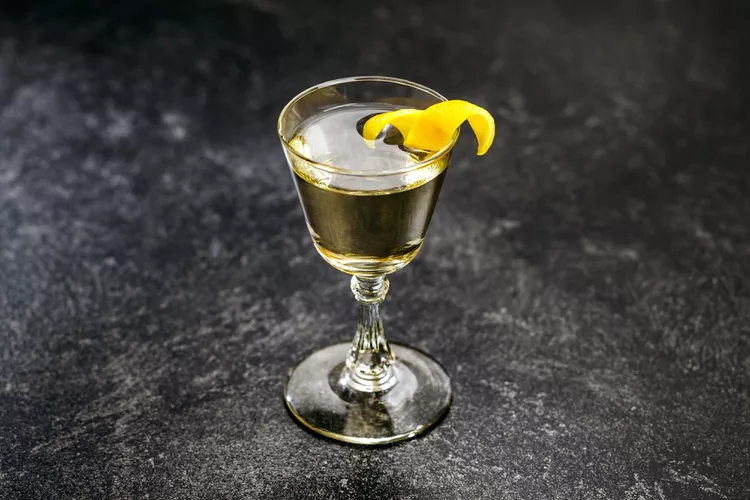
A wet martini uses more vermouth than a regular martini. You get a higher vermouth-to-gin ratio that creates a smoother taste.
This style comes from the early 1900s when martinis had much more vermouth. Most bartenders today make dry martinis, so you need to ask for a wet one.
You can make it with gin or vodka. The extra vermouth makes the drink less strong and adds herbal flavors.
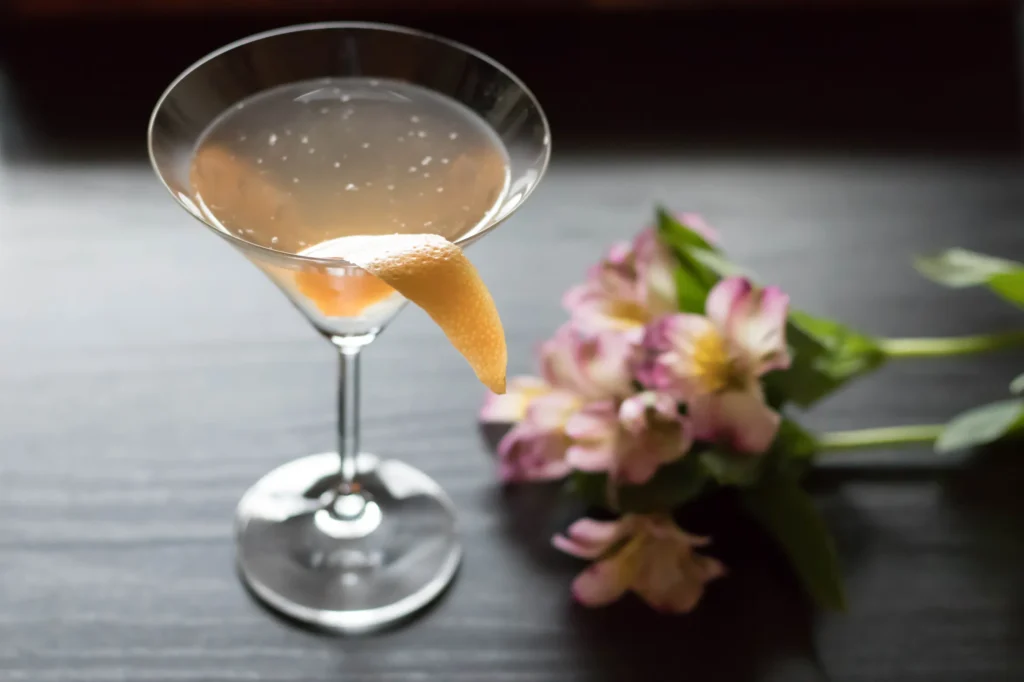
9. Soju Martini
The Soju Martini swaps traditional gin or vodka for soju, a Korean spirit. This creates a lighter, smoother cocktail with less alcohol content.
Make this martini by combining soju with dry vermouth. The ratio is typically 4:1 soju to vermouth.
Soju has a clean, neutral taste that works well in martinis. It blends easily with other flavors without overpowering them.
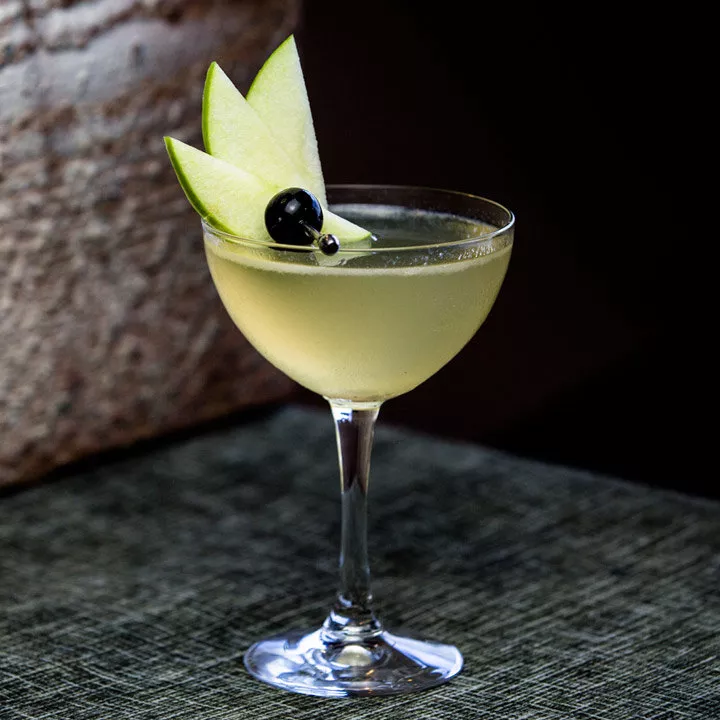
10. Appletini
The Appletini brings a sweet and tart flavor to your martini experience. You’ll taste crisp apple notes balanced with citrus.
This modern cocktail uses vodka as its base. Apple schnapps and fresh lime juice create the signature flavor profile.
You can expect a bright green color that makes this drink visually striking. The Appletini works well for parties and casual occasions.
Many bartenders rim the glass with cinnamon sugar for extra flavor. Adjust the sweetness by changing the apple schnapps ratio.
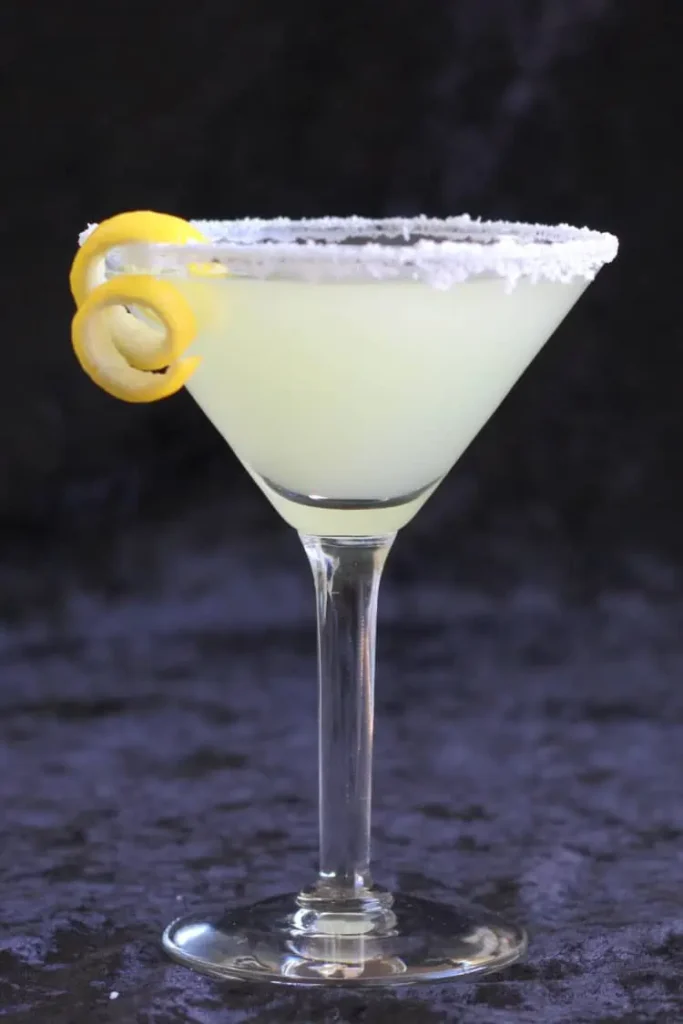
11. Lemon Drop Martini
The Lemon Drop Martini brings sweet and tart flavors together in perfect balance. You need just four simple ingredients to make this bright cocktail.
This drink uses vodka, fresh lemon juice, simple syrup, and a sugar rim. The sugar coating adds sweetness while the lemon juice provides tartness.
You can try variations like using Meyer lemons for a sweeter taste. Citron vodka works well too, giving extra lemon flavor to your drink.
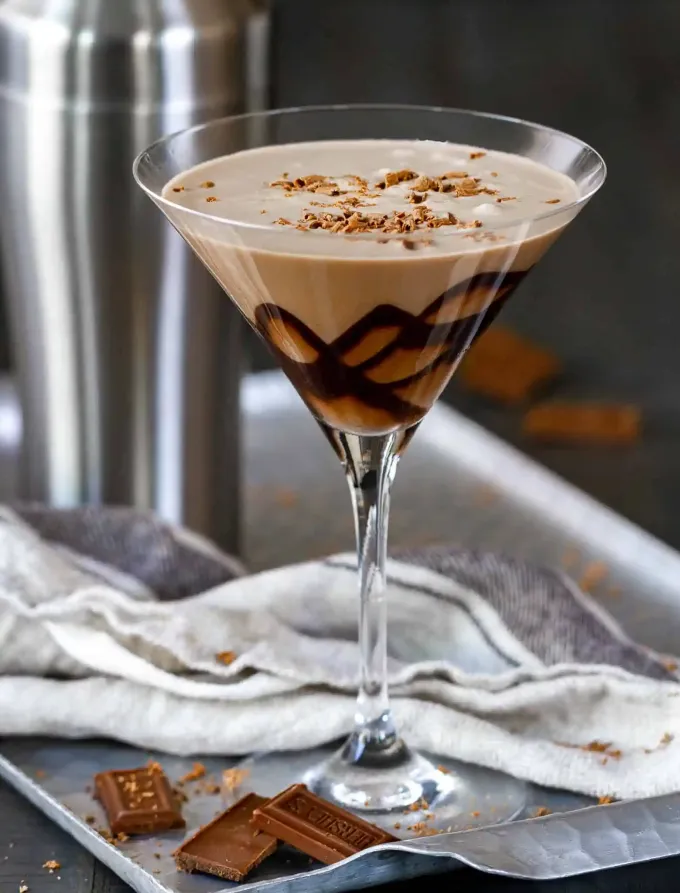
12. Chocolate Martini
A chocolate martini turns your favorite dessert into a cocktail. You’ll love this sweet drink made with vodka and chocolate liqueur.
The basic recipe uses vodka, chocolate liqueur, and crème de cacao. Some versions add Irish cream or half-and-half for extra richness.
Rim your martini glass with chocolate shavings. A chocolate garnish makes it look fancy too.
This drink works great for special occasions like Valentine’s Day or holidays.
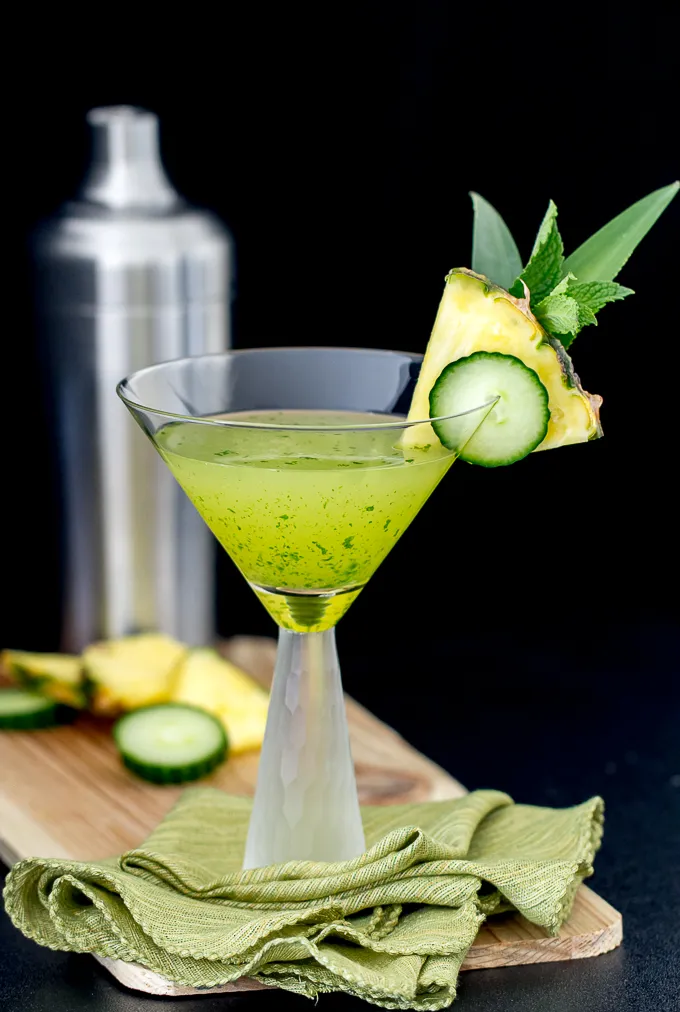
13. Cucumber Martini
The cucumber martini is a modern twist on the classic cocktail. It offers a crisp, clean taste with fresh botanical flavors.
Make this refreshing drink with either gin or vodka. The cucumber adds a cooling sensation that’s perfect for hot summer evenings.
This martini typically uses fresh cucumber juice, your choice of spirit, and lime juice. Some recipes include fresh herbs for extra flavor.
Its light and refreshing profile makes it a great alternative to heavier cocktails.
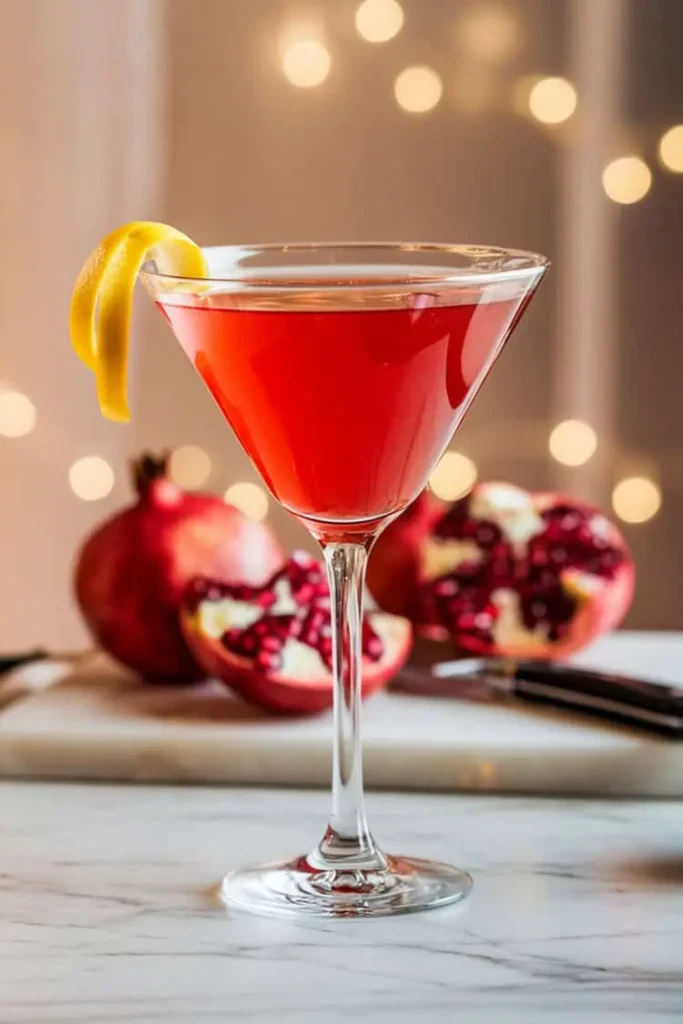
14. Pomegranate Martini
The pomegranate martini tastes like a cosmopolitan’s fruity cousin. You get sweet and tart flavors from pomegranate juice instead of cranberry.
This drink uses vodka, pomegranate juice, and lemon juice. Simple syrup balances the tartness.
You can make it with gin if you prefer. The pomegranate gives the martini a deep red color.
It’s crisp and refreshing.
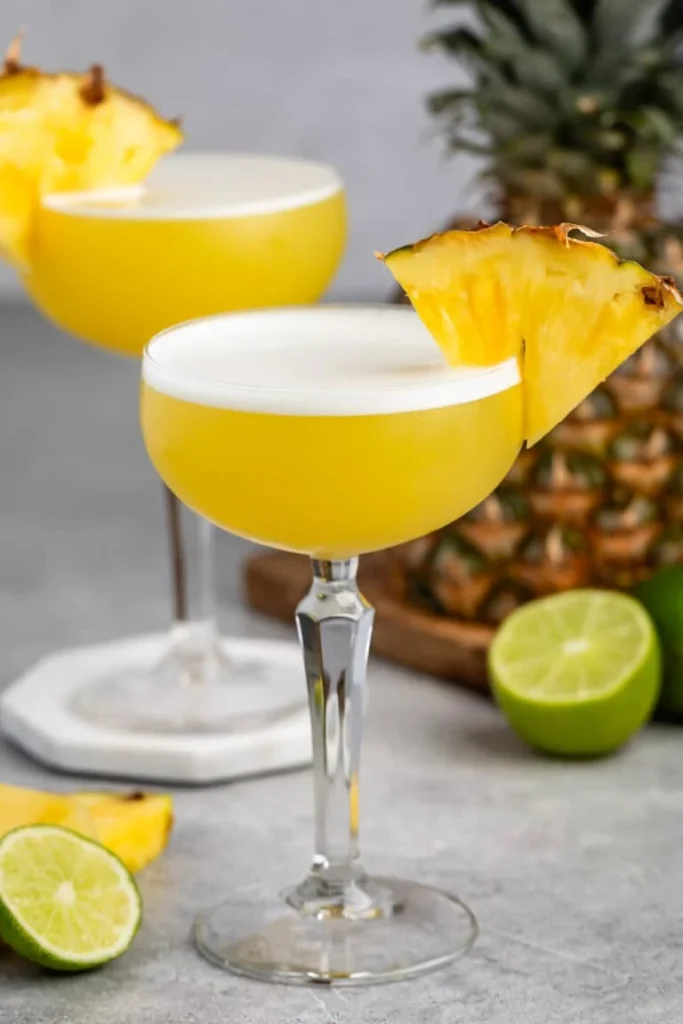
15. Pineapple Martini
This tropical martini brings sweet pineapple flavor to your glass. You mix vodka with fresh pineapple juice and a splash of lime juice.
The drink tastes bright and refreshing. Some recipes add grenadine for color or elderflower liqueur for extra flavor.
Use fresh crushed pineapple instead of juice for more texture. Garnish with a pineapple wedge or cherry.

16. Blood Orange Martini
The blood orange martini brings vibrant citrus flavor to your cocktail glass. You’ll need vodka, fresh blood orange juice, triple sec, and a splash of lime juice.
Blood oranges are in season from December through May. This timing makes the cocktail perfect for winter and spring entertaining.
Add all ingredients to a cocktail shaker with ice, shake well, and strain into a chilled martini glass. The bright red-orange color makes this martini visually striking.

17. Raspberry Martini
The Raspberry Martini brings sweet and tart berry flavors to your glass. This pink cocktail combines vodka with fresh raspberries and lemon juice.
Make it with raspberry liqueur or simple syrup for sweetness. Some recipes add a splash of cranberry juice for extra color.
The drink balances fruity sweetness with slight tartness. You’ll taste fresh raspberry flavor in every sip.

18. Peach Martini
The Peach Martini brings sweet fruit flavors to the classic cocktail. You can make this drink with vodka as the base spirit.
Most recipes combine peach schnapps with vodka for the main alcohol. Fresh peach nectar or peach puree adds natural fruit taste.
A splash of lemon juice balances the sweetness. Some versions include triple sec for extra citrus notes.
This martini works well in summer when peaches are in season. Garnish it with a peach slice or twist.

19. Hazelnut Martini
The Hazelnut Martini combines vodka with rich hazelnut liqueur for a nutty twist on the classic cocktail. You’ll also need white crème de cacao and dry vermouth to complete this sweet drink.
This martini appeals to anyone who loves chocolate and hazelnut flavors. The combination creates a smooth, dessert-like cocktail.
Substitute different vodka brands like Grey Goose or Absolut based on your preference. The hazelnut liqueur provides the main flavor profile.

20. Salted Caramel Martini
The Salted Caramel Martini combines sweet caramel flavors with a hint of salt. This dessert-style cocktail tastes like liquid caramel candy.
You make it with caramel vodka, Irish cream, and heavy cream. Some recipes use Baileys for extra richness.
The salted rim balances the sweetness perfectly. Drizzle caramel sauce inside the glass for extra flavor.
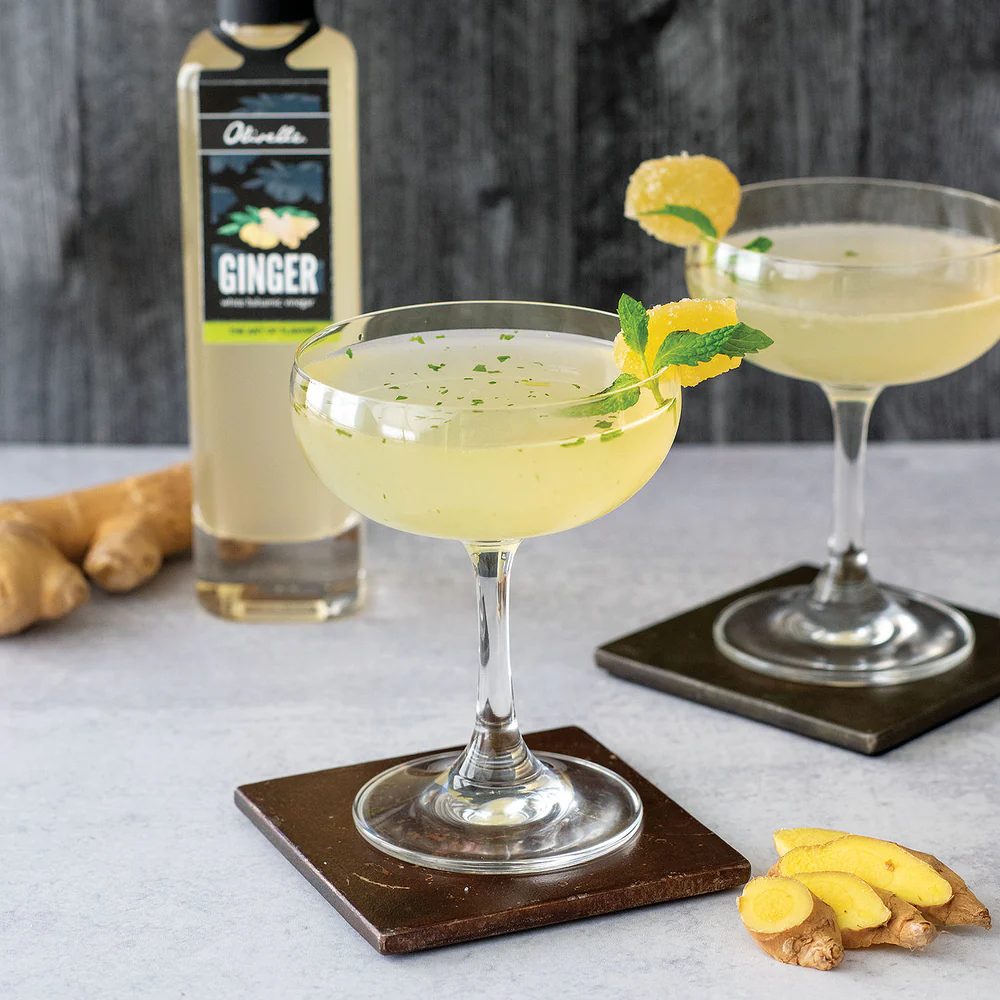
21. Ginger Martini
The Ginger Martini brings spicy warmth to the classic cocktail format. You get a refreshing drink that combines ginger’s bold flavor with smooth vodka.
This martini typically uses fresh ginger or ginger liqueur as the main flavoring agent. The spice creates a zesty taste that sets it apart from traditional martinis.
Make this cocktail with vodka, lime juice, and ginger elements. Some recipes add simple syrup to balance the heat.
History and Evolution of the Martini
The martini started as a simple gin and vermouth drink in the late 1800s. Over time, it changed from sweet to dry and became a symbol of class and style.
Origins of the Classic Martini
Nobody knows exactly where the martini came from. Several stories try to explain how it started.
One theory says the vermouth company Martini & Rossi created the drink to show off their product.
Another story connects it to Jerry Thomas’s Martinez cocktail. This drink was popular in the early 1900s and used gin and sweet vermouth.
The original martini differed from today’s version. It had more vermouth and was sweeter.
The recipe used:
- 2 parts gin
- 1 part sweet vermouth
- Orange bitters
- Lemon twist or olive
The drink became popular in American bars during the 1880s and 1890s. Bartenders started making it drier by using less vermouth.
Significant Trends in Martini Culture
The martini changed a lot during the 1900s. Each decade brought new ways to make and serve it.
The 1920s made martinis famous. Prohibition pushed people to speakeasies where martinis became the drink of choice.
The recipe got drier during this time. Movies and TV shows made martinis even more popular.
James Bond made the vodka martini famous with his “shaken, not stirred” order. The 1950s and 1960s were the golden age.
Business people drank martinis at lunch meetings. The three-martini lunch became a real thing.
Modern trends brought flavored vodkas and new ingredients. You can now find chocolate martinis, fruit-flavored versions, herb-infused recipes, and colored variations.
Influence of Regional Styles
Different places created their own martini styles. These local touches spread to other areas over time.
New York bartenders preferred very dry martinis. They used almost no vermouth and served them ice cold.
Some bars would just show the vermouth bottle to the gin. California added its own twist with the dirty martini.
This version uses olive juice to make it salty and cloudy. The South created sweeter versions that used more vermouth.
They also added different garnishes like pickled onions. European styles stayed closer to the original recipe.
They used more vermouth and different types of gin. Italian bartenders often used their local vermouths.
Key Ingredients and Techniques
The foundation of any great martini lies in selecting quality spirits. Understanding vermouth ratios and mastering proper garnish techniques also matter.
These three elements work together to create the perfect balance of flavor and presentation.
Choosing the Right Spirit
Gin remains the traditional choice for classic martinis. London Dry gin offers clean, juniper-forward flavors that pair well with vermouth.
Popular options include Tanqueray, Bombay Sapphire, and Hendrick’s. Vodka creates a smoother, more neutral base.
Premium vodkas like Grey Goose, Belvedere, or Tito’s work best for martinis. Vodka martinis let other ingredients shine through more clearly.
The gin versus vodka debate comes down to personal taste. Gin provides botanical complexity and tradition.
Vodka offers clean simplicity and versatility. Choose spirits that you enjoy drinking neat.
Poor quality alcohol cannot be masked by other ingredients. Store your spirits in the freezer for extra-cold martinis.
Vermouth Varieties and Their Impact
Dry vermouth is the standard for most martinis. Brands like Dolin Dry, Noilly Prat, and Cocchi Americano Bianco offer different flavor profiles.
Fresh vermouth makes a huge difference in taste. Sweet vermouth creates Martinez-style cocktails with richer, more complex flavors.
Carpano Antica Formula and Punt e Mes are excellent choices for sweet variations. The vermouth ratio dramatically changes your drink:
- Extra dry: 8:1 or 10:1 spirit to vermouth
- Dry: 6:1 ratio
- Wet: 3:1 or 4:1 ratio
Replace vermouth every 30 days after opening. Store it in the refrigerator to maintain freshness.
Bad vermouth ruins even the best gin or vodka.
Garnish Selection and Presentation
Olives are the classic choice. Use large, high-quality olives like Castelvetrano or Cerignola.
Stuff them with blue cheese, almonds, or garlic for extra flavor. Lemon twist adds citrus oils and aroma.
Express the oils over the drink by twisting the peel. The oils create a bright, fresh scent with each sip.
Cocktail onions create the Gibson variation. Pearl onions should be crisp and properly brined.
This garnish adds a subtle savory note. Chill your martini glass beforehand.
Use a bar spoon to minimize ice chips. Strain twice for crystal-clear drinks.
The garnish should complement, not overpower, your chosen spirit and vermouth combination.
Frequently Asked Questions
People have many questions about martinis, from basic ingredients to modern twists. Understanding the differences between dry, wet, and dirty versions helps you order confidently at any bar.
What are the classic ingredients in a traditional martini?
A traditional martini contains gin and dry vermouth. The classic recipe uses a 4:1 or 6:1 ratio of gin to vermouth.
You can garnish it with either an olive or a lemon twist. Some bartenders add a dash of orange bitters for extra flavor.
How does one make a perfect martini, and what variations exist?
You make a perfect martini by combining gin with equal parts sweet and dry vermouth. This creates a balanced flavor that’s neither too dry nor too sweet.
Common variations include using vodka instead of gin. You can also adjust the vermouth ratio to make it drier or wetter.
Temperature matters too. Always use ice-cold ingredients and chill your glass beforehand.
Can you list some sweet martini variations for those with a sweet tooth?
The French Martini combines vodka, pineapple juice, and raspberry liqueur. This creates a fruity, sweet cocktail with a pink color.
Chocolate martinis use vodka with chocolate liqueur or syrup. You can rim the glass with chocolate or cocoa powder.
Vanilla martinis blend vodka with vanilla liqueur. Apple martinis mix vodka with apple schnapps and sometimes sour apple mix.
What is the difference between a dry, wet, and dirty martini?
A dry martini uses very little dry vermouth, usually just a splash or rinse. Extra dry means almost no vermouth at all.
A wet martini contains more vermouth than the standard recipe. This makes it less strong and more aromatic.
A dirty martini includes olive brine or juice from the olive jar. This gives it a salty, briny flavor that some people love.
How does the preparation of a ‘shy’ martini differ from other types?
A shy martini uses even less vermouth than a dry martini. Some bartenders just wave the vermouth bottle over the gin without adding any.
Others rinse the glass with vermouth and pour it out before adding gin. This gives just a hint of vermouth flavor.
The goal is to make the gin taste as pure as possible. You still get the martini experience without much vermouth influence.
What are some of the most recent and popular twists on the classic martini?
The Espresso Martini combines vodka with coffee liqueur and fresh espresso. This caffeinated cocktail is popular at night.
Cucumber martinis use muddled cucumber for a fresh, garden taste. Elderflower martinis add elderflower liqueur for a floral note.
Spicy martinis include jalapeño or other hot peppers. Some bars use flavored vodkas like berry or citrus varieties in their martinis.