
BBQ cooking brings people together and turns ordinary meals into special occasions. Whether you’re new to grilling or looking to improve your skills, having reliable recipes makes all the difference.
This collection covers the main types of BBQ dishes you need to know. You’ll learn how to make everything from tender ribs and juicy brisket to grilled seafood and vegetables.
The recipes work for different cooking methods, including your grill, oven, slow cooker, and Instant Pot. You’ll also find guidance on key ingredients, basic techniques, and a versatile BBQ sauce recipe you can use with multiple dishes.
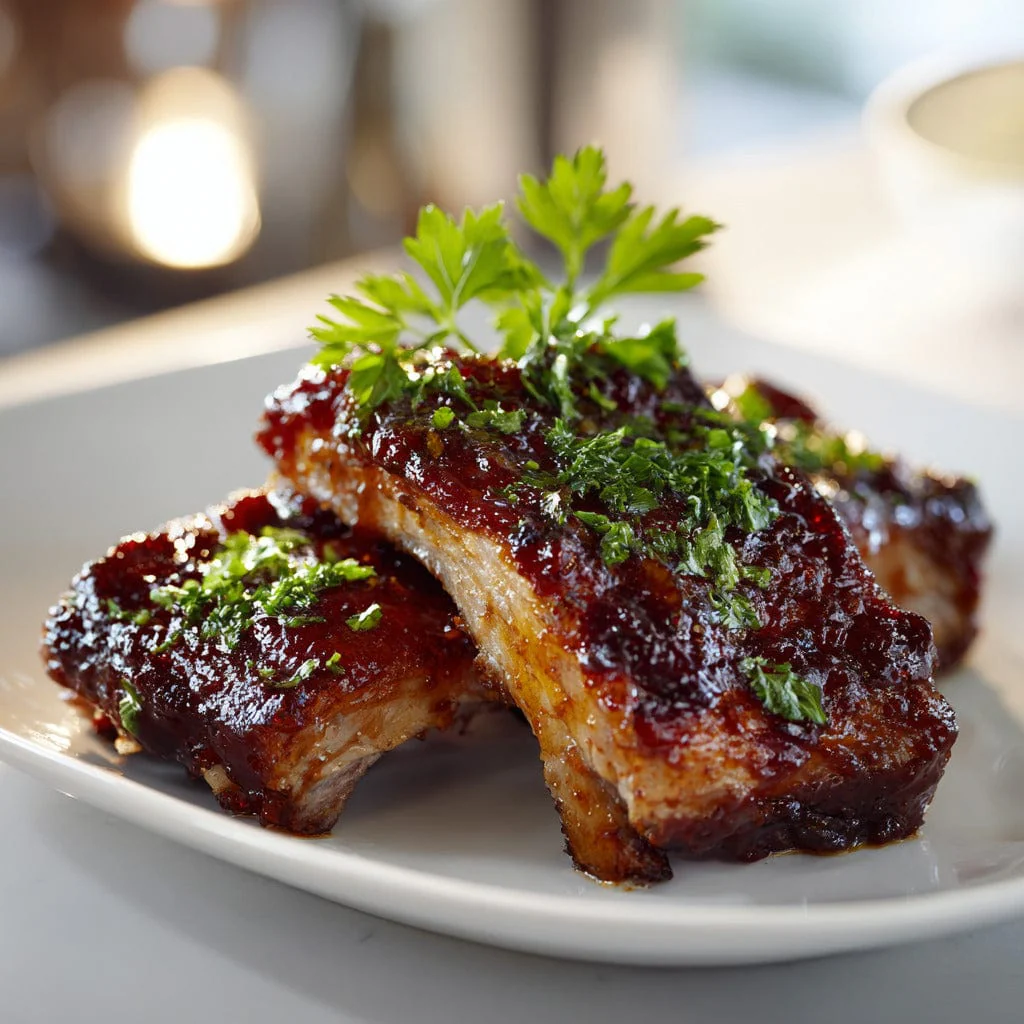
1. Smoky-Sweet Glazed Ribs
You can make restaurant-quality ribs at home with the right approach. Start by coating your ribs with a simple spice rub before cooking them low and slow.
Be patient and cook ribs slowly using your oven, grill, or smoker. This method makes them tender and juicy.
Brush on your BBQ sauce during the final stages of cooking. This creates a sticky glaze without burning the sugars in your sauce.
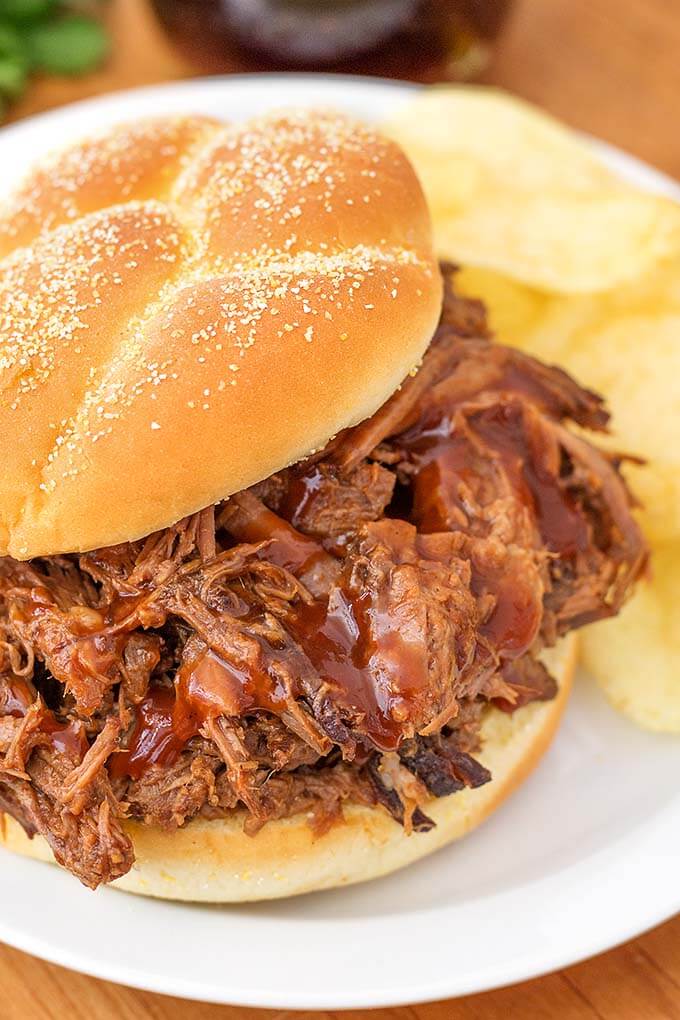
2. Instant Pot BBQ Beef Sandwiches
You can make tender BBQ beef sandwiches in your Instant Pot in under an hour. The pressure cooker turns chuck roast or beef top round into pull-apart meat without long smoking times.
Cut your beef into chunks and cook it with BBQ sauce and seasonings. Once done, shred the meat with forks.
Serve the juicy beef on sandwich buns or over rice. This recipe saves you time compared to traditional smoking methods.

3. Oven-Roasted Barbecue Chicken
You don’t need a grill to make great BBQ chicken. Your oven works just as well and gives you tender, juicy meat with a sticky sauce.
Place chicken pieces in a baking dish and brush them with your favorite BBQ sauce. Bake at 375°F for about 45 minutes.
Brush on more sauce halfway through cooking. Serve with simple sides like corn or coleslaw for an easy dinner.
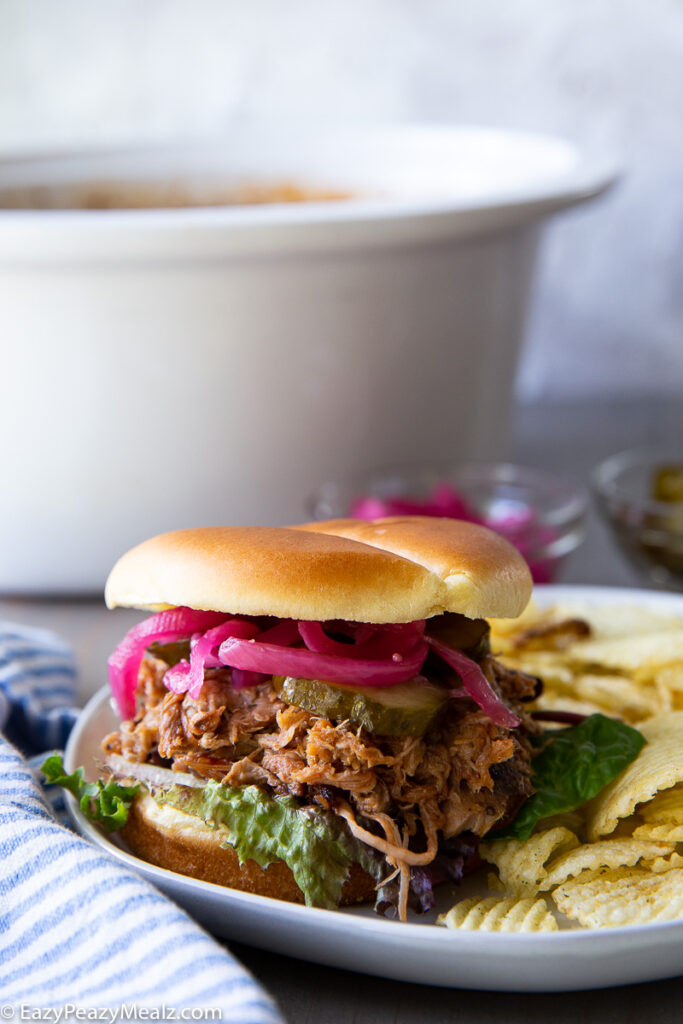
4. Slow Cooker Pulled Pork
Slow cooker pulled pork makes feeding a crowd simple. Season a pork shoulder with spices, place it in your slow cooker, and let it cook for several hours until the meat falls apart easily.
The long cooking time breaks down tough fibers in the meat. You can shred the tender pork with two forks.
Serve pulled pork on sandwich buns, in tacos, or alongside your favorite sides. Mix the shredded meat with BBQ sauce for classic flavor, or let guests add their own toppings.
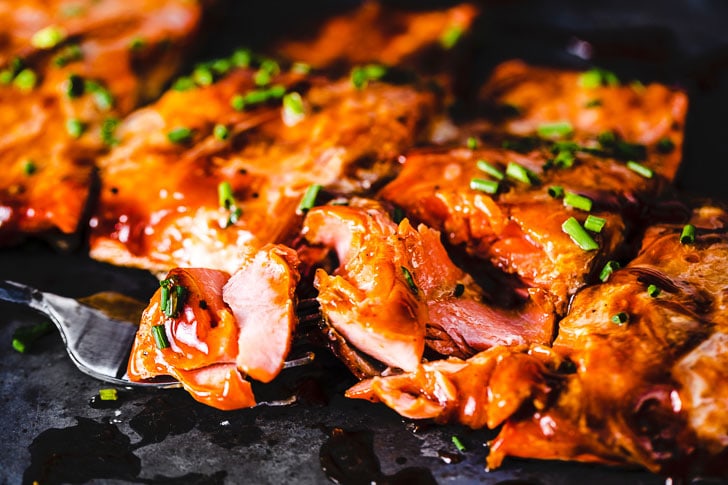
5. Grilled Salmon with BBQ Glaze
Grilled salmon with BBQ glaze delivers a perfect mix of smoky and sweet flavors in about 20 minutes. Start by heating your grill to medium-high heat.
Season your salmon fillets with salt or a simple dry rub. Brush BBQ sauce on both sides of the fish before placing it on the grill.
Cook for about 4 minutes per side, basting with more sauce as you go. The glaze caramelizes and creates a glossy coating.
Your salmon is done when it reaches 145°F inside.
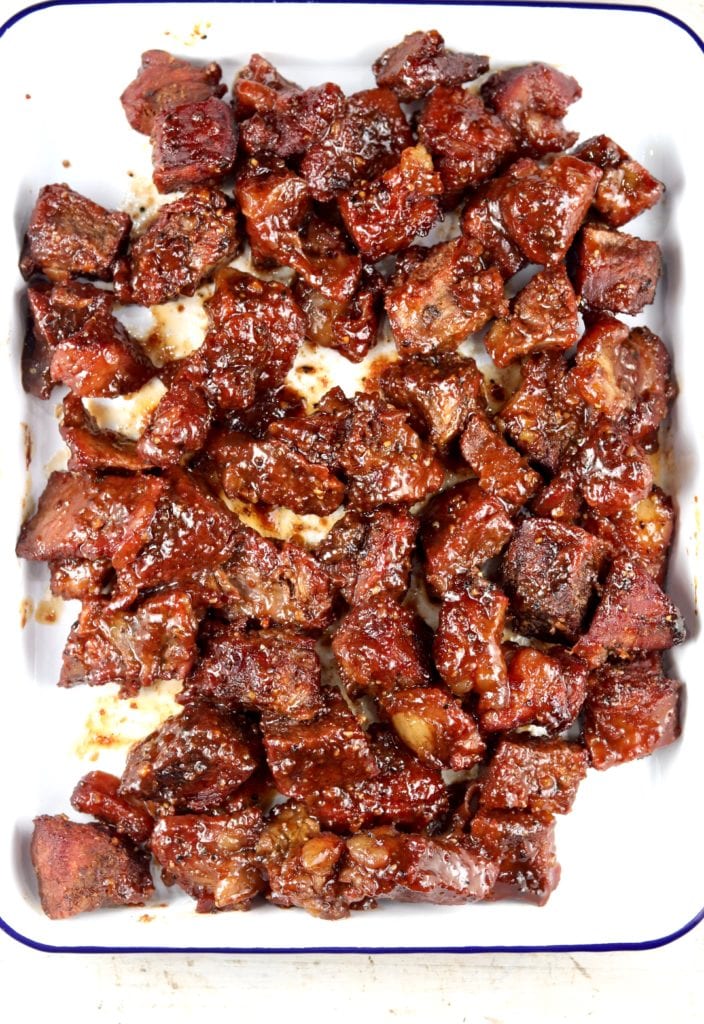
6. Burnt Ends from the Backyard Grill
Burnt ends are cubes of brisket point that get smoked twice for deep flavor. Start by smoking the brisket until tender, then cut it into cubes and toss them with butter and BBQ sauce.
Return the cubes to the grill to caramelize. This creates a sticky, sweet coating on the outside while keeping the meat tender inside.
The process takes several hours, but most of that time is hands-off. Check the temperature and add the sauce at the right moment.
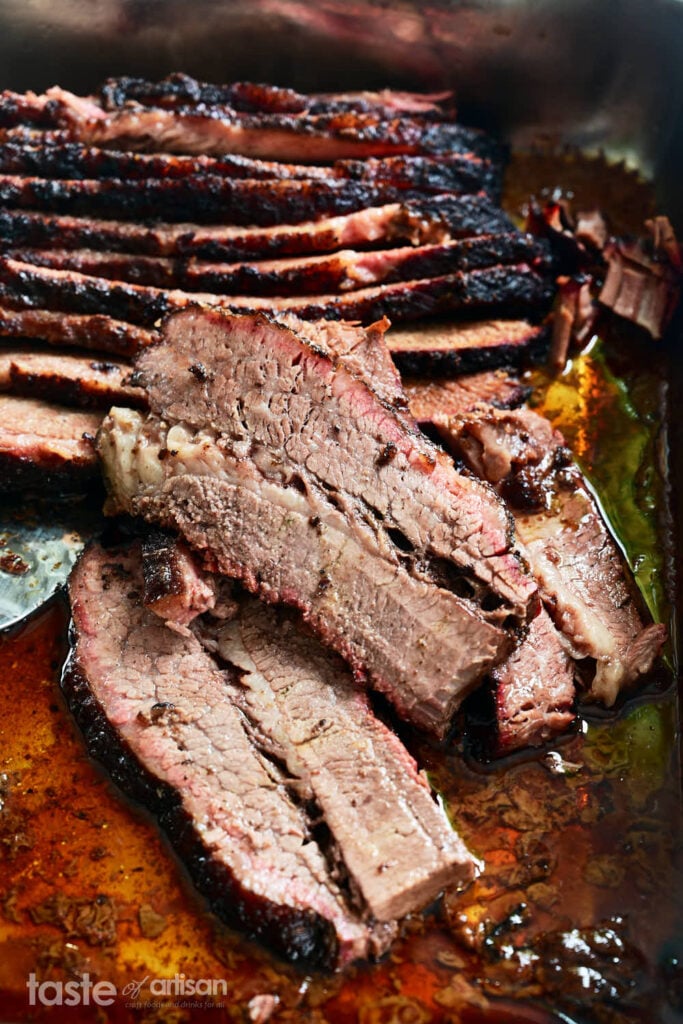
7. Classic Juicy Brisket
Brisket is a true BBQ centerpiece that rewards patience. Cook it low and slow at around 225-250°F for the most tender results.
Season your brisket generously with a simple rub of salt and pepper, ideally the night before. Plan for about one to one and a half hours of cooking time per pound.
The internal temperature should reach 195-205°F for that perfect pull-apart texture. Let your brisket rest for at least 30 minutes before slicing against the grain.
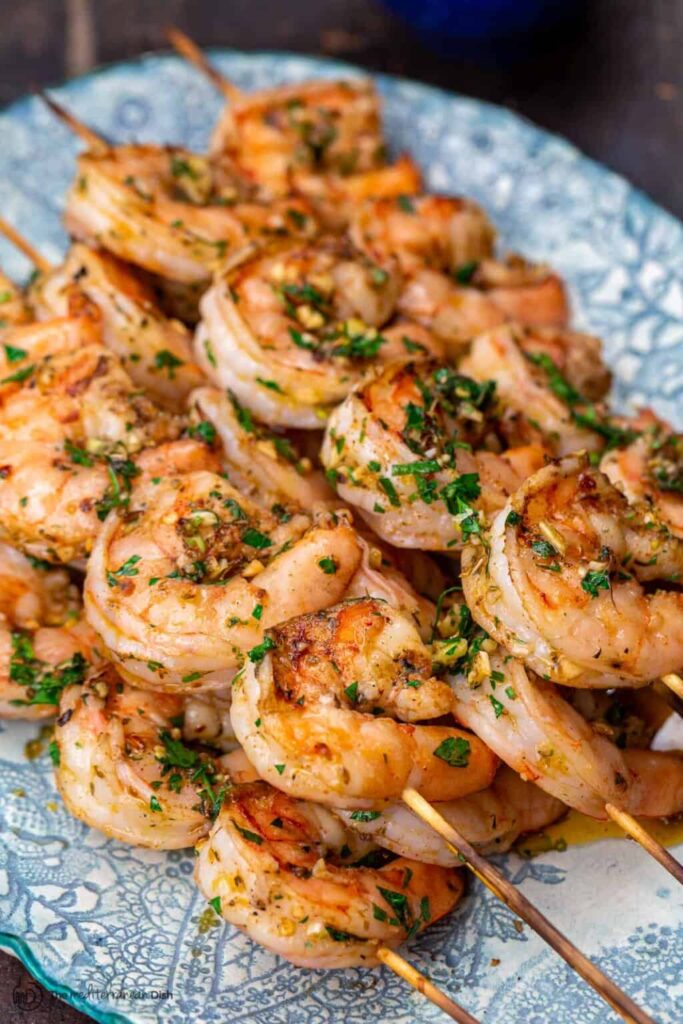
8. BBQ Shrimp Skewers
BBQ shrimp skewers offer a quick and easy addition to your grilling menu. The shrimp cook in just minutes on a hot grill.
Start with a simple marinade of garlic, lemon, and your favorite BBQ sauce. You can also add butter and fresh herbs for extra flavor.
Thread the shrimp onto skewers and grill for 2-3 minutes per side until they turn pink and develop light char marks. Serve them with rice or a fresh salad for a complete meal.
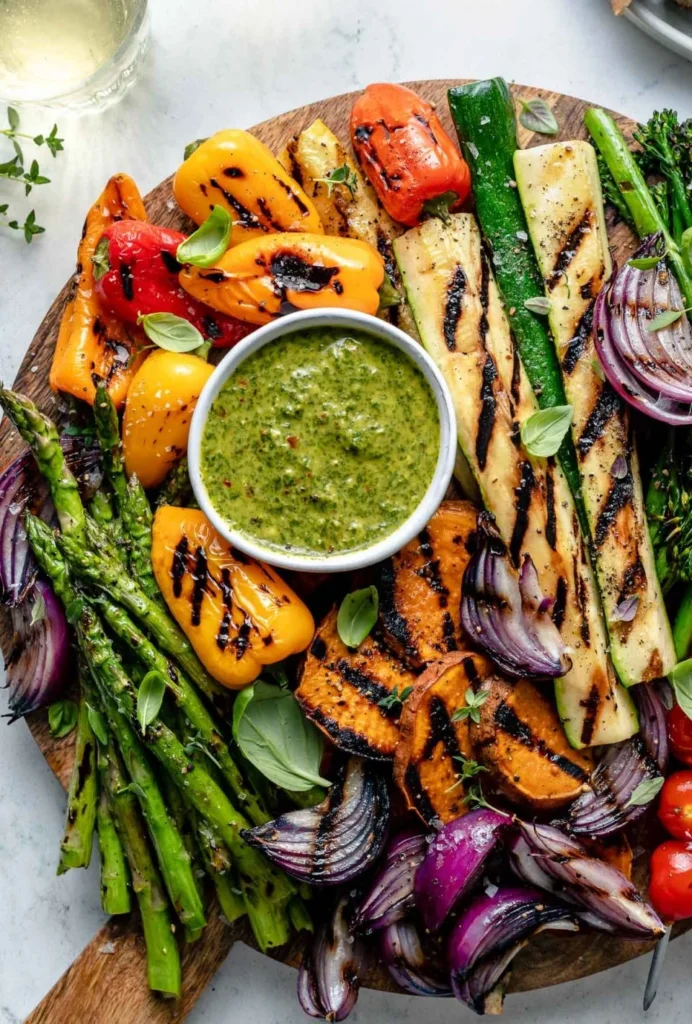
9. Grilled Vegetable Platter with BBQ Sauce
Grilled vegetables bring out natural sweetness through caramelization. Use summer favorites like bell peppers, zucchini, eggplant, and red onions.
Cut your vegetables into similar-sized pieces so they cook evenly. Brush them with oil before placing them on the grill over medium-high heat.
The smoky char from grilling pairs well with tangy BBQ sauce. Brush the sauce on during the last few minutes of cooking or serve it on the side for dipping.
This platter works as a side dish at any cookout and offers a healthy option for your guests.
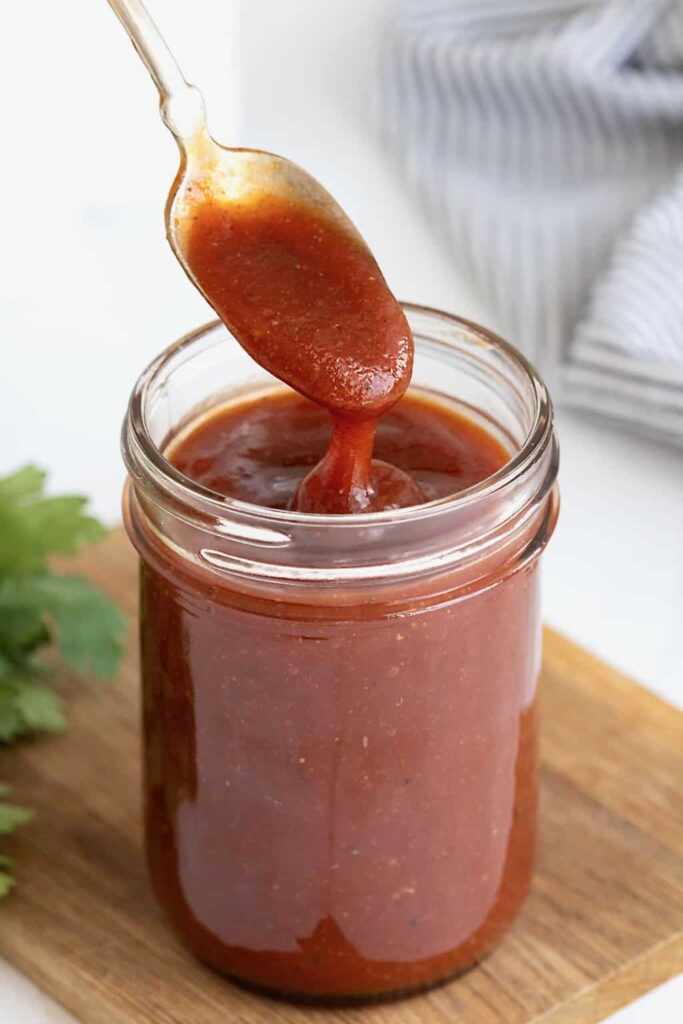
10. All-Purpose BBQ Sauce
Every griller needs a reliable BBQ sauce that works with any meat. An all-purpose sauce combines sweet, smoky, and tangy flavors that complement ribs, chicken, pork, and burgers equally well.
Make your own using basic ingredients like ketchup, brown sugar, vinegar, and spices. The sauce takes about 15 minutes to prepare and stores well in your fridge.
Use it as a basting sauce while grilling or as a dipping condiment at the table.
Essential Ingredients and Techniques
Great BBQ results come from the flavor layers you add through marinades, rubs, and sauces, understanding your grill and how to control its heat, and selecting meat cuts that suit your cooking method.
Building Flavors With Marinades, Rubs, and Sauces
Marinades use acidic ingredients like vinegar, citrus juice, or cola to break down meat fibers while adding moisture and flavor. Marinate chicken for 2-4 hours and tougher cuts like brisket for up to 24 hours.
Dry rubs create a flavorful crust on your meat. A basic rub needs only four ingredients: brown sugar, paprika, garlic powder, and salt.
You can add cayenne pepper, black pepper, or cumin to customize the flavor profile. Barbecue sauces balance sweet, tart, and spicy elements.
Start with a base like ketchup, mustard, or cola, then add vinegar for tartness and your choice of sweetener like honey or molasses. Apply thick sauces during the last 10-15 minutes of cooking to prevent burning.
Grill Types and Heat Management
Charcoal grills give you a smoky flavor and reach higher temperatures than gas grills. They take 20-30 minutes to heat up properly.
Gas grills offer precise temperature control and quick startup times of 10-15 minutes. Two-zone cooking is your most important heat management technique.
Push all coals to one side of a charcoal grill or turn on burners on just one side of a gas grill. This creates a hot direct heat zone for searing and a cooler indirect zone for slow cooking.
For low and slow cooking, maintain temperatures between 225-275°F. For grilling steaks or burgers, aim for 400-450°F direct heat.
Use a meat thermometer instead of guessing doneness by time alone.
Choosing the Right Cuts of Meat
For quick grilling (direct heat):
- Ribeye and strip steaks (1-1.5 inches thick)
- Chicken breasts and thighs
- Pork chops
- Burgers and hot dogs
For slow cooking (indirect heat):
- Pork shoulder for pulled pork
- Beef brisket
- Ribs (baby back or spare ribs)
- Whole chickens
Tougher cuts with more fat and connective tissue need low, slow cooking to become tender. Leaner, tender cuts cook quickly over direct heat.
Bone-in cuts add flavor but take longer to cook than boneless options.
Tips for Perfect BBQ Results
Great BBQ depends on technique and attention to detail. Avoiding common errors and using proven methods will help you cook meat that’s both tender and full of flavor.
Common Mistakes to Avoid
Starting with a cold grill is one of the biggest errors you can make. Your grill needs 15-20 minutes to reach the right temperature before you add any food.
Don’t make these mistakes:
- Opening the lid too often, which causes temperature drops and longer cooking times
- Skipping the meat thermometer and guessing when food is done
- Putting sauce on too early, which burns and turns bitter
- Crowding the grill, which prevents proper heat circulation
- Flipping meat multiple times instead of letting it cook undisturbed
Always let your grill preheat completely. This prevents sticking and gives you those nice grill marks everyone loves.
Using too much heat is another common problem. High heat dries out your meat and burns the outside before the inside cooks through.
How to Achieve Tender and Juicy Meats
Give your meat time to absorb flavors before it hits the grill. Marinades should sit for at least 2-4 hours, while dry rubs work best when applied 30 minutes before cooking.
Key techniques for tenderness:
- Use marinades with acid (vinegar, citrus) to break down tough fibers
- Apply dry rubs generously and let them form a crust
- Cook at lower temperatures for tougher cuts like brisket and ribs
- Keep a water pan in your smoker to maintain moisture
Temperature control matters most. Invest in a good meat thermometer and pull your meat off the grill 5 degrees before it reaches the target temperature.
Rest your meat after cooking. Cover it loosely with foil and wait 10-15 minutes.
This lets the juices redistribute throughout the meat instead of running out when you cut into it.
Frequently Asked Questions
Planning a successful barbecue involves knowing which recipes work best for different situations. These answers cover the essential questions about selecting recipes, preparing popular dishes, and building your grilling skills.
What are some classic barbecue recipes for large gatherings?
Slow Cooker Pulled Pork stands out as one of the best options for feeding a crowd. You can prepare it hours in advance, and it serves many people without requiring constant attention.
The meat stays warm in the slow cooker while you focus on other dishes. Smoky-Sweet Glazed Ribs also work well for large groups because you can cook multiple racks at once.
These ribs satisfy guests who want traditional barbecue flavors. Instant Pot BBQ Beef Sandwiches offer another practical choice since you can make the beef quickly and let guests build their own sandwiches.
Which chicken barbecue recipes are considered top-notch?
Oven-Roasted Barbecue Chicken ranks among the most reliable chicken recipes. This method gives you juicy meat with crispy skin and caramelized barbecue sauce.
You can prepare it year-round regardless of weather conditions. Grilled chicken with dry rubs delivers bold flavor without extra effort.
Maintain proper heat and avoid overcooking. Chicken thighs work better than breasts for grilling because they stay moist and tender even if you cook them a bit longer than planned.
What are the most popular barbecue dishes to prepare for dinner?
Ribs consistently rank as the top choice for barbecue dinners. Smoky-Sweet Glazed Ribs provide the classic taste that most people expect from a barbecue meal.
You can pair them with coleslaw and baked beans for a complete dinner. Pulled pork sandwiches come in as a close second for weeknight dinners.
They require minimal hands-on time and feed families easily. Grilled Salmon with BBQ Glaze offers a lighter option that cooks quickly on busy evenings.
Beef brisket remains popular for special occasions and weekend dinners. The long cooking time makes it less practical for weeknights, but the results are worth the wait.
Can you recommend the ultimate barbecue recipes for a novice griller?
Oven-Roasted Barbecue Chicken gives you the best starting point. You control the temperature precisely, and you don’t need to worry about flare-ups or hot spots.
This recipe builds your confidence before you move to outdoor grilling.
Instant Pot BBQ Beef Sandwiches work well because the pressure cooker does most of the work. You simply season the meat, set the timer, and let the machine handle the cooking.
The results taste like you spent hours tending a smoker.
Grilled Salmon with BBQ Glaze teaches you basic grilling skills without overwhelming complexity. Salmon cooks quickly, so you learn to monitor doneness and manage grill temperatures.
Start with these three recipes before attempting ribs or brisket.
What are some must-try barbecue sauce variations for enhancing flavor?
Vinegar-based Carolina sauce cuts through fatty meats like pulled pork. This thin, tangy sauce adds brightness without masking the smoke flavor.
Mix apple cider vinegar with a small amount of ketchup, brown sugar, and red pepper flakes.
Sweet and spicy Kansas City-style sauce works on nearly everything. You balance tomato, molasses, and brown sugar with cayenne pepper and black pepper.
This thick sauce caramelizes beautifully when you brush it on during the final minutes of cooking.
Mustard-based South Carolina sauce pairs perfectly with chicken and pork. Yellow mustard forms the base, which you mix with vinegar, brown sugar, and spices.
Alabama white sauce made from mayonnaise, vinegar, and horseradish gives grilled chicken a unique tangy coating.
How can I recreate famous barbecue recipes from renowned BBQ joints at home?
Start by researching the specific restaurant’s cooking method and signature ingredients. Many famous joints use simple rubs with just salt, pepper, and paprika.
The secret often lies in low-and-slow cooking rather than complex seasonings. Match your cooking equipment to their technique as closely as possible.
If a restaurant uses offset smokers, use indirect heat with wood smoke. For places that use rotisseries, try your oven’s rotisserie function or a grill rotisserie attachment.
Use the same type of wood they use for smoking. Cook at their recommended temperatures and times.
Taste your results against the original. Adjust one element at a time until you match their flavor profile.