
Greek desserts offer a unique taste of Mediterranean tradition through their use of honey, nuts, and phyllo dough. These sweets have been passed down through generations and remain popular both in Greece and around the world.
The desserts range from crispy pastries soaked in syrup to creamy custards and simple spoon sweets. Some are best enjoyed during specific seasons, while others appear at celebrations and holidays throughout the year.
Understanding the basics of Greek sweets helps you appreciate the flavors and techniques that make them special.
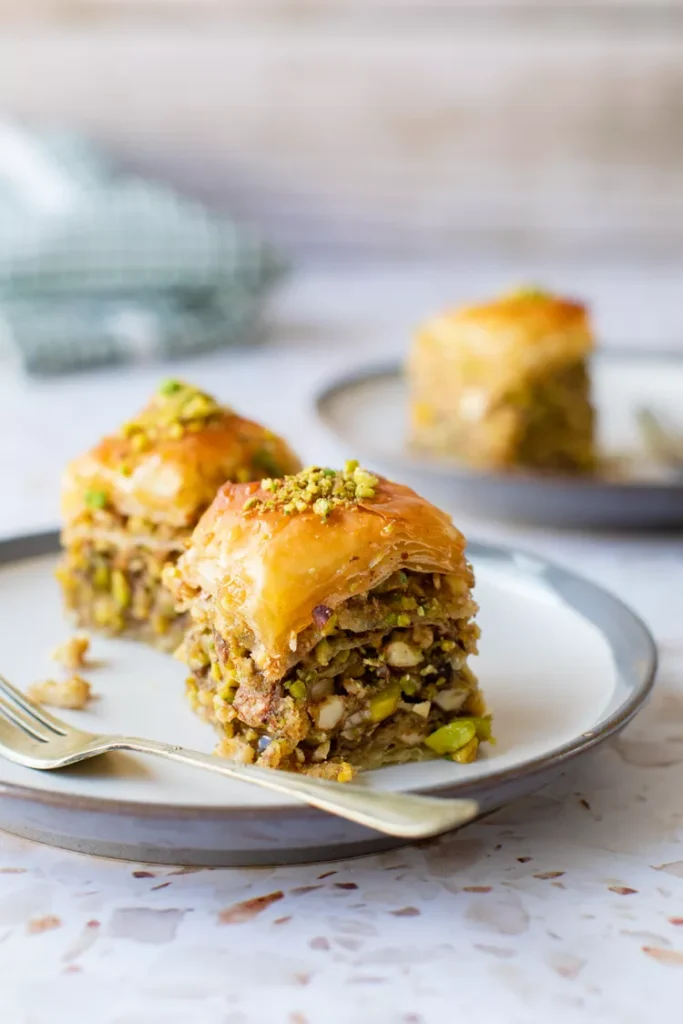
1. Baklava
Baklava stands as one of Greece’s most famous desserts. You’ll find layers of thin, crispy phyllo dough filled with chopped nuts, typically walnuts or almonds.
Bakers bake the dessert until golden brown, then soak it in a sweet syrup made with honey, sugar, and often lemon. The combination creates a perfect balance of crunchy texture and sweet flavor.
You can make baklava at home with some patience. It looks more complicated than it actually is.

2. Galaktoboureko
Galaktoboureko is a classic Greek custard pie. You’ll find layers of crispy phyllo pastry wrapped around a creamy semolina custard filling.
Bakers finish the dessert with a sweet syrup made from lemon and cinnamon. This combination creates a balance between the flaky texture of the phyllo and the smooth custard inside.
You can serve galaktoboureko at celebrations or enjoy it as an everyday treat. It’s just as popular in Greece as baklava.

3. Loukoumades
Loukoumades are small fried dough balls that rank among Greece’s most popular desserts. You’ll find them served warm with a golden, crispy exterior and a soft, fluffy interior.
Cooks deep-fry the dough until it reaches a light brown color. They then drizzle the treats with honey and top them with cinnamon and crushed walnuts.
You can make these Greek donuts with just five basic ingredients. They work well as either a dessert or a snack, and you’ll often see them sold at specialized shops throughout Greek cities and villages.

4. Kataifi
Kataifi is a Greek dessert made from shredded phyllo dough that looks like thin noodles. You fill this unique pastry with crushed walnuts or almonds mixed with cinnamon and cloves.
After baking until golden and crispy, you drench it in sweet honey syrup. The result is a crunchy texture on the outside with a nutty, aromatic filling inside.
You’ll find kataifi served at celebrations and special occasions throughout Greece. It’s similar to baklava but has its own distinct appearance and texture.

5. Rizogalo
Rizogalo is Greece’s version of rice pudding. You’ll find this creamy dessert served in sweet shops throughout Athens and in home kitchens across the country.
The dish uses simple ingredients like rice, milk, sugar, and lemon zest. Most recipes call for Arborio rice to get the right texture.
You can eat it warm or cold. Greeks enjoy rizogalo as a dessert, breakfast, or afternoon snack.
It’s topped with a sprinkle of cinnamon before serving.

6. Halva
Halva is a traditional Greek dessert made from semolina, olive oil, and a flavored syrup. You toast the semolina in olive oil until golden, then combine it with a sweet syrup made from sugar, water, and warm spices like cinnamon and cloves.
The mixture thickens as it cooks, and you often add raisins and nuts for extra texture. Once ready, you pour it into a mold to set and cool.
This dessert is popular during Greek Lent since it contains no dairy or eggs. Each bite offers a comforting blend of nuttiness and sweetness.

7. Revani
Revani is a traditional Greek semolina cake that stands out for its unique texture and syrupy sweetness. You’ll find this dessert made with semolina flour, eggs, and yogurt, creating a moist sponge that soaks up flavored syrup beautifully.
The cake gets topped with a citrus syrup made from sugar, water, and lemon or orange juice. This gives each bite a fragrant, sweet taste.
You can serve revani plain or garnish it with shredded coconut, chopped pistachios, or sliced almonds. It keeps well and actually tastes better the day after baking.

8. Kourabiedes
Kourabiedes are traditional Greek butter cookies that melt in your mouth with every bite. These shortbread-style treats are packed with toasted almonds and covered in a thick layer of powdered sugar.
You’ll find these cookies at Greek Christmas celebrations, weddings, and baptisms. They’re shaped into crescents or balls and flavored with butter, almonds, and often a splash of brandy or vanilla.
The powdered sugar coating makes them look like little snowballs. When you bite into one, you get a crumbly, buttery texture that pairs perfectly with coffee or tea.

9. Melomakarona
Melomakarona are traditional Greek honey cookies that appear in nearly every household during Christmas. These oval-shaped treats combine simple ingredients like orange juice, cinnamon, and cloves into a fragrant dough.
After baking, you dip the cookies in a honey syrup and top them with crushed walnuts. The result is a perfectly balanced dessert with a crisp exterior and tender center.
While they’re traditionally a holiday treat, you can enjoy melomakarona year-round. They keep well for weeks, making them ideal for gift-giving or having on hand when guests visit.
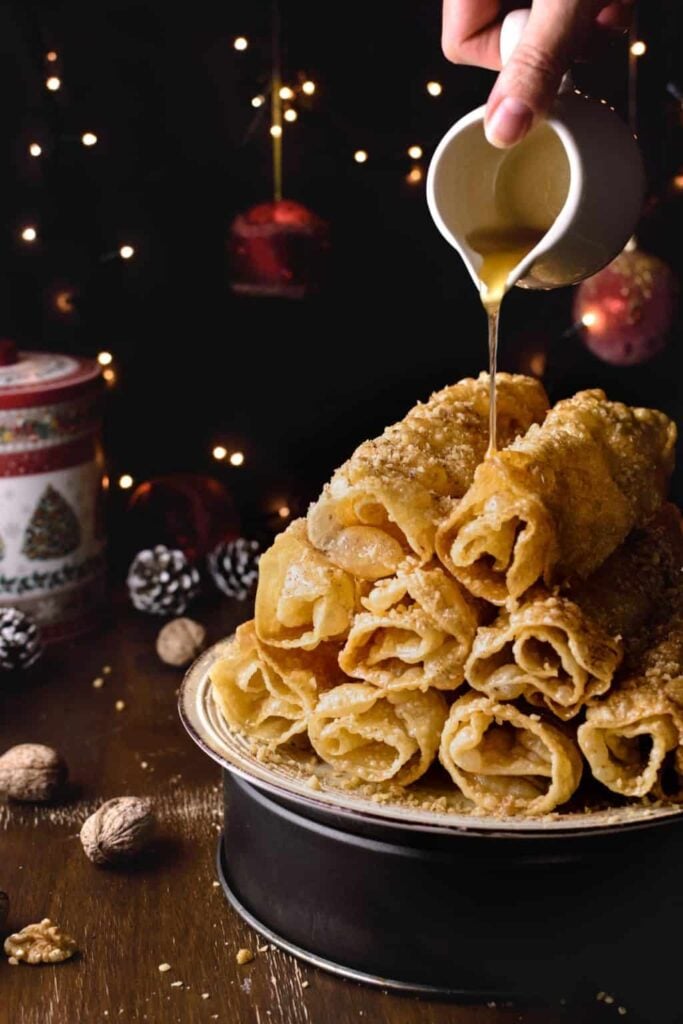
10. Diples
Diples are traditional Greek fried pastries that you’ll find at Christmas celebrations and special occasions. The name comes from the Greek word for “fold,” which describes how the thin dough gets shaped during frying.
You make these treats by rolling dough into thin sheets, frying them until crispy, and coating them with honey syrup. Most recipes top them with chopped walnuts and a sprinkle of cinnamon.
The texture is extremely crispy and the flavor is sweet from the honey. While they take some practice to master, the result is worth the effort.
Cultural Significance of Greek Desserts
Greek desserts connect modern tables to ancient traditions through their use in celebrations and the symbolic meaning of their ingredients. These sweets serve as cultural markers that bind families and communities together during important moments.
Festive Occasions and Traditions
Greek desserts play specific roles during religious holidays and family celebrations. During Easter, families prepare tsoureki, a sweet braided bread, and kourabiedes, butter cookies dusted with powdered sugar.
Christmas tables feature melomakarona, honey-soaked cookies with walnuts that represent abundance and hospitality. Wedding celebrations traditionally include koufeta, sugar-coated almonds that symbolize the bitter and sweet aspects of marriage.
Guests receive these almonds in odd numbers, which cannot be divided, representing the unity of the couple. Name day celebrations and baptisms also feature traditional sweets.
The desserts you serve during these events follow recipes passed down through generations. Many families guard their specific techniques and ingredient ratios as treasured family knowledge.
Symbolism in Ingredients and Flavors
The ingredients in Greek desserts carry deep cultural meaning beyond their taste. Honey connects modern desserts to ancient Greece, where it served as the primary sweetener for thousands of years.
Greek beekeepers produce honey from thyme and wildflowers, adding distinct regional character to each dessert. Nuts, particularly almonds and walnuts, represent prosperity and fertility in Greek culture.
You’ll find them featured prominently in baklava, kataifi, and many traditional cakes. Phyllo dough demonstrates patience and skill, as creating its delicate layers requires careful attention.
The multiple layers in desserts like baklava symbolize the complexity of Greek history and the blending of different cultural influences over centuries.
Tips for Enjoying and Serving Greek Sweets
Greek desserts taste best when paired with the right drinks and stored properly to maintain their texture and flavor. Understanding these basics helps you get the most out of these traditional treats.
Pairing with Greek Coffee and Spirits
Greek coffee serves as the perfect companion to most Greek sweets. The strong, rich coffee balances the sweetness of desserts like baklava and galaktoboureko.
You should serve the coffee unfiltered in small cups, allowing guests to sip slowly between bites. Ouzo and metaxa also pair well with Greek desserts.
Ouzo’s anise flavor cuts through honey-soaked pastries, while metaxa’s brandy notes complement nut-filled sweets. Serve these spirits in small glasses at room temperature.
For lighter desserts like rizogalo or Greek yogurt with honey, try pairing with a sweet dessert wine. Vinsanto from Santorini works especially well with custard-based treats.
Storage and Freshness Advice
Store phyllo-based desserts like baklava at room temperature in an airtight container. These pastries stay fresh for up to one week when kept away from moisture.
Never refrigerate them, as this makes the phyllo soggy and tough. Custard desserts need refrigeration within two hours of preparation.
Keep galaktoboureko and similar treats covered in the refrigerator for up to three days. Bring them to room temperature 30 minutes before serving for the best flavor.
Honey-soaked desserts taste better the day after making them. The syrup needs time to soak through all the layers.
Store these desserts covered at room temperature if you plan to eat them within 48 hours.
Frequently Asked Questions
Greek desserts raise common questions about traditions, ingredients, and preparation methods. These answers cover everything from identifying authentic classics to creating healthier versions and impressing guests.
What is the most traditional Greek dessert?
Baklava stands as the most recognized traditional Greek dessert. This pastry features layers of crispy phyllo dough filled with chopped nuts and sweetened with honey syrup.
Greeks have made baklava for centuries, and it appears at celebrations, holidays, and family gatherings. The dessert uses simple ingredients like walnuts or pistachios, butter, and honey.
Each region in Greece has its own variation with different nut combinations and spice additions.
What are some simple Greek dessert recipes for beginners?
Rizogalo makes an excellent starting point for beginners. This creamy rice pudding requires only milk, rice, sugar, and a touch of vanilla or cinnamon.
Loukoumades offer another beginner-friendly option. You mix a simple dough, fry small balls until golden, and drizzle them with honey and cinnamon.
The process takes less than an hour from start to finish. Both desserts require basic cooking skills and common kitchen equipment.
You don’t need specialized tools or hard-to-find ingredients.
Which Greek pastries are considered the quintessential sweet treats?
Baklava, galaktoboureko, and kataifi represent the three essential Greek pastries. Baklava combines phyllo dough with nuts and honey syrup.
Galaktoboureko wraps custard filling in crispy phyllo layers. Kataifi uses shredded phyllo dough that looks like thin noodles.
Bakers wrap this dough around nuts to create a unique texture. All three pastries feature the signature combination of phyllo dough, sweet filling, and honey-based syrup.
These pastries appear in bakeries across Greece and at Greek restaurants worldwide. You’ll find them at weddings, festivals, and special occasions.
How can I make a healthy Greek-inspired dessert?
You can make rizogalo healthier by using low-fat milk or plant-based alternatives. Reduce the sugar content and add natural sweetness with fresh fruit or a small amount of honey.
Greek yogurt with honey and walnuts creates a nutritious dessert option. This combination provides protein from the yogurt and healthy fats from the nuts.
Add fresh berries or figs for extra vitamins and fiber. Baked fruit desserts work well with Greek flavors too.
Try baked apples or pears with cinnamon, honey, and chopped nuts. These options deliver sweetness without heavy cream or excessive sugar.
What desserts are typically served at Greek dinner parties?
Galaktoboureko frequently appears at dinner parties because it can be made ahead and served at room temperature. The custard-filled pastry impresses guests while remaining practical for hosts.
Baklava also makes regular appearances at gatherings. You can cut it into small portions that guests can easily enjoy.
Loukoumades work well for larger parties since you can fry them fresh and serve them warm. Many hosts prepare a variety of desserts to offer choices.
They might include both phyllo-based pastries and cream-based options like rizogalo.
Can you suggest any modern twists on classic Greek desserts?
You can transform baklava by using different nuts like pecans or almonds instead of traditional walnuts. Some bakers add chocolate between the phyllo layers or drizzle chocolate over the finished pastry.
Loukoumades accept creative toppings beyond honey and cinnamon. Try them with chocolate sauce, fruit compotes, or even savory options like cheese and herbs.
You can also stuff loukoumades with chocolate, cream, or fruit preserves.
Galaktoboureko works well with flavor variations in the custard. Add lemon zest, orange blossom water, or vanilla bean for different tastes.
Some modern versions use alternative sweeteners or replace regular phyllo with whole wheat versions.