
Juicing gives you an easy way to add more fruits and vegetables to your diet. Fresh juice delivers vitamins and minerals in a form your body can absorb quickly.
You don’t need to spend money at juice bars when you can make drinks at home with a juicer or blender. This guide provides simple recipes for green detox blends, tropical mixes, and refreshing drinks that taste good and support your health.
You’ll find options for different goals, from energy boosters to hydration blends. The recipes use common ingredients you can find at most grocery stores.
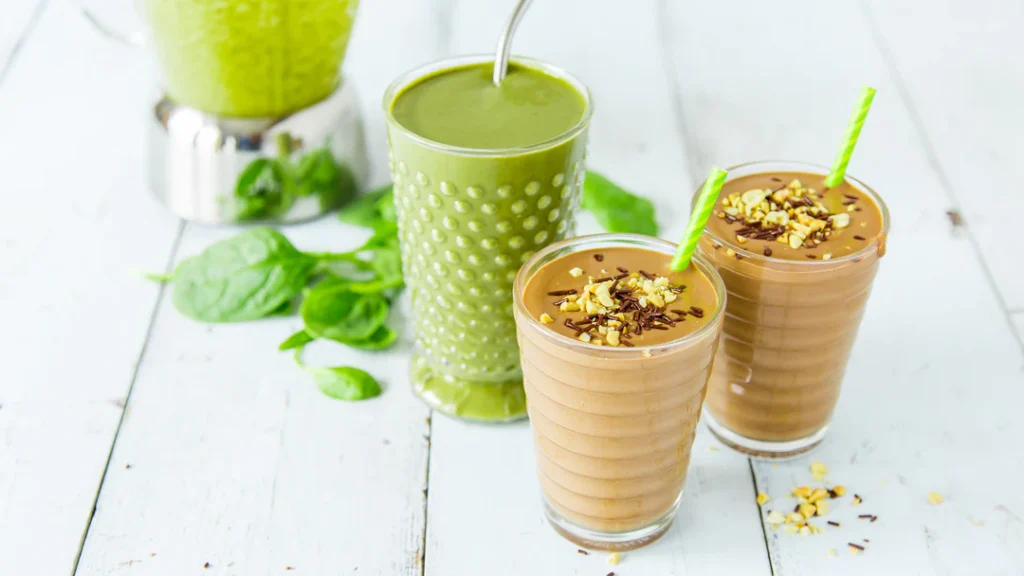
1. Green Detox Juice with Kale and Spinach
This green juice combines kale and spinach to create a nutrient-rich drink. You’ll need about 2 cups of kale with stems removed and a handful of spinach as your base.
Add cucumber and celery for hydration. A green apple provides natural sweetness while lemon adds brightness.
Fresh ginger gives the juice a subtle kick. You can make this in a blender or juicer.
If you use a blender, strain the mixture through a fine mesh to remove pulp. Drink it fresh for the best taste and nutrition.

2. Carrot, Apple, and Ginger Juice
This juice combines sweet carrots and apples with spicy fresh ginger. You’ll get vitamins and antioxidants in every glass.
The carrots provide vitamin A, which supports your vision and skin health. Apples add natural sweetness and fiber.
Ginger gives the juice a warm kick and helps with digestion. You can make this in a juicer or blender.
Simply feed the ingredients through your juicer for a smooth drink. The recipe takes about 15 minutes from start to finish.

3. Pineapple, Cucumber, and Mint Blend
This juice combines sweet pineapple with crisp cucumber and fresh mint for a drink that tastes refreshing and light. You get vitamin C from the pineapple and hydration from the cucumber.
Blend half a medium pineapple with one large cucumber and a handful of mint leaves. Add 4 cups of cold water and blend until smooth.
You can strain it if you want a thinner texture. The mint adds a cooling flavor that balances the sweetness.
This works well as a morning drink or afternoon refresher.

4. Beetroot and Celery Energy Booster
This juice combines beetroot and celery to create a nutrient-packed drink that supports your energy levels throughout the day. You can make it in about five minutes with just a few ingredients.
The basic recipe calls for beets, celery stalks, and your choice of apple or lemon for flavor balance. Adding fresh ginger gives it extra kick.
Beetroot provides natural compounds that support stamina and heart health. Celery adds electrolytes and hydration.
You can drink this juice before or after exercise, or as a morning energy boost.

5. Watermelon and Lime Refresher
This drink combines sweet watermelon with tangy lime for a balanced, refreshing juice. You’ll need fresh watermelon chunks, lime juice, and water or sparkling water.
Blend the watermelon until smooth, then strain if you prefer a clearer juice. Add fresh lime juice to taste and mix well.
Serve it over ice with still water or add sparkling water just before drinking for extra fizz. Use about three parts watermelon juice to one part sparkling water.
Fresh lime juice works better than bottled for the best flavor.

6. Orange, Carrot, and Turmeric Immunity Juice
This bright orange juice combines three simple ingredients that work well together. You get vitamin C from oranges, beta-carotene from carrots, and anti-inflammatory compounds from turmeric.
The natural sweetness of oranges and carrots balances the earthy taste of turmeric. Many recipes add ginger and lemon for extra flavor and nutrients.
Make this juice fresh in your blender or juicer in about five minutes. Add a pinch of black pepper to help your body absorb the turmeric better.

7. Peach and Plum Summer Juice
Peaches and plums make a perfect pairing for fresh summer juice. Both fruits are naturally sweet and juicy, which means you don’t need to add sugar.
Blend equal parts of peaches and plums for a balanced flavor. Wash your fruits, remove the pits, and run them through your juicer.
This combination gives you a drink rich in vitamins and antioxidants. Use stone fruits when they’re in season during summer months.
You’ll get the ripest, most flavorful results.

8. Cucumber, Lemon, and Basil Hydration Blend
This juice combines cucumber, lemon, and fresh basil for a light and refreshing drink. You’ll need one cucumber, juice from half a lemon, a handful of basil leaves, and water.
Cucumber provides the base while lemon adds brightness. Basil brings an herbal note that makes this blend different from plain water.
This recipe works well when you want something hydrating without added sugar. The ingredients blend quickly and create a smooth drink.
You can adjust the lemon and basil amounts based on your taste preferences.

9. Mango, Carrot, and Ginger Tropical Mix
This juice combines sweet mango with carrots and fresh ginger for a bright drink. You can make it in either a juicer or blender.
Natural sweetness from mango balances the earthy taste of carrots. Ginger adds a slight kick and helps with digestion.
Cut your carrots and mango into pieces that fit your machine. Add a small piece of fresh ginger based on how spicy you want it.
This recipe gives you vitamin A from carrots and vitamin C from mango in one glass.

10. Spinach, Apple, and Celery Green Juice
This simple green juice combines three basic ingredients you probably already have. Spinach gives you vitamins A and C, while celery adds hydration and antioxidants.
Green apples make the juice naturally sweet without adding sugar. You can use a juicer or a blender for this recipe.
Wash your ingredients and chop them into pieces that fit your machine. If you use a blender, strain the mixture through a fine-mesh strainer or cheesecloth.
The whole process takes about five minutes from start to finish.
Health Benefits of Juicing
Fresh juices deliver concentrated vitamins and minerals from fruits and vegetables in an easy-to-drink form. Your body can quickly absorb these nutrients, supporting your daily health needs.
Nutritional Value of Fresh Juices
When you make juice at home, you get vitamins A, C, and K along with important minerals like potassium and magnesium. A single glass can contain nutrients from multiple servings of produce.
Fresh juices give you antioxidants that help protect your cells. Carrot juice provides beta-carotene for eye health.
Citrus juices offer vitamin C for immune support. Leafy greens add iron and calcium to your diet.
The nutrients in fresh juice enter your bloodstream faster than whole foods because the juicing process removes fiber. Your body doesn’t have to work as hard to break down the food.
This makes juicing helpful when you need quick energy or have digestive issues.
Key nutrients you get from juicing:
- Vitamin C from citrus and berries
- Vitamin A from carrots and sweet potatoes
- Potassium from celery and cucumber
- Folate from leafy greens
- Natural enzymes from raw produce
How Juicing Supports Wellness
Juicing helps you meet your daily fruit and vegetable goals. Many people struggle to eat enough produce, but drinking juice makes it easier to consume more.
Fresh juices keep you hydrated because they contain high water content. Cucumber and celery juices work especially well for hydration.
Your body needs proper hydration for energy, clear thinking, and healthy skin. Different juice combinations support specific health goals.
Ginger and turmeric juices may reduce inflammation. Green juices with spinach and kale provide nutrients that support your immune system.
Beet juice contains compounds that may improve blood flow. You can create juice blends that match your needs each day.
Morning juices with apples and ginger can boost energy. Evening blends with cucumber and celery promote relaxation.
Essential Juicing Tips
Fresh juice quality depends on choosing the right produce and following proper juicing techniques. These fundamentals will help you create nutritious drinks that taste great every time.
Selecting the Right Ingredients
Choose fresh, ripe produce for the best flavor and nutrition. Firm fruits and vegetables work better in juicers than overripe or mushy ones.
Look for bright colors and avoid items with brown spots or soft patches. Organic produce helps you avoid pesticides, especially for items you juice with the peel on.
If you can’t buy all organic, focus on organic versions of apples, celery, cucumbers, and leafy greens since these absorb more pesticides.
Best ingredients for beginners:
- Apples and pears (naturally sweet)
- Carrots (add sweetness and color)
- Cucumbers (high water content)
- Celery (adds nutrients without strong flavor)
- Spinach and kale (packed with vitamins)
- Ginger and lemon (add flavor punch)
Wash all produce thoroughly before juicing. Remove pits, large seeds, and tough peels from citrus fruits.
Juice softer peels like apple and cucumber skins.
Best Practices for Juicing at Home
Cut your produce into pieces that fit your juicer’s feed tube. Smaller pieces process more efficiently and put less strain on the machine.
Alternate between soft and hard ingredients when feeding your juicer. This helps the machine extract more juice and prevents clogging.
Push leafy greens through with harder items like carrots or apples. Drink your juice within 15-20 minutes of making it for maximum nutrition.
Fresh juice loses nutrients quickly when exposed to air. If you must store it, use an airtight glass container and refrigerate for no more than 24 hours.
Clean your juicer immediately after use. Dried pulp becomes hard to remove and can harbor bacteria.
Most juicer parts are dishwasher safe, but check your manual first.
Frequently Asked Questions
Weight loss juices work best when they’re low in sugar and high in fiber-rich vegetables. Beginners should start with simple two or three ingredient combinations.
The 80/20 rule helps you create balanced juices by using 80% vegetables and 20% fruits.
What are the most effective juice recipes for weight loss?
Green vegetable juices work best for weight loss because they’re low in calories and sugar. Combinations like kale, spinach, cucumber, and celery give you lots of nutrients without adding many calories.
Adding a small amount of lemon or green apple helps improve the taste without adding too much sugar. These juices keep you full longer than fruit-heavy options.
Beetroot and celery combinations also support weight loss by boosting your energy levels naturally. This helps you stay active throughout the day.
How do I get started with juicing as a beginner?
Start with simple recipes that use only two or three ingredients. Carrot and apple combinations are sweet and easy to enjoy while you get used to fresh juice.
Buy a basic juicer that fits your budget and is easy to clean. You don’t need expensive equipment when you’re first learning.
Prepare your ingredients by washing them well and cutting them into pieces that fit your juicer. Most fruits and vegetables don’t need to be peeled unless they have thick, inedible skins.
Can you provide juicing recipes that are particularly good for dinner time?
Vegetable-based juices work better for dinner than fruit juices. Try combinations like beetroot, celery, and carrot for a filling drink that won’t spike your blood sugar before bed.
Green juices with kale, spinach, and cucumber provide nutrients without making you feel too full. These lighter options won’t interfere with your digestion during sleep.
Add ginger or mint to your evening juices to help with digestion. These ingredients calm your stomach and prepare your body for rest.
What are the top health benefits of juicing various fruits and vegetables?
Juicing helps your body absorb nutrients quickly because the fiber has been removed. Your digestive system can process the vitamins and minerals faster than eating whole foods.
Different ingredients provide different benefits. Carrots give you beta-carotene for eye health, while leafy greens like kale provide iron and calcium.
Citrus fruits and pineapple boost your immune system with vitamin C. Beetroot improves blood flow and gives you natural energy throughout the day.
Could you suggest the best fruit and vegetable combinations for nutrient-rich juices?
Pair leafy greens with citrus to create powerful nutrient combinations. Kale or spinach with lemon and apple gives you iron, vitamin C, and antioxidants in one drink.
Root vegetables like carrots and beets work well with ginger and apple. This combination provides vitamins A and C along with natural anti-inflammatory compounds.
Cucumber and watermelon create hydrating juices that are rich in electrolytes. Add mint or lime to boost the flavor and add extra vitamins.
How does the 80/20 rule apply to creating balanced juicing recipes?
The 80/20 rule means using 80% vegetables and 20% fruits in your juices.
This keeps sugar content low while making sure your juice still tastes good.
Most vegetables are low in sugar and high in nutrients, so they should make up most of your juice.
A small amount of fruit adds natural sweetness without turning your healthy juice into a sugar drink.
For example, a green detox juice might use kale, spinach, cucumber, and celery as the 80%.
You can add one apple or a handful of pineapple as the 20%.