
Juicing gives you an easy way to add more fruits and vegetables to your diet. Fresh juices provide vitamins, minerals, and nutrients in a form your body can absorb quickly.
You can make these drinks at home with a juicer or blender. Making your own juice saves money and lets you control what goes into your glass.
You can try different combinations of produce to find flavors you enjoy. This guide includes recipes that range from green blends to fruity mixes, along with tips to help you get the most from your juicing routine.
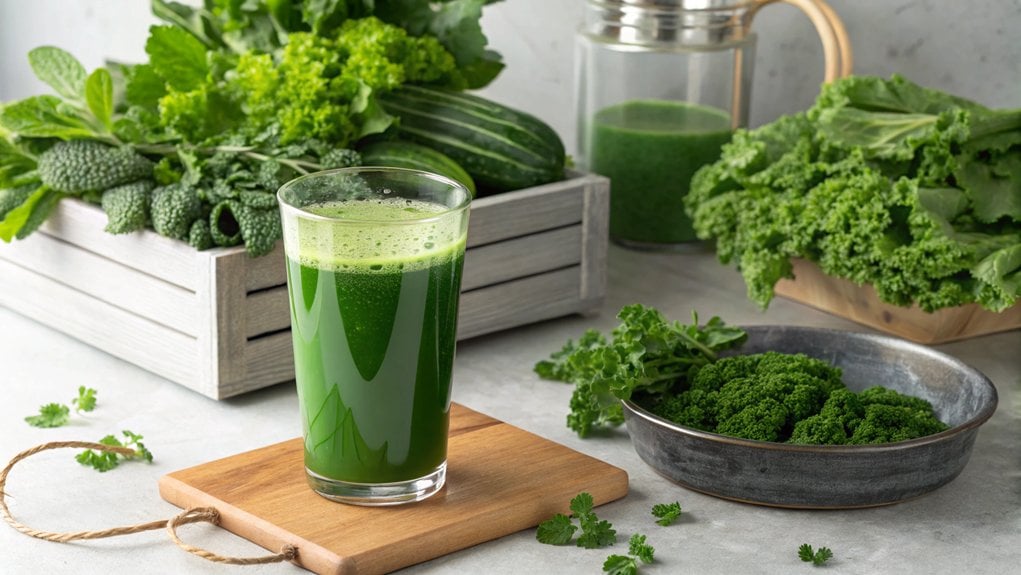
1. Green Detox Juice with kale, cucumber, and green apple
This juice combines three simple ingredients that work well together. Kale provides vitamins and minerals, while cucumber adds hydration to the blend.
Green apple brings natural sweetness that balances the earthy taste of the greens. You can make this recipe in just a few minutes with a juicer.
The cucumber and apple mask any bitterness from the kale, making it easier to drink. This juice works as a morning drink or afternoon pick-me-up.

2. Carrot Ginger Immunity Booster
This juice combines carrots, fresh ginger, and citrus to create a drink rich in vitamins and antioxidants. You can make it in about five minutes using either a juicer or blender.
Carrots provide beta-carotene, which your body converts to vitamin A. Ginger adds anti-inflammatory properties while citrus fruits like oranges or lemons boost the vitamin C content.
To prepare this juice, blend fresh carrots with a small piece of ginger and your choice of citrus. If using a blender, strain the mixture after blending.

3. Pineapple Mint Refresher
This tropical drink combines sweet pineapple with cool mint for a simple, refreshing juice. You’ll need fresh pineapple chunks, mint leaves, and water as your base ingredients.
Add the pineapple and mint to your blender with water and ice. Blend until smooth.
Strain it through a fine-mesh strainer if you prefer juice without pulp. Fresh pineapple works best, but you can use canned pineapple packed in juice if needed.
Taste your pineapple first to decide if you need to add honey or sugar for sweetness.

4. Beetroot and Berry Antioxidant Blend
This bright red juice combines the earthy taste of beets with the sweetness of mixed berries. You can use fresh strawberries, blueberries, or raspberries for this recipe.
Beets contain important nutrients that support your liver function. Berries add natural sweetness and more antioxidants to the mix.
Blend one medium beet with one cup of your favorite berries and half a cup of water. Add a small piece of ginger if you want extra flavor.

5. Celery Cucumber Energy Cleanser
This juice combines two hydrating vegetables that work well together. Celery and cucumber both have high water content, which helps keep you hydrated throughout your day.
Drink this juice in the morning on an empty stomach for better nutrient absorption. The mild flavor makes it easy to drink, even if you’re new to juicing.
Add a squeeze of lemon or a small piece of ginger to boost the taste. This simple recipe takes just minutes to make and gives you a quick nutritional boost when you need it.

6. Mango Spinach Vitamin C Punch
This juice combines sweet mango with fresh spinach to create a nutrient-rich drink. The mango provides natural sweetness and vitamin C, while spinach adds iron and fiber.
Blend baby spinach leaves with ripe mango chunks and coconut water or orange juice as your base. The vitamin C from the mango helps your body absorb the iron from the spinach.
Add a peeled orange for extra citrus flavor and more vitamin C. The tropical taste makes it easy to drink your greens.

7. Watermelon Lime Hydrator
This juice combines two simple ingredients for maximum refreshment. Blend fresh watermelon chunks with lime juice to create a naturally sweet drink with a tart edge.
The watermelon provides hydration through its high water content. The lime cuts through the sweetness and adds a zesty flavor that makes this juice more balanced.
You can make this in about 10 minutes using a blender or juicer. No added sugar is needed since watermelon is naturally sweet.

8. Apple Carrot Ginger Zing
This juice combines sweet apples, earthy carrots, and fresh ginger for a balanced drink. You can make it in a juicer or blender in just a few minutes.
The natural sweetness from apples pairs well with carrots. Ginger adds a mild spicy kick that brings all the flavors together.
You’ll need about 3-4 carrots, 2 apples, and a small piece of ginger. Adjust the ginger amount based on how much spice you prefer.

9. Orange Turmeric Anti-Inflammatory
This juice combines bright orange flavor with turmeric’s natural properties. You get vitamin C from fresh oranges along with the warming taste of turmeric and ginger.
You need oranges, fresh turmeric root, ginger, and a touch of black pepper. The pepper helps your body use the turmeric better.
Adjust the ginger amount based on how spicy you like it.
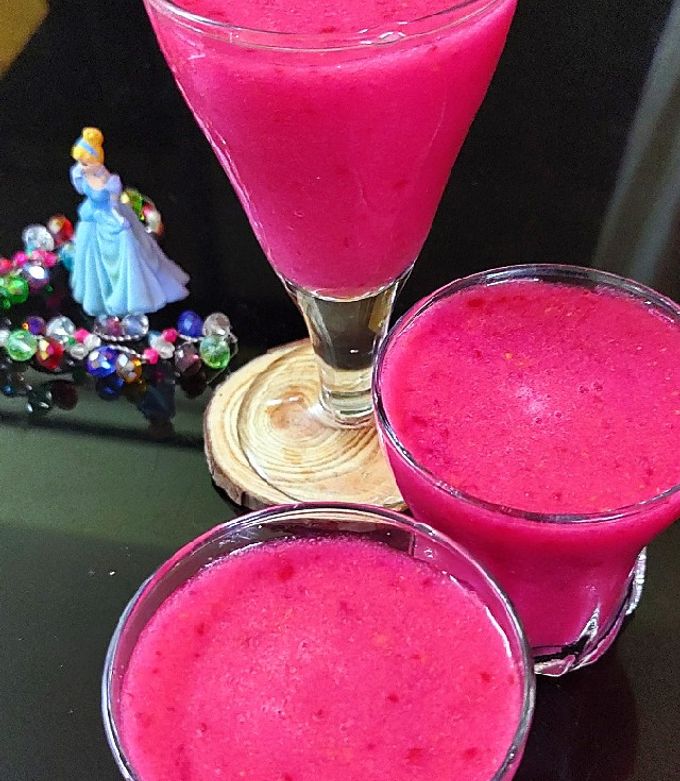
10. Pear and Plum Sweet Harmony
This juice combines ripe pears with fresh plums for a balanced drink. The pears bring natural sweetness while the plums add a slight tartness.
You’ll need two pears and three plums. Wash both fruits well.
Core the pears but leave the skin on for extra nutrients. Cut the plums in half and remove the pits.
Run everything through your juicer. The result is a ruby-amber colored juice with smooth flavor.
Essential Tips for Juicing Success
Getting great results from juicing comes down to picking quality ingredients, creating balanced drinks, and using the right methods.
Choosing the Right Ingredients
Start with fresh, ripe produce. Wilted greens and bruised fruits create bitter, unpleasant juices.
Look for vegetables and fruits that feel firm and have bright colors. Buy organic when possible for the “Dirty Dozen” produce items.
These include strawberries, spinach, kale, apples, and grapes. Conventional versions of these foods often have high pesticide levels.
Best ingredients for beginners:
- Fruits: Apples, oranges, pineapple, watermelon
- Vegetables: Cucumbers, carrots, celery, beets
- Greens: Spinach, kale, romaine lettuce
- Extras: Ginger, lemon, mint
Wash all produce thoroughly before juicing. Even organic items need cleaning to remove dirt and bacteria.
Store your ingredients properly so they stay fresh longer. Keep leafy greens in sealed bags with paper towels to absorb moisture.
Balancing Flavors and Nutrition
Use a ratio of 80% vegetables to 20% fruits. This keeps sugar levels down while adding enough sweetness to make your juice taste good.
Add one or two base ingredients that make up most of your juice. Cucumber and celery work well because they have mild flavors and create plenty of liquid.
Add smaller amounts of stronger-tasting items like ginger or beets. Mix bitter greens with naturally sweet vegetables like carrots.
Add a small piece of apple or a squeeze of lemon to balance earthy flavors. Salt or fresh herbs can enhance taste without adding sugar.
Include variety throughout your week. Different colored produce provides different vitamins and minerals.
Rotate your ingredients so you get a wide range of nutrients.
Proper Juicing Techniques
Cut produce into sizes that fit your juicer’s feed chute. Smaller pieces process more easily and put less strain on your machine.
Remove hard pits and thick peels from items like mangoes and pineapples. Feed softer items between harder ones to help push everything through and get more juice out.
Alternate between ingredients like leafy greens and firm vegetables. Run your juicer at the speed recommended for each ingredient type.
Hard vegetables need higher speeds while soft fruits work better at lower speeds. Check your machine’s manual for specific guidance.
Drink your juice within 15 minutes of making it. Fresh juice loses nutrients quickly when exposed to air and light.
If you need to store it, use an airtight glass container and keep it cold for no more than 24 hours. Clean your juicer immediately after use.
Dried pulp becomes hard to remove and can harbor bacteria. Take apart all removable pieces and rinse them with water right away.
Maximizing Juicing Benefits
Fresh juice loses nutrients quickly when exposed to air and light, and timing your juice consumption properly helps your body absorb the most vitamins and minerals.
Storing Fresh Juice Safely
Fresh juice starts losing nutritional value within 15 minutes of juicing due to oxidation. Store your juice in an airtight glass container filled to the top to minimize air exposure.
Keep juice refrigerated at 40°F or below. Most fresh juices stay good for 24 hours, though some vitamins like vitamin C degrade faster.
Best storage practices:
- Use dark glass bottles or jars
- Fill containers completely
- Add a squeeze of lemon juice to slow oxidation
- Label with the date and time
Green juices with leafy vegetables last longer than fruit-heavy juices because they have less sugar. Citrus-based juices hold up better than apple or carrot juices.
Freeze juice in ice cube trays if you need longer storage. Frozen juice keeps nutrients for up to three months.
Incorporating Juice Into Your Routine
Drink juice on an empty stomach for best absorption. Your body takes in nutrients faster when it doesn’t need to digest solid food at the same time.
The best times to drink juice are first thing in the morning or two hours after a meal. Wait at least 20 minutes before eating solid food after drinking juice.
Start with 8 ounces per day if you’re new to juicing. You can increase to 16 ounces once your body adjusts.
Use juice as a nutrient boost, not a meal replacement. Whole foods provide fiber and other benefits that juice cannot offer.
Pair vegetable juices with protein and healthy fats to balance blood sugar levels. Rotate your ingredients weekly to get different nutrients and prevent your body from building up too much of any single compound.
Frequently Asked Questions
Many people have questions about weight loss recipes, beginner-friendly options, and the best vegetable and fruit combinations for their health goals.
Understanding the 80/20 rule and finding recipes for different times of day can help you get the most from your juicing routine.
What are the top juice recipes recommended for weight loss?
The Celery Cucumber Energy Cleanser stands out as a low-calorie option that keeps you hydrated and full. This recipe combines two vegetables with high water content and minimal natural sugars.
The Green Detox Juice with kale, cucumber, and green apple also supports weight loss goals. Kale provides fiber and nutrients while cucumber adds volume without many calories.
The green apple gives just enough sweetness to make the juice taste good without adding too much sugar. Beetroot and Berry Antioxidant Blend works well when you want something more filling.
Beets have natural compounds that may support exercise performance, which helps you stay active during weight loss.
Can you recommend some juicing recipes for beginners?
The Carrot Ginger Immunity Booster is one of the easiest recipes to start with. You only need carrots and a small piece of ginger, and the natural sweetness of carrots makes it taste pleasant.
The Pineapple Mint Refresher gives you a simple tropical flavor that most people enjoy. Pineapple is easy to work with and juice, and fresh mint adds a bright taste without complicating the recipe.
Start with the Green Detox Juice if you want to try greens but aren’t used to vegetable juices. The green apple balances out the stronger flavors of kale and cucumber.
Which vegetable juice combinations offer the most health benefits?
The Green Detox Juice with kale, cucumber, and green apple provides vitamins A, C, and K along with important minerals. Kale ranks among the most nutrient-dense vegetables you can juice.
Carrot-based combinations give you high amounts of beta-carotene, which your body converts to vitamin A. Adding ginger to carrots brings anti-inflammatory compounds that support your immune system.
The Beetroot and Berry Antioxidant Blend combines vegetables and fruits for cardiovascular support. Beets contain nitrates that may help with blood flow and blood pressure.
The Celery Cucumber Energy Cleanser offers minerals like potassium and magnesium. Both vegetables have natural electrolytes that help with hydration.
How can one apply the 80/20 rule in creating juicing recipes?
The 80/20 rule means using 80% vegetables and 20% fruits in your juice recipes. This keeps sugar content lower while maximizing nutrients from vegetables.
You can apply this rule to the Green Detox Juice by using more kale and cucumber than green apple. Measure your ingredients so vegetables make up the larger portion.
With the Carrot Ginger Immunity Booster, add celery or cucumber to increase the vegetable ratio. Carrots have more natural sugar than leafy greens, so balancing them with low-sugar vegetables helps.
Add a small amount of pineapple or berries to heavily vegetable-based juices for sweetness. This keeps the fruit portion at about 20% while making the juice taste better.
What are the healthiest fruit juice combinations to make at home?
The Beetroot and Berry Antioxidant Blend gives you antioxidants from both berries and beets. Mix strawberries, blueberries, or raspberries with beets for different flavor profiles.
Pineapple combined with mint creates a refreshing drink with vitamin C and digestive enzymes. Pineapple contains bromelain, which may help with digestion.
Green apple pairs well with almost any vegetable juice. It adds natural sweetness and vitamin C without overwhelming other flavors.
Citrus fruits like oranges and grapefruits work well together or with carrots. They provide high vitamin C content and taste good when freshly juiced.
What are some juicing recipes suitable for a nutritious dinner?
The Beetroot and Berry Antioxidant Blend works as a dinner juice because it’s more filling than lighter options. Beets have natural density that makes the juice more substantial.
The Carrot Ginger Immunity Booster can accompany your evening meal. Ginger aids digestion, which is helpful after eating dinner.
You can make the Green Detox Juice heartier by adding more kale and less apple. This creates a more savory profile that fits better with dinner.
The Celery Cucumber Energy Cleanser serves as a light option if you’re having a larger dinner. Its mild flavor won’t interfere with other foods you eat.