
Omelets are one of the most versatile dishes you can make in your kitchen. They work for breakfast, lunch, or dinner, and you can fill them with almost anything you have on hand.
Learning to make a good omelet gives you an easy meal option that takes just minutes to prepare. This guide walks you through classic omelet styles from different cuisines, along with the key techniques you need to cook them properly.
You’ll find options ranging from simple cheese omelets to more elaborate versions with multiple ingredients. Each recipe can be adjusted based on what you like and what’s in your refrigerator.
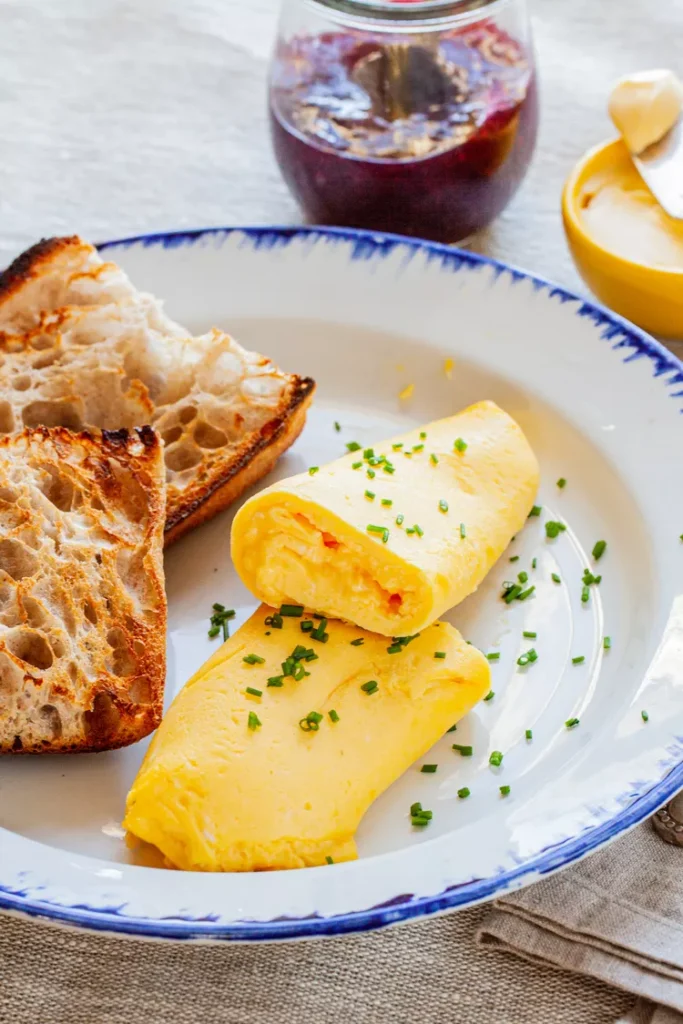
1. Classic French Omelet
The French omelet stands out for its smooth, silky exterior and custardy interior. You won’t find any browning on this elegant dish.
This recipe needs just three ingredients: eggs, butter, and salt. The real challenge lies in mastering the technique.
Whisk the eggs until smooth, then cook them over medium heat while stirring constantly. This method creates a tender, barely-set center wrapped in a pale yellow shell.
The omelet slides easily onto the plate and folds into a neat oval shape.

2. Denver Omelet with Ham and Cheese
The Denver omelet is a classic diner breakfast that’s easy to make at home. Fill fluffy eggs with diced ham, bell peppers, onions, and cheddar cheese.
Cook your peppers and onions first until they soften, then add the ham to warm it through. Pour your beaten eggs into the pan and let them set slightly before adding your fillings.
Fold the omelet in half and serve hot for the best taste.

3. Mushroom and Swiss Omelet
This classic omelet brings together earthy mushrooms and creamy Swiss cheese in a simple egg base. Sauté your mushrooms first until they’re tender and golden.
The nutty flavor of Swiss cheese melts perfectly into the eggs. It creates a rich, satisfying breakfast that feels special but comes together quickly.
You can make this omelet in about 10 minutes with just a few ingredients.

4. Spinach and Feta Omelet
This classic combination brings together fluffy eggs with tangy feta cheese and fresh spinach. You can make it in about 10 to 15 minutes, making it perfect for busy mornings.
The spinach adds nutrients while the feta provides a salty, creamy contrast. Cook your spinach lightly before adding it to your eggs for the best texture.
You only need a few basic ingredients: eggs, feta cheese, spinach, butter, and your preferred seasonings.

5. Tomato and Basil Omelet
You can make this classic omelet in just 10 minutes. The recipe combines fluffy eggs with fresh tomatoes and aromatic basil for a simple breakfast.
Beat your eggs and pour them into a hot pan with butter or oil. Add diced tomatoes and torn basil leaves as the eggs begin to set.
Cook the eggs over medium-high heat while stirring with a fork. This creates an even texture that stays creamy.
Let the bottom brown for about 30 seconds before folding.

6. Cheese and Herb Omelet
A cheese and herb omelet combines whipped eggs with melted cheese and fresh or dried herbs. You can make this dish in about 15 minutes.
Cook your eggs gently over medium heat to create a soft, fluffy texture. Add your favorite shredded cheese like cheddar or gruyere while the eggs are still slightly wet.
Fresh herbs like chives, parsley, or thyme work best. You can also use dried herbs if that’s what you have available.

7. Vegetable-Stuffed Omelet
A vegetable-stuffed omelet gives you a protein-packed breakfast with added vitamins and fiber. Use bell peppers, mushrooms, onions, and spinach as your base vegetables.
Beat your eggs until fluffy, then cook them in a heated pan. Add your sautéed vegetables and cheese to one half before folding.
Customize this omelet with whatever vegetables you have in your fridge.

8. Omelet Soufflé
An omelet soufflé brings together the best parts of two classic egg dishes. Separate the eggs and beat the whites until they form stiff peaks.
This creates the light, airy texture that makes this omelet special. You cook it in a regular skillet on your stovetop, then finish it briefly in the oven.
The result puffs up beautifully and has a fluffy texture.

9. Hangtown Fry Omelet
The Hangtown Fry is a historic dish from California’s Gold Rush era in the 1850s. It combines crispy fried oysters, bacon, and fluffy eggs into one hearty omelet.
Bread and fry oysters until golden brown. Cook bacon strips until crispy, then combine everything with beaten eggs in a pan.
The oysters go inside the omelet as it cooks. This combination of seafood and breakfast ingredients creates a rich, filling dish that still appears on menus today.

10. Ros Omelet with Gravy
This Goan street food combines a fluffy omelet with spicy tomato gravy. Ros means gravy in Konkani, and it transforms a simple omelet into something special.
The gravy features tomatoes, ginger, garlic, and coconut for a tropical taste. You can use chicken xacuti gravy or make a vegetarian tomato-based version.
Locals in Goa eat this dish for breakfast, lunch, or dinner. Street vendors serve it with pav bread, chopped onions, and a lime wedge.
Essential Techniques for Perfect Omelets
The difference between a restaurant-quality omelet and a disappointing one comes down to four key factors: your equipment, how you prepare the eggs, managing heat, and your finishing method.
Choosing the Right Pan and Utensils
An 8 to 10-inch nonstick skillet is your best choice for making omelets. The nonstick surface lets the omelet slide out easily without tearing.
A smaller pan works better than a large one because it keeps the eggs at the right thickness. Your pan should have sloped sides, not straight edges.
This shape makes it much easier to fold or roll your omelet. The slope also helps you slide the finished omelet onto your plate without breaking it.
Use a rubber or silicone spatula instead of metal tools. These materials won’t scratch your nonstick pan and give you better control when moving the eggs around.
A fork works well for stirring the eggs while they cook. Make sure your pan is completely clean before you start.
Any stuck-on food bits will ruin the smooth texture of your omelet.
Proper Egg Beating Methods
Beat your eggs until the yolks and whites are fully mixed together. You should see a uniform yellow color with no streaks of clear egg white.
This takes about 30 seconds of whisking with a fork. Don’t overbeat the eggs.
You don’t want them frothy or full of air bubbles. Just mix them until they’re combined.
Room temperature eggs work better than cold ones. They cook more evenly and blend together faster.
Take your eggs out of the fridge 15 to 20 minutes before cooking. Add a pinch of salt to your beaten eggs.
Some cooks add a tablespoon of water or milk, but this is optional. The liquid can make your omelet slightly more tender.
Temperature Control Tips
Heat your pan over medium heat for about one minute before adding butter or oil. The pan should be hot but not smoking.
If it’s too hot, your omelet will brown too fast and turn rubbery. Add one tablespoon of butter and let it melt completely.
The butter should foam but not turn brown. This is the right temperature to add your eggs.
Pour in your eggs immediately after the butter stops foaming. They should sizzle gently when they hit the pan.
If you hear loud sizzling or popping, your pan is too hot. Keep the heat at medium throughout cooking.
Lower it slightly if the bottom cooks faster than the top. The entire process should take about 2 to 3 minutes.
Folding Versus Rolling Techniques
Folding is the easier method for beginners. When the eggs are mostly set but still slightly wet on top, add your fillings to one half.
Use your spatula to fold the empty half over the filled half. Slide the omelet onto your plate with the seam facing down.
Rolling creates a classic French-style omelet. Tilt your pan and use a spatula to fold one edge of the omelet toward the center.
Keep tilting and rolling until you have a cylinder shape. This method takes more practice but looks impressive.
Both methods work well. Folding gives you more room for fillings.
Rolling works best with fewer fillings or plain omelets. The eggs should still look slightly glossy on top when you fold or roll.
They will finish cooking from their own heat after you remove them from the pan.
Customizing Your Omelet Experience
The key to a memorable omelet lies in choosing ingredients that work well together and adapting recipes to fit your dietary needs. You can create countless combinations by understanding which flavors complement each other and how to modify recipes for different nutritional goals.
Best Ingredient Pairings
Some ingredients naturally enhance each other when combined in an omelet. Cheese and vegetables form a reliable foundation, with cheddar pairing well with bell peppers and onions, while feta complements spinach and tomatoes.
For protein-rich combinations, try ham with Swiss cheese and mushrooms. This trio creates a balanced flavor profile without overwhelming your palate.
Bacon works best with sharp cheddar and caramelized onions.
Classic Vegetable Pairings:
- Spinach + mushrooms + gruyere
- Tomatoes + basil + mozzarella
- Bell peppers + onions + jalapeños
Fresh herbs add brightness to rich ingredients. Chives enhance cream cheese and smoked salmon, while cilantro pairs with black beans and pepper jack cheese.
You can also mix textures by combining creamy avocado with crispy bacon or crunchy bell peppers with soft goat cheese.
Dairy-Free and High-Protein Options
You can make satisfying omelets without dairy by using nutritional yeast for a cheesy flavor or avocado for creaminess. Plant-based cheese alternatives work well when combined with vegetables and herbs to mask any texture differences.
For extra protein without dairy, add lean meats like turkey, chicken breast, or smoked salmon. Beans and lentils also boost protein content significantly.
A three-egg omelet with half a cup of black beans provides around 30 grams of protein.
High-Protein Add-Ins (per serving):
- Ground turkey: 22g protein
- Black beans (1/2 cup): 7g protein
- Egg whites (3 additional): 10g protein
You can combine multiple protein sources without dairy. Try turkey sausage with white beans and spinach.
Use silken tofu blended with turmeric as an egg substitute for a completely plant-based option.
Frequently Asked Questions
Making a perfect omelet requires the right techniques, quality ingredients, and proper equipment. These questions cover everything from achieving the ideal texture to accommodating different dietary needs.
What are some foolproof techniques for making a fluffy omelet?
Whisk your eggs thoroughly before cooking to create a lighter texture. Add one tablespoon of water per two eggs instead of milk for extra fluffiness.
Keep your heat at medium-low to prevent the eggs from becoming rubbery. Use butter in your pan rather than oil, as it adds flavor and helps create a tender texture.
Tilt and rotate the pan as the eggs cook to spread the uncooked portions evenly. Stop cooking when the eggs still look slightly wet on top.
The residual heat will finish cooking them without making them dry.
Can you suggest a variety of fillings for a gourmet omelet experience?
Ham and cheese create the most popular combination for a reason. Cheddar, Gouda, or mozzarella melt beautifully and provide a creamy texture.
Try spinach and feta for a lighter but flavorful option. Mushrooms pair exceptionally well with Swiss cheese for an earthy taste.
Add diced bell peppers and onions to make a Denver-style omelet. Fresh tomatoes and basil offer a bright, fresh flavor profile.
Experiment with smoked salmon and cream cheese. Caramelized onions with gruyere also make a delicious filling.
Sauté vegetables before adding them, as they release less moisture than raw ones.
What are the key ingredients for a classic French omelet?
A classic French omelet requires only eggs, butter, and salt. Use two to three eggs per serving for the right thickness.
French omelets traditionally contain no milk or cream in the egg mixture. The focus stays on pure egg flavor and an exceptionally smooth, creamy texture.
Fold the omelet into thirds rather than in half, creating an elegant oval shape. Fresh herbs like chives or parsley can be added, but the filling remains minimal.
Serve the eggs while they still appear slightly soft and custard-like.
How do you properly flip an omelet without breaking it?
You don’t actually need to flip most omelets. Tilt the pan and use a spatula to fold the omelet in half or thirds while it’s still in the pan.
If you want a fully cooked top without folding, cover the pan with a lid for the last minute of cooking. For a traditional flip, make sure the bottom is fully set first.
Use a quick wrist motion to flip it. Alternatively, slide it onto a plate and invert the pan over it.
Practice with a small omelet using just two eggs to build your confidence.
Are there any omelet recipes that cater to specific dietary restrictions?
Make omelets without dairy by skipping the cheese and using olive oil instead of butter. Add vegetables like mushrooms, peppers, and tomatoes for flavor without animal products.
Omelets fit well into low-carb diets since eggs contain minimal carbohydrates. Add protein-rich fillings like ham, bacon, or turkey.
Vegetarian options include any combination of vegetables, cheese, and herbs. People avoiding gluten can enjoy omelets safely, as eggs and most fillings are naturally gluten-free.
Check that any processed meats or pre-shredded cheeses don’t contain added starches.
What is the best type of pan to use for cooking omelets?
An 8-inch nonstick skillet works best for a two-egg omelet. The nonstick surface prevents sticking and makes folding easier.
Cast iron skillets also work well once you properly season them. They distribute heat evenly and create excellent results with enough butter or oil.
Make sure your pan has sloped sides rather than straight edges to help with folding.
A well-maintained carbon steel pan offers similar benefits to cast iron but weighs less.
Choose a pan that is clean and free of scratches that could catch the delicate eggs.