
Polish cuisine offers warm, filling meals that families have passed down through generations. These dishes use simple ingredients like potatoes, cabbage, beets, and pork to create satisfying flavors.
Many Polish recipes are perfect for feeding a family or sharing with friends. This collection brings together the most popular Polish dishes, from dumplings and soups to main courses and side dishes.
You will learn about traditional ingredients that give Polish food its unique taste. You will also get practical tips that help you cook these recipes with confidence.
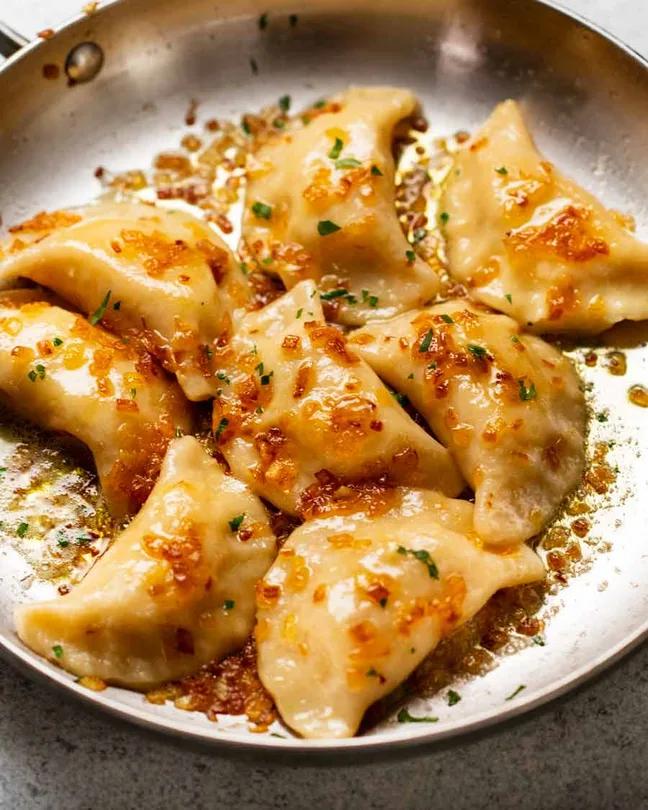
1. Pierogi (Polish Dumplings)
Pierogi are traditional Polish dumplings with tender dough wrapped around various fillings. You’ll find these half-moon shaped pockets filled with mashed potatoes, cheese, sauerkraut, or meat.
The dough contains flour, eggs, and sour cream. You can boil pierogi until they float, then pan-fry them in butter for a crispy exterior.
Popular varieties include pierogi ruskie with potato and cheese filling, and uszka, which are small ear-shaped dumplings served in borscht. Many people top them with fried onions and serve them with sour cream.

2. Bigos (Hunter’s Stew)
Bigos is one of Poland’s most beloved traditional dishes. This hearty stew uses sauerkraut, fresh cabbage, and a mix of meats like pork, kielbasa, and bacon.
Wild mushrooms and prunes add deep flavor and a touch of sweetness. You can add beer or wine while it cooks for extra richness.
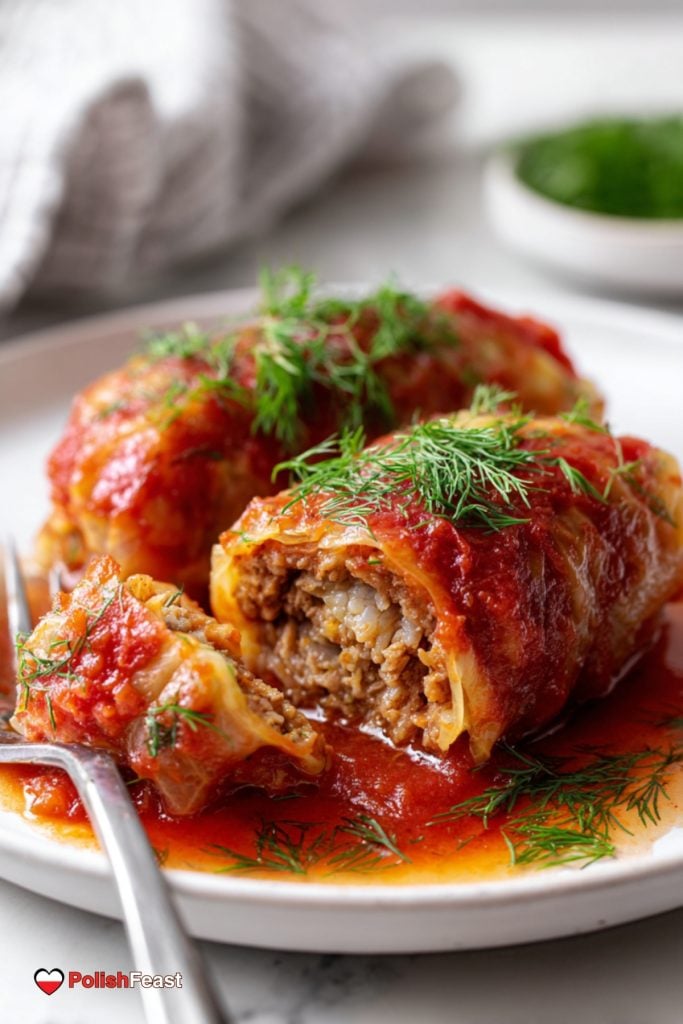
3. Gołąbki (Stuffed Cabbage Rolls)
Gołąbki are traditional Polish cabbage rolls that your family will love. You wrap tender cabbage leaves around a filling made with ground meat, rice, and onions.
The rolls cook in tomato sauce until they become soft and flavorful. You can use ground beef, pork, or a mix of both meats.
Serve gołąbki with mashed potatoes and rye bread. Some people add applesauce on the side for a sweet contrast.

4. Kielbasa (Polish Sausage)
Kielbasa stands as one of Poland’s most recognized foods worldwide. This smoked sausage brings bold flavors of garlic and spices to your table.
You can grill, boil, or pan-sear kielbasa for different tastes and textures. The sausage comes fresh or smoked, giving you options for various recipes.
Kielbasa pairs well with potatoes, cabbage, or in soups and stews for extra flavor.

5. Żurek (Sour Rye Soup)
Żurek is a traditional Polish soup known for its unique tangy flavor. Fermented rye flour gives it a distinctive taste you won’t find in other soups.
This hearty dish includes white sausage, hard-boiled eggs, and root vegetables. Many families serve it during Easter, but it appears year-round.
Zakwas, a fermented rye flour starter, gives the soup its signature flavor. Smoky sausage and vegetables make it a filling meal that warms you up on cold days.

6. Barszcz (Beet Soup)
Barszcz is a classic Polish beet soup known for its vibrant red color and tangy flavor. This clear broth tastes earthy and slightly sour.
Beets, onions, garlic, and sometimes carrots create its signature taste. Traditional recipes use fermented beet juice for sourness, but you can use lemon juice or vinegar for a quicker version.
Polish families often serve barszcz during Christmas Eve dinner. You can enjoy it plain or with small mushroom dumplings called uszka.

7. Placki Ziemniaczane (Potato Pancakes)
Placki ziemniaczane are crispy potato pancakes that have been a staple in Polish kitchens for generations. You make them by grating raw potatoes and onions, then mixing them with eggs and a bit of flour.
Fry the pancakes until they turn golden brown and crispy on the outside while staying soft inside. You can serve them as a main dish, side, or snack.
Traditional toppings include sour cream, applesauce, or a sprinkle of sugar. They’re easy to prepare with basic ingredients you likely have on hand.

8. Kopytka (Potato Dumplings)
Kopytka are soft Polish potato dumplings made with just four basic ingredients. You’ll need starchy potatoes, flour, eggs, and salt to create these simple comfort foods.
The dumplings have a pillowy texture and mild flavor. Serve them with melted butter, sautéed onions, or mushrooms.
They also work well topped with gravy, sauerkraut, or fried kielbasa. Making kopytka is straightforward, even if you’re new to working with dough.
Mash boiled potatoes, mix in flour and eggs, then shape and boil small pieces.

9. Haluski (Cabbage and Noodles)
Haluski is a traditional Polish comfort dish that combines buttery egg noodles with fried cabbage and onions. This simple recipe requires just a few basic ingredients.
Bacon often adds extra flavor. Cook the cabbage until it becomes tender and slightly caramelized, then toss it with cooked noodles and plenty of butter.
Haluski works well as a main dish or a side. You can prepare this meal in under an hour.

10. Rosół (Polish Chicken Soup)
Rosół is Poland’s most beloved chicken soup. You make it by slowly simmering chicken with vegetables and simple herbs for several hours.
The result is a clear, golden broth with rich flavor. Polish families traditionally serve this soup on Sundays and holidays.
You’ll find noodles served in the broth, making it a complete and nourishing meal. The long cooking time creates a depth of flavor that sets this soup apart.
Traditional Ingredients in Polish Cuisine
Polish cooking relies on simple, hearty ingredients that have sustained families through cold winters and celebrations for centuries. The cuisine features specific herbs, proteins, grains, and fermented products that create its distinctive flavors.
Essential Herbs and Spices
Polish cooking uses a focused selection of herbs and spices rather than complex spice blends. Marjoram stands out as the most important herb in Polish kitchens.
You’ll find it in nearly every savory dish, from soups to meat preparations. Dill appears frequently in Polish recipes, especially in pickles, salads, and cold summer soups.
Fresh dill brings a bright flavor that balances rich, heavy dishes. Other key seasonings include:
- Bay leaves for soups and stews
- Caraway seeds in breads and cabbage dishes
- Allspice in meat dishes and sausages
- Black pepper as the primary heat source
- Paprika for color and mild flavor
Polish cooking relies more on onions than garlic for the aromatic base of most dishes.
Key Proteins and Grains
Pork dominates Polish protein choices. You’ll use it fresh, smoked, and in various forms of kielbasa (Polish sausage).
Different regions produce distinct kielbasa varieties with unique seasonings and smoking methods. Buckwheat (kasza gryczana) serves as a fundamental grain despite its name.
It provides nutty flavor and hearty texture to meals. You’ll also work with barley, rye, and wheat in different forms.
Potatoes became a staple ingredient after their introduction to Poland. They appear in dumplings, pancakes, and as simple side dishes.
Sauerkraut and fresh cabbage provide essential vegetables year-round. Mushrooms, especially wild forest varieties, hold special importance.
Dried mushrooms add deep umami flavor to winter dishes when fresh ones aren’t available.
Dairy and Fermented Products
Sour cream (śmietana) enriches countless Polish dishes. You’ll use it in soups, sauces, salads, and as a topping.
Its tangy richness defines many traditional flavors. Polish cuisine features several unique dairy products.
Twaróg is a fresh farmer’s cheese with a crumbly texture. You’ll use it in pierogi fillings, cheesecakes, and noodle dishes.
It’s mild and slightly tangy. Buttermilk and kefir provide tangy drinking options and soup bases.
These fermented dairy products support the Polish preference for sour flavors. Fermented rye creates the distinctive base for żurek soup, one of Poland’s most traditional dishes.
You’ll also encounter oscypek, a smoked sheep’s milk cheese from mountain regions. It has a firm texture and works well grilled or as a snack.
Tips for Authentic Polish Cooking
Making real Polish food at home depends on finding the right ingredients and understanding how Polish people serve their meals. These two elements will help you create dishes that taste like they came from a Polish kitchen.
Sourcing Polish Ingredients Abroad
Polish cooking requires specific ingredients that might not be available at regular grocery stores. You can find what you need at Eastern European markets, Polish delis, or online specialty shops that ship internationally.
Essential ingredients to look for:
- Polish sausage (kielbasa) – Fresh versions taste better than pre-packaged ones
- Sauerkraut – Polish varieties are less vinegary than German types
- Sour cream (śmietana) – Polish brands have higher fat content at 18-20%
- Rye flour – Needed for authentic Polish bread and some soups
- Polish pickles (ogórki kiszone) – These are naturally fermented, not vinegar-based
- Dried forest mushrooms – Usually porcini or boletus varieties
You can substitute some items if needed. Regular sour cream works for most recipes, though it may taste slightly different.
Italian porcini mushrooms can replace Polish forest mushrooms. Local farmer’s markets often sell naturally fermented pickles that taste similar to Polish versions.
Online stores like Polish specialty websites ship packaged goods across North America. Stock up on items like Polish spices, soup mixes, and specialty flours when you find them.
Cultural Etiquette and Serving Traditions
Polish meals follow specific customs that make dining feel authentic. The main meal happens in the early afternoon, usually between 2-4 PM, and consists of soup followed by a main course.
Soup always comes first in a proper Polish meal. It’s served in deep bowls and eaten as a separate course.
Bread appears on the table at every meal and guests use it to soak up soups and sauces. Polish hosts serve generous portions and often insist guests take seconds.
Refusing food can seem rude, so accept at least a small additional serving. When you finish eating, place your utensils parallel on the plate to signal you’re done.
Common serving practices:
- Serve pierogi hot with sour cream on the side
- Present cold cuts and pickles on separate small plates
- Always include bread, even with pasta or potato dishes
- Offer kompot (fruit drink) or tea rather than water with meals
Sunday dinners are special occasions in Polish culture. These meals take longer and include multiple courses with the whole family present.
Frequently Asked Questions
Polish cooking involves specific techniques and ingredients that make each dish unique. From choosing the right filling for dumplings to balancing flavors in stews and soups, these answers help you master traditional recipes.
What are some traditional dishes to try when exploring Polish cuisine?
Start with pierogi, the famous Polish dumplings filled with potato, cheese, or meat. These dumplings are boiled and then pan-fried until golden.
Bigos, known as hunter’s stew, combines sauerkraut with fresh cabbage, various meats, and dried mushrooms. This hearty dish is often considered Poland’s national dish.
Gołąbki are cabbage rolls stuffed with ground meat and rice, then baked in tomato sauce. Kielbasa, the classic Polish sausage, can be grilled, fried, or added to soups.
Żurek is a sour rye soup made with fermented flour and served with sausage and hard-boiled eggs.
How do I make authentic pierogi from scratch?
Mix flour, eggs, warm water, and a pinch of salt to create a smooth dough. Let the dough rest for 30 minutes at room temperature.
Roll out the dough until thin. Cut circles using a glass or cookie cutter.
Place your filling in the center of each circle. Fold in half and press the edges firmly to seal.
Boil the pierogi in salted water until they float to the surface, about 3 to 4 minutes. Serve them right away or fry them in butter for a crispy finish.
Common fillings include mashed potatoes with cheese, sauerkraut with mushrooms, or ground meat.
Can you suggest a classic recipe for Polish bigos (hunter’s stew)?
Combine equal parts sauerkraut and shredded fresh cabbage in a large pot. Add cooked meat such as pork, beef, kielbasa, and bacon cut into bite-sized pieces.
Include dried mushrooms that you have soaked and sliced. Season with bay leaves, whole peppercorns, and a small amount of tomato paste.
Simmer the stew on low heat for at least 2 hours, stirring occasionally. Some recipes add prunes or a splash of red wine for extra depth.
What ingredients are needed for a traditional Polish golabki (stuffed cabbage rolls)?
Use a whole head of cabbage with large leaves for wrapping. Prepare a filling with ground pork or a mix of pork and beef, cooked rice, diced onion, salt, and pepper.
Make a sauce using tomato sauce or crushed tomatoes mixed with a bit of sugar and water. Some recipes include mushrooms in the sauce.
Boil the cabbage head to soften the leaves before separating them. Use butter or oil for sautéing the onions.
The rice should be partially cooked since it will finish cooking when the rolls bake.
How does one prepare barszcz czerwony, the famous Polish red beet soup?
Start with fresh beets that you roast or boil until tender. Peel and grate the cooked beets, then add them to a pot with beef or vegetable broth.
Add garlic, a bay leaf, and whole allspice berries for seasoning. Simmer the soup for about 30 minutes to let the flavors blend.
Strain the soup if you want a clear version, which is traditional for Christmas Eve. Add lemon juice or vinegar to taste for the characteristic sour flavor.
Serve the soup hot with small dumplings called uszka or on its own.
Could you provide a step-by-step guide to making the perfect szarlotka (Polish apple cake)?
Mix flour, cold butter, sugar, egg yolks, and baking powder to create a crumbly dough. Divide the dough in half and refrigerate both portions for 30 minutes.
Peel and slice about 4 pounds of tart apples like Granny Smith. Toss the apples with sugar, cinnamon, and a tablespoon of flour.
Press one portion of dough into the bottom of a greased baking pan. Layer the apple mixture on top of the dough base.
Grate the second portion of cold dough over the apples to create a crumbly top layer. Bake at 350°F for about 50 to 60 minutes until the top turns golden brown.
Let the cake cool. Cut into squares.