
Russian desserts bring together simple ingredients like honey, sour cream, and fresh cheese to create treats that have been enjoyed for generations. These sweets range from layered cakes and soft pancakes to spiced cookies and fruit-based confections.
Each dessert tells a story about the country’s cooking traditions and the ingredients that were available in different regions. The desserts covered here use techniques that might seem unfamiliar at first, but most are straightforward enough for home bakers to try.
You’ll also learn about the ingredients that make these sweets unique and why certain desserts hold special meaning in Russian culture.
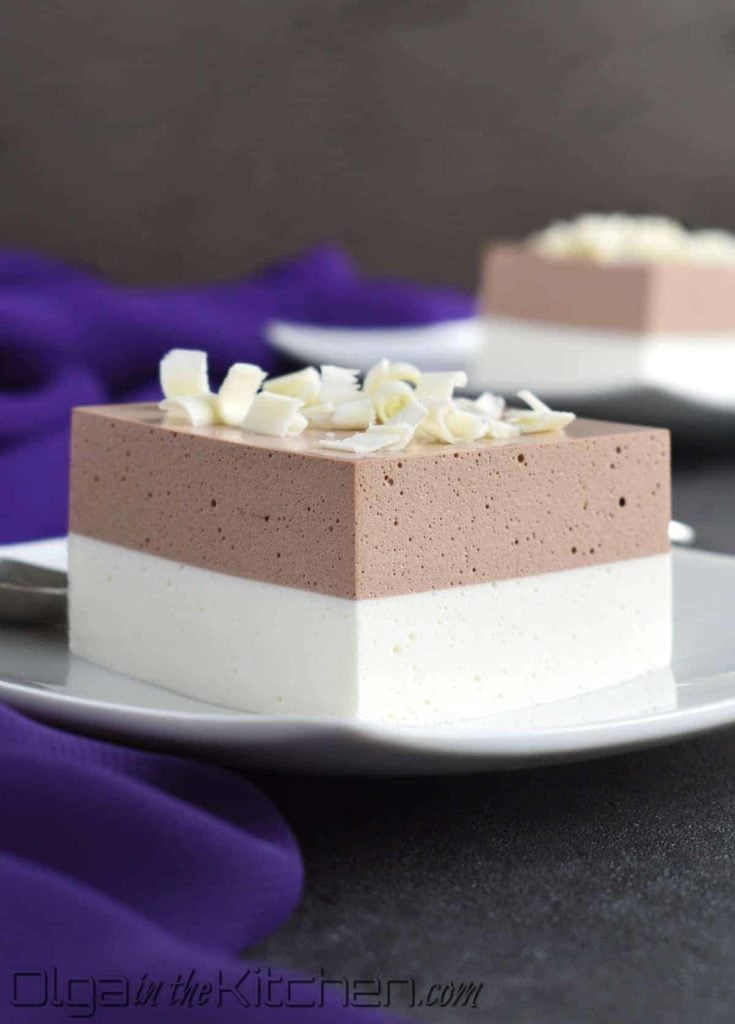
1. Ptichye Moloko
Ptichye Moloko translates to “Bird’s Milk” in English. The name refers to something that doesn’t exist in nature, making this dessert seem rare and special.
Moscow’s Restaurant Praha created this classic Russian cake in the 1970s. Layers of light sponge cake hold a creamy, mousse-like filling made with sour cream.
A smooth chocolate ganache covers the top. The dessert features more filling than cake, creating an airy and delicate treat.
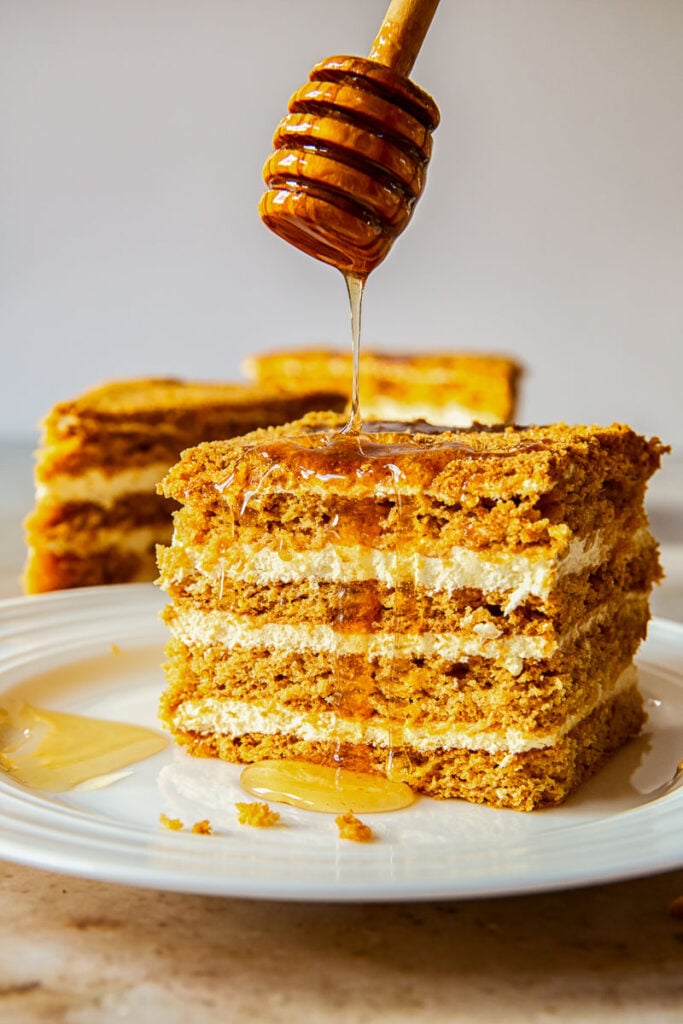
2. Medovik (Honey Cake)
Medovik stands as one of Russia’s most beloved desserts. This layered cake features thin honey-infused layers stacked with creamy sour cream frosting.
The cake typically contains eight to ten delicate layers. Each layer gets softer as the dessert chills, creating a unique texture.
The honey provides a gentle sweetness while the sour cream adds a slight tang. Medovik often appears at celebrations and family gatherings throughout Russia.

3. Syrniki (Cheese Pancakes)
Syrniki are Russian cheese pancakes made with farmer’s cheese, eggs, flour, and a touch of sugar. They’re different from regular pancakes because they use cheese instead of lots of batter.
These pancakes are golden and crispy on the outside and creamy on the inside. They’re not too sweet, so you can top them however you like.
Serve syrniki with sour cream, fresh berries, or maple syrup. You can make them in less than 30 minutes, which makes them perfect for breakfast or a simple dessert.
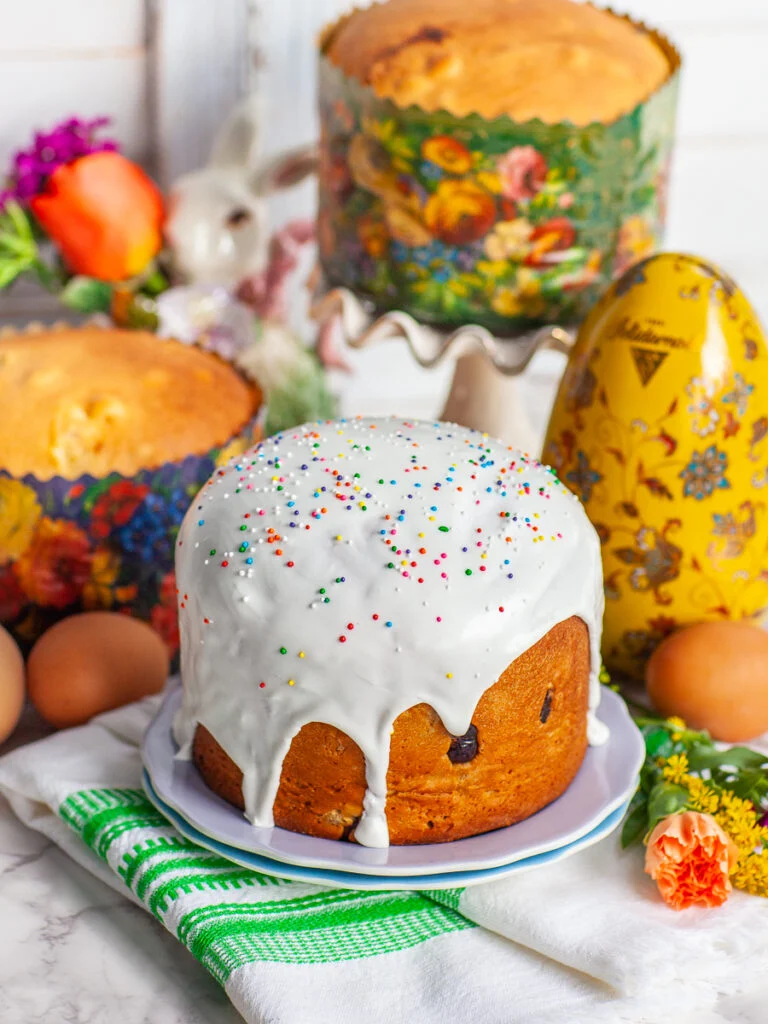
4. Kulich (Easter Bread)
Kulich is a traditional Russian Easter bread with a tall, cylindrical shape. This sweet yeast bread features a soft texture with raisins and citrus zest mixed throughout the dough.
A simple sugar glaze or white icing drips down the sides. The bread has a slightly sweet flavor with hints of lemon or orange.
Russian families traditionally bake kulich for Easter celebrations. You can enjoy it on its own or use it to make French toast.

5. Pryaniki (Spiced Cookies)
Pryaniki are traditional Russian honey spice cookies enjoyed for centuries. You’ll find them at tea time and during holidays throughout Russia.
These cookies have a soft, cake-like texture. They’re made with honey, sugar, butter, and warm spices like nutmeg and allspice.
A sweet glaze finishes the cookies, creating a slightly crispy coating over the soft interior. Serve them with hot tea for an authentic Russian experience.

6. Pastila (Fruit Marshmallow)
Pastila is a traditional Russian treat that transforms apples into a light, fluffy confection. You make it by whipping together apple puree, egg whites, and sugar until the mixture becomes airy and cloud-like.
The dessert gets its name from the Slavic word “pasta,” meaning bed. Historically, Russian towns south of Moscow competed to create the best varieties, with Antonovka apples being the preferred choice.
Pastila is lighter and more delicate than regular marshmallows. It’s naturally gluten-free and rich in fiber and vitamins.

7. Vatrushka (Cheese Pastry)
Vatrushka is a classic Russian pastry that combines soft, sweet yeast dough with a creamy cheese filling. You’ll find these round buns in bakeries across Russia and Eastern Europe.
The dough is enriched with eggs and sugar, creating a pillowy texture. The filling typically uses farmer’s cheese, cream cheese, ricotta, or quark mixed with sugar for a mildly sweet taste.
These pastries work well for breakfast or as a snack with tea or coffee. You can enjoy them warm from the oven or at room temperature.

8. Zharkoye with Berries
Zharkoye takes an unexpected turn when you add sweet berries to this traditional Russian dish. While the classic version is a savory meat stew, creative cooks developed a dessert variation using seasonal berries instead of vegetables.
This sweet version features soft, tender fruit simmered until the berries release their natural juices. The result is a warm, comforting dessert that works well during colder months.
The berry version keeps the traditional slow-cooking method but swaps savory ingredients for sweet ones.

9. Napoleon Cake
Napoleon Cake stands as one of Russia’s most beloved desserts. You’ll find it made with multiple layers of crispy puff pastry alternating with rich vanilla custard cream.
Traditional versions can have up to 16 layers, though most recipes use between 10 and 12 to make preparation easier. The thin, flaky pastry sheets create a delicate crunch that contrasts perfectly with the smooth, creamy filling.
This cake requires time and patience to prepare.

10. Blini with Sweet Fillings
Blini are thin Russian pancakes that work perfectly as a dessert base. You can make them with regular flour or buckwheat flour for an earthy flavor.
These delicate pancakes are easy to fill with sweet ingredients. Try honey, jam, or sour cream for classic Russian flavors.
Fresh berries also make an excellent topping. The pancakes are traditionally served during Maslenitsa, Russia’s pre-Lenten festival.
You’ll need simple ingredients like flour, eggs, and buttermilk to make the batter thin and light.
Traditional Ingredients in Russian Desserts
Russian desserts rely on simple, hearty ingredients that were readily available throughout the country’s history. Grains and dairy products form the foundation, while natural sweeteners and distinctive flavors create the memorable tastes.
Staple Grains and Dairy
Wheat flour serves as the base for most Russian baked desserts. You’ll find it in everything from layered cakes to pastries and cookies.
Dairy products play a major role in Russian sweets. Sour cream appears in cake batters and frostings, adding moisture and a subtle tang.
Cottage cheese, known as tvorog in Russia, is essential for making syrniki (cheese pancakes) and cheesecakes.
Common dairy ingredients include:
- Sour cream (smetana)
- Cottage cheese (tvorog)
- Butter
- Whole milk
- Heavy cream
These ingredients create rich, dense textures that make Russian desserts filling and satisfying. Use full-fat dairy products for authentic results.
Classic Flavors and Sweeteners
Honey was the original sweetener in Russian desserts before sugar became widely available after 1801. You’ll still find honey in traditional recipes like medovik (honey cake), where it creates distinct flavor layers.
Sugar became standard once Russia began producing it domestically. Many recipes now combine both honey and sugar for depth.
Traditional flavoring ingredients:
- Honey (especially for medovik)
- Poppy seeds
- Vanilla
- Condensed milk
- Fresh and preserved fruits
Berries and fruits get cooked with sugar to make varenye, a preserve where the fruit pieces stay whole and intact. Condensed milk adds sweetness and creaminess to many modern Russian desserts.
Cultural Significance of Russian Sweets
Russian desserts connect deeply to the country’s traditions and daily life, with special roles in religious celebrations and the beloved tea ceremony.
Role in Holidays and Celebrations
Russian sweets hold special meaning during religious holidays and family gatherings. Many traditional desserts were created specifically for Easter and Christmas celebrations.
Easter brings kulich, a tall cylindrical cake topped with white icing. Families prepare paskha, a pyramid-shaped dessert made from cottage cheese, to serve alongside it.
These sweets appear on tables after the Lenten fast ends. Christmas celebrations feature honey-based desserts and spice cookies.
Honey, apples, and dairy products dominate Russian desserts because they grow well in the cold climate. Many recipes passed down through generations reflect both difficult times and joyful moments in Russian history.
Grandmothers taught their families these dessert recipes, preserving them through wars and periods of scarcity.
Pairings With Tea and Coffee
Tea culture transformed Russian desserts from occasional treats into daily necessities. Russians always serve something sweet with tea, making desserts part of social life.
The Russian tea ceremony requires cakes, pastries, and cookies. Hosts serve these sweets on special plates and offer them to guests as a sign of hospitality.
Tea time happens multiple times throughout the day.
Popular tea accompaniments include:
- Pryaniki (spiced honey cookies)
- Napoleon cake (layered pastry)
- Syrniki (cottage cheese pancakes) with jam
- Medovik (honey layer cake)
Russians consider tea without sweets incomplete. Desserts appear at both formal gatherings and casual afternoon breaks with family.
Frequently Asked Questions
Russian desserts feature ingredients like honey, sour cream, and cottage cheese. Popular treats range from layered cakes to simple pancakes.
Many of these sweets can be prepared at home with basic baking skills or even without using an oven.
What are the traditional ingredients commonly used in Russian dessert recipes?
Russian desserts rely heavily on honey, which appears in treats like Medovik. Sour cream and cottage cheese show up frequently, especially in Syrniki and cake fillings.
Eggs and butter form the base of many baked goods. Spices such as cinnamon, cardamom, and ginger flavor cookies like Pryaniki.
Vanilla extract and chocolate often add sweetness and depth. Agar-agar or gelatin creates the marshmallow-like texture in Ptichye Moloko.
How do I make a classic Russian dessert at home?
Start with Syrniki if you want something simple. Mix cottage cheese with eggs, flour, and a bit of sugar, then pan-fry the small patties until golden.
For Medovik, bake thin honey-flavored cake layers. Spread sour cream frosting between each layer and let the cake chill overnight so the layers soften.
Ptichye Moloko requires more skill since you need to make a foam filling with egg whites and gelatin. Sandwich this between sponge cake layers and top everything with chocolate ganache.
Could you list some easy no-bake Russian dessert options?
Syrniki doesn’t require an oven since you cook them in a pan on the stovetop. Serve them with jam, honey, or sour cream.
Some versions of Ptichye Moloko skip the cake layers entirely. You can make just the marshmallow filling and coat it in chocolate for a simpler candy-style treat.
Fruit preserves and candied fruits also count as traditional Russian sweets. These require cooking but no baking.
What is considered the national sweet or dessert of Russia?
Russia doesn’t have one official national dessert. However, Medovik holds special status as one of the most beloved traditional cakes across the country.
Ptichye Moloko gained fame during the Soviet era. The name means “bird’s milk” and refers to something rare and precious.
Kulich represents Russian Easter traditions. This sweet bread appears on holiday tables throughout the country each spring.
Which Russian desserts are most popular among locals and tourists?
Medovik tops the list for both groups. The honey cake’s unique flavor and creamy layers make it memorable.
Ptichye Moloko attracts attention for its unusual texture. The light, mousse-like filling covered in chocolate offers something different from typical Western desserts.
Syrniki appears on breakfast menus at restaurants and homes alike. Tourists enjoy these cheese pancakes as an introduction to Russian cuisine.
Can you name some Russian desserts that are suitable for festive occasions?
Kulich serves as the centerpiece for Easter celebrations. Bakers top this tall, cylindrical bread with white icing and colorful sprinkles.
Medovik works well for birthdays and anniversaries. The multi-layered cake looks impressive and feeds a crowd.
Ptichye Moloko fits formal gatherings and special dinners. Its elegant appearance and rich flavor make it appropriate for important celebrations.